

Tumbler vs Thermos: A Gentle Guide to Choosing What Your Brand Needs
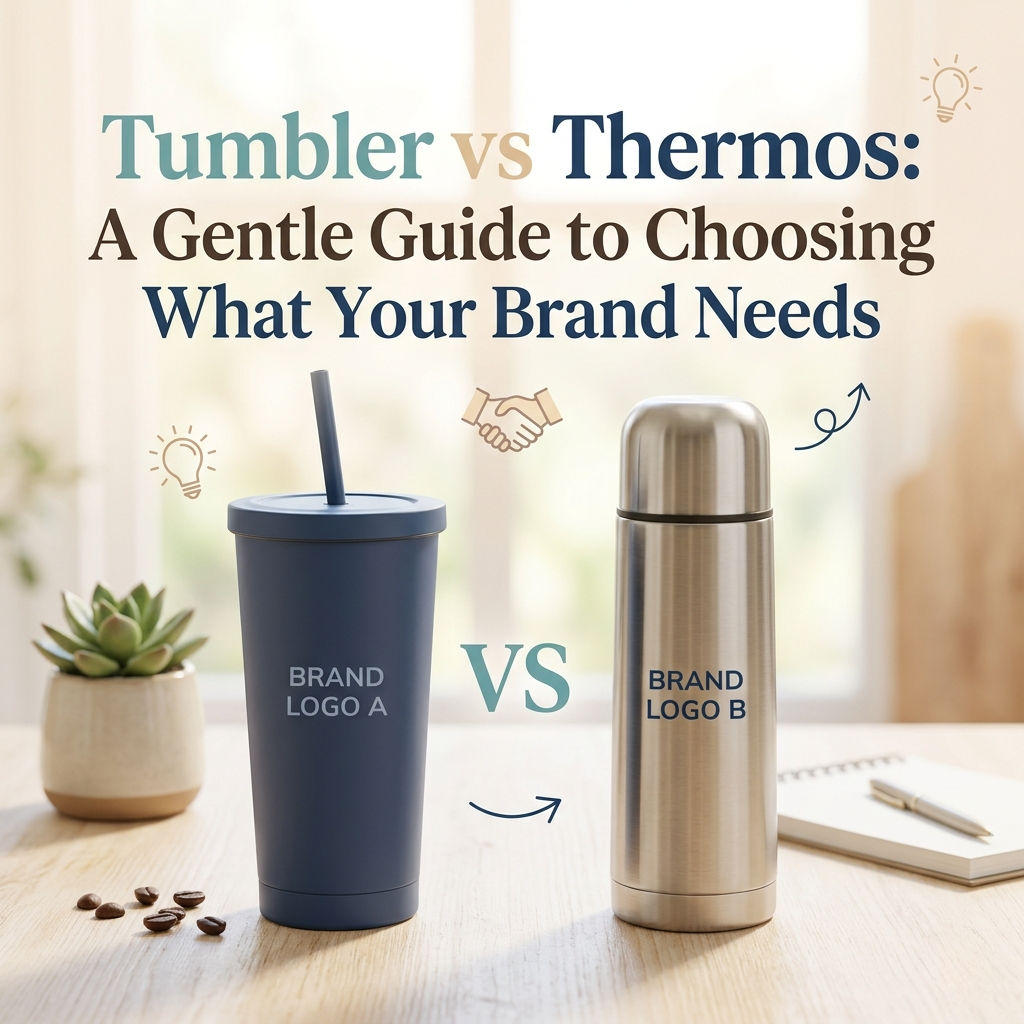
If you are reading this, you are probably standing at a crossroads.
You have a brand idea. You have a vision for the kind of drinkware you want to put into the world. But now you are staring at two words — tumbler 그리고 thermos — and honestly, you are not entirely sure which one your customer is waiting for.
Take a breath. You are in good company. Jarrino에서, we have sat down with hundreds of brand founders over the last 15 연령, and almost every single one of them has wrestled with this exact question. It’s not a sign that you are unprepared. It’s a sign that you care about getting it right.
This article is not a lecture. Think of it as the conversation we would have if you were sitting across from us in our factory, with a cup of something warm between us. We will walk through what each product truly is, who it serves best, and how to make a choice that feels right — not just for your launch, but for the people who will use your bottle every single day.
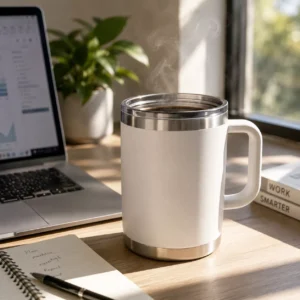 1. Let’s Start with the Tumbler: A Cup That Feels Like Home
Close your eyes for a moment and picture your morning. You pour a coffee. You add a splash of cream. You want to sip it slowly — not through a tiny opening, but from a wide mouth that lets you smell the roast and feel the warmth.
That is the soul of a tumbler. It’s a cup, reimagined in stainless steel.
Technically speaking, a tumbler has a wide mouth, straight or gently tapered sides, and a stable flat base. It usually comes with a lid — a sliding spout, a straw-friendly top, or a simple splash guard — and it’s designed to be held in one hand while you sit in traffic, walk into the office, or scroll through your phone at a coffee shop.
People love tumblers because they feel familiar. They drink from them the way they drink from a ceramic mug at home. But because it’s insulated, the coffee stays hot, and the iced tea stays cold. That little bit of everyday comfort, sustained over hours, is why a good tumbler becomes a daily companion.
Jarrino에서, we have made tumblers in over 40 shapes and sizes. 그만큼 590 밀리리터 (20 온스) size is our most popular — it fits a standard vehicle cup holder like it was made for it, because honestly, it was. We test every lid seal at 80°C for a full day. Not because we think anyone will leave their cup in a hot car that long (though they will), but because we want you to trust that when your customer takes their first sip, it will be a perfect one.
If your brand is about gentle mornings, daily rituals, desk-life aesthetics, or the simple pleasure of a cold drink on a warm afternoon, a tumbler might be your answer.
2. And Then There’s the Thermos: A Vessel for the Long Haul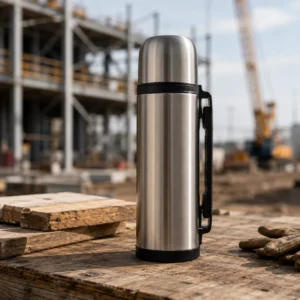
Now picture someone else. They’re not sitting at a desk. They’re standing on a cold job site at dawn, steam rising from a cup of coffee they poured from a tall, narrow bottle. Or they’re halfway up a mountain, unscrewing a stopper to share hot soup with a friend. Or they’re a nurse on a twelve-hour shift, grabbing a few precious minutes of warmth between rounds.
That is the world of the thermos. It’s not a cup. It’s a time capsule for temperature.
In manufacturing terms, what most people call a “thermos” is a vacuum-insulated bottle with a narrow neck, a tall body, and a screw-down stopper that often doubles as a drinking cup. The real magic is in the vacuum between the inner and outer walls — a gap of just a few millimeters, emptied of air, that slows heat transfer to an almost standstill. A well-made thermos keeps liquids hot for 12 시간과 추위 24. A poorly made one loses its soul within a few months, becoming just another heavy container.
We know this because we test every single Jarrino thermos bottle with helium. If the vacuum isn’t perfect, the bottle doesn’t leave our factory. Our defect rate on this test is below 0.3%. To us, that number is personal. It represents the nurse who gets a hot coffee at hour ten of her shift, the hiker who eats a warm meal after a long day, the parent who sends soup to school and gets an empty, happy container back. When your brand’s name is on that bottle, every one of those moments is a reflection of you.
If your brand serves people who work hard, travel far, or simply need warmth that lasts all day — the thermos is not just a product. It’s a promise.
3. 그래서, How Do You Decide? Five Gentle Questions
Now that we have painted both pictures, let’s get practical. We have found that the best way to decide between a tumbler and a thermos isn’t to compare specifications. It’s to ask a few human questions about the person who will hold your bottle.
1. Where will they be when they drink?
If the answer is “in a car, at a desk, or on a sunny patio,” lean toward a tumbler. If it’s “on a ladder, in a forest, or walking a hospital floor,” the thermos is waiting for them.
2. How long does the drink need to last?
A tumbler keeps coffee warm for a gentle commute. A thermos keeps it hot for a whole shift. Think about the rhythm of your customer’s day.
3. Will the bottle spend time sideways in a bag?
Tumblers with sliding or straw lids are splash-resistant, but they aren’t meant to be tossed around. A thermos with a screw-down stopper can travel any which way without a single drop escaping.
4. What kind of drinking experience fits their life?
Do they want to sip slowly from a wide mouth, or pour into a cup and savor? Tumblers are all about direct, casual sipping. Thermoses are about pouring, sharing, and pacing.
5. What emotion do you want your brand to carry?
Some brands are about calm, beauty, and everyday joy — that’s tumbler territory. Others are about strength, endurance, and reliability — that’s where the thermos lives. There is no wrong answer. There is only what feels true to you and your people.
We have guided dozens of brand partners through these questions. Almost every time, the right choice becomes clear — not because we told them what to do, but because the questions helped them listen to their own instincts.
4. A Few Words About Materials and Care
Because we care about what goes into your bottle, we want to share a little about the steel itself.
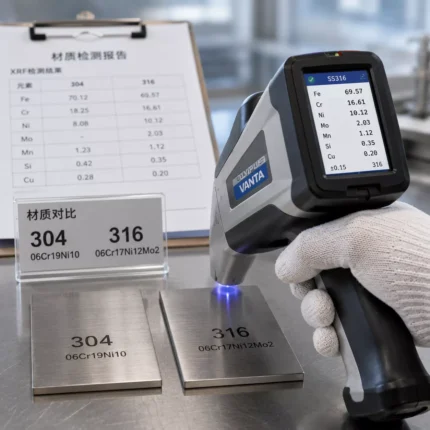
Most drinkware is made from 304 스테인레스 스틸. It is safe, 튼튼한, and perfectly suited for coffee, 차, 물, and everyday use. Think of it as the kind, reliable friend who shows up every day without complaint.
Some bottles are made from 316 스테인레스 스틸, which adds a touch of molybdenum for extra resistance to salt, acid, and harsh environments. If your customers live near the ocean, drink citrus or electrolyte mixes daily, or work in tough conditions, 316 is a beautiful upgrade. It costs a little more, but it lasts noticeably longer.
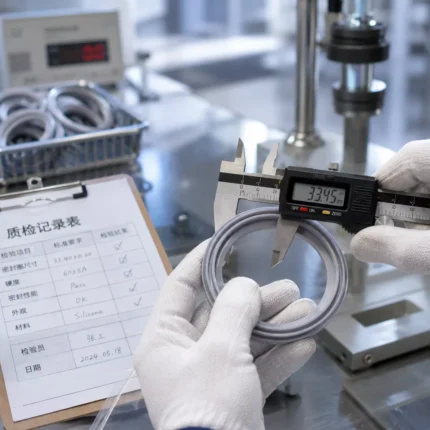
Jarrino에서, we test every batch of steel with X-ray fluorescence to make sure it is exactly what we say it is. We also hold full certifications — FDA, LFGB, REACH — and we publish them openly. Not because we have to, but because we believe you should never have to wonder if your factory is being honest with you. Trust is built in small, consistent actions.
5. Your First Step Doesn’t Have to Be Scary
If you are feeling excited but also a little nervous — that’s normal. Launching a product is a big deal. But here’s something we want you to know: you don’t have to order thousands of units right out of the gate.
Jarrino에서, we welcome small beginnings. Many of our most successful brand partners started with just 200 pieces — a trial order of an existing design, customized with their logo and their chosen color. They tested the waters, listened to their customers, and grew from there.
We offer two paths, and neither one is better than the other. It’s just about where you are right now:
- If you want to move gently and test the market: We will help you select an existing tumbler or thermos shape from our catalog, apply your branding, and get it to your door in about two months. Simple, safe, and low-risk.
- If you have a unique vision you are ready to bring to life: Our engineering team will work with you to create a fully custom design — from 3D renderings in 72 시간, to physical prototypes in 10 날, to a pilot run you can hold in your hands before committing to a full order. We will walk with you every step of the way.
Wherever you are in the journey, we meet you there. No pressure, no judgment. Just a team of people who love making drinkware and genuinely want to see you succeed.
6. Questions We Hear Often
Q: I’m still not 100% sure which one to pick.
A: That is completely okay. Reach out to us. Tell us about your customers and your vision. We will help you think it through — not by giving you a sales pitch, but by asking the right questions. Most of the time, clarity comes from a conversation, not a specification sheet.
Q: Is it possible to start really small?
A: 예. Our trial orders start at 200 units for existing designs with custom color and logo. It’s the gentlest way to see how your market responds.
Q: What if I pick the wrong one?
A: First, give yourself some grace. Many brands learn by starting small and adjusting. And remember, you can always expand your line later. Some of our happiest partners launched with a tumbler, listened to their customers, and added a thermos the following year — or the other way around. It’s a journey, not a single decision.
Q: How do I know I can trust the quality?
A: We believe transparency is the only way to build trust. You are welcome to tour our factory, virtually or in person. You can watch our QC team at work, see the helium testing, the coating inspections, the material certifications. When your name goes on a bottle, you deserve to know exactly how it was made.
7. A Final Thought
We have spent over 15 years in this industry, and we’ve learned something that matters more than any technical specification:
People don’t just buy a bottle. They buy a small, reliable moment in their day.
The coffee that warms them on a cold commute. The water that refreshes them after a long hike. The soup that tastes like home, even when they are miles away from it. Those moments are intimate. They’re part of someone’s daily life. And when your brand shows up in those moments, you become part of their story.
That is why getting the choice right matters. Not because of profit margins or inventory turnover — though those are real and important — but because your product deserves to be loved and used, not forgotten on a shelf.
So whether you choose a tumbler or a thermos, choose with your customer in mind. Picture them. Care about them. And when you are ready to bring that vision to life, we will be here, ready to help you build something beautiful.
Talk to Jarrino about your project
Related Posts
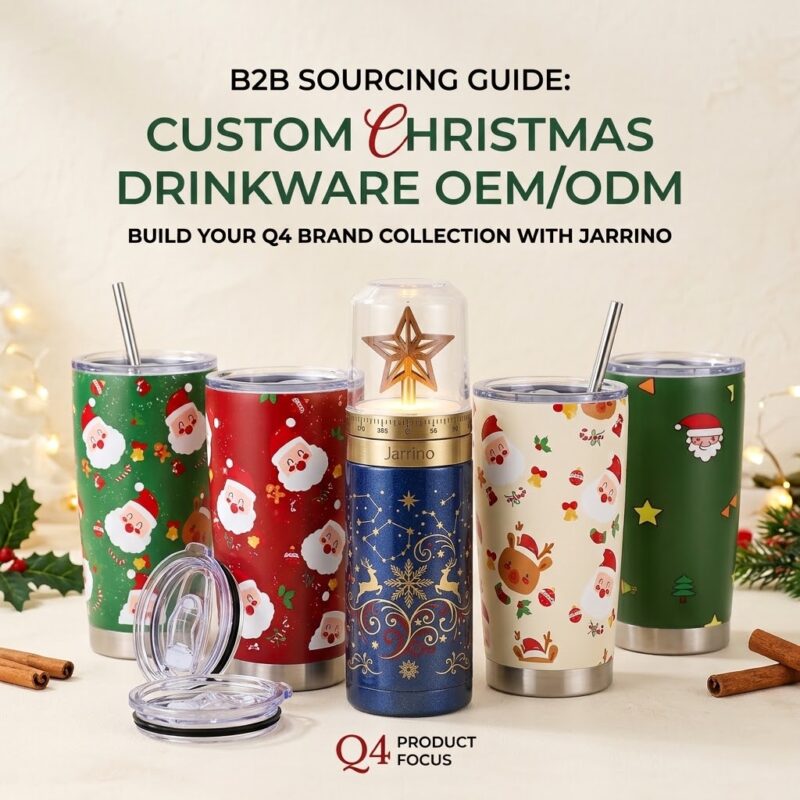
Custom Christmas Drinkware: Complete OEM/ODM Manufacturing Guide
Jarrino is a certified OEM/ODM manufacturer specializing in custom vacuum flasks, ceramic-lined tumblers, and titanium drinkware. Lead times for Q4 custom Christmas orders are 20–30 days with low MOQs (300–1,000 pcs) and full FDA/LFGB compliance. We offer end-to-end customization including 3D digital printing, 레이저 조각, and bespoke Christmas gift packaging. Sample kits and the quotes are available upon request to help brands lock in Q4 holiday production smoothly.
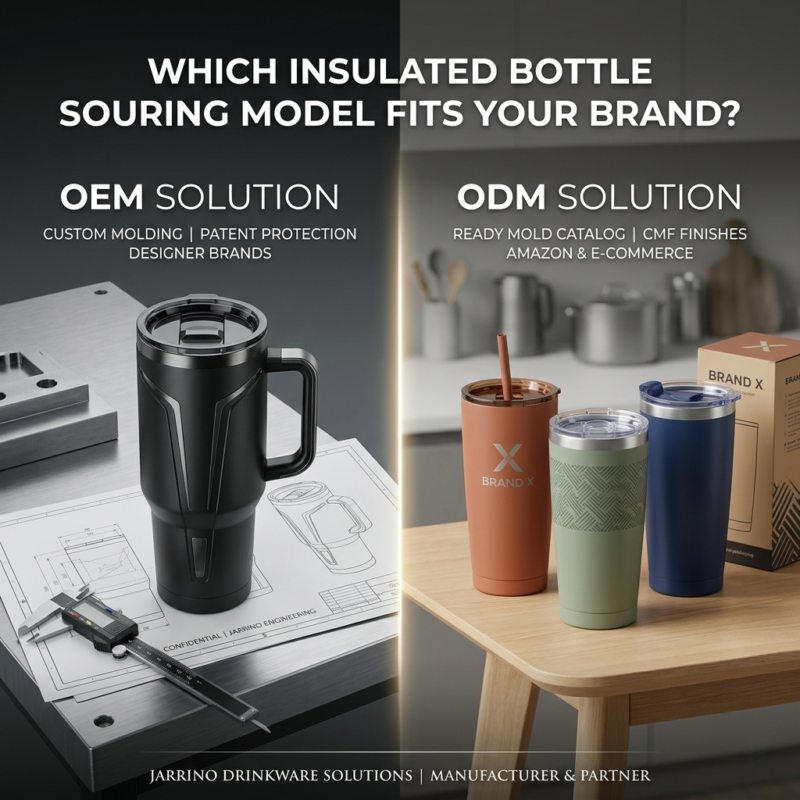
OEM 대. ODM 절연 텀블러: 귀하의 음료 용기 브랜드에 적합한 소싱 모델
OEM 중에서 선택 (OEM 제조) 그리고 ODM (독창적인 디자인 제조) 귀하의 음료 용기 브랜드의 R을 정의합니다&D 예산, 출시 시간, 그리고 제품 독점성. OEM은 맞춤형 CAD 설계와 고유한 IP 요구 사항을 갖춘 기존 브랜드에 이상적입니다., 헌금 100% 맞춤형 성형 및 특허 보호. ODM은 Amazon 판매자를 위해 만들어졌습니다., DTC 스타트업, 툴링 비용 제로를 추구하는 기업 구매자, 낮은 MOQ, 고급 CMF 마감을 통한 신속한 제품 출시 (분체 도장, UV 인쇄).
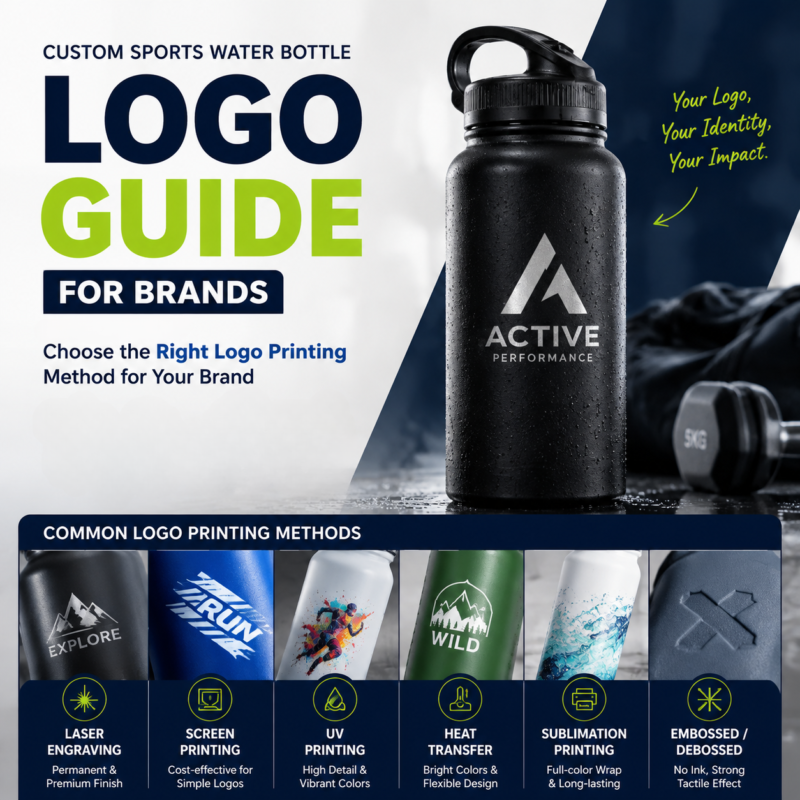
브랜드를 위한 맞춤형 스포츠 물병 로고 가이드
맞춤형 스포츠 물병 로고는 병 재질에 따라 다양한 장식 과정을 거쳐 제작됩니다., 브랜드 디자인, 및 성능 요구 사항. 이 가이드에서는 가장 일반적인 로고 인쇄 방법을 다룹니다., 레이저 각인을 포함해, 스크린 인쇄, UV 인쇄, 열 전달, 그리고 승화, 스포츠 브랜드가 내구성이 뛰어나고 전문적인 음료 용기 제품에 적합한 맞춤 옵션을 선택할 수 있도록 지원.
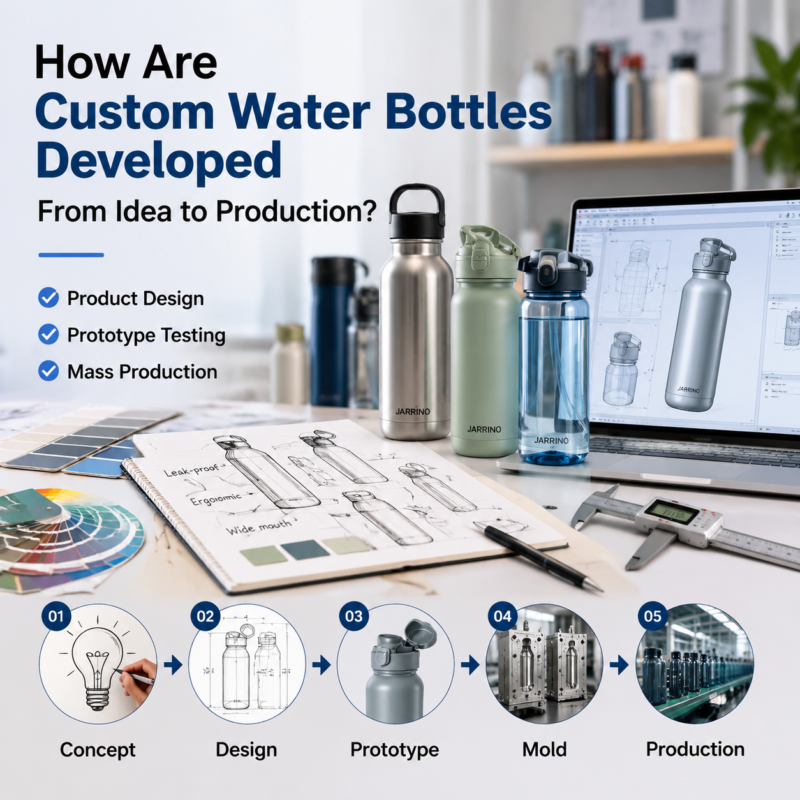
맞춤형 물병은 아이디어에서 생산까지 어떻게 개발됩니까??
맞춤형 물병을 개발하려면 디자인을 선택하고 로고를 추가하는 것 이상이 필요합니다.. 초기 제품 컨셉부터 엔지니어링까지, 프로토타이핑, 금형 개발, 테스트, 그리고 대량생산, 모든 단계는 성공적인 음료 용기 제품을 만드는 데 중요한 역할을 합니다.. 이 가이드에서는 브랜드가 OEM 물병 제조업체와 협력하여 아이디어를 고품질로 전환하는 방법을 설명합니다., 시장에 바로 출시되는 제품과 디자인 관리, 비용, 그리고 생산 문제.
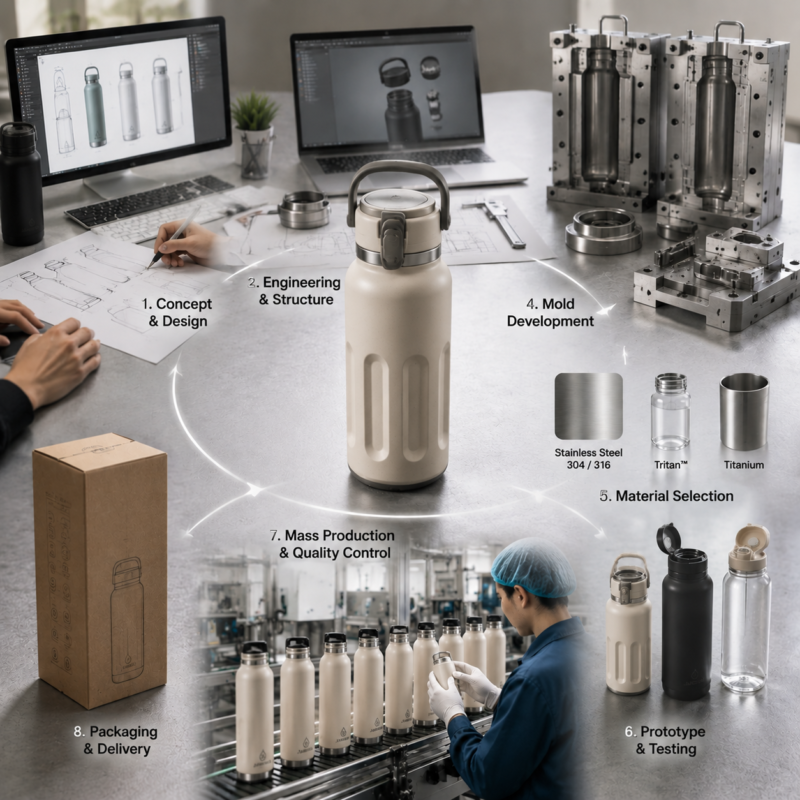
완전 맞춤형 물병은 어떻게 만들어지나요??
완전 맞춤형 물병을 개발하려면 기존 제품에 로고를 추가하는 것보다 훨씬 더 많은 것이 필요합니다.. 이 가이드에서는 브랜드가 제품 디자인을 통해 독특한 물병을 만드는 방법을 설명합니다., 공학, 재료 선택, 금형 개발, 프로토타입 테스트, 그리고 대량생산. 숙련된 OEM 물병 제조업체가 품질을 관리하면서 아이디어를 시장에 출시할 수 있는 제품으로 전환하는 데 어떻게 도움을 주는지 알아보세요., 비용, 생산 효율성.
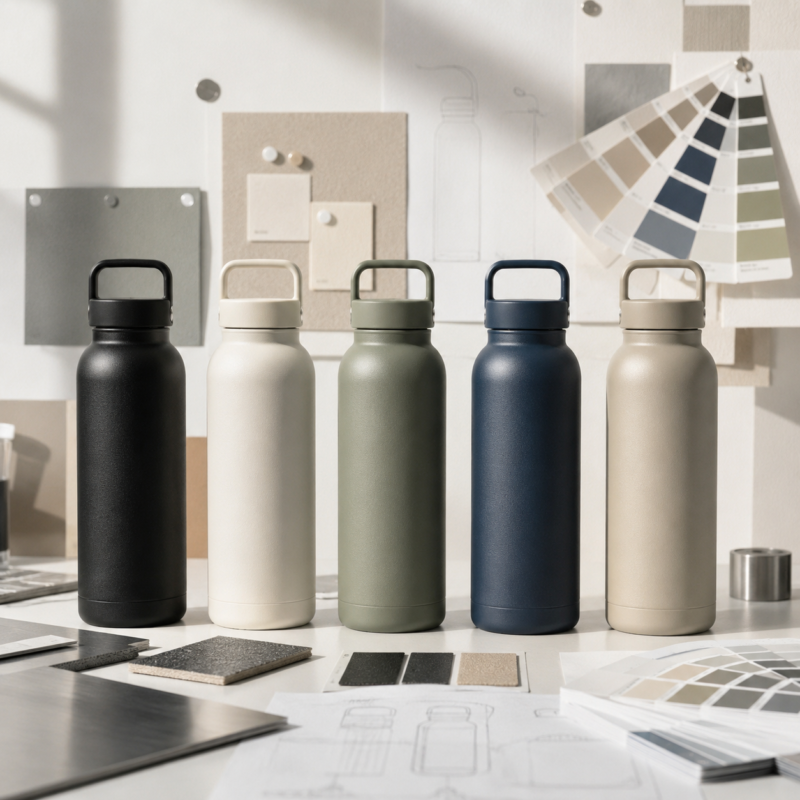
맞춤형 물병의 색상과 마감재를 선택하는 방법
맞춤형 물병 컬렉션의 성공은 매력적인 색상 그 이상에 달려 있습니다.. 올바른 색상 팔레트 선택, 표면 마무리, 제조 전략은 브랜드 아이덴티티 강화에 도움이 됩니다., 고객 매력 향상, 그리고 장기적인 판매를 보장합니다. 이 가이드에서는 시장 선호도에 따라 색상을 선택하는 방법을 설명합니다., 무광택 마감과 유광 마감 비교, SKU 최적화, 전문적인 OEM 생산을 통해 일관된 품질을 실현합니다..
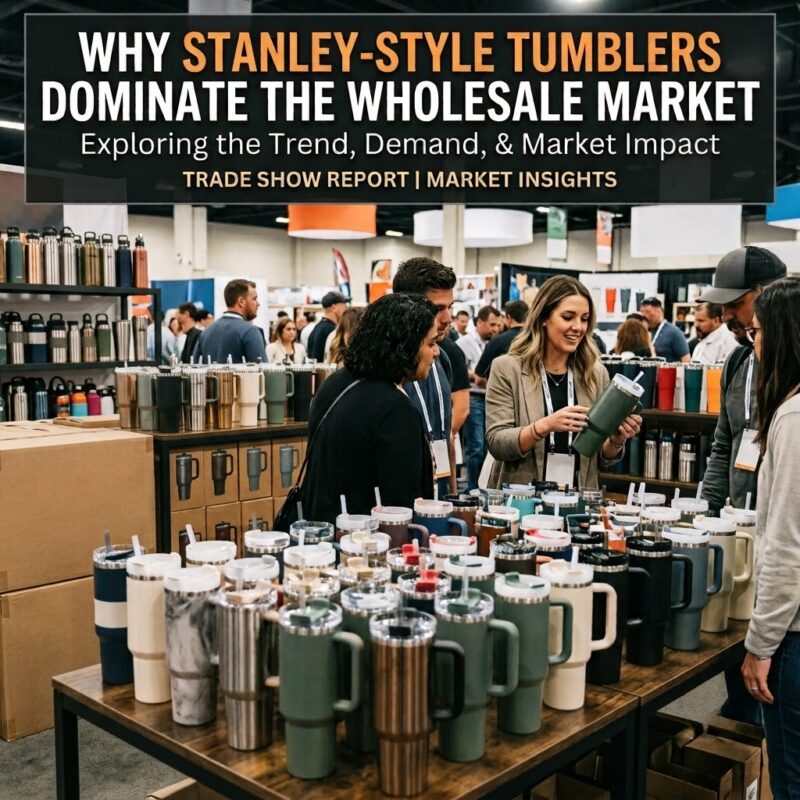
스탠리 스타일 텀블러가 도매 시장을 장악하는 이유
스탠리 스타일 텀블러는 문화 현상이자 도매 베스트셀러가 되었습니다.. 이 기사에서는 그 이유를 살펴봅니다. 18/8 높은 인식 가치를 제공하는 스테인리스 스틸 및 이중벽 진공 단열재, 맞춤화 가능성, 꾸준한 재주문 수요. 무엇이 이 텀블러를 믿을 수 있게 만드는지 알아보세요, 도매 구매자에게 유리한 카테고리.
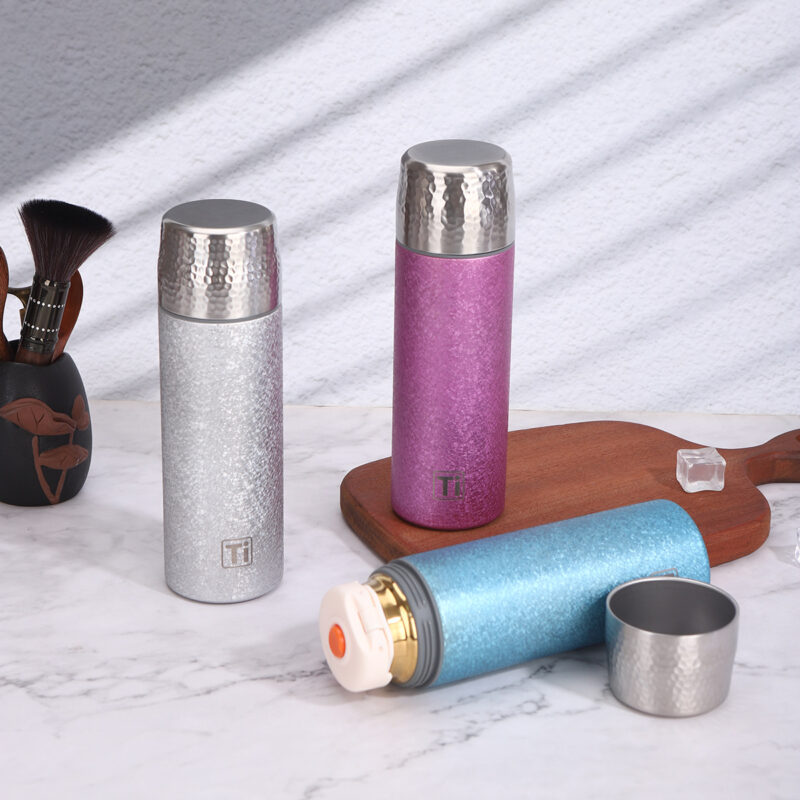
Are Titanium Water Bottles Safe?
Titanium is safe. It’s also expensive. Here’s how it stacks up against stainless steel and aluminum – and which material actually makes sense for your brand.
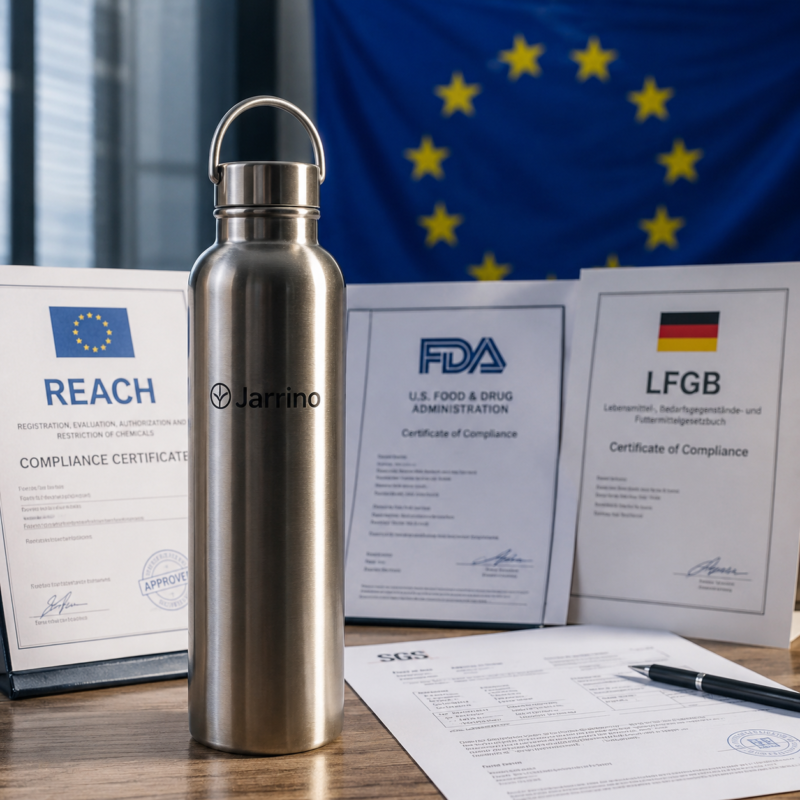
EU Microplastics Regulation 2026: What Every Custom Water Bottle Manufacturer Should Know
Learn how the EU Microplastics Regulation (EU) 2026/1168 impacts custom water bottle manufacturers and private label drinkware brands. Discover how Jarrino helps importers stay REACH compliant with durable stainless steel water bottles.
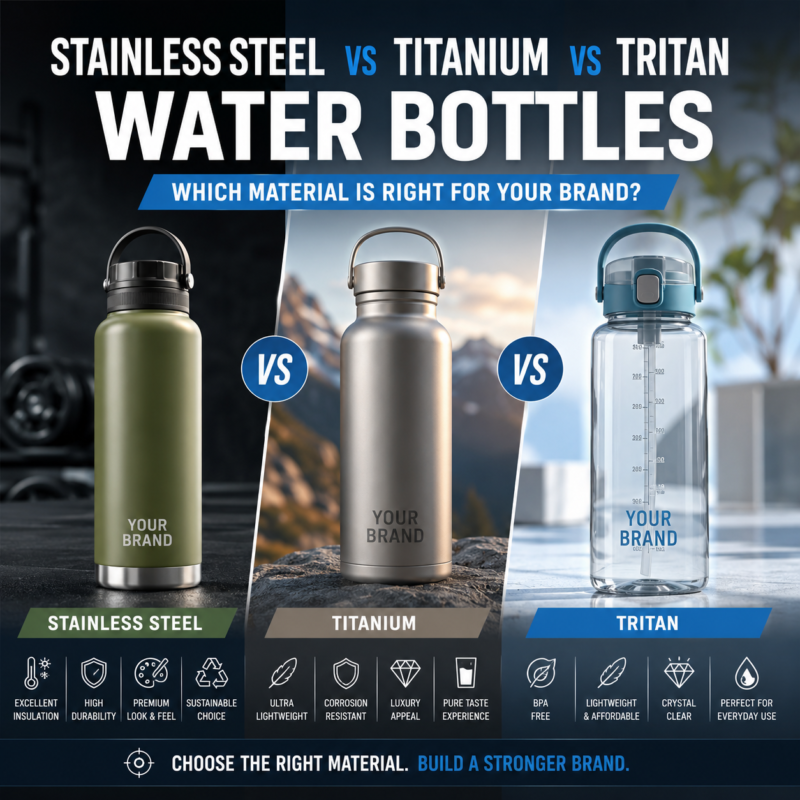
Stainless Steel vs Titanium vs Tritan Water Bottles: Which Material Is Right for Your Brand?
Choosing the right water bottle material can significantly impact your product quality, pricing, and brand positioning. This guide compares stainless steel, 티탄, and Tritan water bottles across durability, 격리, 비용, customization, and sustainability to help brands, 소매점, and OEM buyers select the best material for their target market.
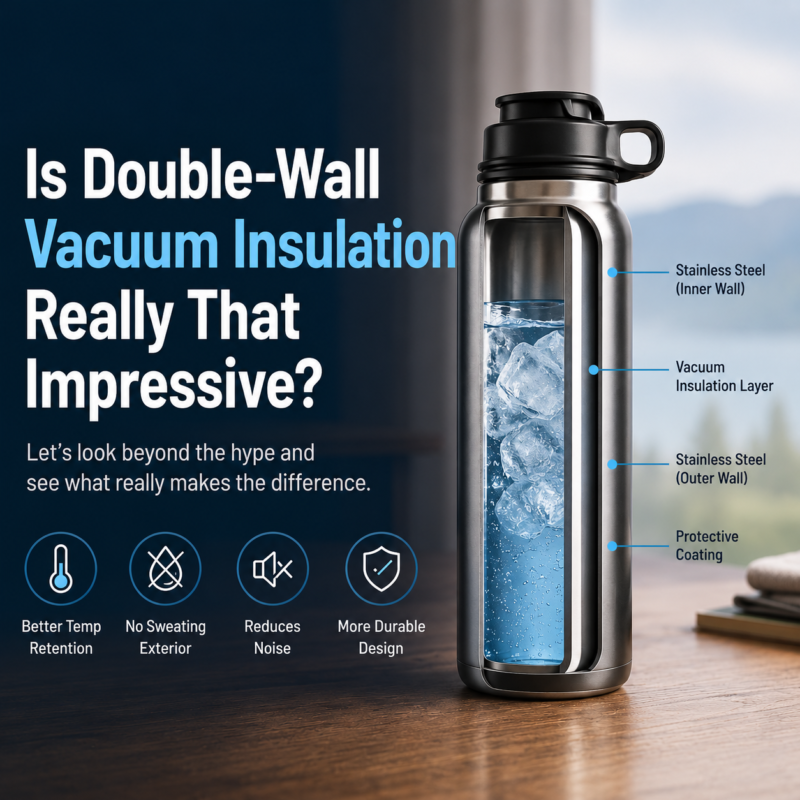
Is Double‑Wall Vacuum Insulation Really That Impressive?
Double‑wall vacuum insulation is standard in premium drinkware, but the difference between a bottle that performs and one that disappoints comes down to manufacturing quality. This guide explains how vacuum insulation works, sets realistic performance expectations, and gives B2B buyers a practical checklist for evaluating suppliers. Plus, why Jarrino’s strict quality standards ensure your custom bottles deliver on their promises.
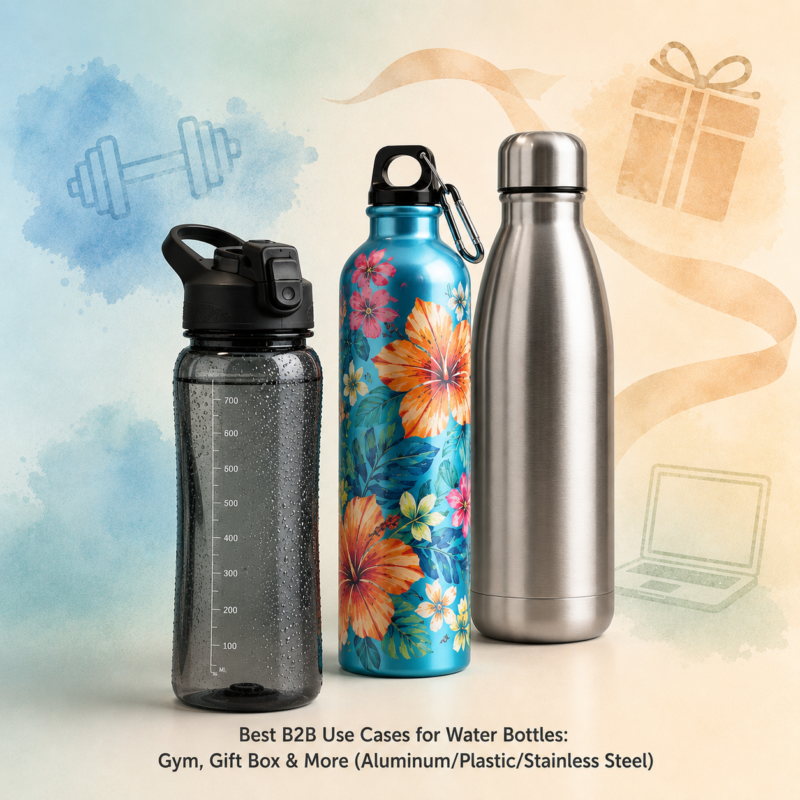
Best B2B Use Cases for Water Bottles: Gym, Gift Box & More (Aluminum/Plastic/Steel)
Not every water bottle fits every B2B use case. This article matches three materials — stainless steel, 알류미늄, plastic — to real‑world applications: gyms, corporate gift boxes, trade shows, outdoor retail, and school programs. Stainless steel wins on durability and insulation. Aluminum offers lightweight, full‑color branding. Plastic is budget‑friendly for high‑volume events (provided it’s BPA‑free). A quick cheat sheet helps B2B buyers balance cost, brand image, and user expectations.