소싱하는 경우 titanium water bottlesfor your brand, you’ve probably asked: are titanium water bottles safe?And if they are, why isn’t everyone using them?
The short answer: yes, titanium water bottles are among the safest drinkware options available.But safety is only part of the story. For B2B buyers, the real question is whether titanium makes sense for your brand, your customers, and your budget.
This guide covers everything you need to know abouttitanium water bottle 안전, how it compares to stainless steel and aluminum, and whether titanium is the right choice for your product line.
What Is a Titanium Water Bottle?
Atitanium bottleis a drinking vessel made primarily from commercially pure titanium or titanium alloys. Unlike stainless steel or aluminum, titanium is abiocompatible metal— meaning it does not react with the human body or with food and beverages.
Titanium drinking bottlesare prized for three key characteristics:
Extremely lightweight– about 45% lighter than stainless steel
Completely inert– no metallic taste, no chemical leaching
Highly corrosion‑resistant– titanium does not rust or degrade over time
These properties maketitanium water bottlespopular in outdoor, ultralight, and premium lifestyle segments. 하지만, they also come with a significant price premium.
Are Titanium Water Bottles Safe for Daily Use?
예. A titanium water bottle is one of the safest options on the market.
Here’s why:
No Chemical Leaching
Titanium is non‑toxic and does not react with beverages, even highly acidic ones like fruit juice or coffee. Unlike some plastics or coated aluminum, titanium does not require a liner to protect against corrosion. There is simply nothing to leach.
This makestitanium water bottlesa compelling choice for health‑conscious consumers and brands targeting safety‑focused audiences.
No Metallic Taste
Somemetal water bottles— particularly lower‑grade aluminum or stainless steel — can leave a slight metallic taste, especially with acidic or hot drinks. Atitanium water bottledoes not. The metal is completely inert, preserving the taste of the beverage without interference.
Medical‑Grade Material
Titanium is widely used in medical implants, surgical instruments, and aerospace applications. Its biocompatibility is well documented. If a material is safe enough to be implanted in the human body, it is certainly safe enough for drinking water.
No Coatings Required
Aluminum bottles often require internal epoxy or ceramic coatings to prevent corrosion. If these coatings degrade, they can leach into the beverage. Atitanium bottlerequires no coating. The metal itself is safe.
Titanium vacuum bottlesoffer the same safety advantages with the added benefit of thermal insulation — keeping drinks hot or cold for extended periods.
Titanium Water Bottles vs Stainless Steel vs Aluminum: A Practical Comparison
Understandingwhat are water bottles made ofhelps you evaluate whether titanium is the right choice for your brand.
재료
안전
무게
내구성
Cost
티탄
훌륭한 (no coating required)
Lightest
Very good
높은
스테인레스 스틸 (304/316)
훌륭한 (no coating required)
Medium
훌륭한
Medium
Aluminum
Requires coating; coating quality matters
Light
Moderate
Low
Titanium vs Stainless Steel
What are metal water bottles made ofis a common question, and the answer often comes down to titanium or stainless steel:
스테인레스 스틸offers the best combination of durability, 안전, and cost for most B2B applications. It is highly dent‑resistant, provides excellent thermal performance (12‑24 hours), and is widely accepted by customers.
티탄is lighter and more expensive. Atitanium thermos bottledoes not perform significantly better than a high‑quality stainless steel thermos in thermal retention — but it is noticeably lighter.
Aluminum Water Bottle vs Stainless Steel
When comparingaluminum water bottle vs stainless steel, the key difference is the coating requirement:
Aluminumis lightweight and inexpensive but relies on internal coatings for safety. If the coating is damaged, the bottle becomes unsafe.
스테인레스 스틸does not require a coating and is inherently safe. It is also more dent‑resistant and longer‑lasting.
What Are Metal Water Bottles Made Of?
Water bottle materialchoices typically fall into three categories: 티탄, 스테인레스 스틸, and aluminum. Stainless steel remains the most popular choice for B2B buyers due to its balance of quality, 안전, and cost.
What Makes Titanium Vacuum Bottles Unique?
Atitanium vacuum bottlecombines the lightweight benefits of titanium with double‑wall vacuum insulation. This combination creates a premium product that is both portable and functional.
하지만, from a B2B sourcing perspective, titanium vacuum bottles come with trade‑offs:
열 성능is comparable to stainless steel vacuum bottles, but at a significantly higher price.
Weight savingsof approximately 45% are meaningful for outdoor and travel applications.
내구성is good, but titanium can scratch more easily than powder‑coated stainless steel.
Titanium thermos 그리고 titanium thermos vacuum bottleproducts are best positioned in premium or ultralight market segments.
Is Titanium the Safest Water Bottle?
Among commonly availablemetal water bottles, titanium is often considered thesafest water bottleoption due to its inert nature and lack of coating requirements.
하지만, safety alone is rarely enough to justify the cost premium.
고려 사항
티탄
스테인레스 스틸
Aluminum
Inherently safe
예
예
아니요 (requires coating)
금속맛 없음
예
Usually
Often (without coating)
No coating needed
예
예
아니요
Proven longevity
예
예
Moderate
For most brands, 스테인레스 스틸offers similar safety with better durability and significantly lower cost. Titanium’s safety advantage is marginal — but its weight and price advantages are real for specific use cases.
Which Material Should You Choose for Your Brand?
The decision between titanium, 스테인레스 스틸, and aluminum depends on your target market and brand positioning.
Choose Titanium If:
Your brand targets premium, ultralight, or outdoor performance segments.
Weight is a critical selling point.
Your customers are willing to pay a significant premium for the material.
Choose Stainless Steel If:
You want the best balance of safety, 내구성, and cost.
You need proven thermal performance.
Your customers expect a durable, long‑lasting product.
Choose Aluminum If:
You are running a large‑volume promotional campaign.
Weight and cost are your primary constraints.
You trust your manufacturer to maintain high‑quality coating standards.
Why Jarrino?
~에 Jarrino, we specialize in custom stainless steel water bottles — not titanium, not aluminum. We choose stainless steel because it offers the best combination of safety, 내구성, and value for the majority of B2B buyers.
Food‑grade 304 그리고 316 스테인레스 스틸
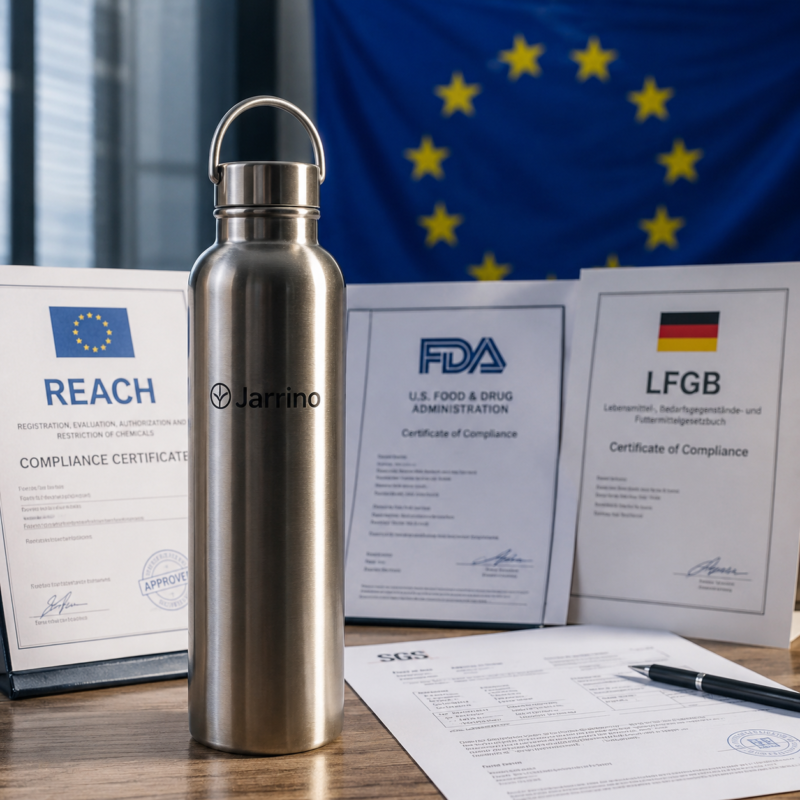
LFGB, FDA, BSCI, and ISO9001 certified
Full customization: 레이저 조각, 분체 도장, 맞춤 색상, 그리고 포장
유연한 MOQ: ~에서 200 조각들
We leave titanium to brands that need it. For everyone else, we make stainless steel that works.
This article covers the key safety and performance differences between titanium, 스테인레스 스틸, and aluminum water bottles. For specific product specifications and compliance requirements, please contact our team.
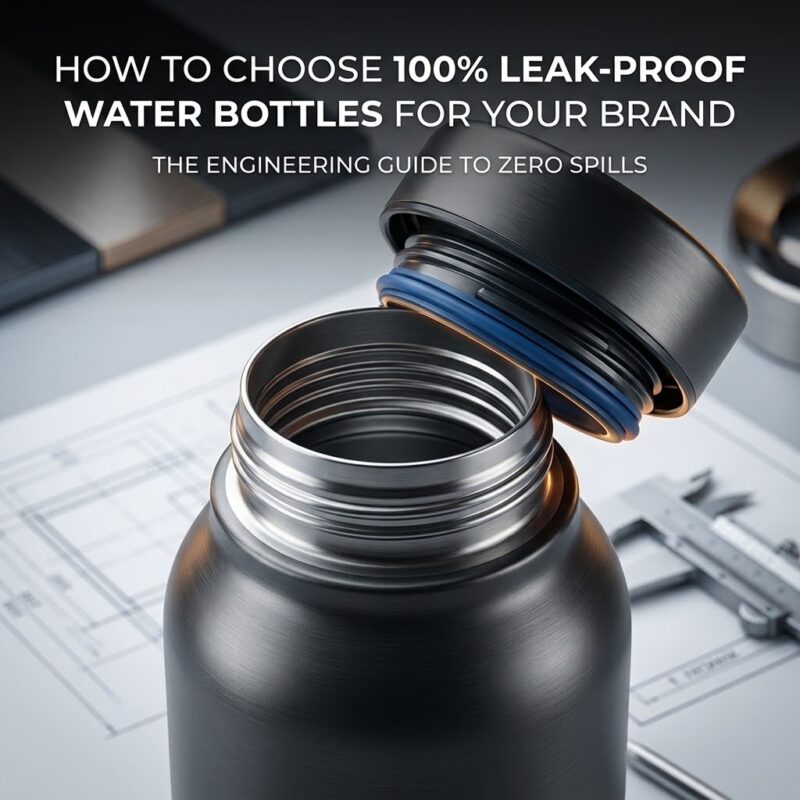
이 가이드는 음료 용기 브랜드가 제품을 선택하는 데 도움이 됩니다. 100% QC 테스트 및 뚜껑 엔지니어링을 분석하여 누출 방지 스테인레스 스틸 병. Jarrino와 같은 제조업체는 거꾸로 된 제품을 사용합니다., 흔들리는, 씰을 확인하기 위한 공기압 테스트. 기존 스크류 캡은 완벽한 누출 방지 기능을 제공합니다., 플립 뚜껑과 밀짚 모자를 잠그려면 정밀한 실리콘 개스킷이 필요합니다., CNC 스레드 정밀도, 누출을 방지하기 위한 일방향 공기 밸브.
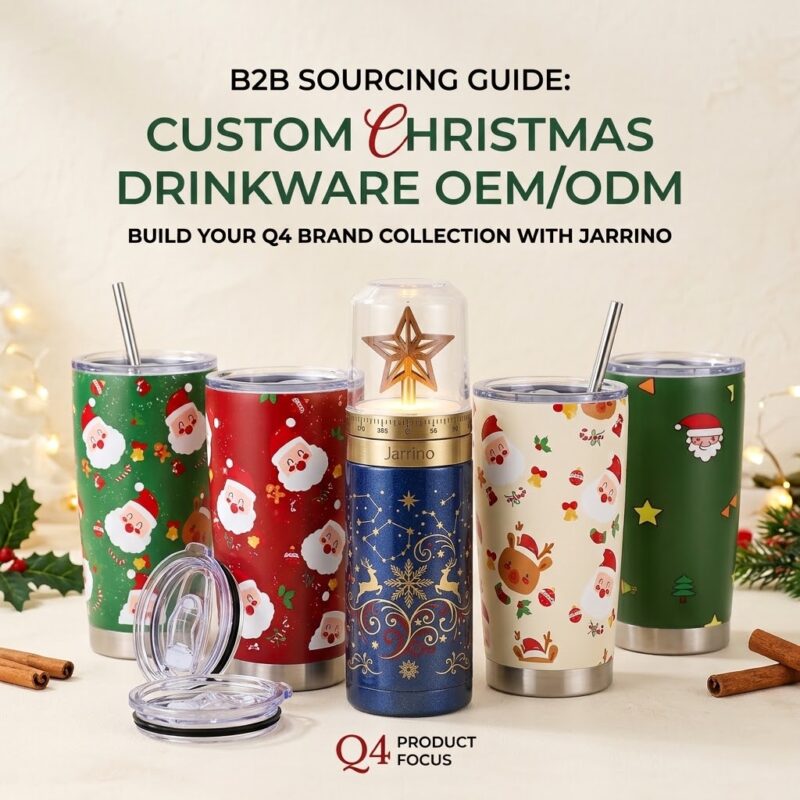
Jarrino는 맞춤형 진공 플라스크를 전문으로 하는 인증된 OEM/ODM 제조업체입니다., 세라믹 라이닝 텀블러, 티타늄 음료 용기. 4분기 맞춤형 크리스마스 주문의 리드 타임은 MOQ가 낮을 때 20~30일입니다. (300–1,000개) 완전한 FDA/LFGB 준수. 3D 디지털 프린팅을 포함한 엔드투엔드 맞춤형 서비스를 제공합니다., 레이저 조각, 그리고 맞춤형 크리스마스 선물 포장. 브랜드가 4분기 연휴 생산을 원활하게 진행할 수 있도록 요청 시 샘플 키트와 견적이 제공됩니다..
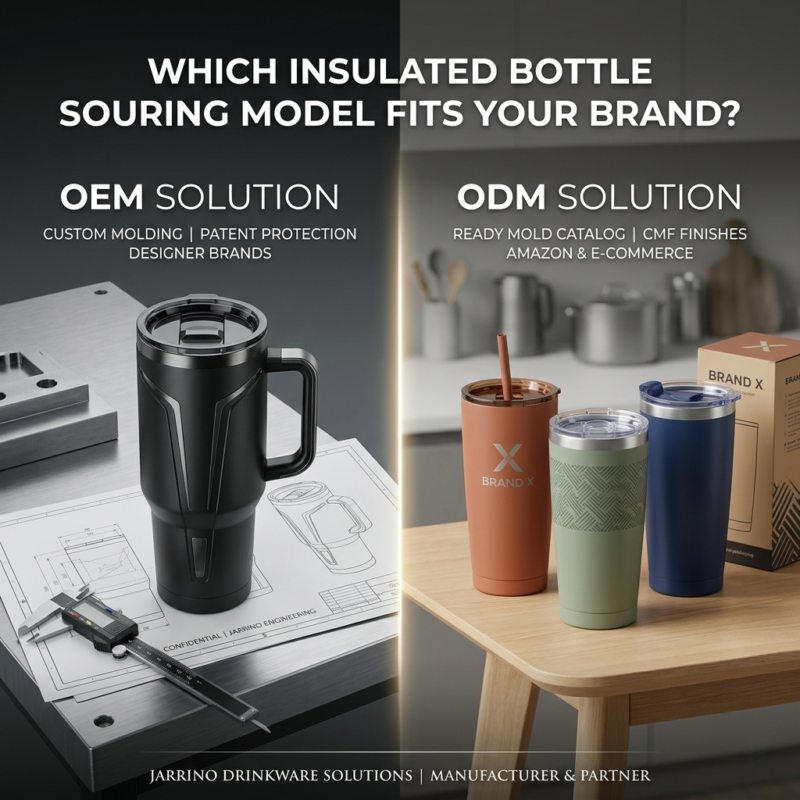
OEM 중에서 선택 (OEM 제조) 그리고 ODM (독창적인 디자인 제조) 귀하의 음료 용기 브랜드의 R을 정의합니다&D 예산, 출시 시간, 그리고 제품 독점성. OEM은 맞춤형 CAD 설계와 고유한 IP 요구 사항을 갖춘 기존 브랜드에 이상적입니다., 헌금 100% 맞춤형 성형 및 특허 보호. ODM은 Amazon 판매자를 위해 만들어졌습니다., DTC 스타트업, 툴링 비용 제로를 추구하는 기업 구매자, 낮은 MOQ, 고급 CMF 마감을 통한 신속한 제품 출시 (분체 도장, UV 인쇄).
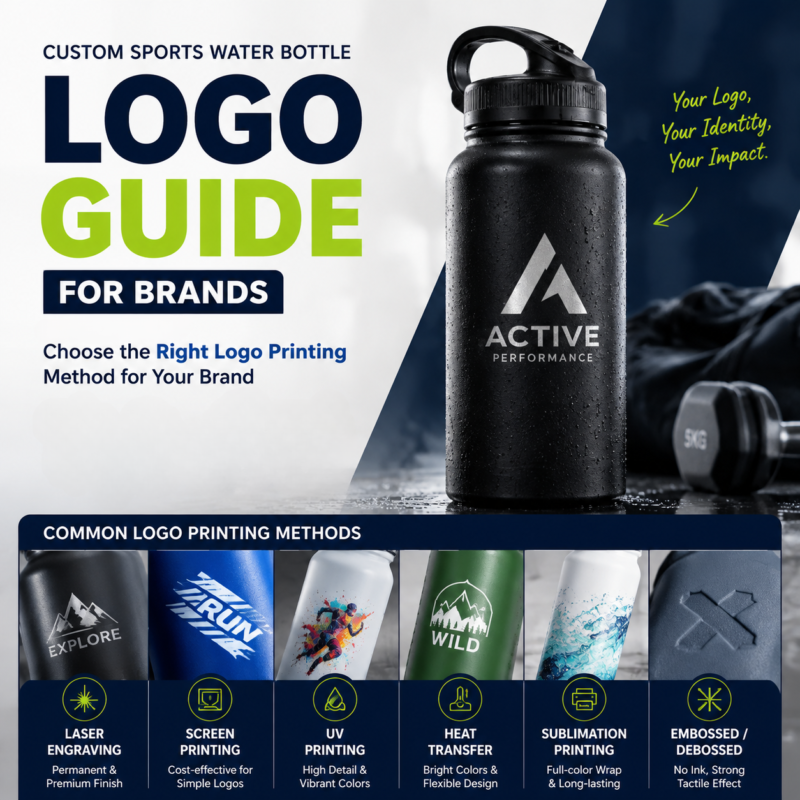
맞춤형 스포츠 물병 로고는 병 재질에 따라 다양한 장식 과정을 거쳐 제작됩니다., 브랜드 디자인, 및 성능 요구 사항. 이 가이드에서는 가장 일반적인 로고 인쇄 방법을 다룹니다., 레이저 각인을 포함해, 스크린 인쇄, UV 인쇄, 열 전달, 그리고 승화, 스포츠 브랜드가 내구성이 뛰어나고 전문적인 음료 용기 제품에 적합한 맞춤 옵션을 선택할 수 있도록 지원.
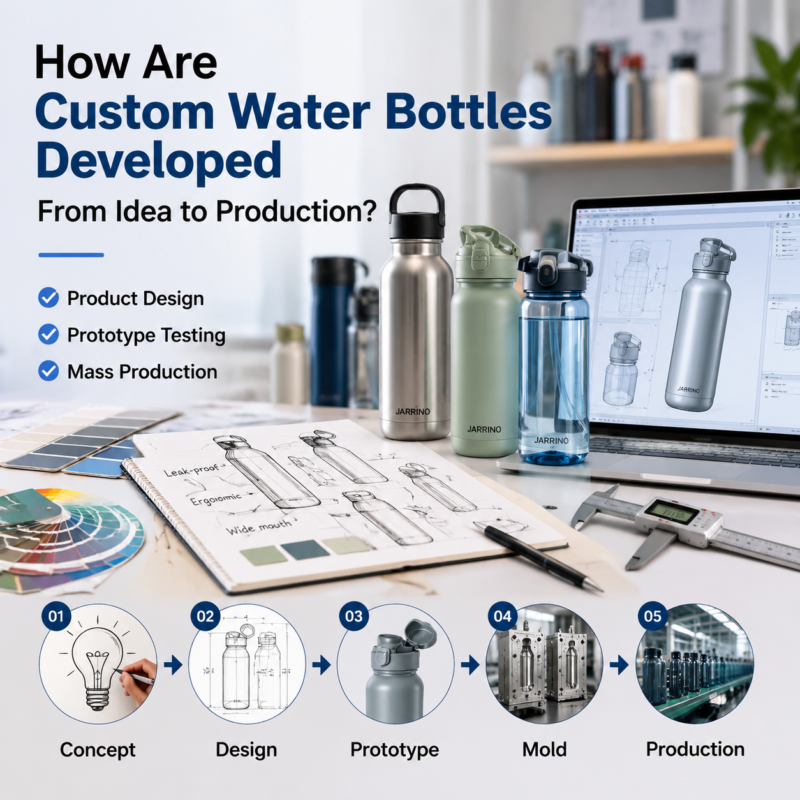
맞춤형 물병을 개발하려면 디자인을 선택하고 로고를 추가하는 것 이상이 필요합니다.. 초기 제품 컨셉부터 엔지니어링까지, 프로토타이핑, 금형 개발, 테스트, 그리고 대량생산, 모든 단계는 성공적인 음료 용기 제품을 만드는 데 중요한 역할을 합니다.. 이 가이드에서는 브랜드가 OEM 물병 제조업체와 협력하여 아이디어를 고품질로 전환하는 방법을 설명합니다., 시장에 바로 출시되는 제품과 디자인 관리, 비용, 그리고 생산 문제.
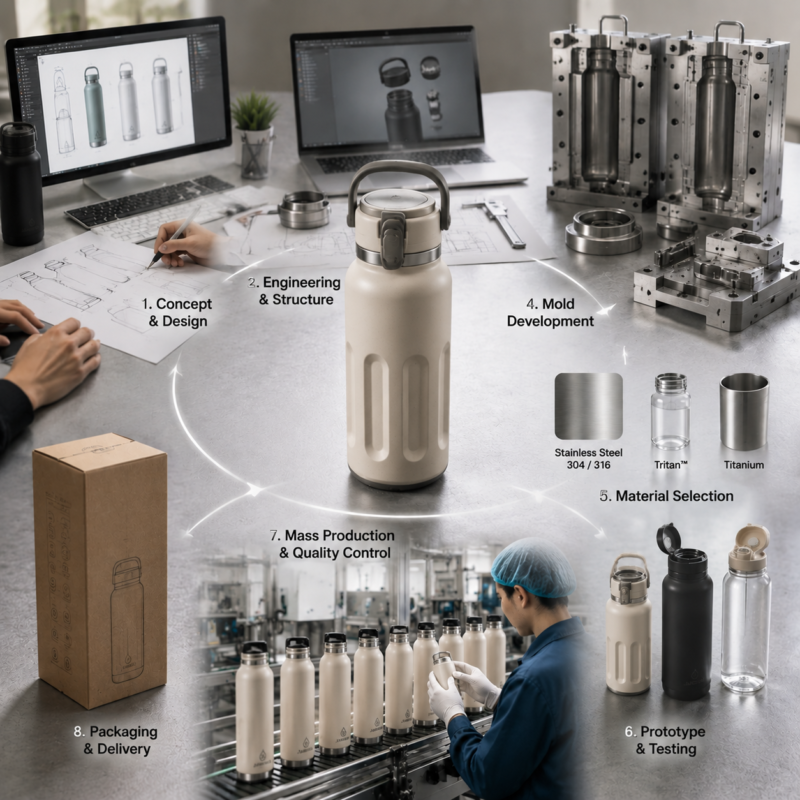
완전 맞춤형 물병을 개발하려면 기존 제품에 로고를 추가하는 것보다 훨씬 더 많은 것이 필요합니다.. 이 가이드에서는 브랜드가 제품 디자인을 통해 독특한 물병을 만드는 방법을 설명합니다., 공학, 재료 선택, 금형 개발, 프로토타입 테스트, 그리고 대량생산. 숙련된 OEM 물병 제조업체가 품질을 관리하면서 아이디어를 시장에 출시할 수 있는 제품으로 전환하는 데 어떻게 도움을 주는지 알아보세요., 비용, 생산 효율성.
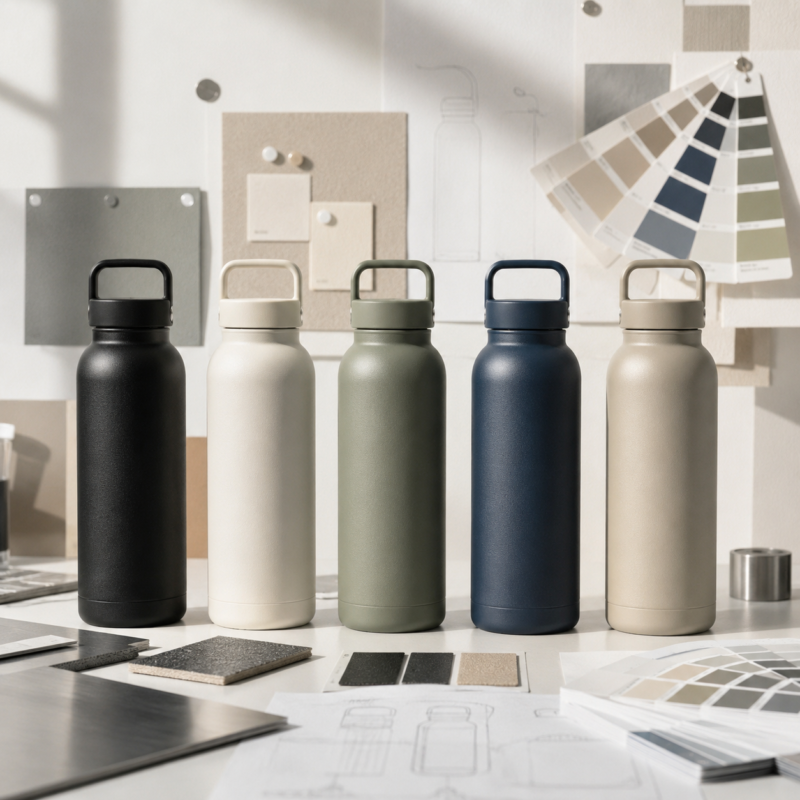
맞춤형 물병 컬렉션의 성공은 매력적인 색상 그 이상에 달려 있습니다.. 올바른 색상 팔레트 선택, 표면 마무리, 제조 전략은 브랜드 아이덴티티 강화에 도움이 됩니다., 고객 매력 향상, 그리고 장기적인 판매를 보장합니다. 이 가이드에서는 시장 선호도에 따라 색상을 선택하는 방법을 설명합니다., 무광택 마감과 유광 마감 비교, SKU 최적화, 전문적인 OEM 생산을 통해 일관된 품질을 실현합니다..
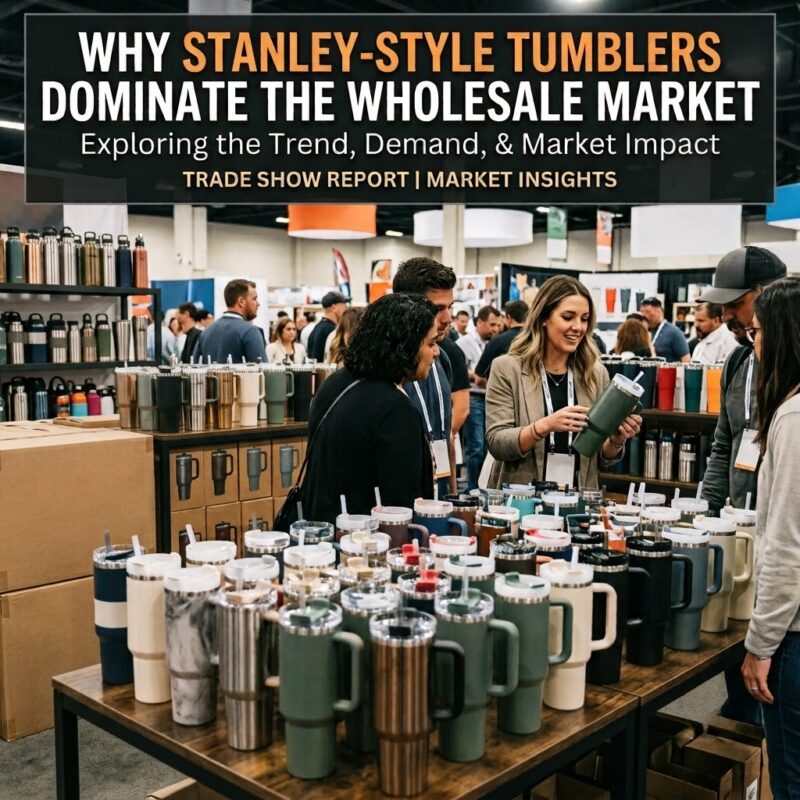
스탠리 스타일 텀블러는 문화 현상이자 도매 베스트셀러가 되었습니다.. 이 기사에서는 그 이유를 살펴봅니다. 18/8 높은 인식 가치를 제공하는 스테인리스 스틸 및 이중벽 진공 단열재, 맞춤화 가능성, 꾸준한 재주문 수요. 무엇이 이 텀블러를 믿을 수 있게 만드는지 알아보세요, 도매 구매자에게 유리한 카테고리.
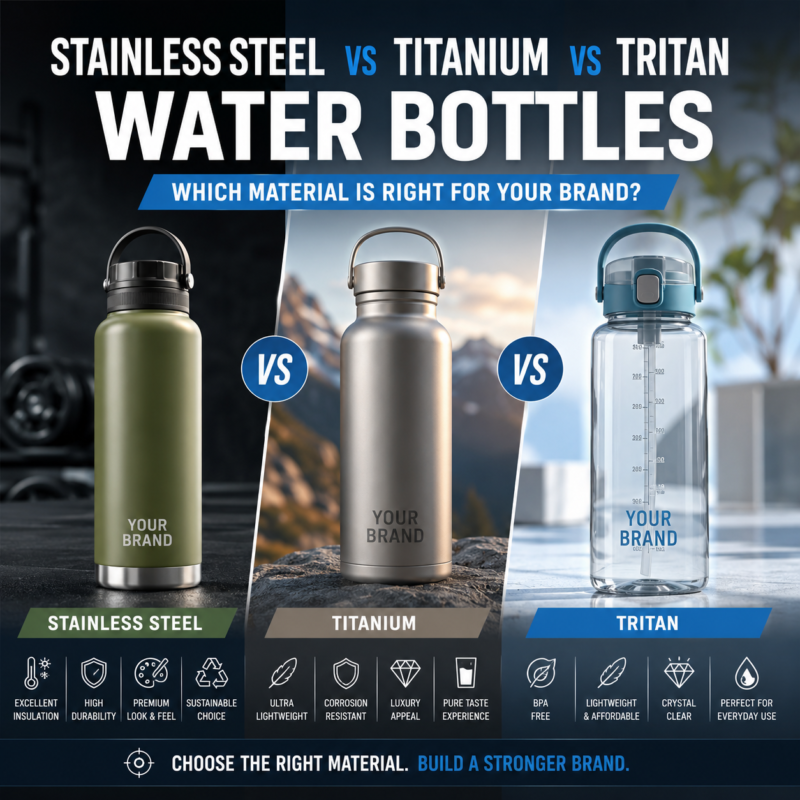
올바른 물병 소재를 선택하면 제품 품질에 큰 영향을 미칠 수 있습니다., 가격, 그리고 브랜드 포지셔닝. 이 가이드에서는 스테인레스 스틸을 비교합니다., 티탄, 내구성을 갖춘 트라이탄 물병, 격리, 비용, 맞춤화, 브랜드에 도움이 되는 지속가능성, 소매점, OEM 구매자는 목표 시장에 가장 적합한 재료를 선택합니다..
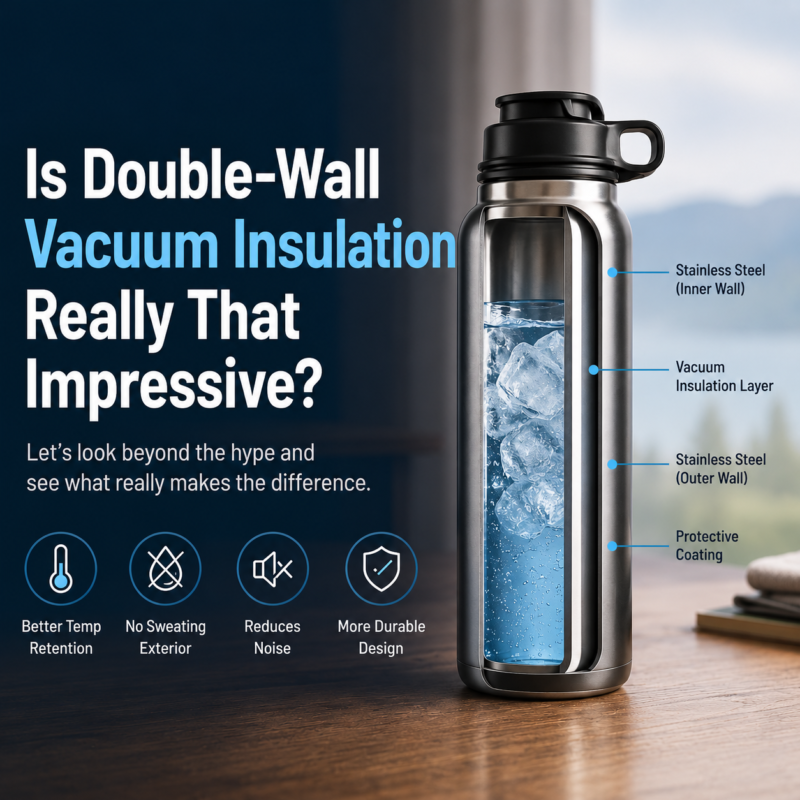
이중벽 진공 단열재는 프리미엄 음료 용기의 표준입니다., 하지만 성능이 뛰어난 병과 실망스러운 병의 차이는 제조 품질에 달려 있습니다.. 이 가이드에서는 진공 단열이 어떻게 작동하는지 설명합니다., 현실적인 성능 기대치를 설정합니다., B2B 구매자에게 공급업체 평가를 위한 실용적인 체크리스트를 제공합니다.. 을 더한, Jarrino의 엄격한 품질 표준이 귀하의 맞춤형 병이 약속을 이행하도록 보장하는 이유.
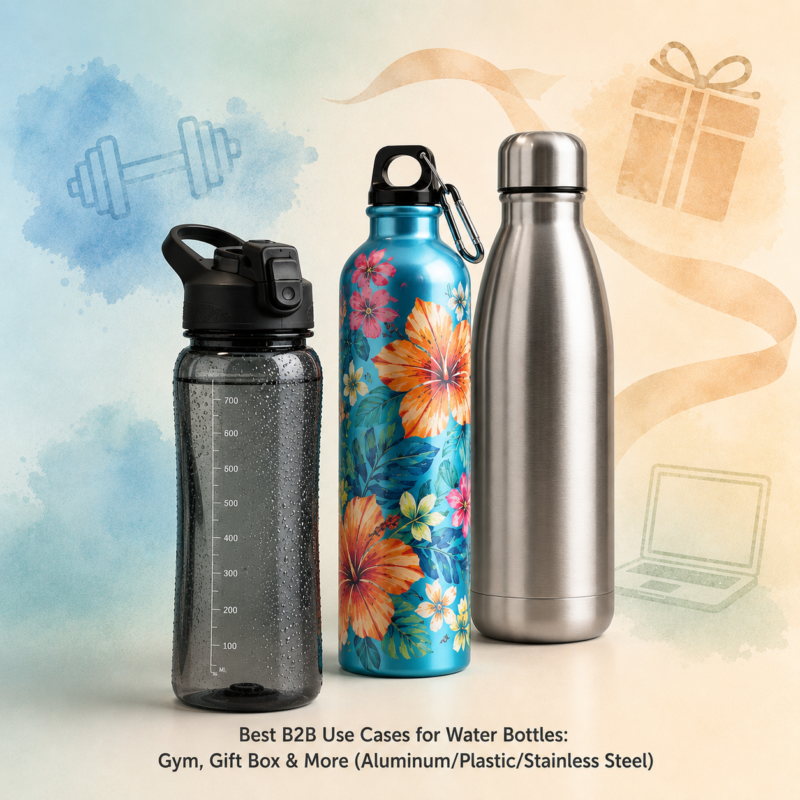
모든 물병이 모든 B2B 사용 사례에 적합한 것은 아닙니다.. 이 품목은 세 가지 재료, 즉 스테인리스 스틸과 일치합니다., 알류미늄, 플라스틱 - 실제 응용 분야까지: 체육관, 기업 선물 상자, 무역 박람회, 야외 소매, 그리고 학교 프로그램. 스테인레스 스틸이 내구성과 단열성을 높입니다.. 알루미늄은 경량성을 제공합니다., 풀 컬러 브랜딩. 플라스틱은 대규모 이벤트에 예산 친화적입니다. (BPA 프리인 경우). 빠른 치트 시트는 B2B 구매자가 비용 균형을 맞추는 데 도움이 됩니다., 브랜드 이미지, 그리고 사용자 기대.
최고의 경험을 제공하기 위해, 당사는 장치 정보를 저장 및/또는 액세스하기 위해 쿠키와 같은 기술을 사용합니다.. 이러한 기술에 동의하면 당사는 이 사이트의 탐색 행동이나 고유 ID와 같은 데이터를 처리할 수 있습니다.. 동의하지 않거나 동의를 철회하는 경우, 특정 특징 및 기능에 부정적인 영향을 미칠 수 있습니다..
기능성
항상 활성
가입자 또는 사용자가 명시적으로 요청한 특정 서비스의 이용을 가능하게 하는 적법한 목적을 위해 기술적 저장 또는 접근이 반드시 필요한 경우, 또는 전자 통신 네트워크를 통해 통신을 전송하기 위한 목적으로만 사용됩니다..
환경설정
가입자나 이용자가 요청하지 않은 기본 설정을 저장하는 적법한 목적을 위해 기술적 저장이나 접근이 필요한 경우.
통계
통계 목적으로만 사용되는 기술적 저장 또는 액세스.익명 통계 목적으로만 사용되는 기술적 저장 또는 액세스. 소환장 없이, 인터넷 서비스 제공업체의 자발적인 준수, 또는 제3자의 추가 기록, 이러한 목적으로 저장되거나 검색된 정보만으로는 일반적으로 귀하를 식별하는 데 사용할 수 없습니다..
마케팅
광고 전송을 위한 사용자 프로필 생성을 위해 기술적 저장 또는 접근권한이 필요합니다., 또는 유사한 마케팅 목적으로 웹사이트나 여러 웹사이트에서 사용자를 추적하기 위해.