From Product Concept and Mold Development to Mass Production
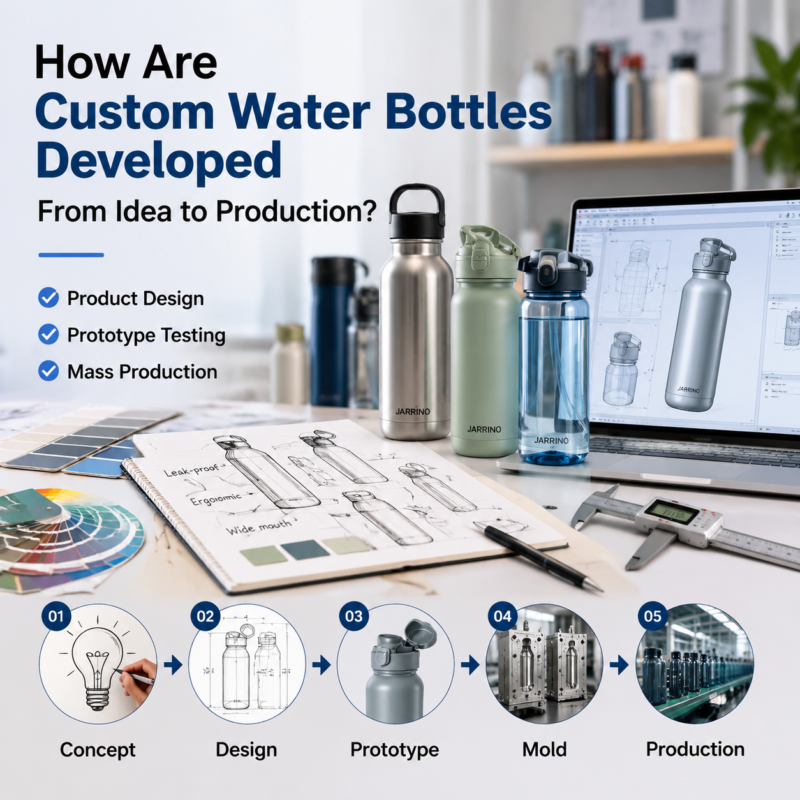
A fully custom water bottle is not created by simply adding a logo to an existing product. A truly custom bottle requires a complete product development process that transforms an idea into a manufacturable product.
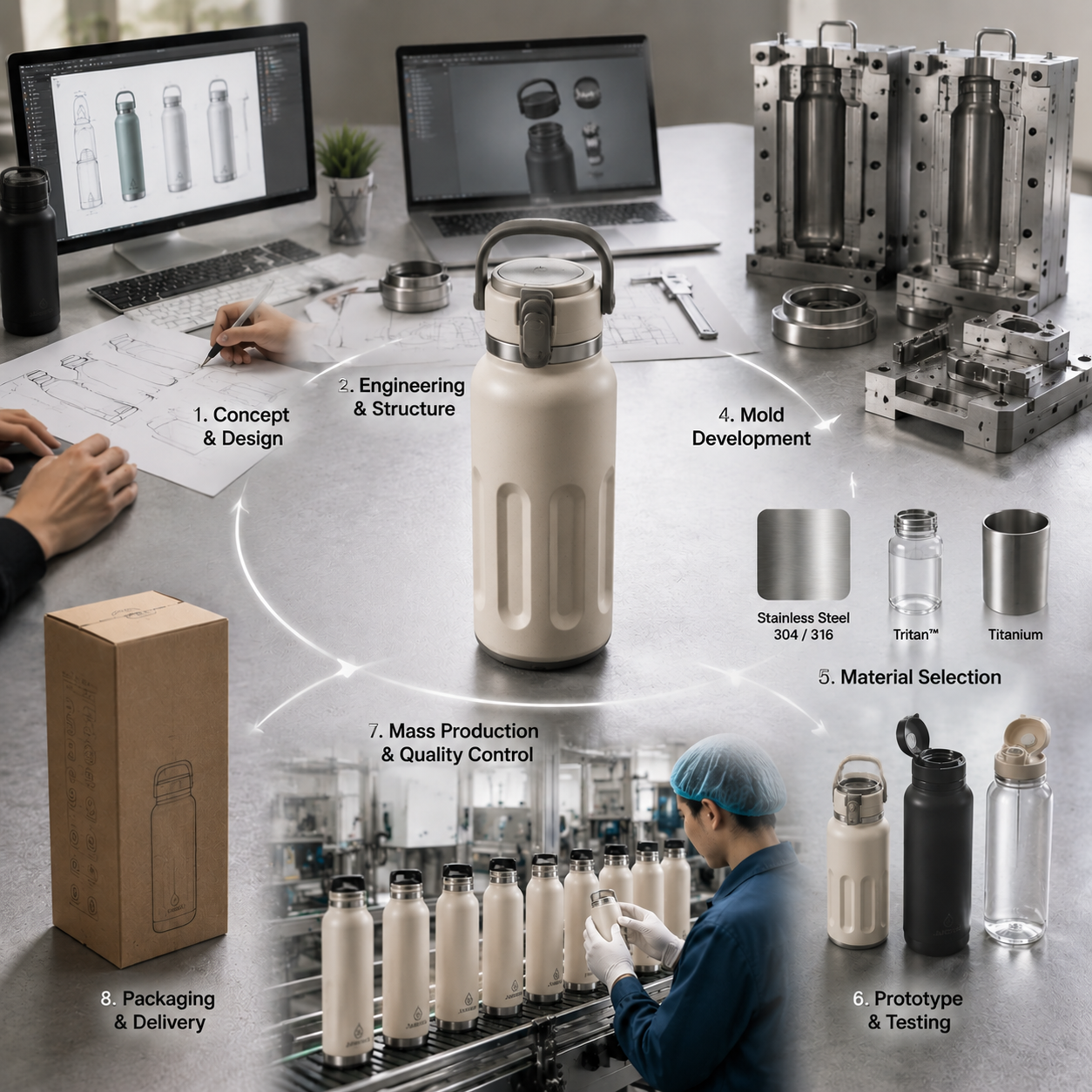
For brands looking to create their own unique drinkware, the journey usually involves product design, 공학, 재료 선택, 프로토타입 테스트, 금형 개발, quality inspection, 그리고 대량생산.
Choosing the right custom water bottle manufacturer is critical because the manufacturing partner directly affects product quality, development efficiency, 생산비, and long-term scalability.
Jarrino에서, we help startups, 소매점, 유통업체, and established brands develop custom water bottles from concept to production. Whether a brand needs a completely new bottle design or a customized existing platform, our team supports every stage of the development process.
This guide explains how fully custom water bottles are designed, developed, and manufactured.
What Is a Fully Custom Water Bottle?
A fully custom water bottle is a product developed according to a brand’s unique requirements rather than a standard factory design.
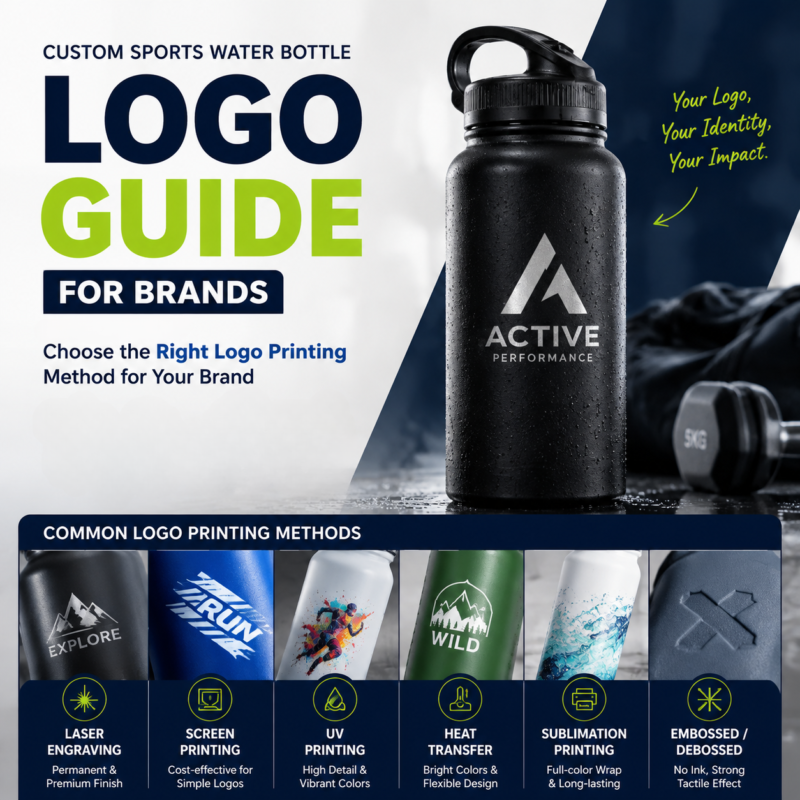
Unlike basic customization, which usually includes logo printing or color changes, a fully custom project allows brands to control almost every aspect of the product.
A fully custom water bottle may include:
- Original bottle shape
- Custom size and capacity
- Unique lid design
- Special functional features
- Custom accessories
- Exclusive surface finishes
- Custom packaging
예를 들어, a brand may want to develop:
- A premium insulated bottle for outdoor users
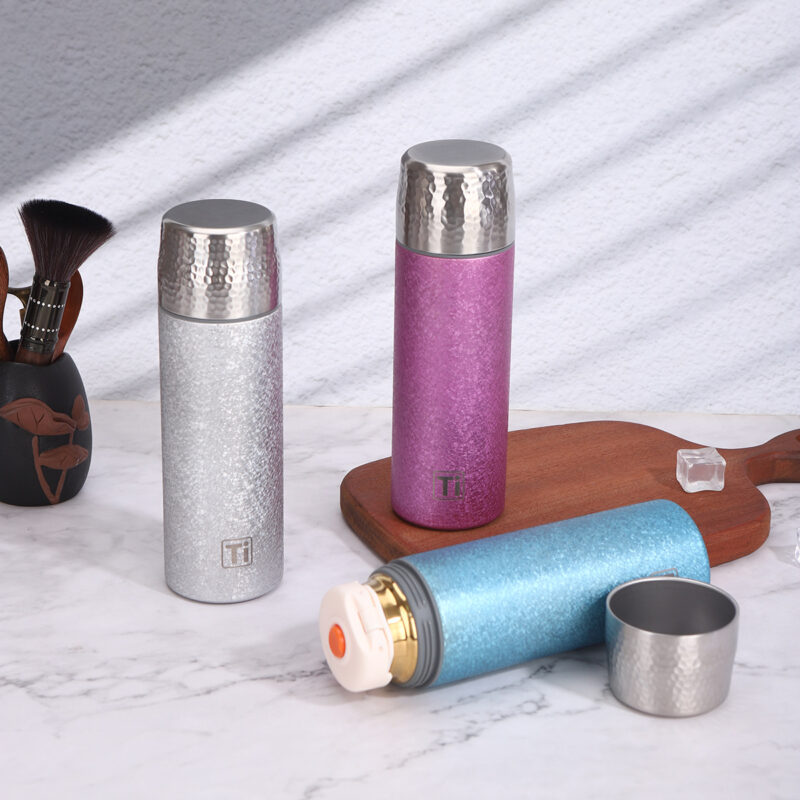
- A lightweight titanium bottle for adventure markets
- A children’s bottle with a special safety lid
- A branded corporate gift bottle with a unique design
These projects require deeper cooperation between the brand and the OEM manufacturer.
Step 1: Product Concept and Design Development
Every custom water bottle begins with an idea.
Before manufacturing starts, brands need to define the product concept:
- Who is the target customer?
- What problem does the bottle solve?
- What capacity is required?
- What material is suitable?
- What price range is expected?
- What features make the product different?
A professional manufacturer helps evaluate whether the idea can be produced efficiently.
예를 들어:
A sports brand may prioritize:
- Lightweight design
- Easy carrying
- 내구성
- Large capacity
A premium lifestyle brand may focus on:
- Unique appearance
- High-end finishes
- Premium materials
A children’s bottle brand may require:
- Safe materials
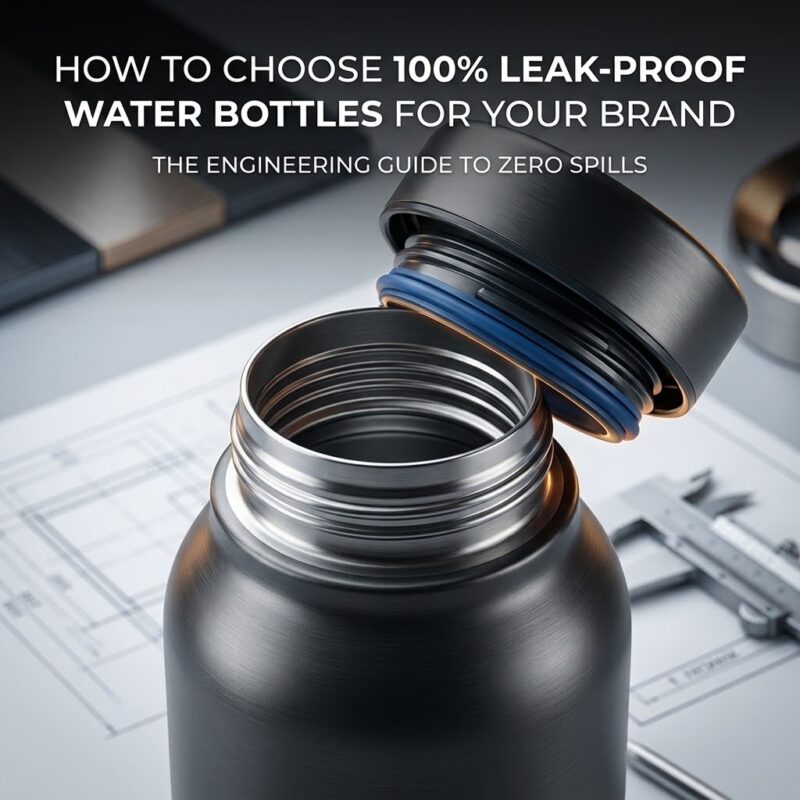
- Leak-proof structure
- Easy cleaning
The design stage determines the foundation of the entire project.
Step 2: Industrial Design and Engineering
After the product concept is confirmed, the next step is converting the idea into a production-ready design.
This includes two important areas:
산업 디자인
Industrial designers focus on:
- Bottle appearance
- Shape
- Proportion
- User experience
- Brand identity
A good design should not only look attractive but also consider manufacturing limitations.
Engineering Development
Engineering teams evaluate:
- Product structure
- Wall thickness
- Lid mechanism
- Assembly method
- Manufacturing feasibility
A common mistake for new brands is designing a product that looks impressive but is difficult or expensive to manufacture.
An experienced OEM partner helps optimize the design before moving into tooling.
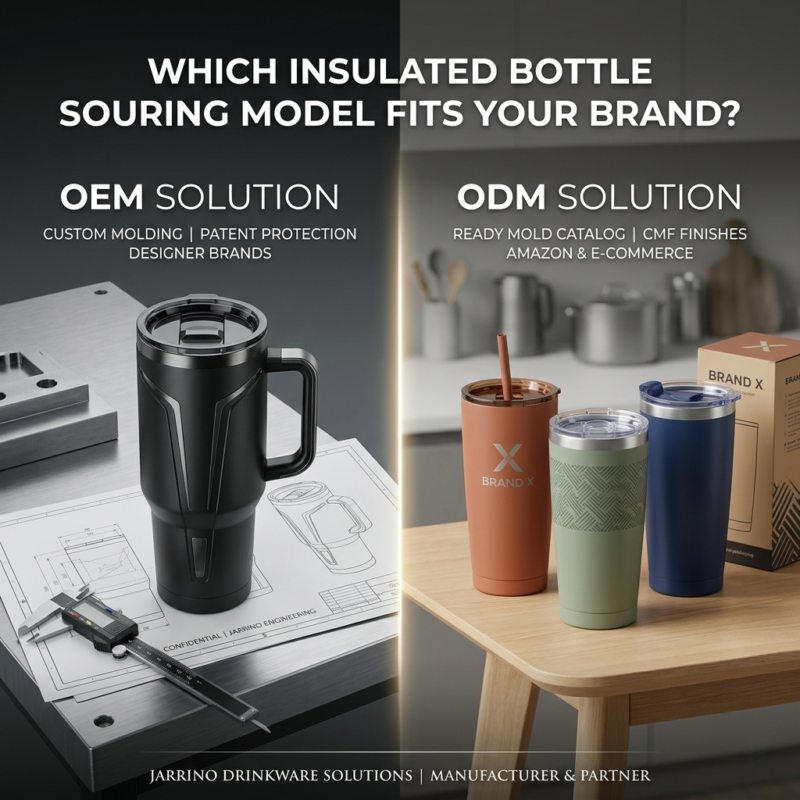
Step 3: Do Fully Custom Water Bottles Need New Molds?
One of the most common questions from brands is:
Do I need a new mold for my custom water bottle?
The answer depends on the level of customization.
When a New Mold Is Not Required
A new mold may not be necessary if you only need:
- Logo customization
- Color changes
- Packaging customization
- Surface finishing changes
Using an existing bottle platform can help brands:
- Reduce development costs
- Shorten launch time
- Test market demand
When a New Mold Is Required
A new mold is usually needed for:
- Completely new bottle shapes
- Custom dimensions
- Unique lid structures
- Exclusive product designs
- Special functions
For brands that want a truly differentiated product, mold development is often the key step.
Step 4: Mold Development for Custom Water Bottles
Mold development is one of the most important stages in creating a fully custom water bottle.
The mold determines:
- Product shape
- Dimensional accuracy
- Production efficiency
- Product consistency
The typical mold development process includes:
1. 3D Design Confirmation
Engineers create detailed drawings and 3D models based on the approved design.
The team reviews:
- Dimensions
- Structure
- Material requirements
- Production methods
before creating the mold.
2. Mold Manufacturing
After design approval, the mold is manufactured using precision processing.
The mold complexity depends on:
- Bottle structure
- 재료
- Number of components
- Production method
For stainless steel insulated bottles, tooling may involve:
- Bottle forming
- Neck shaping
- Bottom structure
- Lid components
For Tritan or plastic bottles, tooling may involve:
- Injection molds
- Blow molds
- Cap molds
3. Mold Testing and Optimization
Before mass production, manufacturers conduct trial production.
The product is checked for:
- Size accuracy
- Appearance
- Assembly performance
- Functionality
Any necessary adjustments are completed before final production.
This stage helps avoid expensive problems during mass manufacturing.
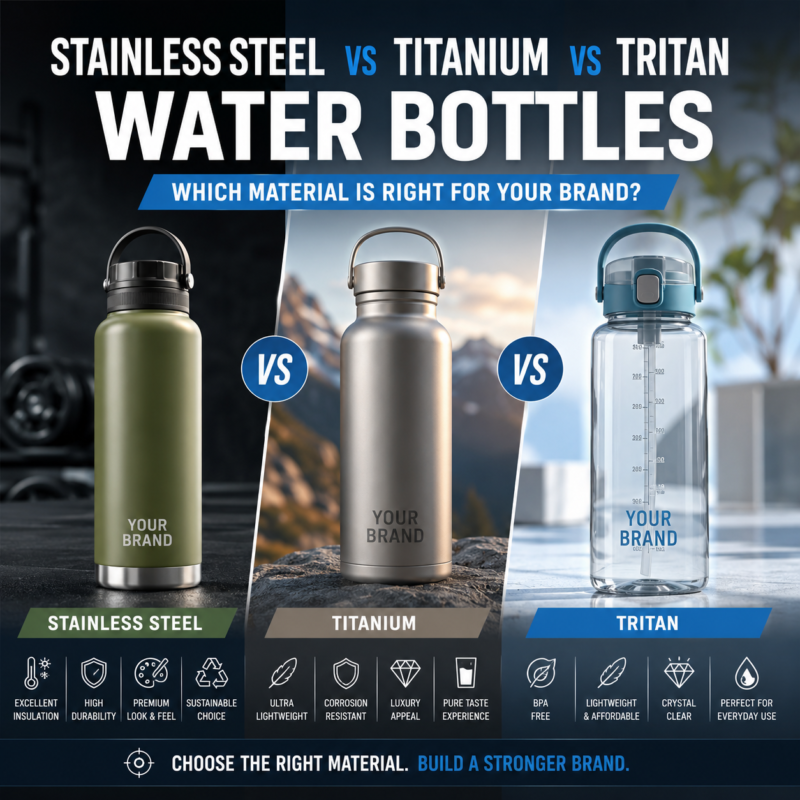
Step 5: Material Selection for Custom Water Bottles
Material selection affects product performance, customer experience, 그리고 브랜드 포지셔닝.
Common materials include:
스테인레스 스틸
The most popular choice for premium insulated drinkware.
장점:
- 튼튼한
- Food-safe
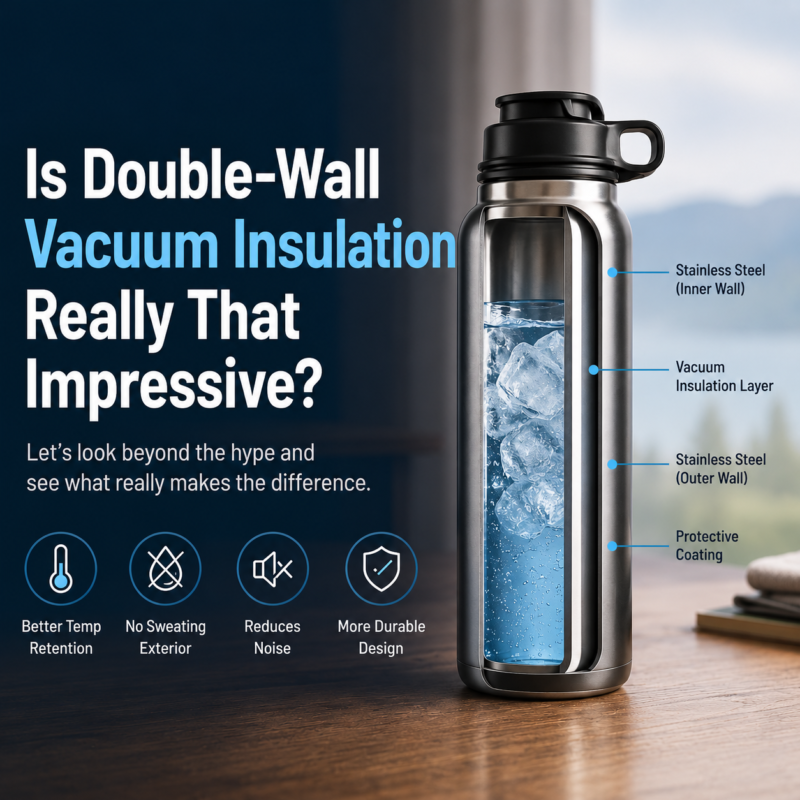
- Excellent insulation capability
- Long service life
304 stainless steel is widely used for:
- 텀블러
- Travel mugs
- Vacuum bottles
316 stainless steel is often selected for premium products requiring higher corrosion resistance.
트라이탄™
Tritan™ is commonly used for lightweight reusable bottles.
장점:
- BPA 프리
- Transparent appearance
- Impact resistance
- 가벼운 중량
It is popular for:
- Sports bottles
- Fitness products
- Children’s bottles
티탄
Titanium is a premium material used by brands targeting:
- Outdoor enthusiasts
- Adventure users
- High-end customers
장점:
- Extremely lightweight
- Corrosion resistant
- Premium positioning
Step 6: Prototype Testing Before Mass Production
Before large-scale production, professional manufacturers create samples for testing.
Prototype approval allows brands to confirm:
- Product appearance
- Dimensions
- Function
- Material performance
- User experience
Testing may include:
- Leak testing
- Lid function testing
- Surface inspection
- Insulation testing
Sample approval is an important step because it reduces production risks before large investment.
Step 7: Mass Production and Quality Control
Once the final sample is approved, production begins.
A professional custom water bottle manufacturer manages multiple stages:
Production Preparation
Including:
- Material inspection
- Production scheduling
- Manufacturing setup
조작
Depending on the product type:
Stainless steel bottles may involve:
- Forming
- Welding
- Vacuum insulation
- Surface finishing
- Assembly
Plastic bottles may involve:
- 주입 성형
- Blow molding
- Assembly
품질 검사
Quality checks include:
- Appearance inspection
- Leak testing
- Function testing
- Packaging inspection
Consistent quality control ensures every production batch meets brand requirements.
Frequently Asked Questions About Fully Custom Water Bottles
How long does it take to develop a fully custom water bottle?
A fully custom project usually takes longer than standard customization because it may involve design, 공학, 금형 개발, and testing.
The timeline depends on product complexity and production requirements.
Is creating a new mold expensive?
Mold costs depend on:
- Product design
- 재료
- Complexity
- Number of components
An experienced manufacturer can help optimize the design to control tooling investment.
Can startups develop fully custom water bottles?
예.
Many startups begin with existing platforms and move to fully custom products after validating market demand.
This approach reduces risk while allowing long-term product development.
Why Choose Jarrino for Fully Custom Water Bottle Development?
Developing a successful custom water bottle requires more than manufacturing capacity.
Brands need a partner with experience in:
- Product development
- Material selection
- Mold development
- Manufacturing processes
- Quality control
Jarrino에서, we support brands from the first product idea to final production.
Our goal is to help businesses create unique drinkware products that are practical, 믿을 수 있는, and ready for global markets.
Whether you are developing your first custom bottle or expanding an existing product line, Jarrino provides OEM and ODM solutions designed around your business goals.
Start Your Fully Custom Water Bottle Project
Every successful product starts with a clear idea and the right manufacturing partner.
If you are planning to develop a fully custom water bottle, Jarrino can help you evaluate materials, improve product designs, develop prototypes, manage tooling, and achieve reliable mass production.
Contact Jarrino today to discuss your next custom drinkware project.