
Los mejores casos de uso B2B para botellas de agua: Gimnasia, Caja de regalo & Más (Aluminio/Plástico/Acero)
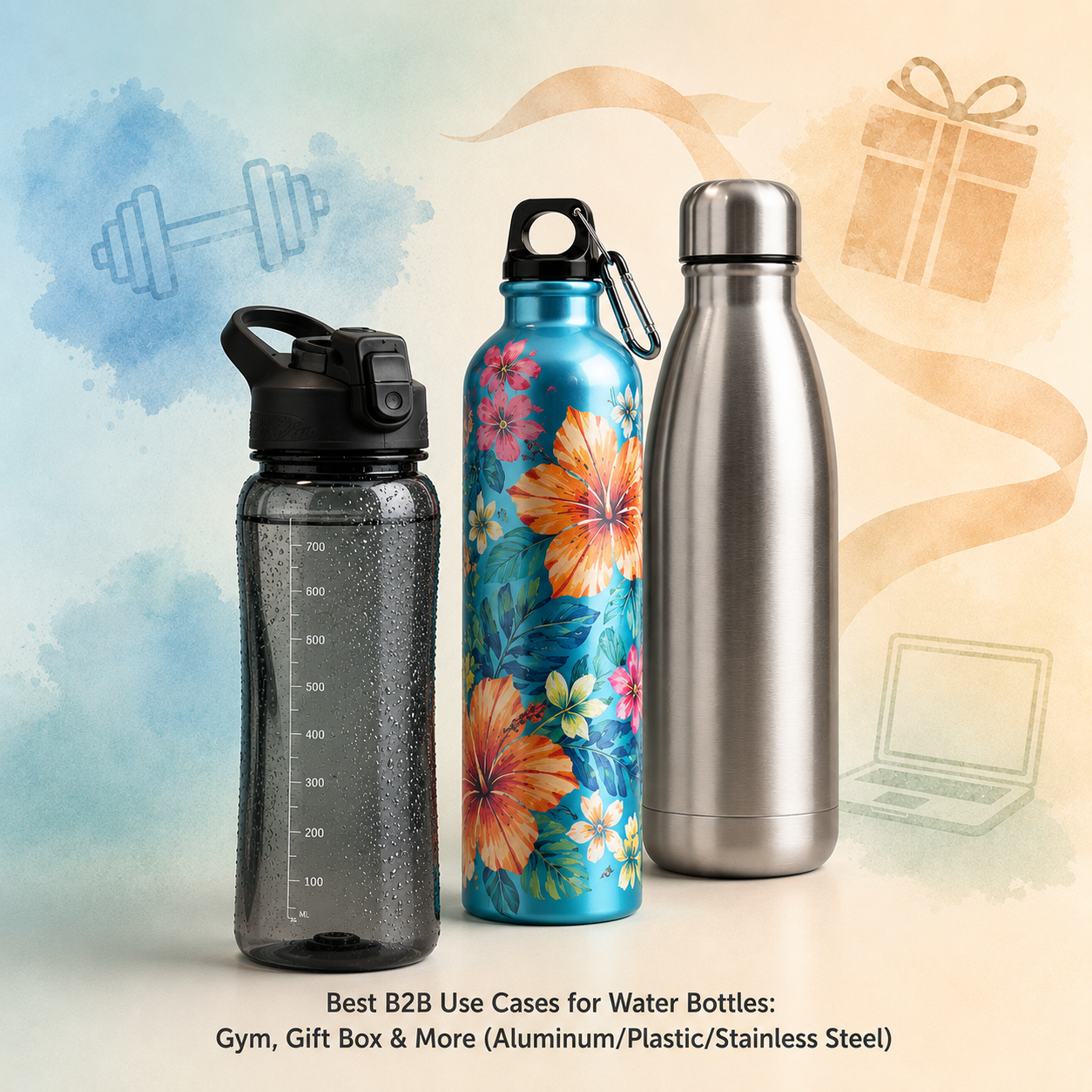
Tabla de contenido
If you’re sourcing water bottles for a B2B project, you’ve probably noticed the material choice alone can be overwhelming. Aluminum, plástico, stainless steel – each has its own personality, cost structure, and ideal home. And the truth is, there’s no universal “best” material. There’s only what fits your customer’s real use case.
Over the years working with corporate buyers, promotional distributors, and brand owners, I’ve seen the same question pop up again and again: “Which bottle should I put in my gym welcome kit, my holiday gift box, or my outdoor event swag bag?"
Let’s walk through the most common B2B scenarios – from sweaty gym floors to polished gift boxes – and match them with the material that actually makes sense.
1. The Gym & Fitness Center – Stainless Steel (Mostly)
Gyms hand out water bottles like coffee shops hand out loyalty cards. But not all gym bottles are created equal.
Think about the environment: high humidity, constant dropping on rubber floors, people expecting cold water after a hard workout. Plastic bottles feel cheap to regular gym-goers. Aluminum dents easily when knocked off a treadmill.
Acero inoxidable – specifically double‑wall vacuum insulated – has become the unofficial standard for mid‑tier and premium gyms. Here’s why:
-
- It keeps water cold for hours, even in a hot yoga studio.
-
- It survives drops without deforming.
-
- The premium feel signals “we care about quality” to members.
That said, budget gyms or high‑volume fitness events (like a charity run) still use plastic. But if your client wants retention and repeat brand exposure, stainless steel wins.
Pro tip for B2B buyers ordering for gyms: Go for 500‑750ml capacity, and choose a powder‑coated finish. Sweaty hands slip on bare stainless steel. También, wide mouths are easier to clean – gym staff will thank you later.
2. Corporate Gift Boxes – Aluminum & Acero inoxidable
Corporate gifting is a different beast. Here, it’s not about durability under physical stress. It’s about unboxing experience, aesthetics, and perceived value.
When a company puts a water bottle inside a holiday gift box or a client welcome package, they want something that looks good on a desk, not something that screams “survival gear.”
Aluminum shines here – literally. It takes vibrant sublimation printing beautifully, so you can wrap a full‑color logo or an artistic pattern around the bottle. And aluminum feels lighter and more refined in hand than stainless steel, which can feel a bit industrial.
But there’s a catch: aluminum bottles need an internal liner. For corporate gifts, always request BPA‑free liner certification. No one wants to gift a bottle with questionable coating.
Acero inoxidable also works for premium gift boxes – especially if the brand wants to emphasize sustainability and long‑term use. A sleek, minimalist stainless bottle with a laser‑engraved logo says “this is built to last.” It’s a different message: not flashy, but solid.
Plástico? Generally a no for corporate gift boxes unless the budget is extremely tight or the brand is specifically targeting a young, casual vibe.
Real example: A tech company once ordered 2,000 aluminum bottles for their developer conference swag bags. They did a full‑wrap galaxy print. People actually kept and used them for years. That’s the power of matching material to context.
3. Promotional Events & Trade Shows – Plastic (Sometimes Aluminum)
Trade show freebies have one job: get picked up, carried around the expo floor, and maybe used a few times after the event. The per‑unit budget is usually small.
Plástico dominates here. It’s cheap, ligero, and easy to print with a single‑color logo. You can order thousands without blowing the marketing budget. And if someone leaves it on a conference room table, it’s not a big loss.
That said, plastic is losing favor among eco‑conscious event organizers. More trade shows now require “sustainable giveaways.”
So what’s the alternative? Entry‑level aluminum. It’s still affordable (more than plastic but less than stainless steel), fully recyclable, and looks more premium. An aluminum bottle with a simple screen‑printed logo can feel like a thoughtful gift instead of another piece of event trash.
Avoid stainless steel for large‑scale promotional events unless the brand is luxury or the event is high‑ticket. The unit cost is hard to justify for tens of thousands of attendees.
4. Exterior & Adventure Retail – Stainless Steel (Heavy‑Duty)
If your customer is an outdoor gear brand, a camping retailer, or a hiking tour operator, they need bottles that can take a beating.
Acero inoxidable – specifically 304 o 316 grade with double‑wall vacuum insulation – is the only real option. Por qué?
-
- It insulates: hot coffee on a cold trail, cold water in summer heat.
-
- It resists rust and corrosion from rain, mud, and sweat.
-
- It doesn’t crack when strapped to a backpack and dropped on a rock.
Plastic and aluminum can’t match that performance. Plastic cracks in freezing temperatures. Aluminum dents easily and its liner can fail under rough use.
For outdoor B2B orders, also consider capacity: 1L or even 1.5L bottles are popular. And always offer a carabiner or a robust handle – outdoor users love attachment points.
5. School & Camp Programs – Plastic (with caveats)
Schools, summer camps, and youth sports leagues need water bottles in bulk. The key requirements: bajo costo, ligero, and child‑safe.
Plástico is the practical choice here. Kids lose bottles, trade them, and drop them constantly. You don’t want to hand a 10‑year‑old a $20 botella de acero inoxidable.
But – and this is important – the plastic must be BPA‑free and preferably Tritan or similar. Don’t cheap out to the point of using low‑grade polycarbonate. Schools increasingly demand safety documentation.
Some premium camps are switching to aluminio as a middle ground. It’s more durable than plastic, still light, and can be printed with camp logos or cabin names. The liner is the only question mark – for kids, double‑check that the coating is truly safe and non‑leaching.
Stainless steel is overkill for most school programs, unless it’s a private academy with a budget to match.
6. Retail Shelves – All Three, But Different Aisles
If you’re supplying bottles to retailers, the material dictates which shelf you belong on.
-
- Plástico bottles live in the budget sports aisle, dollar stores, and seasonal sections. They sell on price and impulse.
-
- Aluminum bottles sit in the “lifestyle” or “eco‑friendly” section – think Urban Outfitters, museum gift shops, or airport convenience stores. They attract customers who want something colorful and Instagrammable.
-
- Acero inoxidable owns the outdoor, fitness, and premium kitchenware aisles (REI, Dick’s Sporting Goods, Williams‑Sonoma). These customers are willing to pay $20–$40 for a bottle they’ll use for years.
If you’re a B2B supplier, understand your retail client’s target customer. Don’t push stainless steel to a discount retailer. Don’t offer plastic to a premium outdoor brand. Match the material to the shelf price and shopper expectation.
A Quick Cheat Sheet for B2B Buyers
| Guión | Best Material | Por qué |
|---|---|---|
| Gym welcome kit (mid‑tier) | Acero inoxidable | Aislamiento, durabilidad, perceived value |
| Corporate holiday gift | Aluminum or Stainless steel | Aesthetics & unboxing experience |
| Trade show giveaway (high volume) | Plastic or entry‑level aluminum | Low cost, ligero |
| Exterior / camping retail | Acero inoxidable | Rendimiento térmico, ruggedness |
| School / camp program | BPA‑free Plastic | Asequible, seguro, replaceable |
| Premium retail shelf | Acero inoxidable | Long‑term use, premium pricing |
Final Thoughts from a Supplier’s Perspective
At the end of the day, the best B2B water bottle material is the one that disappears into the user’s daily life without complaint. Gym members shouldn’t think about their bottle – it should just keep water cold. Gift recipients shouldn’t wonder about safety – they should just enjoy the design. Outdoor users shouldn’t worry about breaking it – they should trust it.
That’s why we always start by asking our B2B clients: Where will this bottle actually be used? The answer tells us whether to reach for plastic, aluminio, or stainless steel.
If you’re planning your next custom water bottle order – for a gym chain, a corporate gift program, or a retail launch – send us your use case. We’ll help you pick the material that fits both your budget and your brand’s promise.
Publicaciones relacionadas
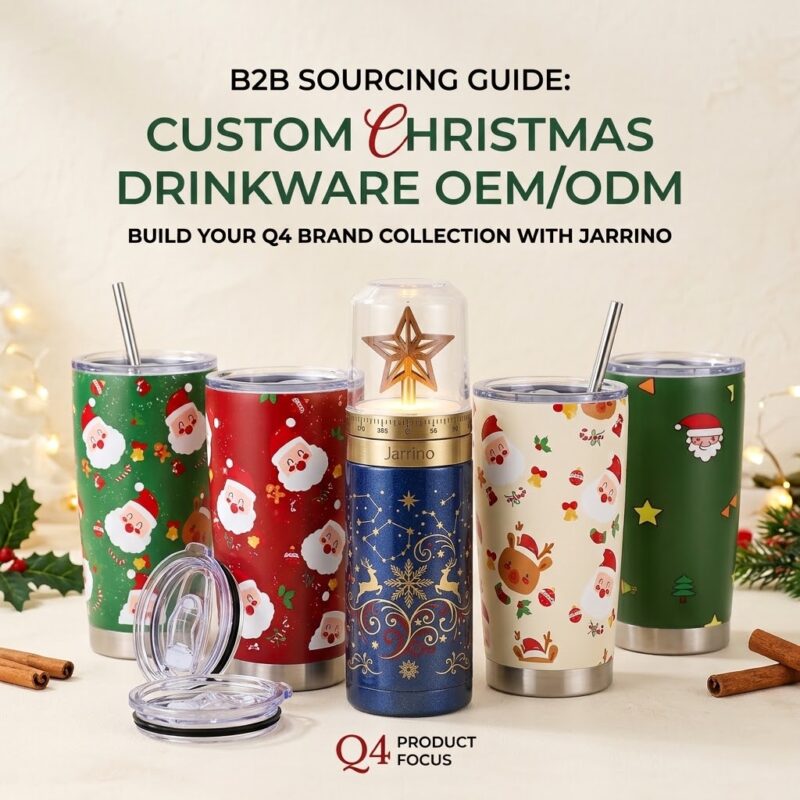
Vasos navideños personalizados: Guía completa de fabricación OEM/ODM
Jarrino es un fabricante certificado OEM/ODM que se especializa en matraces de vacío personalizados., vasos revestidos de cerámica, y vasos de titanio. Los plazos de entrega para los pedidos navideños personalizados del cuarto trimestre son de 20 a 30 días con MOQ bajos (300–1.000 unidades) y cumplimiento total de FDA/LFGB. Ofrecemos personalización de extremo a extremo, incluida la impresión digital 3D., grabado con láser, y embalaje de regalo de Navidad personalizado. Los kits de muestra y las cotizaciones están disponibles previa solicitud para ayudar a las marcas a asegurar la producción navideña del cuarto trimestre sin problemas..
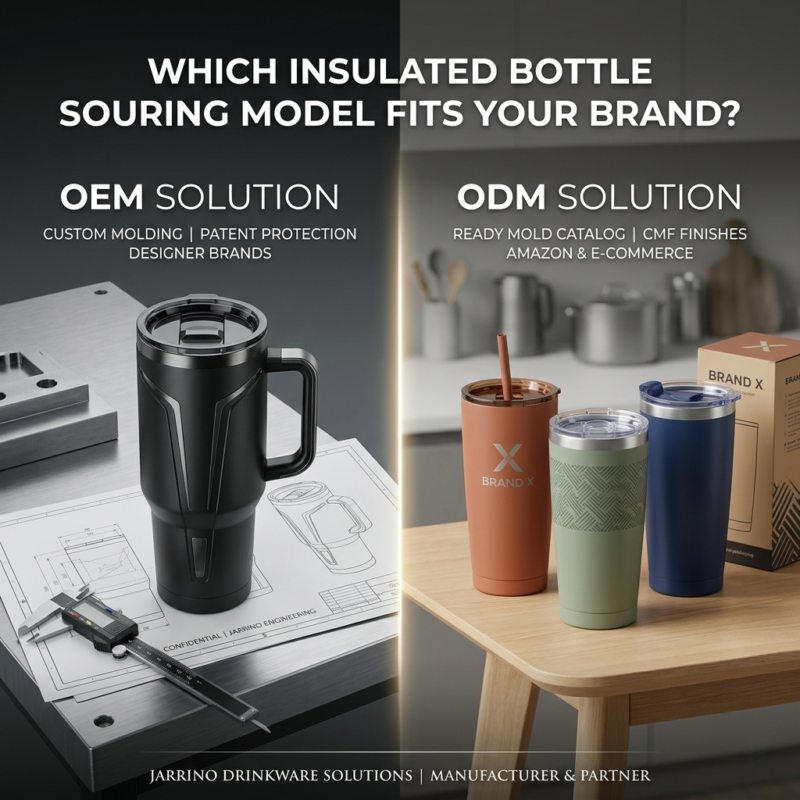
OEM frente a. Vasos aislados ODM: ¿Qué modelo de abastecimiento se adapta a su marca de vasos?
Elegir entre OEM (Fabricación de equipos originales) y ODM (Fabricación de diseño original) define la R de su marca de bebidas&presupuesto D, tiempo de comercialización, y exclusividad del producto. OEM es ideal para marcas establecidas con diseños CAD personalizados y requisitos de IP únicos, ofrenda 100% moldeado personalizado y protección de patentes. ODM está diseñado para vendedores de Amazon, Inicios de DTC, y compradores corporativos que buscan cero costos de herramientas, MOQ bajos, y lanzamientos rápidos de productos a través de acabados CMF avanzados (recubrimiento en polvo, impresión ultravioleta).
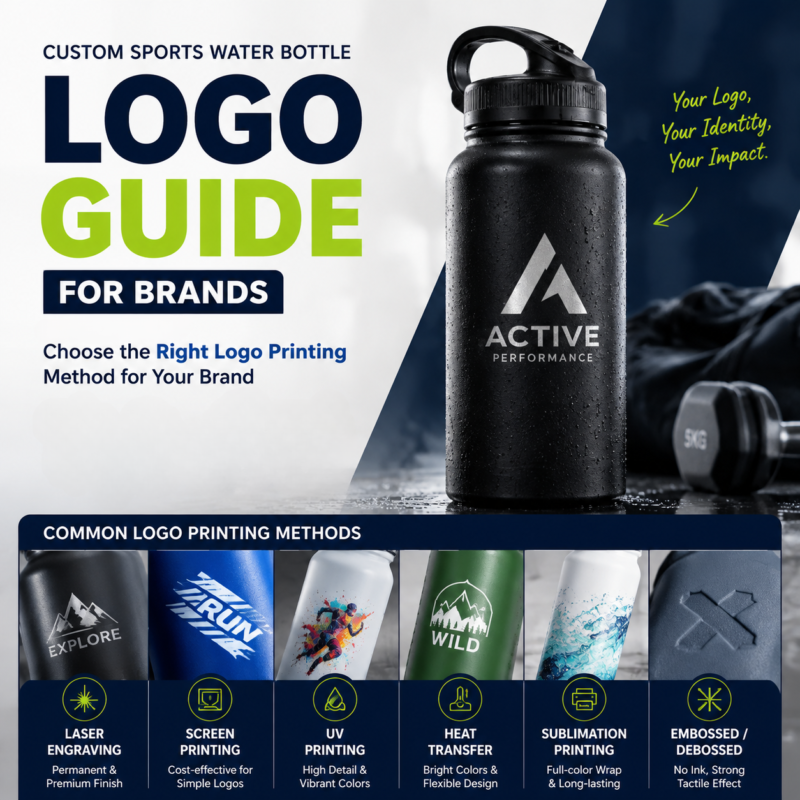
Guía de logotipos de botellas de agua deportivas personalizadas para marcas
Los logotipos personalizados de botellas de agua deportivas se crean mediante diferentes procesos de decoración según el material de la botella., diseño de marca, y requisitos de rendimiento. Esta guía cubre los métodos de impresión de logotipos más comunes., incluyendo grabado láser, serigrafía, impresión ultravioleta, transferencia de calor, y sublimación, Ayudar a las marcas deportivas a seleccionar la opción de personalización adecuada para productos de bebidas duraderos y profesionales..
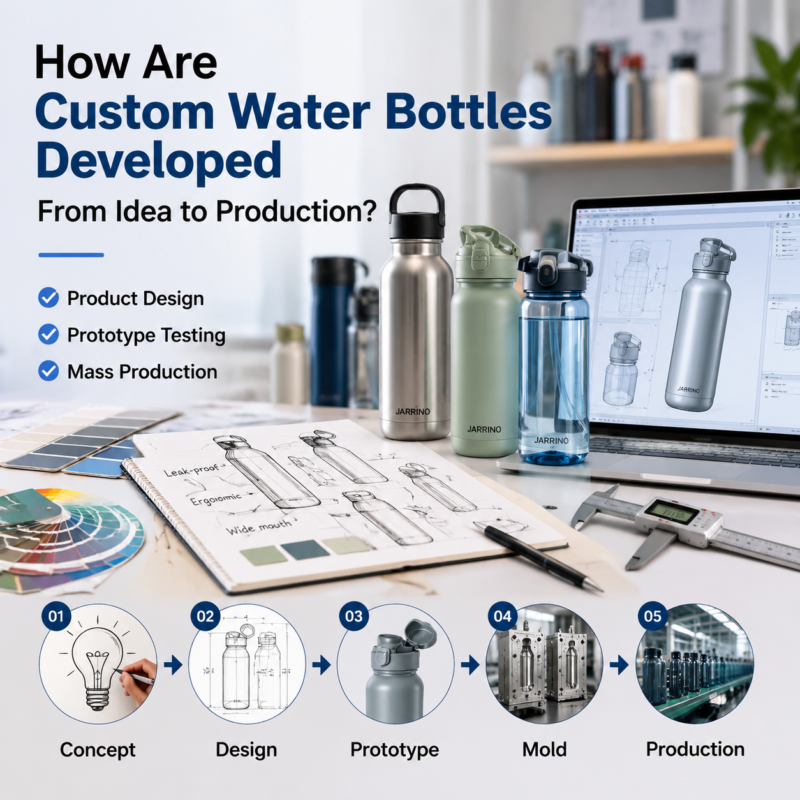
¿Cómo se desarrollan las botellas de agua personalizadas desde la idea hasta la producción??
Desarrollar una botella de agua personalizada requiere más que elegir un diseño y agregar un logotipo.. Desde el concepto inicial del producto hasta la ingeniería, creación de prototipos, desarrollo de moldes, pruebas, y producción en masa, Cada etapa juega un papel importante en la creación de un producto de bebida exitoso.. Esta guía explica cómo las marcas trabajan con los fabricantes de botellas de agua OEM para transformar ideas en alta calidad., Productos listos para el mercado mientras se gestiona el diseño., costo, y desafíos de producción.
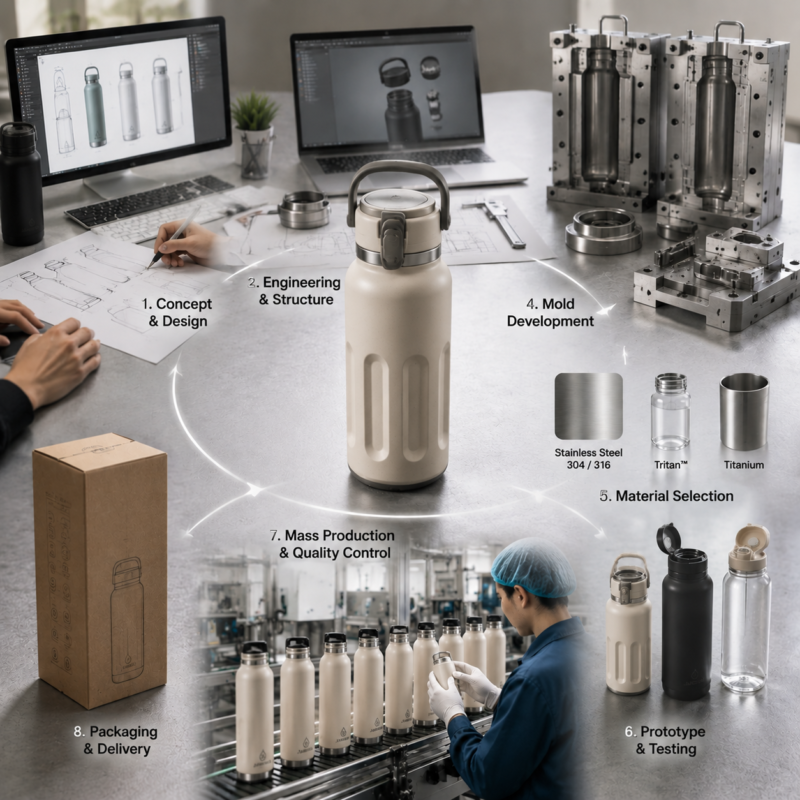
¿Cómo se fabrican las botellas de agua totalmente personalizadas??
Desarrollar una botella de agua totalmente personalizada implica mucho más que añadir un logotipo a un producto existente.. Esta guía explica cómo las marcas crean botellas de agua únicas a través del diseño de productos., ingeniería, selección de material, desarrollo de moldes, prueba de prototipo, y producción en masa. Descubra cómo un experimentado fabricante de botellas de agua OEM ayuda a transformar una idea en un producto listo para el mercado mientras gestiona la calidad., costo, y eficiencia de producción.
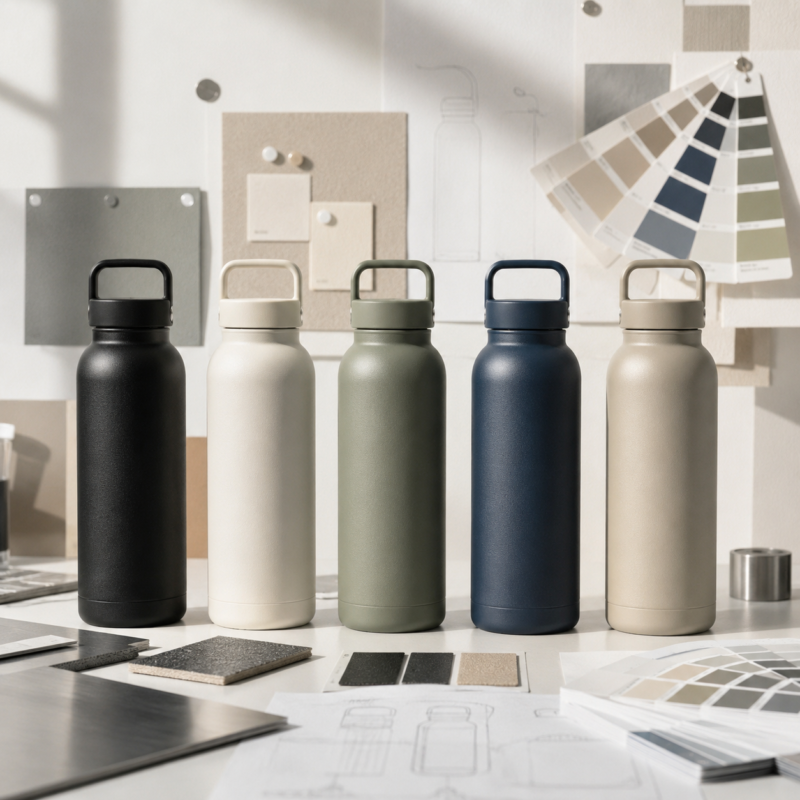
Cómo elegir colores y acabados para botellas de agua personalizadas
El éxito de una colección de botellas de agua personalizadas depende de algo más que colores atractivos. Elegir la paleta de colores adecuada, acabado superficial, y la estrategia de fabricación ayuda a fortalecer la identidad de la marca, mejorar el atractivo del cliente, y asegurar ventas a largo plazo. Esta guía explica cómo seleccionar colores según las preferencias del mercado., comparar acabados mate y brillante, optimizar los SKU, y lograr una calidad constante a través de la producción OEM profesional.
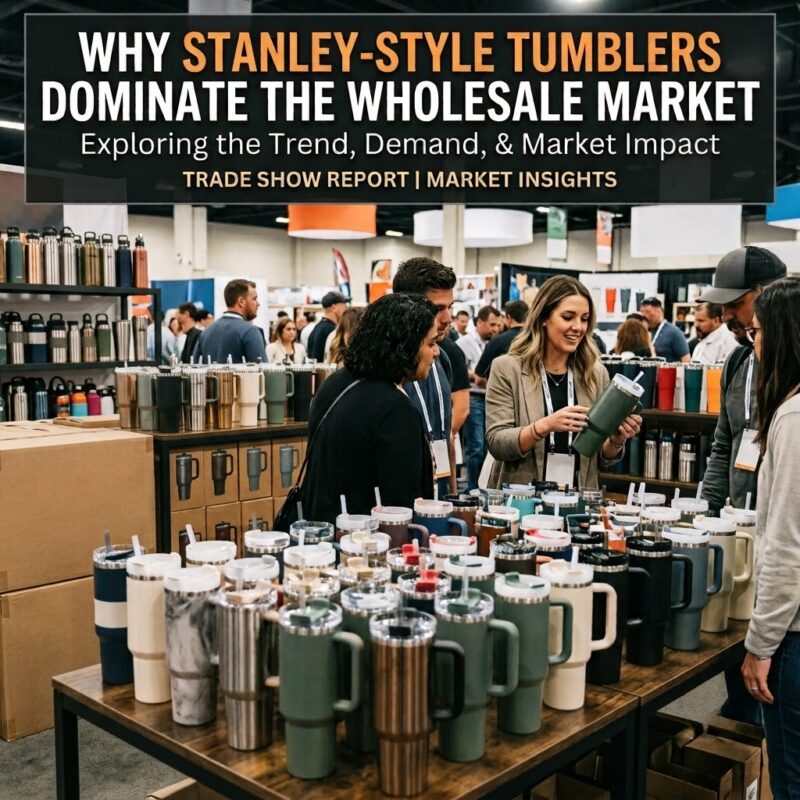
Por qué los vasos estilo Stanley dominan el mercado mayorista
Los vasos estilo Stanley se han convertido en un fenómeno cultural y un éxito de ventas al por mayor. Este artículo explora por qué – desde 18/8 Acero inoxidable y aislamiento al vacío de doble pared para un alto valor percibido., potencial de personalización, y demanda constante de pedidos repetidos. Descubra qué hace que estos vasos sean confiables, categoría rentable para compradores mayoristas.
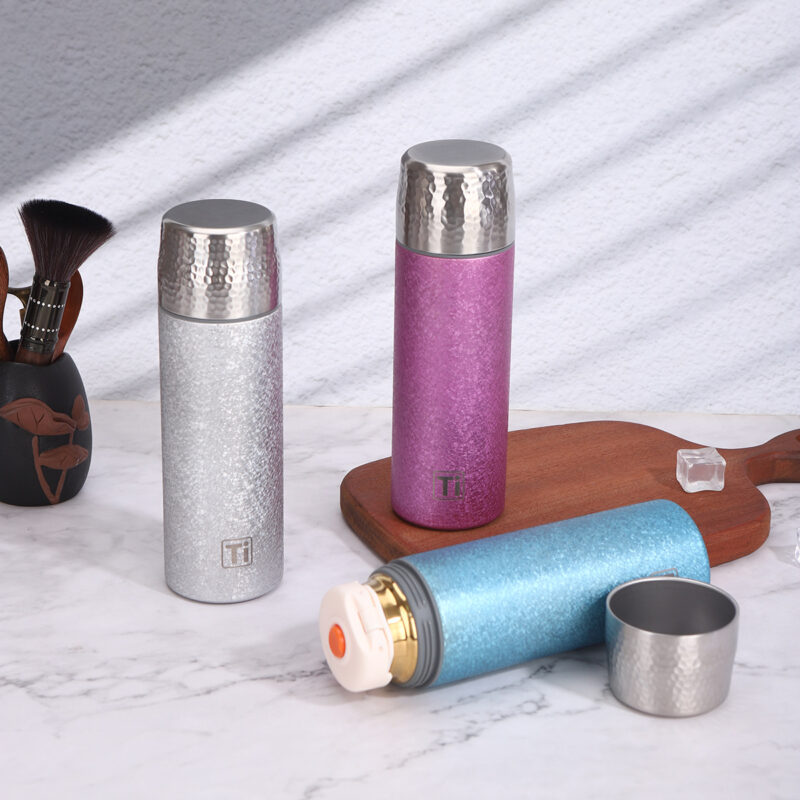
¿Son seguras las botellas de agua de titanio??
El titanio es seguro. También es caro. Así es como se compara con el acero inoxidable y el aluminio, y qué material realmente tiene sentido para su marca..
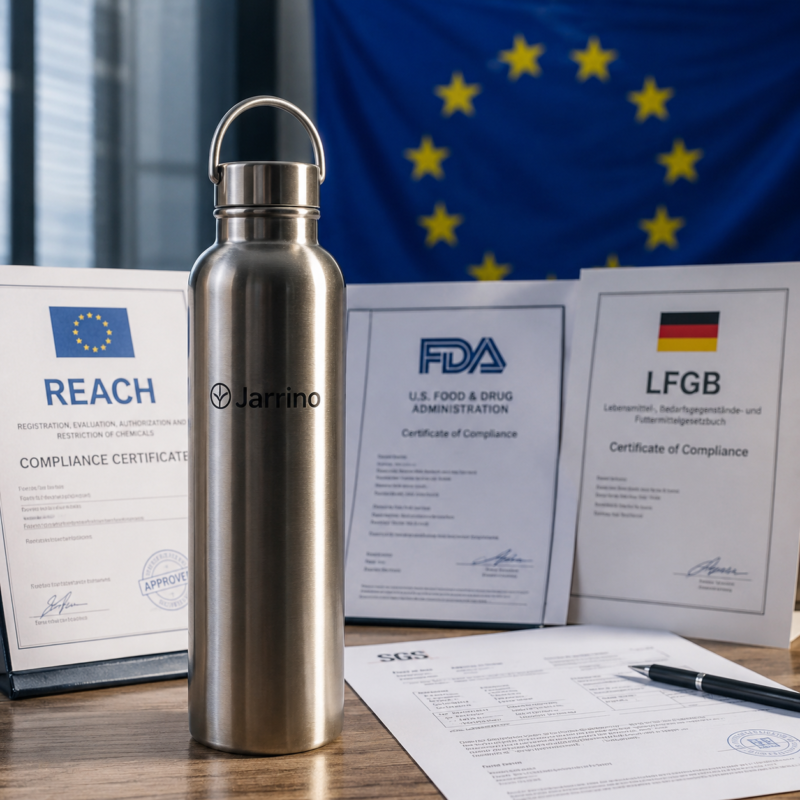
Reglamento de microplásticos de la UE 2026: Lo que todo fabricante de botellas de agua personalizadas debe saber
Descubra cómo funciona el Reglamento de Microplásticos de la UE (UE) 2026/1168 Afecta a los fabricantes de botellas de agua personalizadas y a las marcas privadas de bebidas y bebidas.. Descubra cómo Jarrino ayuda a los importadores a cumplir con REACH con botellas de agua duraderas de acero inoxidable.
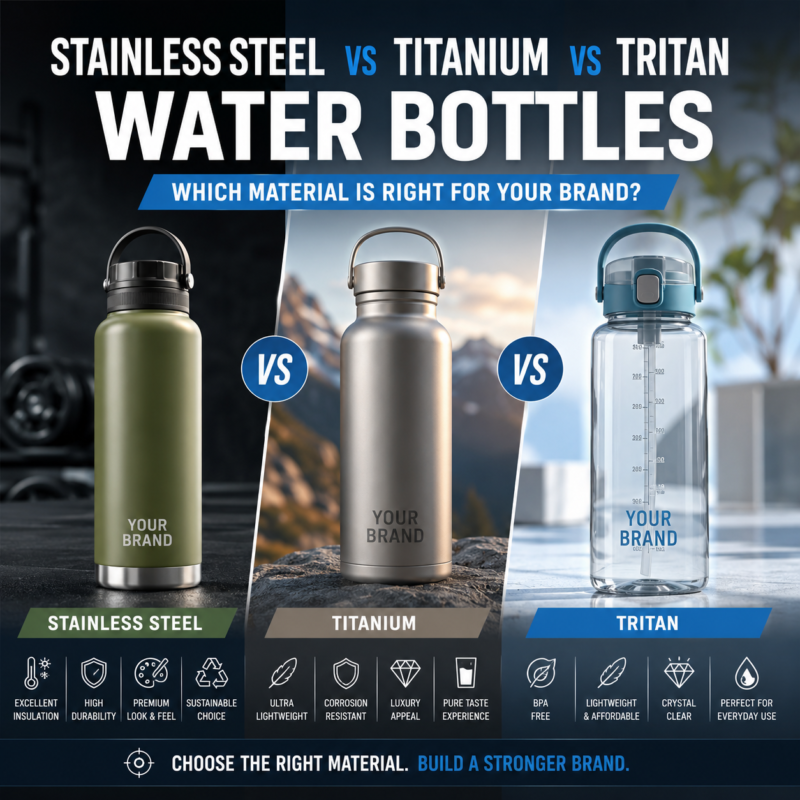
Stainless Steel vs Titanium vs Tritan Water Bottles: Which Material Is Right for Your Brand?
Choosing the right water bottle material can significantly impact your product quality, pricing, and brand positioning. This guide compares stainless steel, titanio, and Tritan water bottles across durability, aislamiento, costo, personalización, and sustainability to help brands, minoristas, and OEM buyers select the best material for their target market.
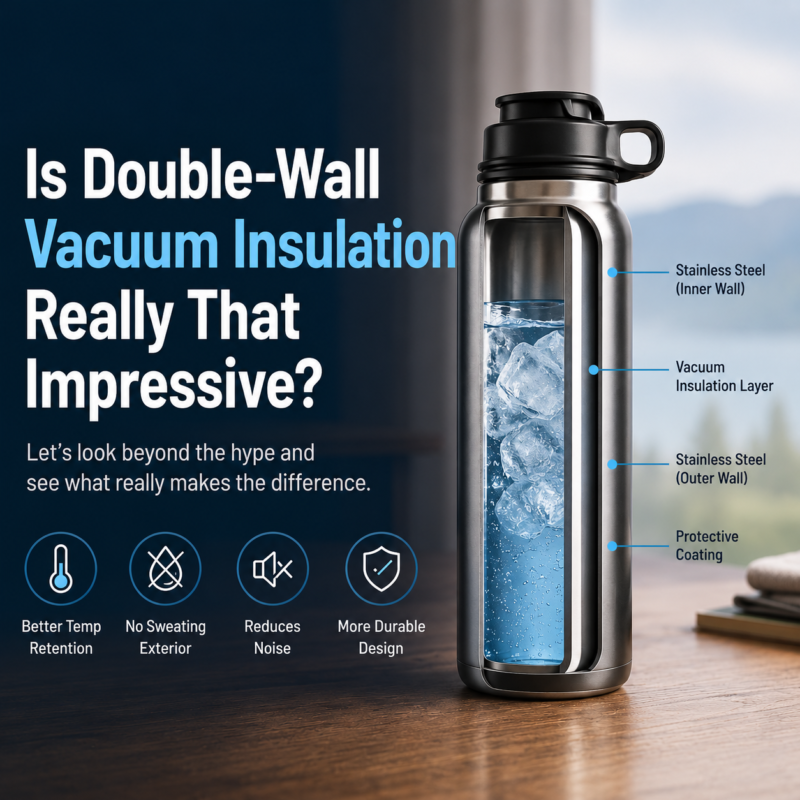
¿Es el aislamiento al vacío de doble pared realmente tan impresionante??
Double‑wall vacuum insulation is standard in premium drinkware, but the difference between a bottle that performs and one that disappoints comes down to manufacturing quality. This guide explains how vacuum insulation works, sets realistic performance expectations, and gives B2B buyers a practical checklist for evaluating suppliers. Plus, why Jarrino’s strict quality standards ensure your custom bottles deliver on their promises.
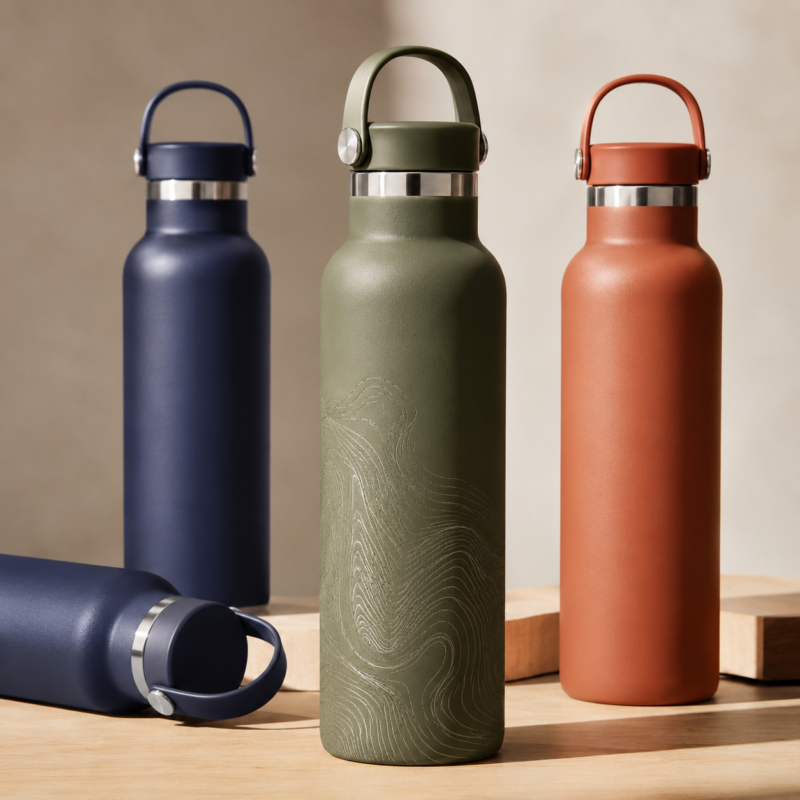
¿Qué método de decoración de botellas de agua personalizado dura realmente??
Grabado láser, sublimación, ultravioleta, o serigrafía: qué decoración de botella personalizada realmente sobrevive al uso diario? los probamos. Lee los resultados.