
¿Son seguras las botellas de agua de titanio??

Publicaciones relacionadas
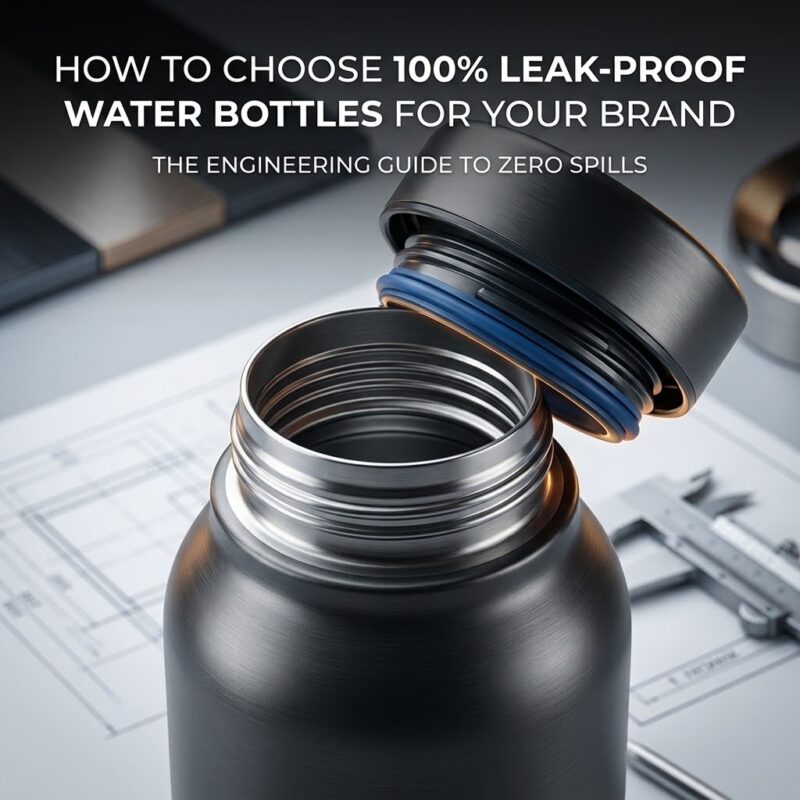
Cómo elegir 100% Botellas de agua de acero inoxidable a prueba de fugas para su marca?
This guide helps drinkware brands select 100% leak-proof stainless steel bottles by analyzing QC testing and lid engineering. Manufacturers like Jarrino use inverted, shaking, and air pressure tests to verify seals. Traditional screw-caps offer absolute leak protection, while locking flip-lids and straw caps require precise silicone gaskets, CNC thread precision, and one-way air valves to prevent spills.
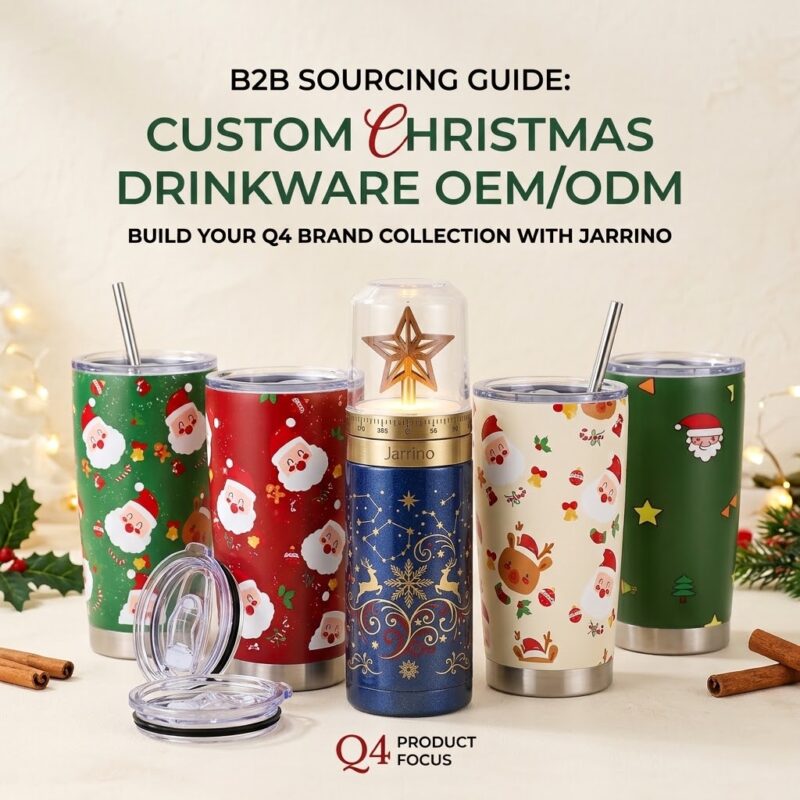
Vasos navideños personalizados: Guía completa de fabricación OEM/ODM
Jarrino es un fabricante certificado OEM/ODM que se especializa en matraces de vacío personalizados., vasos revestidos de cerámica, y vasos de titanio. Los plazos de entrega para los pedidos navideños personalizados del cuarto trimestre son de 20 a 30 días con MOQ bajos (300–1.000 unidades) y cumplimiento total de FDA/LFGB. Ofrecemos personalización de extremo a extremo, incluida la impresión digital 3D., grabado con láser, y embalaje de regalo de Navidad personalizado. Los kits de muestra y las cotizaciones están disponibles previa solicitud para ayudar a las marcas a asegurar la producción navideña del cuarto trimestre sin problemas..
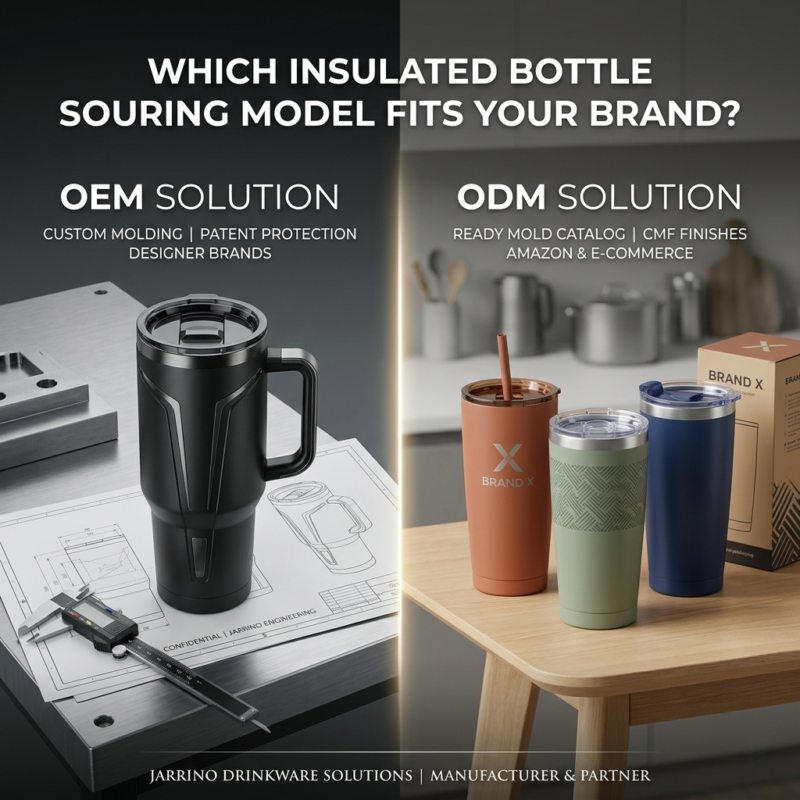
OEM frente a. Vasos aislados ODM: ¿Qué modelo de abastecimiento se adapta a su marca de vasos?
Elegir entre OEM (Fabricación de equipos originales) y ODM (Fabricación de diseño original) define la R de su marca de bebidas&presupuesto D, tiempo de comercialización, y exclusividad del producto. OEM es ideal para marcas establecidas con diseños CAD personalizados y requisitos de IP únicos, ofrenda 100% moldeado personalizado y protección de patentes. ODM está diseñado para vendedores de Amazon, Inicios de DTC, y compradores corporativos que buscan cero costos de herramientas, MOQ bajos, y lanzamientos rápidos de productos a través de acabados CMF avanzados (recubrimiento en polvo, impresión ultravioleta).
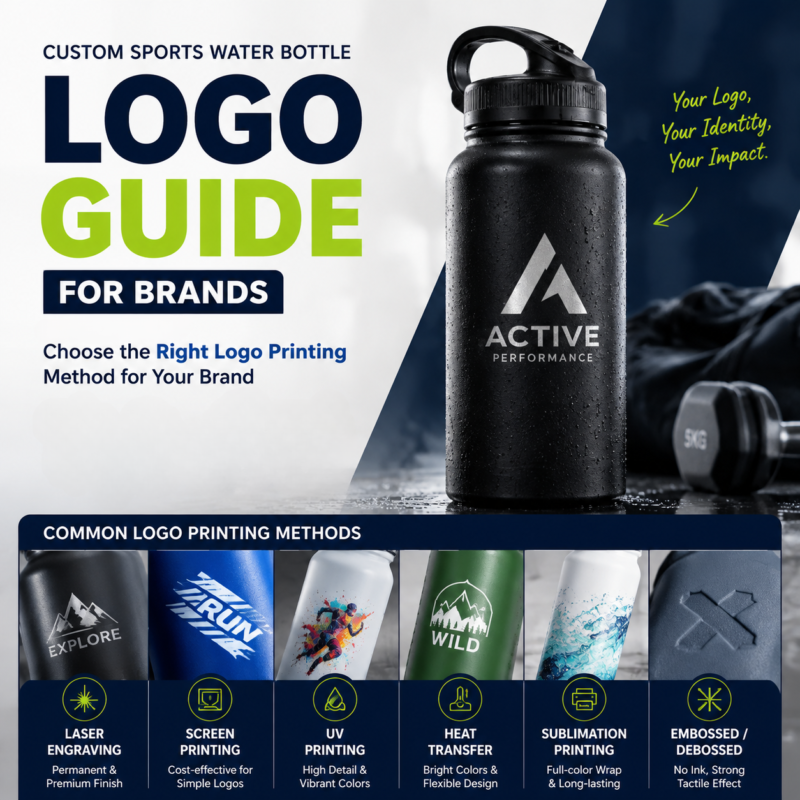
Guía de logotipos de botellas de agua deportivas personalizadas para marcas
Los logotipos personalizados de botellas de agua deportivas se crean mediante diferentes procesos de decoración según el material de la botella., diseño de marca, y requisitos de rendimiento. Esta guía cubre los métodos de impresión de logotipos más comunes., incluyendo grabado láser, serigrafía, impresión ultravioleta, transferencia de calor, y sublimación, Ayudar a las marcas deportivas a seleccionar la opción de personalización adecuada para productos de bebidas duraderos y profesionales..
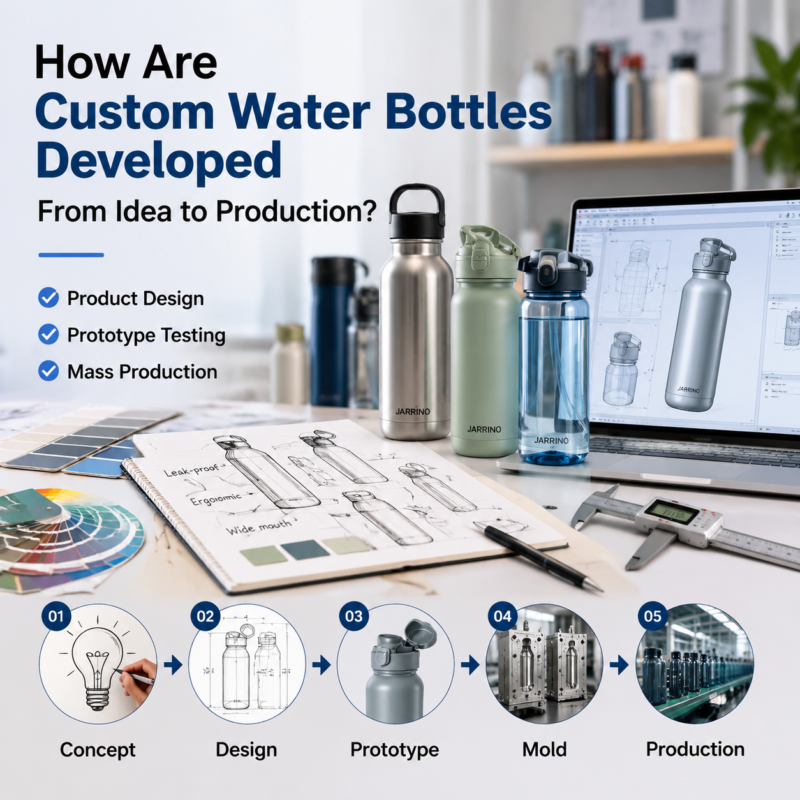
¿Cómo se desarrollan las botellas de agua personalizadas desde la idea hasta la producción??
Desarrollar una botella de agua personalizada requiere más que elegir un diseño y agregar un logotipo.. Desde el concepto inicial del producto hasta la ingeniería, creación de prototipos, desarrollo de moldes, pruebas, y producción en masa, Cada etapa juega un papel importante en la creación de un producto de bebida exitoso.. Esta guía explica cómo las marcas trabajan con los fabricantes de botellas de agua OEM para transformar ideas en alta calidad., Productos listos para el mercado mientras se gestiona el diseño., costo, y desafíos de producción.
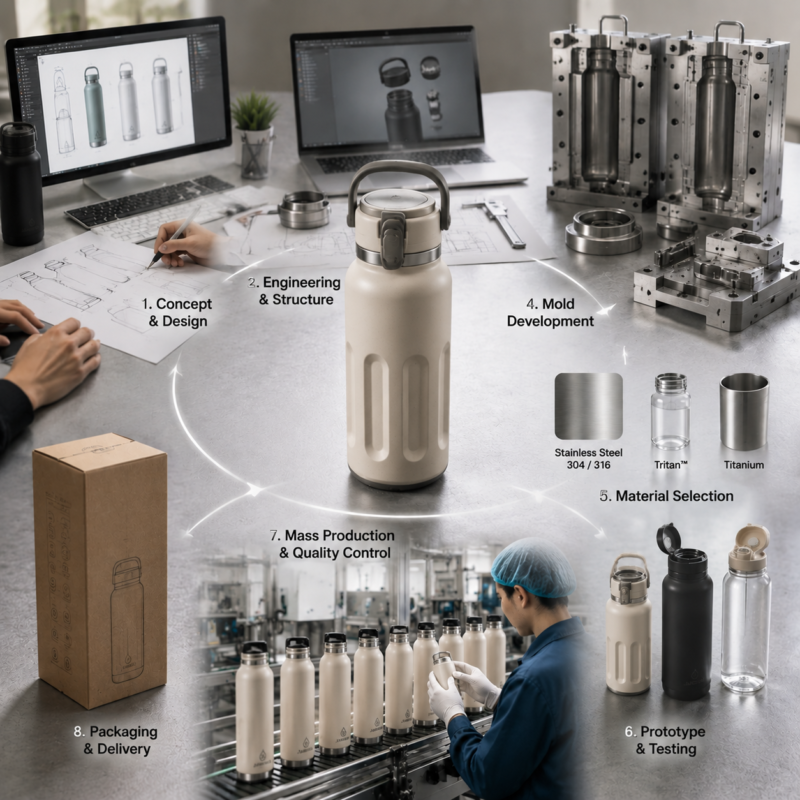
¿Cómo se fabrican las botellas de agua totalmente personalizadas??
Desarrollar una botella de agua totalmente personalizada implica mucho más que añadir un logotipo a un producto existente.. Esta guía explica cómo las marcas crean botellas de agua únicas a través del diseño de productos., ingeniería, selección de material, desarrollo de moldes, prueba de prototipo, y producción en masa. Descubra cómo un experimentado fabricante de botellas de agua OEM ayuda a transformar una idea en un producto listo para el mercado mientras gestiona la calidad., costo, y eficiencia de producción.
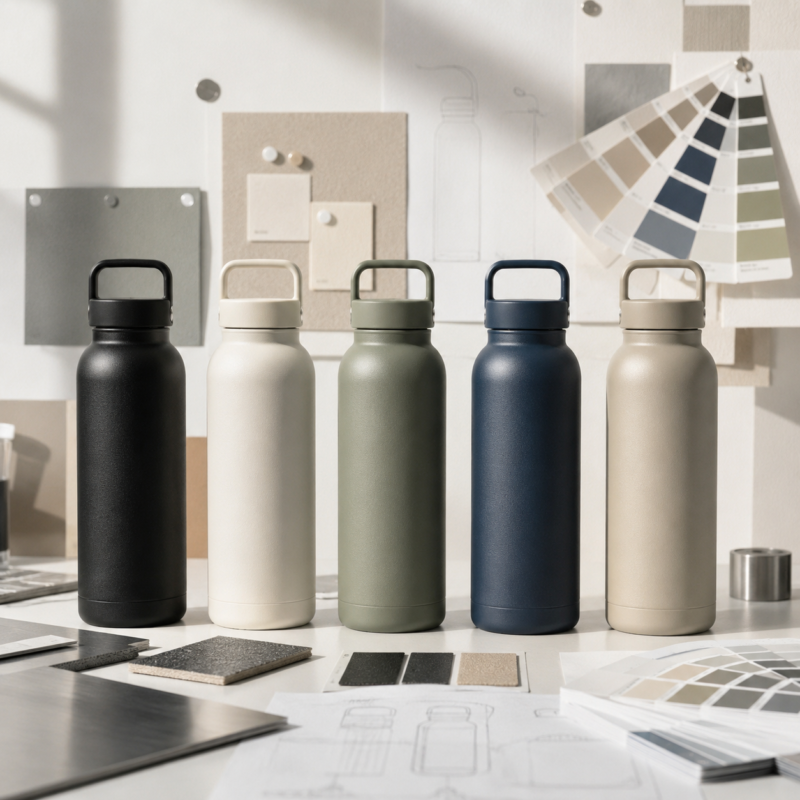
Cómo elegir colores y acabados para botellas de agua personalizadas
El éxito de una colección de botellas de agua personalizadas depende de algo más que colores atractivos. Elegir la paleta de colores adecuada, acabado superficial, y la estrategia de fabricación ayuda a fortalecer la identidad de la marca, mejorar el atractivo del cliente, y asegurar ventas a largo plazo. Esta guía explica cómo seleccionar colores según las preferencias del mercado., comparar acabados mate y brillante, optimizar los SKU, y lograr una calidad constante a través de la producción OEM profesional.
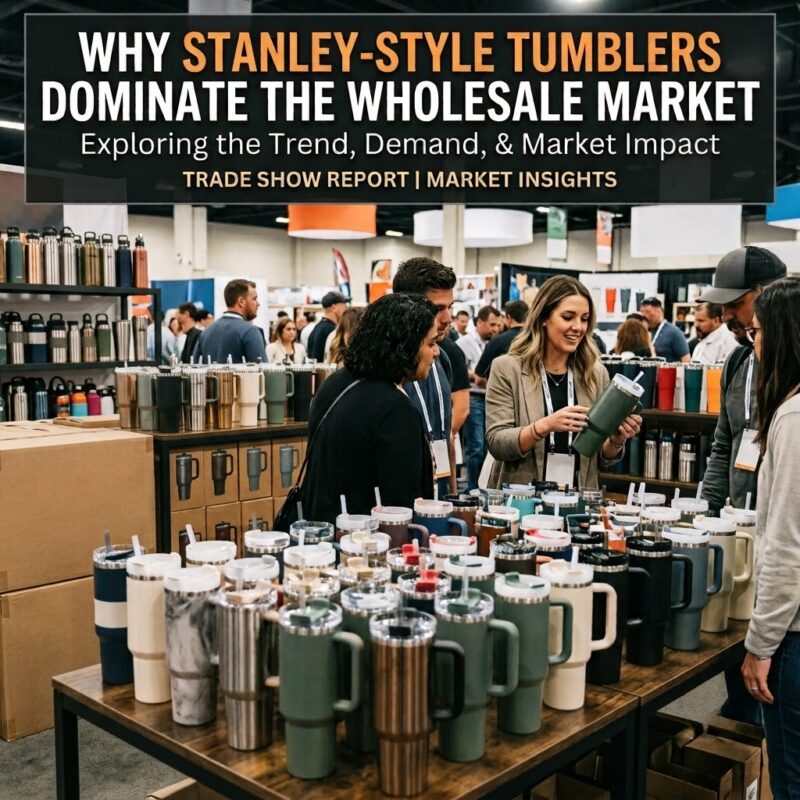
Por qué los vasos estilo Stanley dominan el mercado mayorista
Los vasos estilo Stanley se han convertido en un fenómeno cultural y un éxito de ventas al por mayor. Este artículo explora por qué – desde 18/8 Acero inoxidable y aislamiento al vacío de doble pared para un alto valor percibido., potencial de personalización, y demanda constante de pedidos repetidos. Descubra qué hace que estos vasos sean confiables, categoría rentable para compradores mayoristas.
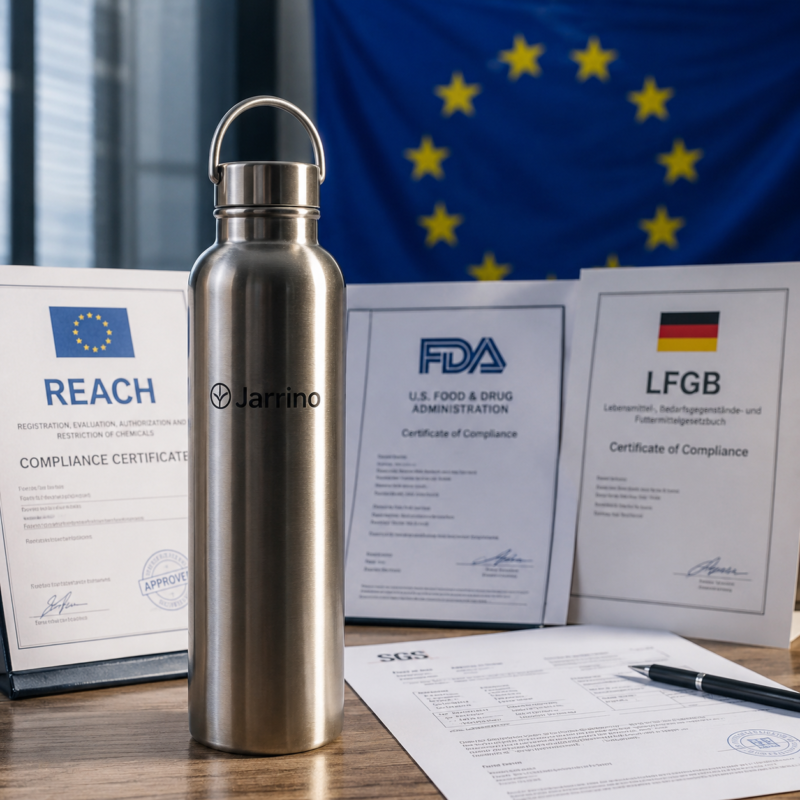
Reglamento de microplásticos de la UE 2026: Lo que todo fabricante de botellas de agua personalizadas debe saber
Descubra cómo funciona el Reglamento de Microplásticos de la UE (UE) 2026/1168 Afecta a los fabricantes de botellas de agua personalizadas y a las marcas privadas de bebidas y bebidas.. Descubra cómo Jarrino ayuda a los importadores a cumplir con REACH con botellas de agua duraderas de acero inoxidable.
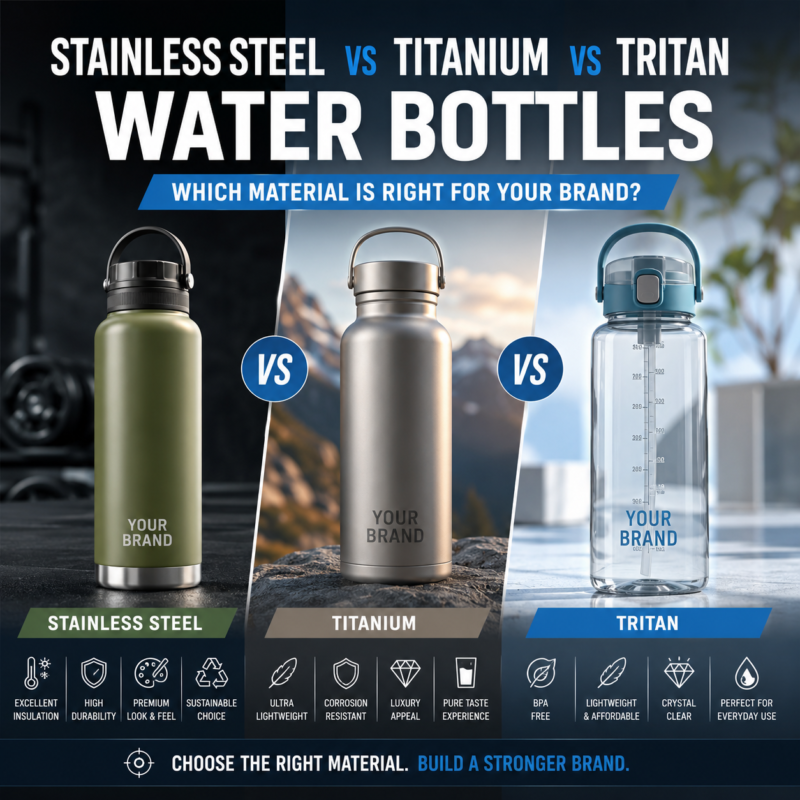
Stainless Steel vs Titanium vs Tritan Water Bottles: Which Material Is Right for Your Brand?
Choosing the right water bottle material can significantly impact your product quality, pricing, and brand positioning. This guide compares stainless steel, titanio, and Tritan water bottles across durability, aislamiento, costo, personalización, and sustainability to help brands, minoristas, and OEM buyers select the best material for their target market.
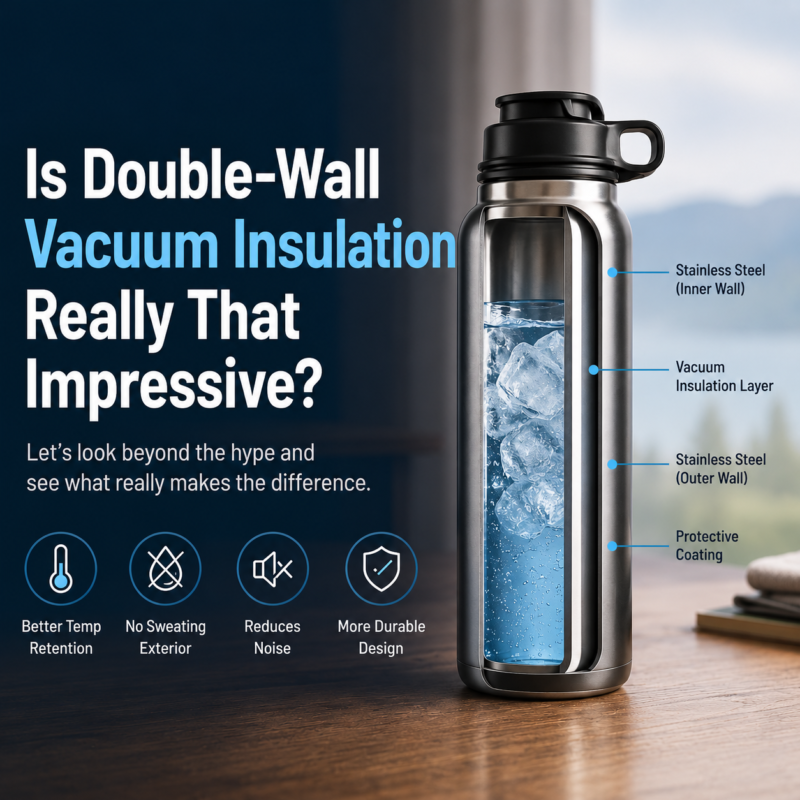
¿Es el aislamiento al vacío de doble pared realmente tan impresionante??
Double‑wall vacuum insulation is standard in premium drinkware, but the difference between a bottle that performs and one that disappoints comes down to manufacturing quality. This guide explains how vacuum insulation works, sets realistic performance expectations, and gives B2B buyers a practical checklist for evaluating suppliers. Plus, why Jarrino’s strict quality standards ensure your custom bottles deliver on their promises.
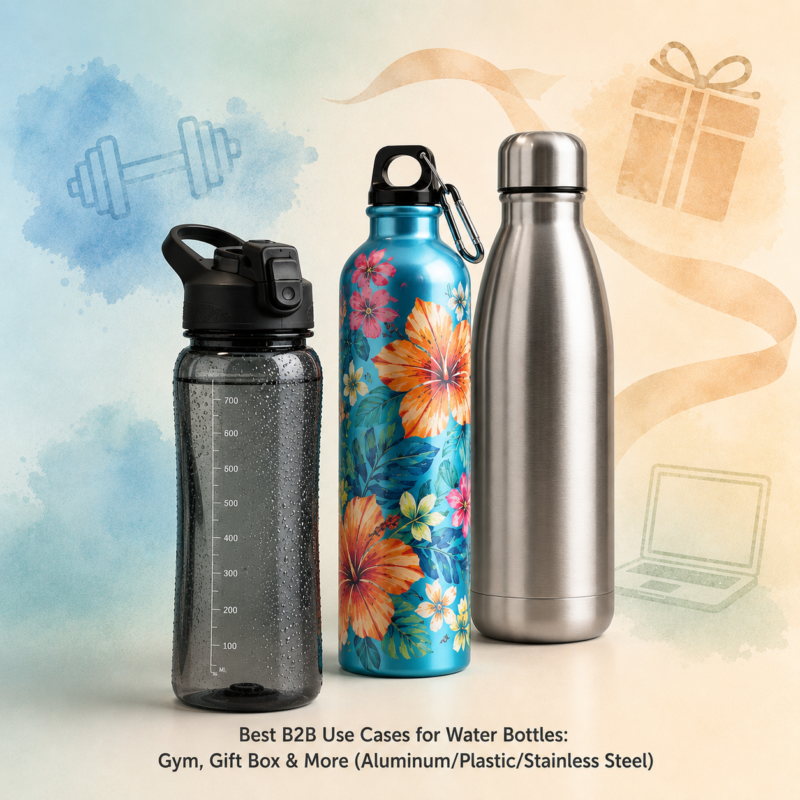
Los mejores casos de uso B2B para botellas de agua: Gimnasia, Caja de regalo & Más (Aluminio/Plástico/Acero)
No todas las botellas de agua se adaptan a todos los casos de uso B2B. Este artículo combina tres materiales: acero inoxidable., aluminio, plástico: a aplicaciones del mundo real: gimnasios, cajas de regalo corporativas, ferias comerciales, venta al por menor al aire libre, y programas escolares. El acero inoxidable gana en durabilidad y aislamiento. El aluminio ofrece ligereza, marca a todo color. El plástico es económico para eventos de gran volumen (siempre que esté libre de BPA). Una hoja de trucos rápida ayuda a los compradores B2B a equilibrar los costos, imagen de marca, y expectativas del usuario.