Comentarios desactivados en Cómo elegir un fabricante de vasos aislados personalizados para su marca
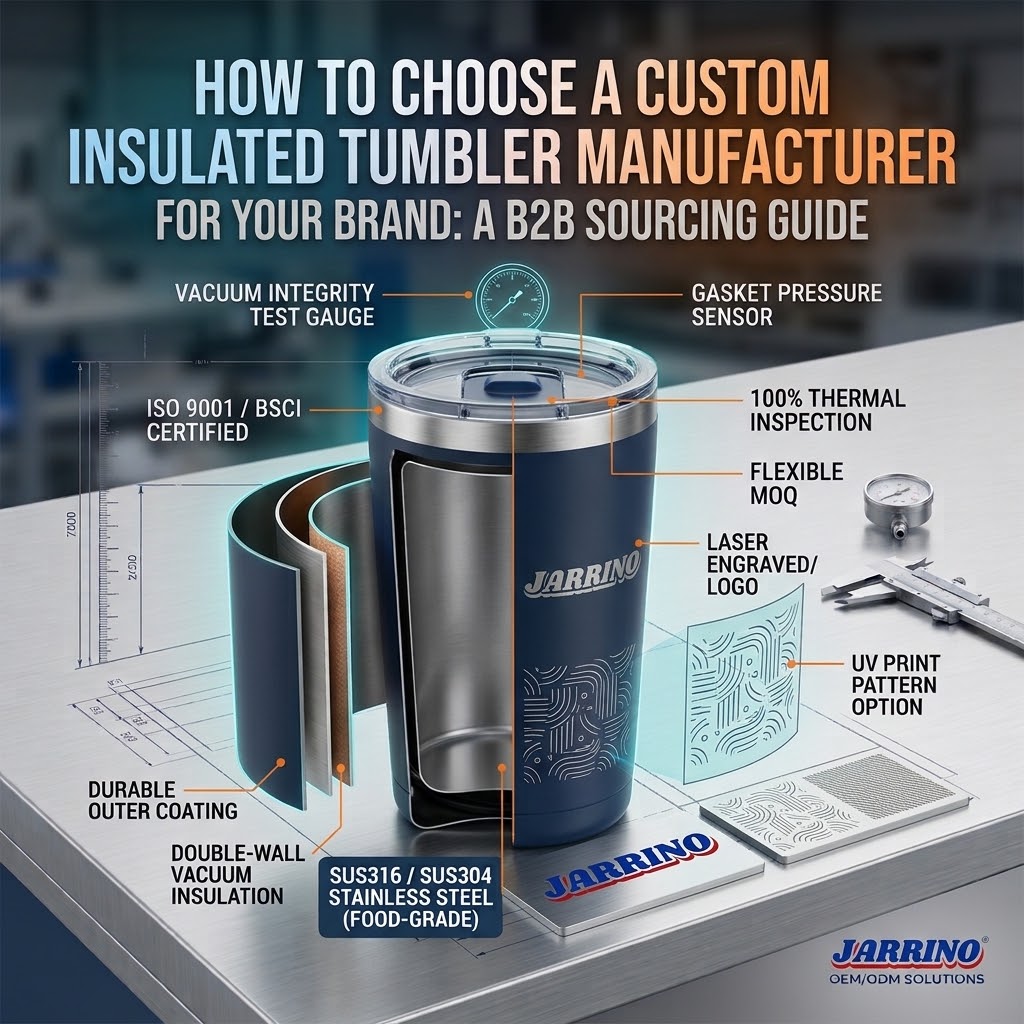
Choosing the right custom insulated tumbler manufacturer is an important decision for drinkware brands, mayoristas, importadores, and promotional product distributors. The right supplier can help you develop distinctive products, control sourcing costs, maintain consistent quality, and build a scalable private label drinkware business.
Sin embargo, not all tumbler manufacturers offer the same materials, opciones de personalización, production capabilities, or quality standards. Comparing suppliers based on unit price alone can lead to unexpected tooling costs, inconsistent product specifications, and delays during production.
This guide explains how to evaluate custom insulated tumbler manufacturers, compare OEM and ODM services, understand MOQ and pricing, select suitable materials, and prepare a more effective wholesale quotation request.
What Should You Look for in a Custom Insulated Tumbler Manufacturer?
A reliable custom insulated tumbler manufacturer should be able to explain its material specifications, customization capabilities, minimum order requirements, quality-control procedures, and production process.
For B2B buyers, the most important evaluation criteria are:
Product specifications:Clearly defined materials, capacidades, dimensiones, lid designs, and insulation requirements.
Customization capabilities:Logo application, combinación de colores, acabados superficiales, accessories, y embalaje.
OEM and ODM support:Options for developing a product from your design or customizing an existing model.
MOQ and cost transparency:Clear pricing for products, muestras, estampación, branding, y embalaje.
Quality assurance:Defined inspection procedures, product testing, and consistent production specifications.
Compliance documentation:Relevant food-contact documentation for the intended market and product configuration.
Communication and delivery:Realistic lead times, clear approval procedures, and production updates.
The best manufacturing partner is not necessarily the supplier offering the lowest initial price. It is the supplier whose capabilities, product quality, and commercial terms match your business requirements.
1. Choose the Right Material for Custom Insulated Tumblers
Material selection affects product weight, durabilidad, appearance, manufacturing cost, and suitability for different markets.
Stainless Steel Insulated Tumblers
Stainless steel is widely used in premium reusable drinkware. Double-wall vacuum-insulated construction can help maintain beverage temperature by reducing heat transfer between the inner and outer walls.
When sourcing custom stainless steel tumblers, confirm the exact grade used for each component rather than relying on a general stainless steel specification.
Por ejemplo, buyers may request 304 stainless steel for the inner wall and specify a separate material grade for the outer wall, depending on the product design and budget.
Other considerations include:
Wall construction and vacuum insulation performance
Capacity and overall dimensions
Powder coating, polished finishes, or other surface treatments
Manejar, straw, and lid configurations
Logo application and packaging requirements
Plastic and Tritan Tumblers
Plastic drinkware may suit lightweight products, transparent designs, and applications where portability or visual product differentiation is important.
Tritan is often selected for clear, reusable drinkware. Sin embargo, a single-wall Tritan tumbler does not offer the same insulation construction as a double-wall vacuum-insulated stainless steel tumbler.
Choose materials based on the actual product design and intended use rather than treating all reusable tumblers as interchangeable.
How Do You Compare Tumbler Materials?
Evaluation factor
Stainless steel vacuum tumbler
Plastic or Tritan tumbler
Typical positioning
Premium reusable drinkware
Lightweight everyday drinkware
Aislamiento
Vacuum insulation when designed accordingly
Depends on construction
Appearance
Metallic, coated, or polished finishes
Can offer transparent or colored designs
Personalización
Engraving, impresión, coatings, and other compatible methods
Printing and other material-compatible methods
Main purchasing consideration
Material grade, aislamiento, finalizar, and weight
Material specification, transparency, durabilidad, and intended use
These are general product characteristics, not universal specifications. Actual performance and customization options depend on the selected model.
2. Compare OEM and ODM Tumbler Manufacturers
OEM and ODM are two common approaches to custom drinkware manufacturing. Understanding the difference helps you choose the right development route.
OEM tumbler manufacturingis generally suitable when your business has its own design, technical drawings, product specifications, or approved sample. The manufacturer produces the product according to the agreed requirements.
ODM tumbler manufacturingtypically starts with an existing manufacturer design that can be selected or modified to fit your brand. Depending on the model, modifications may include color, logo, accessories, y embalaje.
Requirement
OEM manufacturing
ODM manufacturing
Starting point
Buyer-provided design or specifications
Existing manufacturer design
Design flexibility
Depends on the project and factory capabilities
Usually based on available models and permitted modifications
Development requirements
May involve engineering, prototypes, or tooling
May allow a more direct route to sampling
Cost considerations
Custom development and tooling may add costs
Existing tooling may reduce some development expenses
Suitable buyers
Brands seeking a defined or differentiated product
Brands seeking a customized product based on an existing design
Neither approach is automatically better. The right choice depends on your design requirements, budget, target launch date, and desired product differentiation.
Before proceeding, clarify which changes are included in the quoted service and which require separate development fees.
3. Customize Tumblers Beyond the Logo
A recognizable logo helps establish brand identity, but successful private label tumblers often combine several coordinated design elements.
Logo Customization
Common logo application methods include:
Grabado láser:Suitable for compatible surfaces where a precise, durable mark is desired.
Impresión de pantalla:Useful for certain artwork and surface applications.
Heat transfer:Can support specific graphic and color requirements on compatible products.
Other printing methods:Available depending on the surface, artwork, and production process.
Ask your manufacturer to recommend a method based on your artwork, tumbler coating, logo size, and required appearance.
Custom Colors and Surface Finishes
Color customization can help distinguish a product line from standard wholesale drinkware. Options may include matte finishes, recubrimiento en polvo, metallic effects, or custom color matching, depending on the model.
Confirm whether the color is an existing option or requires a separate production setup. If color accuracy is important, establish an approval process before mass production.
Lids, Handles, Straws, and Accessories
Functional details can influence both usability and manufacturing complexity.
Consider whether your target customers need a handle, straw, direct-drinking lid, cup-holder-compatible base, or other accessories. Each addition should be evaluated for compatibility, cleaning requirements, durabilidad, and cost.
Private Label Packaging
Custom packaging can support retail presentation, gifting, and brand consistency. Discuss box design, inserciones, printed materials, and packaging protection with your supplier.
For B2B buyers, the key is to distinguish standard customization options from changes that require new tooling, additional testing, or higher MOQs.
4. Understand MOQ and Custom Tumbler Pricing
Moq, or minimum order quantity, is the smallest order a manufacturer is willing to accept under specified commercial conditions.
There is no universal MOQ for custom insulated tumblers. Requirements vary according to the existing model, production process, order quantity, color selection, branding method, y embalaje.
Por ejemplo, customizing an existing tumbler may involve different costs and order requirements from developing a new mold or changing the product structure.
What Determines the Cost of a Custom Insulated Tumbler?
Material and construction:Material grade, wall construction, insulation design, and component selection influence manufacturing costs.
Product design:Existing models may avoid certain tooling expenses, while structural changes may require additional engineering or tooling.
Personalización:Logo application, colores personalizados, tratamientos superficiales, and accessories can affect the unit price.
Order quantity:Production volume and setup requirements influence how costs are distributed across an order.
Embalaje:Retail boxes, custom inserts, and other packaging requirements can add to the total project cost.
Quality and compliance requirements:Testing, documentation, and inspection arrangements should be included in the purchasing plan where applicable.
How Can Buyers Compare Supplier Quotations?
Request quotations based on the same product specifications.
A useful quotation should clarify:
Product model and capacity
Inner and outer material grades
Lid and accessory configuration
Logo method and color requirements
Unit price at specified quantities
MOQ and any color-specific restrictions
Sample charges and tooling costs
Packaging costs
Production lead time and shipping terms
Do not compare unit prices without checking what each quotation includes. A lower price may reflect a different specification, simpler packaging, or fewer services.
For brands developing a new product, total project cost is often a more useful measure than unit price alone.
5. Evaluate Quality Control and Food-Contact Compliance
Product quality is essential for repeat orders, customer satisfaction, and long-term brand reputation.
Before placing a bulk order, ask how the manufacturer verifies product specifications and checks finished goods.
Important Quality-Control Checks
Depending on the product, a quality plan may include:
Material and component verification
Dimensional and assembly inspections
Surface finish and logo consistency checks
Lid fit and leak testing under an agreed method
Vacuum insulation performance testing
Packaging and pre-shipment inspection
For insulation testing, specify the starting beverage temperature, ambient conditions, test duration, and measurement method. This makes it easier to compare performance consistently and avoids relying on vague claims about how long a tumbler keeps drinks hot or cold.
What About FDA, LFGB, and EU Food-Contact Requirements?
Requirements depend on the destination market, intended use, product construction, and materials that contact food or beverages.
US food-contact requirements and European Union food-contact rules are not interchangeable. Similarmente, a supplier’s possession of a general test report does not automatically establish that every component of every product complies with all applicable requirements.
Before ordering, request documentation relevant to the specific product and market. Confirm which materials and components were tested, which requirements were assessed, and whether additional testing or declarations are needed.
For EU-bound products, review the applicable food-contact legislation and material-specific requirements. For US-bound products, confirm the relevant FDA requirements for the intended food-contact use.
The goal is to verify product suitability before importation and sale, not simply to collect certificates.
6. Request Samples Before Bulk Production
A product sample helps buyers evaluate whether the proposed tumbler matches their expectations before committing to a larger order.
Use a written checklist to review:
Materials and dimensions:Verify the agreed material grades, capacidad, dimensiones, and component specifications.
Appearance:Check the finish, color, surface quality, and overall construction.
Branding:Compare the logo position, tamaño, color, and application quality with the approved artwork.
Functionality:Test the lid, drinking mechanism, handle, and other relevant features.
Leak resistance:Follow an agreed test procedure appropriate to the product’s intended use.
Aislamiento:Compare performance under consistent test conditions against the agreed specification.
Embalaje:Confirm the packaging design, product protection, and included accessories.
Once the sample is approved, document the final specifications. If the production version differs from the approved sample, resolve the discrepancy before authorizing shipment.
For repeat orders, retaining an approved reference sample and specification sheet can help reduce inconsistencies between batches.
7. Check Production Lead Times and Supplier Communication
The manufacturing timeline depends on product availability, customization complexity, sample approvals, estampación, material preparation, order quantity, and factory scheduling.
Ask your supplier to separate the expected timelines for:
Initial quotation and specification review
Sample preparation and approval
Tooling or structural development, if required
Mass production
Quality inspection and packaging
Shipment and delivery
Clarify when the production lead time officially begins. Por ejemplo, some production schedules may depend on deposit receipt, final artwork approval, or sample confirmation.
Also evaluate how the supplier handles design revisions, specification changes, production updates, and quality issues.
Clear communication is particularly important for customized orders because even a small change in color, logo placement, or packaging can affect the final product.
8. A Practical Checklist for Choosing a Wholesale Tumbler Supplier
Before selecting a custom insulated tumbler manufacturer, use the following checklist to compare potential suppliers.
Evaluation question
What to confirm
Product specifications
Are materials, dimensiones, and insulation requirements clearly defined?
Personalización
Can the supplier meet your logo, color, finalizar, and packaging requirements?
Servicios OEM/ODM
Can the manufacturer support your preferred development approach?
Moq
Is the minimum order suitable for your purchasing plan?
Pricing
Are tooling, muestras, branding, and packaging costs transparent?
Samples
Can you approve the product before mass production?
Control de calidad
Are inspection methods and acceptance criteria clearly defined?
Compliance
Is relevant product documentation available for your target market?
plazo de entrega
Are sample and production schedules clearly explained?
Repeat orders
Can the agreed specifications be used to support consistent reordering?
A supplier comparison should be based on documented requirements and evidence rather than general promises. If a requirement is essential to your business, obtain confirmation in writing before placing the order.
9. Why Consider Jarrino for Custom Insulated Tumblers?
For drinkware brands, mayoristas, and distributors, sourcing a custom tumbler involves more than finding a standard product at a competitive price. The product must also match the brand’s specifications, target market, and commercial requirements.
Jarrino’s B2B drinkware offering provides a starting point for businesses exploring customized bottles, insulated tumblers, and related drinkware products.
When discussing a project with Jarrino, buyers should prepare their preferred capacity, material requirements, cantidad objetivo, ilustraciones del logotipo, color preferences, and packaging specifications. These details help establish which available models and customization options may fit the project.
Depending on the selected product, the discussion may cover:
Existing tumbler models and customization possibilities
Material and component specifications
Logo application and surface finishes
Packaging requirements
Moq, sample arrangements, and quotation details
Applicable product documentation and quality requirements
The appropriate manufacturing approach depends on the actual project. Buyers should confirm available options, precios, production schedules, and documentation directly with Jarrino before making purchasing decisions.
Whether you are sourcing private label tumblers for retail, branded drinkware for promotional distribution, or customized insulated cups for a product collection, a clear specification is the first step toward a more efficient sourcing process.
Frequently Asked Questions About Custom Insulated Tumbler Manufacturing
What is a custom insulated tumbler manufacturer?
A custom insulated tumbler manufacturer produces insulated drinking cups according to agreed product specifications and may offer branding, color, accessory, and packaging customization. Available services vary by manufacturer and model.
How do I find a private label tumbler manufacturer?
Identify manufacturers that offer suitable product models, confirm their customization capabilities, and compare MOQ, precios, muestras, quality-control procedures, and relevant compliance documentation. Request a written quotation based on the same specifications from each supplier.
What is the MOQ for custom insulated tumblers?
MOQ varies by model, order quantity, logo method, color, embalaje, and tooling requirements. Ask the manufacturer to confirm the minimum quantity for your specific product and customization plan.
Can I order custom logo tumblers wholesale?
Sí. Many drinkware suppliers offer logo customization for wholesale orders. Available methods and minimum quantities depend on the product surface, artwork, production process, and supplier capabilities.
What is the difference between OEM and ODM tumblers?
OEM generally follows a buyer’s design or technical specifications. ODM generally starts with an existing manufacturer design that can be selected or modified. Confirm the precise scope of each service with your supplier.
How much does a custom stainless steel tumbler cost?
The price depends on materials, construction, capacidad, order quantity, personalización, accessories, embalaje, and tooling. A reliable comparison requires quotations based on identical specifications.
How long does it take to manufacture custom tumblers?
The timeline depends on whether the product uses an existing model, whether samples or tooling are required, the order quantity, and the production schedule. Request separate estimates for sampling, producción en masa, and delivery.
Which stainless steel grade should I choose for a tumbler?
The appropriate grade depends on the product design, component application, intended use, and applicable requirements. Specify the inner and outer wall materials separately and request supporting documentation where needed.
What documents should I request from a tumbler supplier?
Request product specifications, relevant food-contact test reports or declarations, and any other documentation required for your destination market. Verify that the documents apply to the actual product and its components.
Can a manufacturer customize both the tumbler and its packaging?
Depending on its capabilities, a manufacturer may offer logo application, personalización del color, accessories, and retail packaging. Confirm which options are standard and which require additional costs, estampación, or minimum quantities.
Request a Quote for Custom Insulated Tumblers
Looking for a B2B supplier for your next drinkware project?
Contact Jarrino with your product requirements, cantidad objetivo, preferred materials, branding details, and packaging needs. A clear brief helps establish suitable product options, customization possibilities, Moq, and quotation details.
Explore custom insulated tumblers with Jarrino and start planning your private label drinkware project.
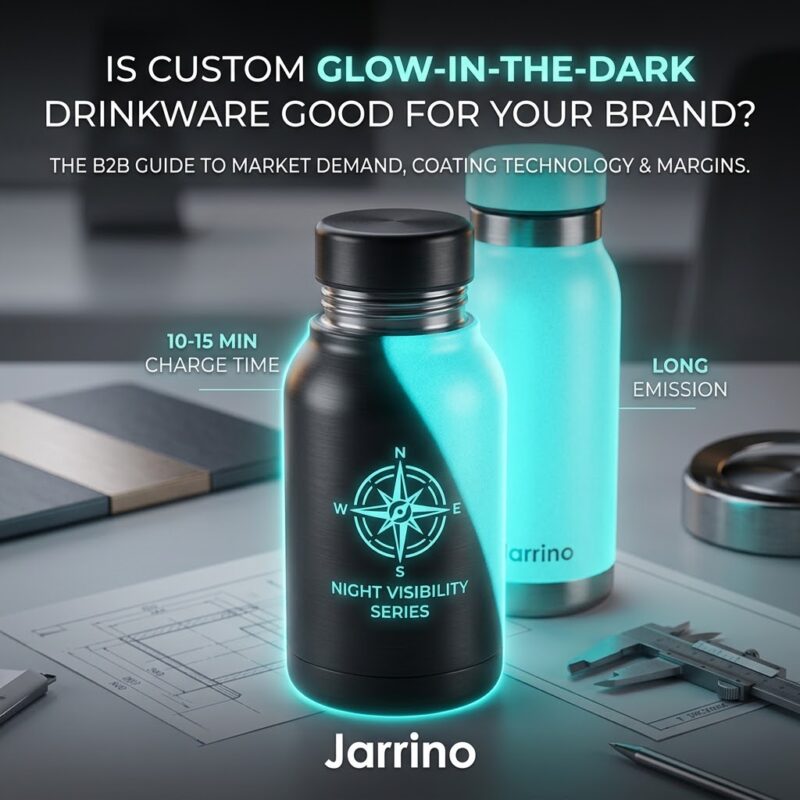
Los vasos personalizados que brillan en la oscuridad ofrecen a las marcas privadas una oportunidad de alto margen en un mercado competitivo. Jarrino proporciona calidad industrial, Recubrimientos fotoluminiscentes aptos para alimentos., Garantizar la durabilidad y el cumplimiento al tiempo que se dirige a los sectores de actividades al aire libre y juveniles., Impulsar el atractivo viral en las redes sociales y la diferenciación de productos..
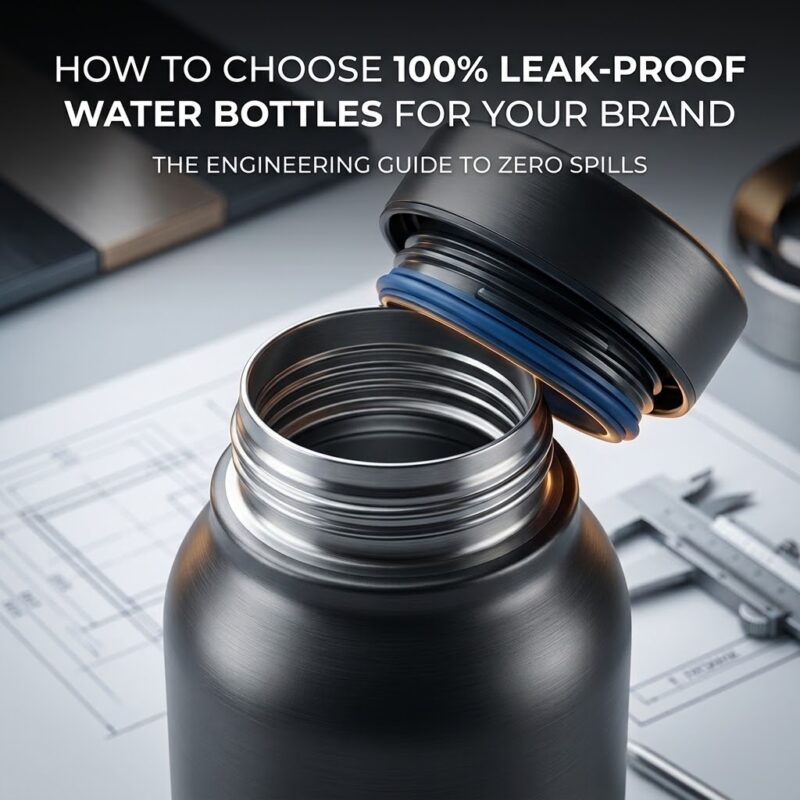
Esta guía ayuda a las marcas de bebidas a seleccionar 100% Botellas de acero inoxidable a prueba de fugas mediante el análisis de pruebas de control de calidad y la ingeniería de tapas.. Fabricantes como Jarrino utilizan el modelo invertido., sacudida, y pruebas de presión de aire para verificar los sellos.. Los tapones de rosca tradicionales ofrecen una protección absoluta contra fugas., mientras que las tapas abatibles y las tapas con pajitas para bloquear requieren juntas de silicona precisas, Precisión de rosca CNC, y válvulas de aire unidireccionales para evitar derrames..
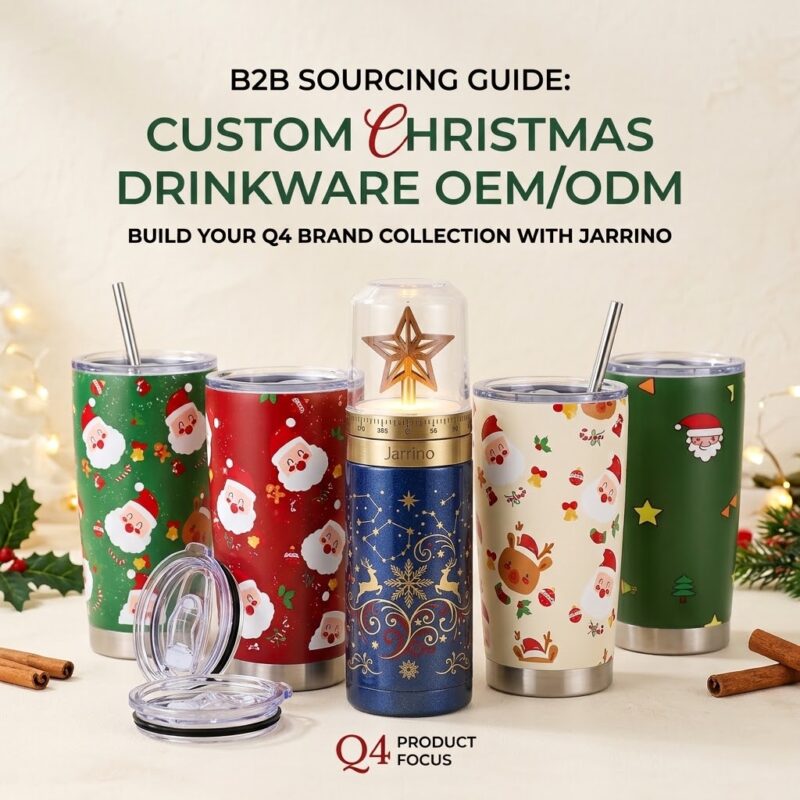
Jarrino es un fabricante certificado OEM/ODM que se especializa en matraces de vacío personalizados., vasos revestidos de cerámica, y vasos de titanio. Los plazos de entrega para los pedidos navideños personalizados del cuarto trimestre son de 20 a 30 días con MOQ bajos (300–1.000 unidades) y cumplimiento total de FDA/LFGB. Ofrecemos personalización de extremo a extremo, incluida la impresión digital 3D., grabado con láser, y embalaje de regalo de Navidad personalizado. Los kits de muestra y las cotizaciones están disponibles previa solicitud para ayudar a las marcas a asegurar la producción navideña del cuarto trimestre sin problemas..
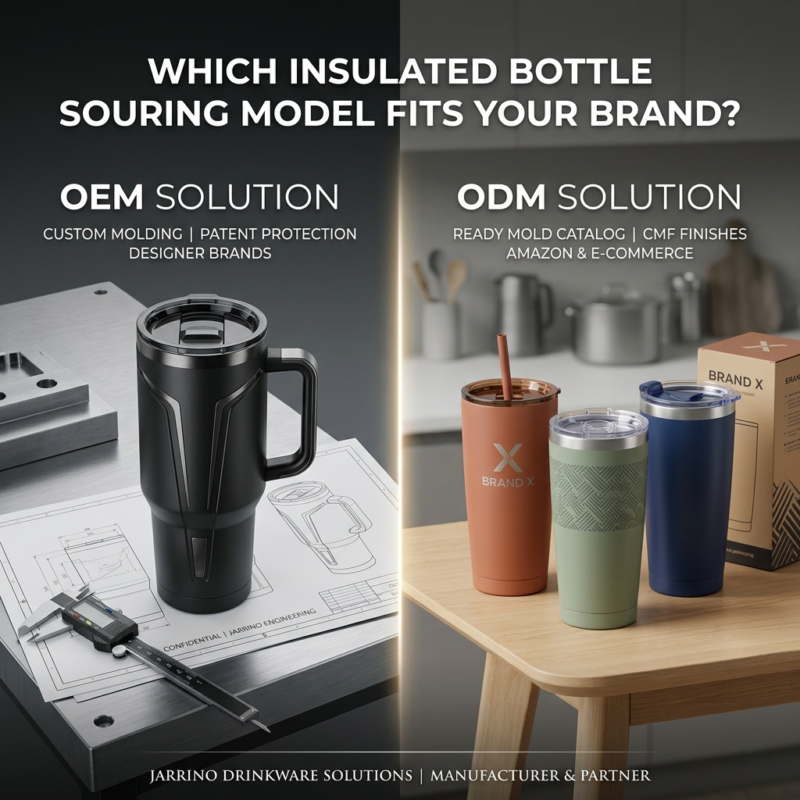
Elegir entre OEM (Fabricación de equipos originales) y ODM (Fabricación de diseño original) define la R de su marca de bebidas&presupuesto D, tiempo de comercialización, y exclusividad del producto. OEM es ideal para marcas establecidas con diseños CAD personalizados y requisitos de IP únicos, ofrenda 100% moldeado personalizado y protección de patentes. ODM está diseñado para vendedores de Amazon, Inicios de DTC, y compradores corporativos que buscan cero costos de herramientas, MOQ bajos, y lanzamientos rápidos de productos a través de acabados CMF avanzados (recubrimiento en polvo, impresión ultravioleta).
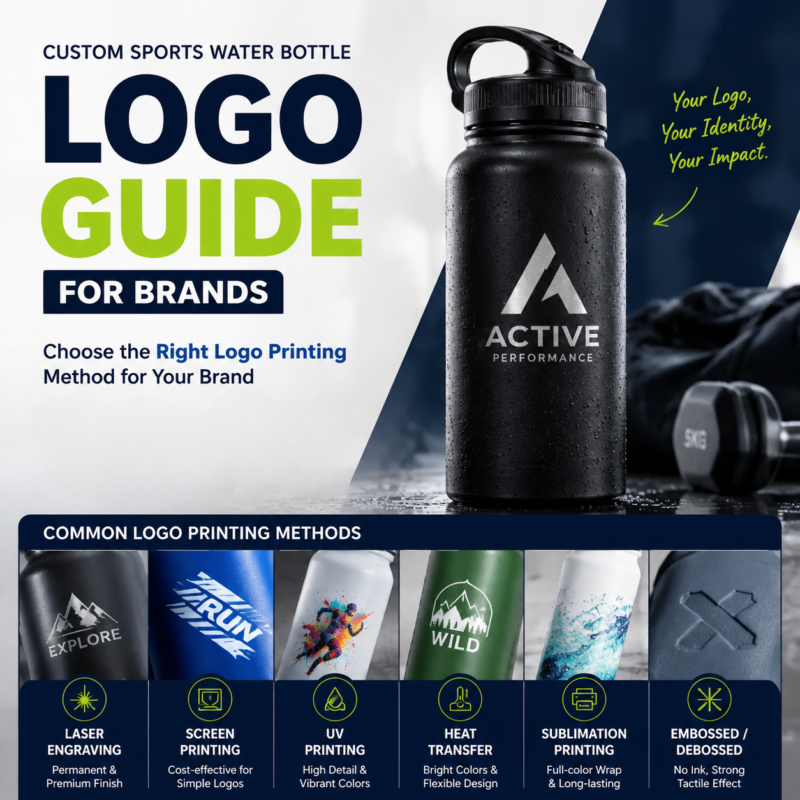
Los logotipos personalizados de botellas de agua deportivas se crean mediante diferentes procesos de decoración según el material de la botella., diseño de marca, y requisitos de rendimiento. Esta guía cubre los métodos de impresión de logotipos más comunes., incluyendo grabado láser, serigrafía, impresión ultravioleta, transferencia de calor, y sublimación, Ayudar a las marcas deportivas a seleccionar la opción de personalización adecuada para productos de bebidas duraderos y profesionales..
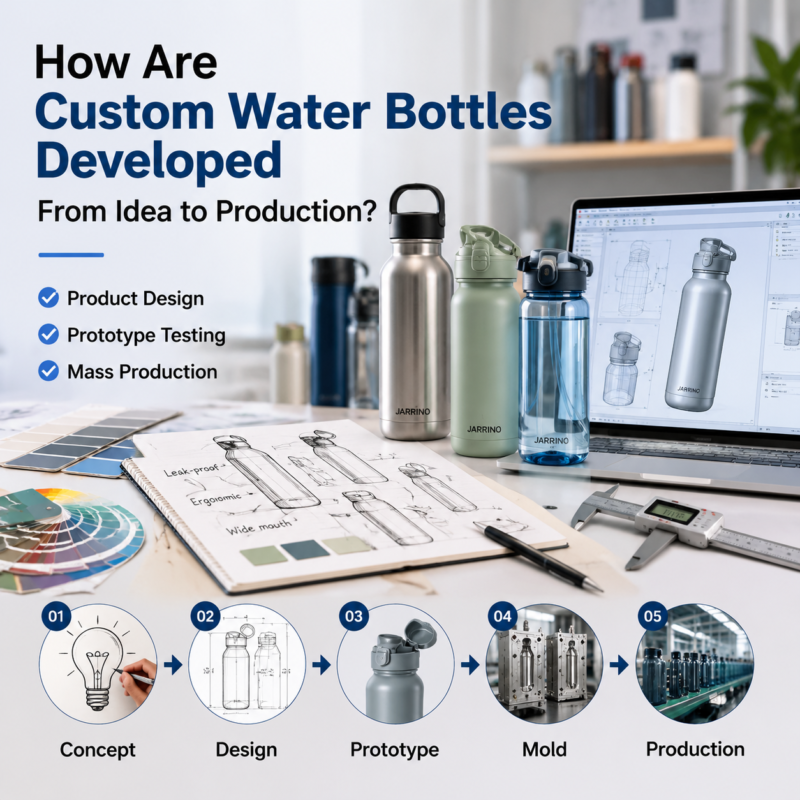
Desarrollar una botella de agua personalizada requiere más que elegir un diseño y agregar un logotipo.. Desde el concepto inicial del producto hasta la ingeniería, creación de prototipos, desarrollo de moldes, pruebas, y producción en masa, Cada etapa juega un papel importante en la creación de un producto de bebida exitoso.. Esta guía explica cómo las marcas trabajan con los fabricantes de botellas de agua OEM para transformar ideas en alta calidad., Productos listos para el mercado mientras se gestiona el diseño., costo, y desafíos de producción.
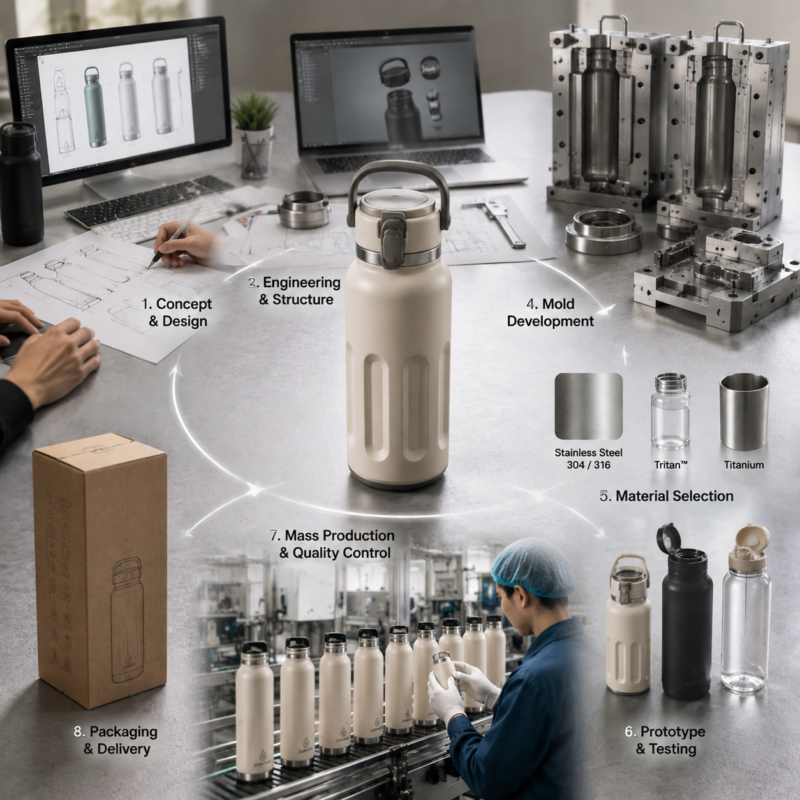
Desarrollar una botella de agua totalmente personalizada implica mucho más que añadir un logotipo a un producto existente.. Esta guía explica cómo las marcas crean botellas de agua únicas a través del diseño de productos., ingeniería, selección de material, desarrollo de moldes, prueba de prototipo, y producción en masa. Descubra cómo un experimentado fabricante de botellas de agua OEM ayuda a transformar una idea en un producto listo para el mercado mientras gestiona la calidad., costo, y eficiencia de producción.
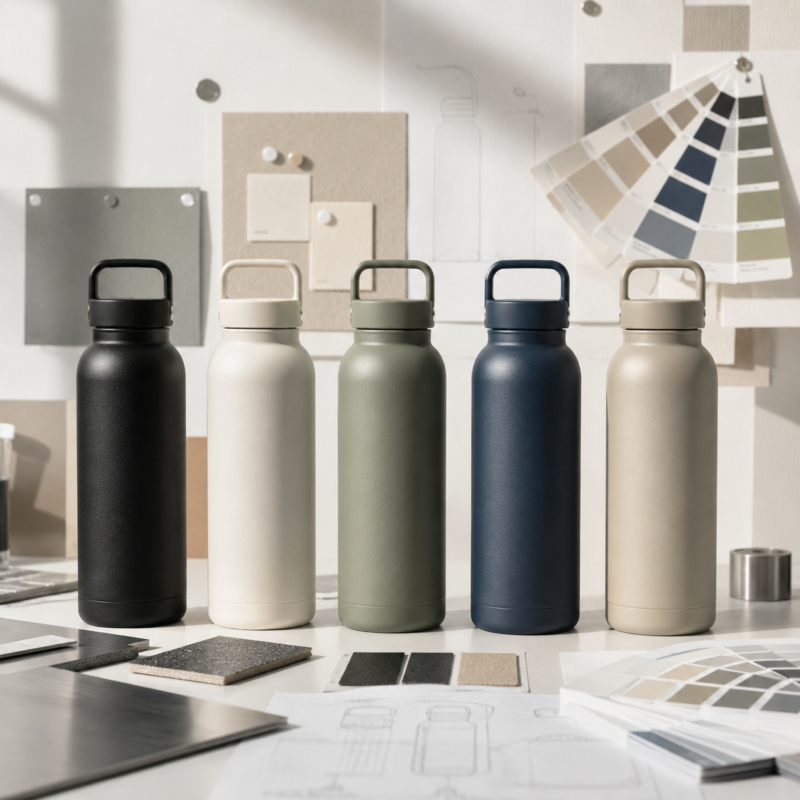
El éxito de una colección de botellas de agua personalizadas depende de algo más que colores atractivos. Elegir la paleta de colores adecuada, acabado superficial, y la estrategia de fabricación ayuda a fortalecer la identidad de la marca, mejorar el atractivo del cliente, y asegurar ventas a largo plazo. Esta guía explica cómo seleccionar colores según las preferencias del mercado., comparar acabados mate y brillante, optimizar los SKU, y lograr una calidad constante a través de la producción OEM profesional.
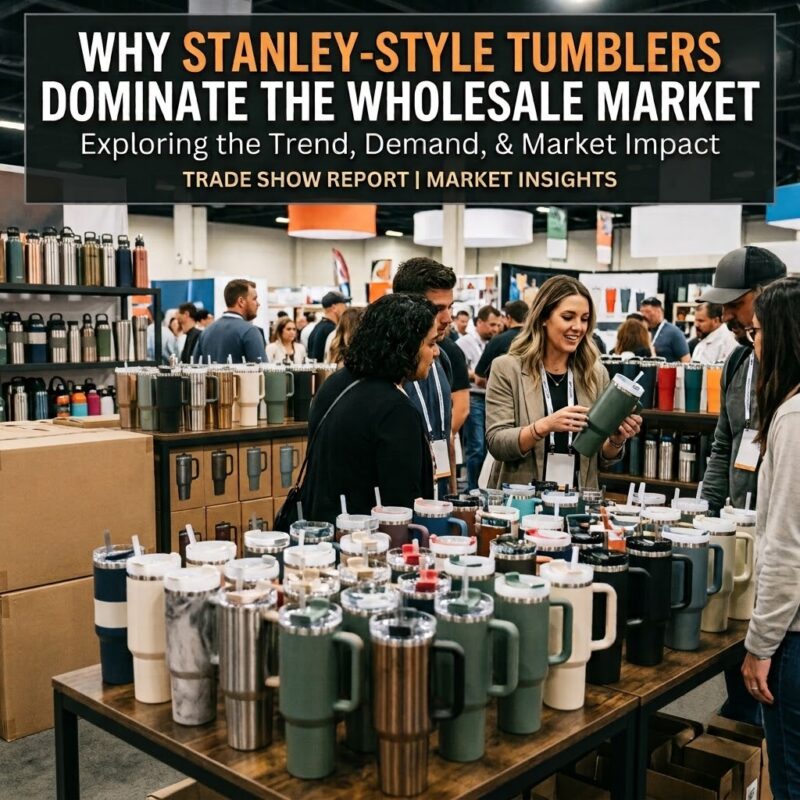
Los vasos estilo Stanley se han convertido en un fenómeno cultural y un éxito de ventas al por mayor. Este artículo explora por qué – desde 18/8 Acero inoxidable y aislamiento al vacío de doble pared para un alto valor percibido., potencial de personalización, y demanda constante de pedidos repetidos. Descubra qué hace que estos vasos sean confiables, categoría rentable para compradores mayoristas.
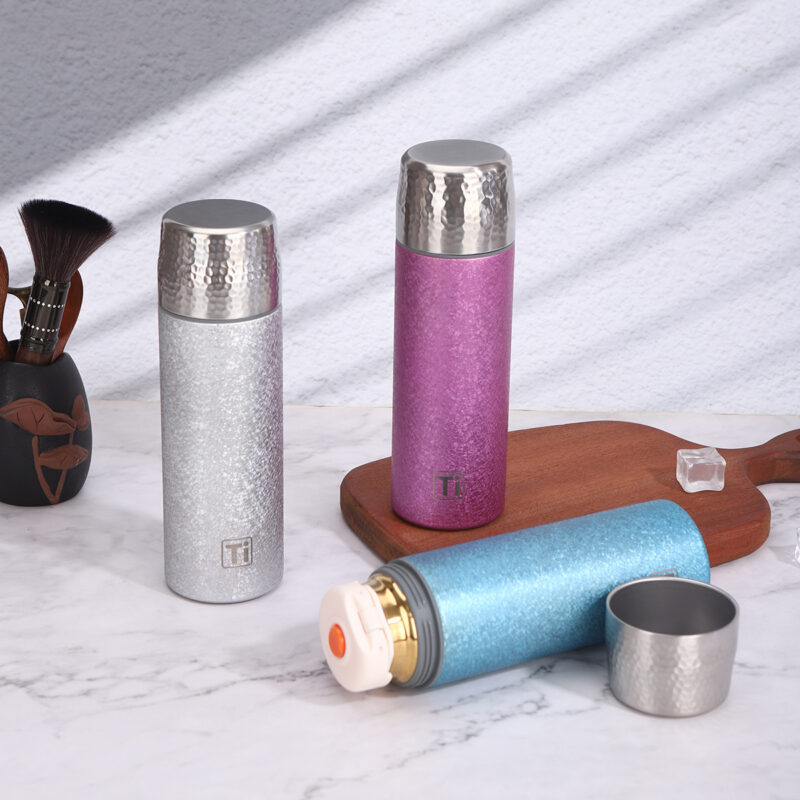
El titanio es seguro. También es caro. Así es como se compara con el acero inoxidable y el aluminio, y qué material realmente tiene sentido para su marca..
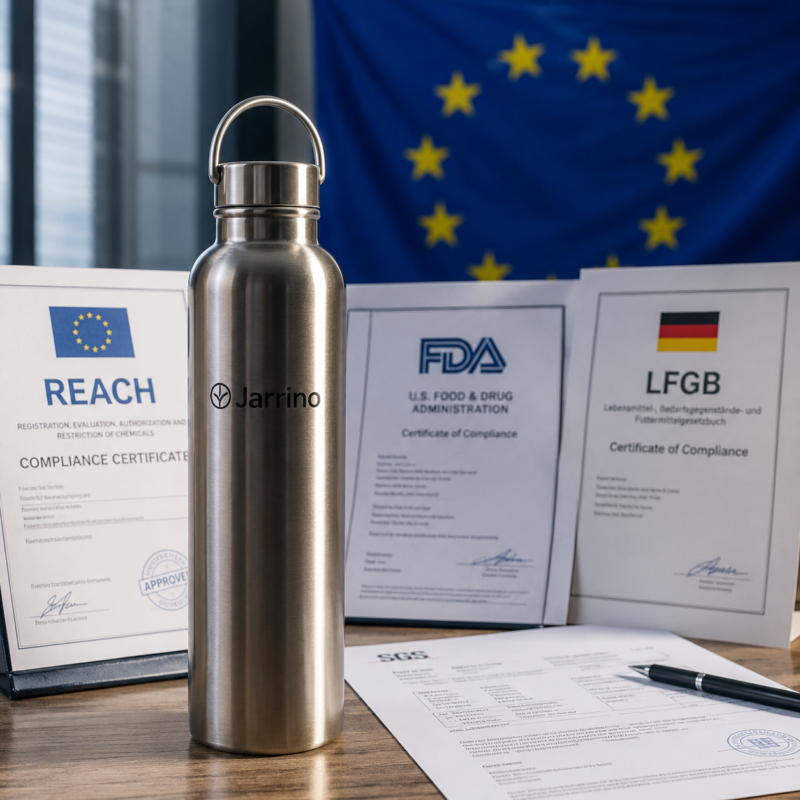
Descubra cómo funciona el Reglamento de Microplásticos de la UE (UE) 2026/1168 Afecta a los fabricantes de botellas de agua personalizadas y a las marcas privadas de bebidas y bebidas.. Descubra cómo Jarrino ayuda a los importadores a cumplir con REACH con botellas de agua duraderas de acero inoxidable.
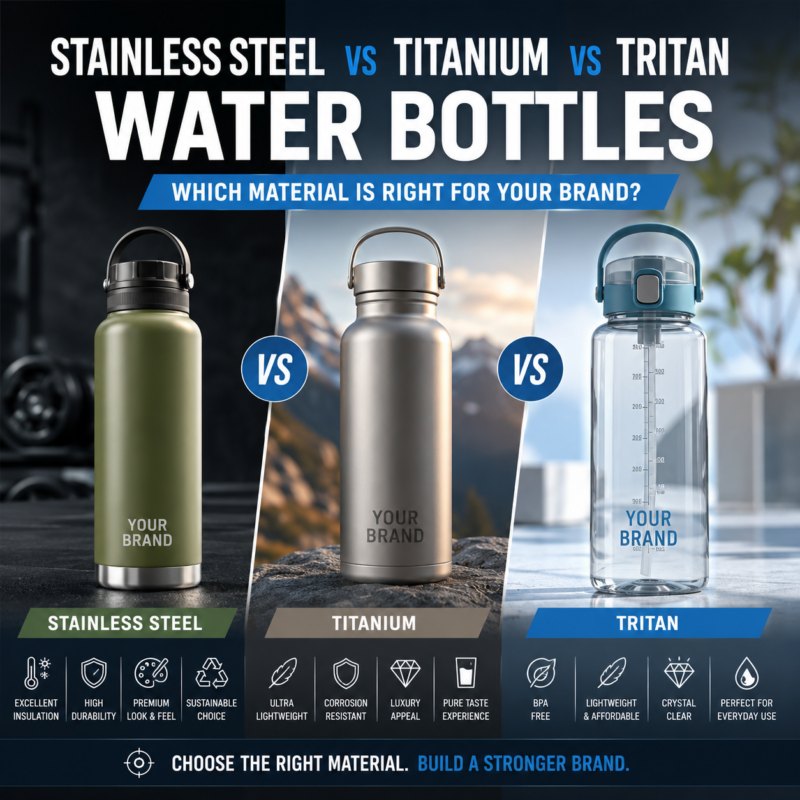
Choosing the right water bottle material can significantly impact your product quality, precios, and brand positioning. This guide compares stainless steel, titanio, and Tritan water bottles across durability, aislamiento, costo, personalización, and sustainability to help brands, minoristas, and OEM buyers select the best material for their target market.
Para brindar las mejores experiencias., Usamos tecnologías como cookies para almacenar y/o acceder a información del dispositivo.. Dar su consentimiento a estas tecnologías nos permitirá procesar datos como el comportamiento de navegación o identificaciones únicas en este sitio.. No dar o retirar el consentimiento, puede afectar negativamente a ciertas características y funciones.
Funcional
Siempre activo
El almacenamiento o acceso técnico es estrictamente necesario con la finalidad legítima de posibilitar el uso de un servicio específico solicitado explícitamente por el suscriptor o usuario., o con el único fin de realizar la transmisión de una comunicación a través de una red de comunicaciones electrónicas.
Preferencias
El almacenamiento o acceso técnico es necesario con el fin legítimo de almacenar preferencias que no son solicitadas por el suscriptor o usuario..
Estadística
El almacenamiento o acceso técnico que se utilice exclusivamente con fines estadísticos..El almacenamiento o acceso técnico que se utilice exclusivamente con fines estadísticos anónimos.. Sin citación, Cumplimiento voluntario por parte de su proveedor de servicios de Internet., o registros adicionales de un tercero, La información almacenada o recuperada solo para este propósito generalmente no puede usarse para identificarlo..
Marketing
El almacenamiento o acceso técnico es necesario para crear perfiles de usuario para enviar publicidad., o para rastrear al usuario en un sitio web o en varios sitios web con fines de marketing similares.