
Pare de jogar o jogo MOQ: Uma maneira mais inteligente de expandir sua marca

Related Posts
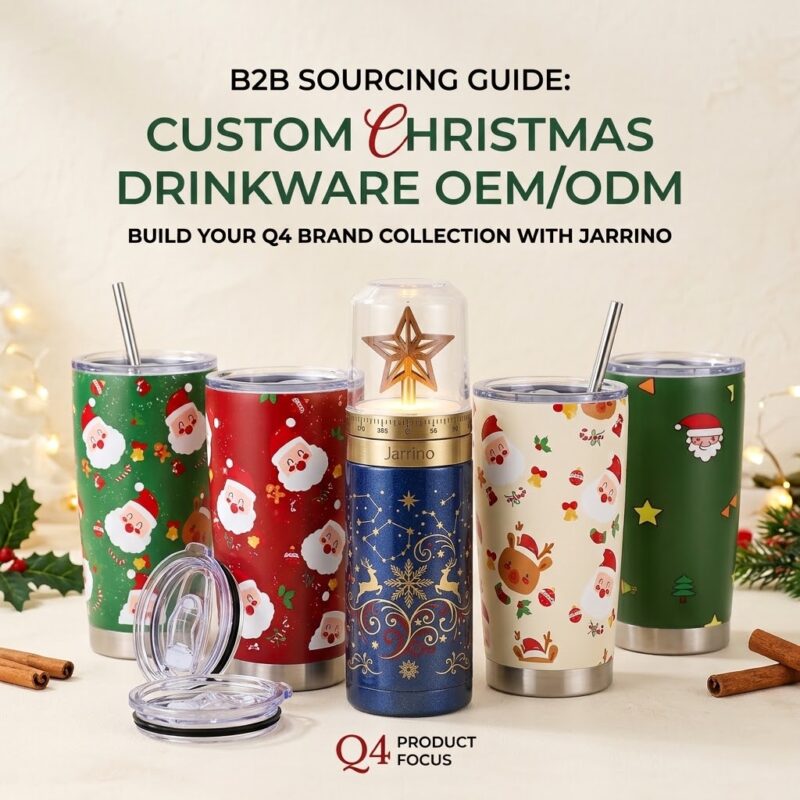
Custom Christmas Drinkware: Complete OEM/ODM Manufacturing Guide
Jarrino is a certified OEM/ODM manufacturer specializing in custom vacuum flasks, ceramic-lined tumblers, and titanium drinkware. Lead times for Q4 custom Christmas orders are 20–30 days with low MOQs (300–1,000 pcs) and full FDA/LFGB compliance. We offer end-to-end customization including 3D digital printing, Gravura a laser, and bespoke Christmas gift packaging. Sample kits and the quotes are available upon request to help brands lock in Q4 holiday production smoothly.
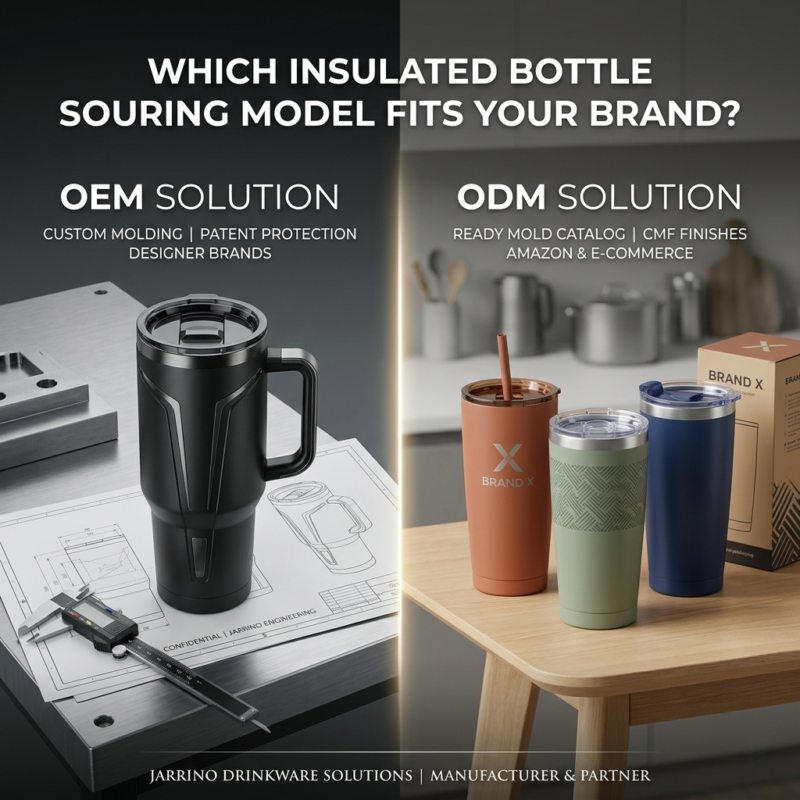
OEM vs. ODM Insulated Tumblers: Which Sourcing Model Fits Your Drinkware Brand
Choosing between OEM (Original Equipment Manufacturing) and ODM (Original Design Manufacturing) defines your drinkware brand’s R&D budget, time-to-market, and product exclusivity. OEM is ideal for established brands with custom CAD designs and unique IP requirements, offering 100% custom molding and patent protection. ODM is built for Amazon sellers, DTC startups, and corporate buyers seeking zero tooling costs, low MOQs, and rapid product launches via advanced CMF finishes (powder coating, UV printing).
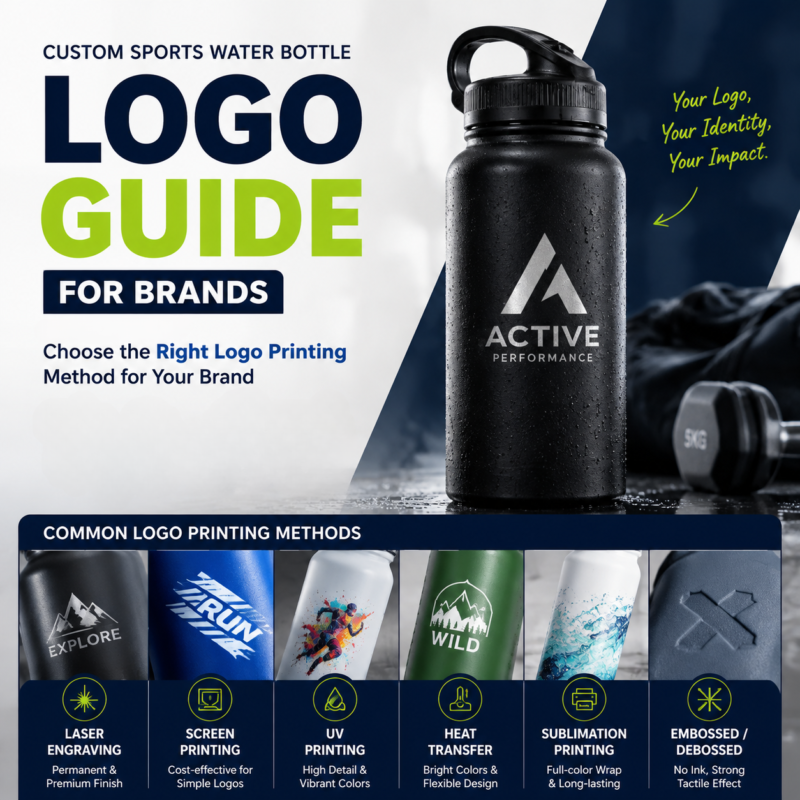
Custom Sports Water Bottle Logo Guide for Brands
Custom sports water bottle logos are created through different decoration processes depending on the bottle material, brand design, and performance requirements. This guide covers the most common logo printing methods, including laser engraving, screen printing, UV printing, transferência de calor, and sublimation, helping sports brands select the right customization option for durable and professional drinkware products.
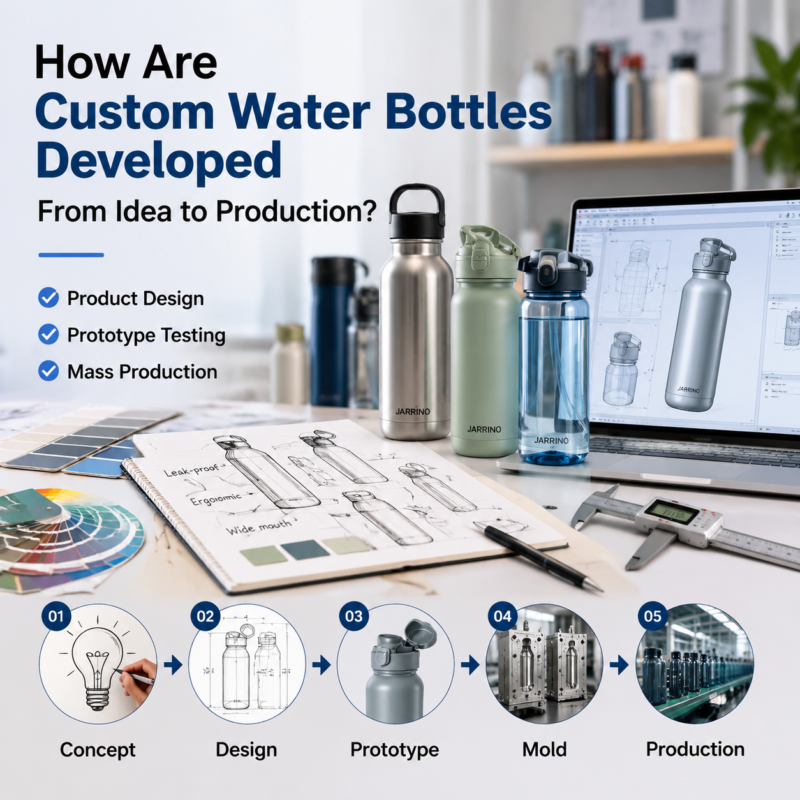
How Are Custom Water Bottles Developed From Idea to Production?
Developing a custom water bottle requires more than choosing a design and adding a logo. From the initial product concept to engineering, prototyping, mold development, testing, and mass production, every stage plays an important role in creating a successful drinkware product. This guide explains how brands work with OEM water bottle manufacturers to transform ideas into high-quality, market-ready products while managing design, custo, and production challenges.
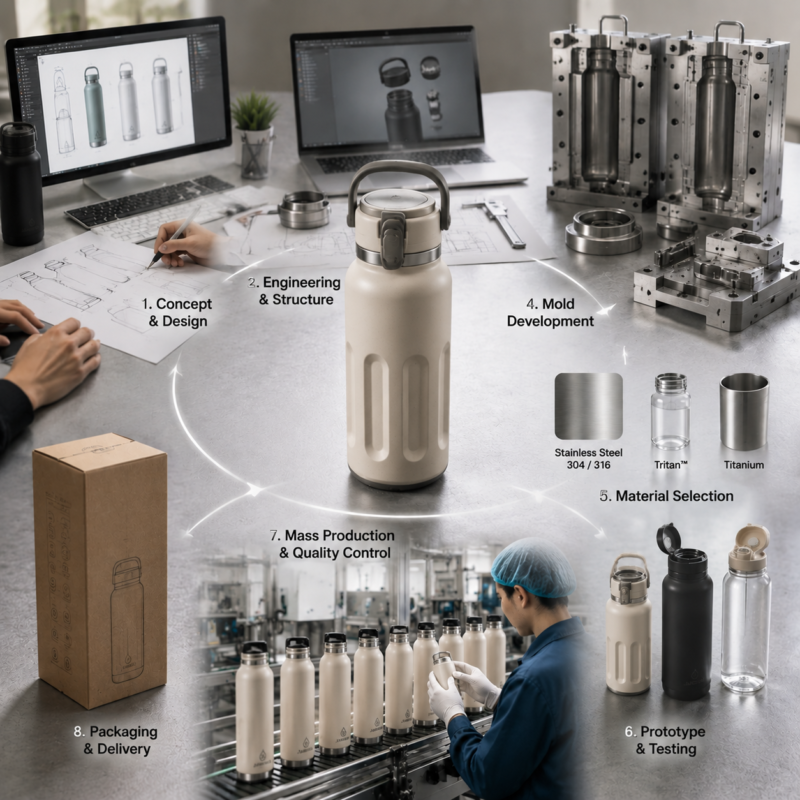
How Are Fully Custom Water Bottles Made?
Developing a fully custom water bottle involves much more than adding a logo to an existing product. This guide explains how brands create unique water bottles through product design, engineering, Seleção de material, mold development, prototype testing, and mass production. Learn how an experienced OEM water bottle manufacturer helps transform an idea into a market-ready product while managing quality, custo, e eficiência de produção.
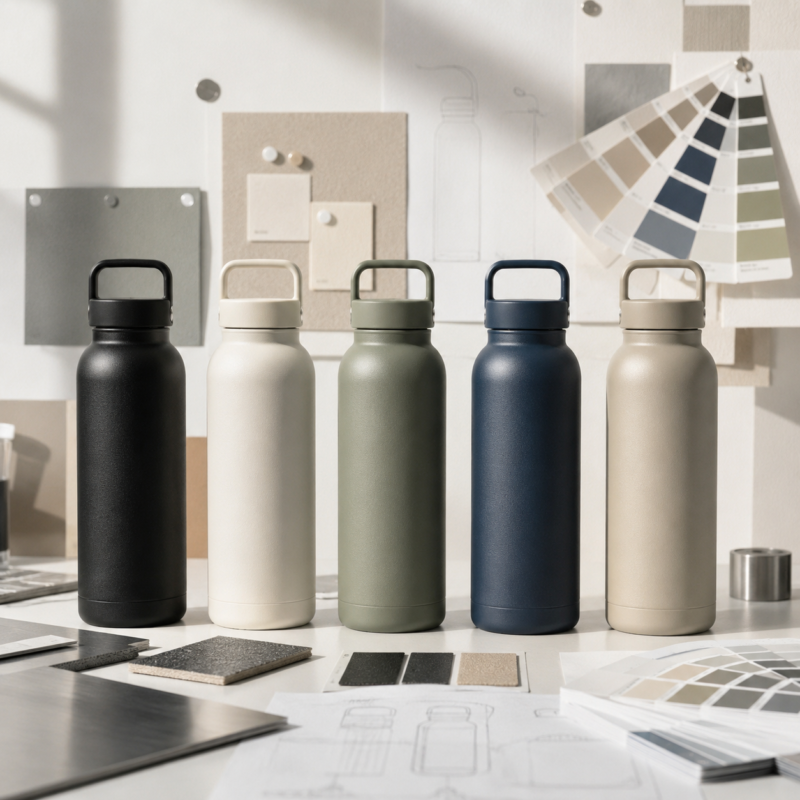
Como escolher cores e acabamentos para garrafas de água personalizadas
O sucesso de uma coleção de garrafas de água personalizadas depende de mais do que cores atraentes. Escolhendo a paleta de cores certa, acabamento superficial, e a estratégia de fabricação ajuda a fortalecer a identidade da marca, melhorar o apelo do cliente, e garantir vendas a longo prazo. Este guia explica como selecionar cores com base nas preferências do mercado, compare acabamentos foscos e brilhantes, otimizar SKUs, e alcançar qualidade consistente através da produção OEM profissional.
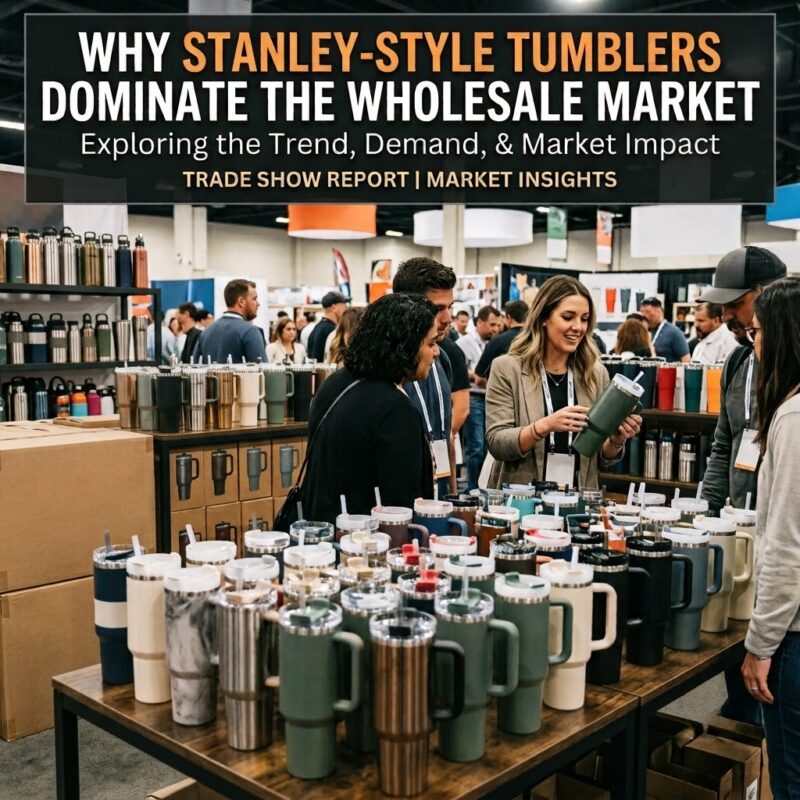
Por que os copos estilo Stanley dominam o mercado atacadista
Os copos estilo Stanley se tornaram um fenômeno cultural e um best-seller no atacado. Este artigo explora o porquê – desde 18/8 aço inoxidável e isolamento a vácuo de parede dupla com alto valor percebido, potencial de personalização, e demanda constante de pedidos repetidos. Saiba o que torna esses copos confiáveis, categoria lucrativa para compradores atacadistas.
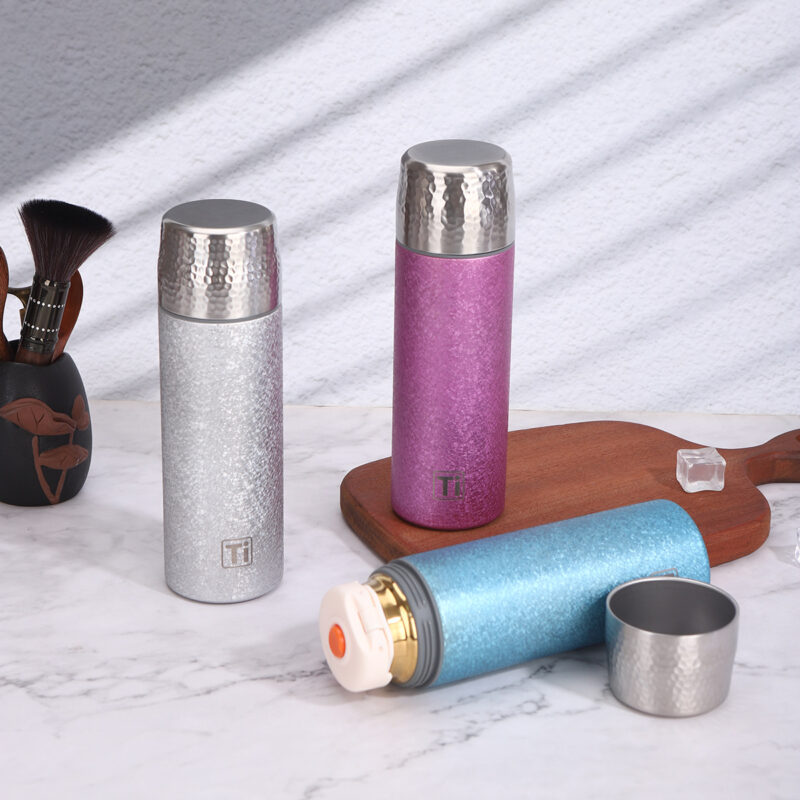
As garrafas de água de titânio são seguras?
Titânio é seguro. Também é caro. Veja como ele se compara ao aço inoxidável e ao alumínio – e qual material realmente faz sentido para sua marca.
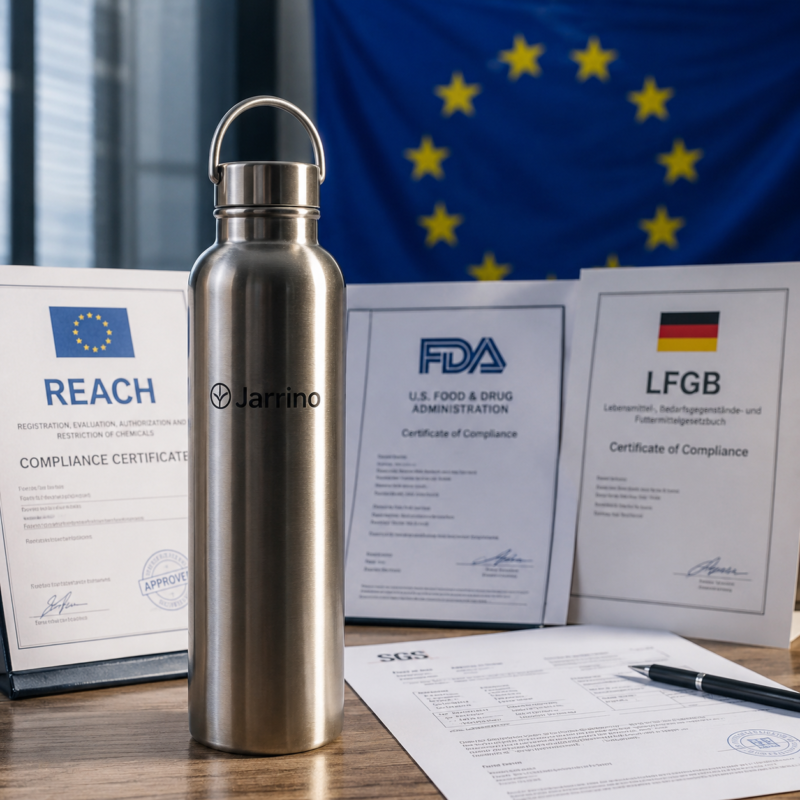
Regulamento de Microplásticos da UE 2026: O que todo fabricante de garrafas de água personalizadas deve saber
Saiba como funciona o Regulamento de Microplásticos da UE (UE) 2026/1168 afeta fabricantes de garrafas de água personalizadas e marcas próprias de bebidas. Descubra como Jarrino ajuda os importadores a manter a conformidade com o REACH com garrafas de água duráveis de aço inoxidável.
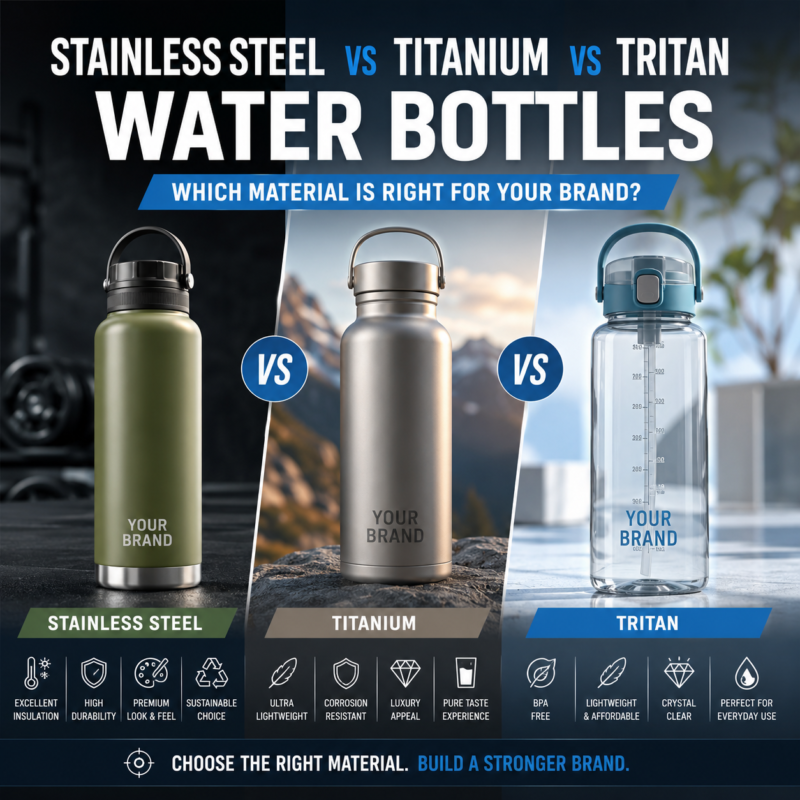
Stainless Steel vs Titanium vs Tritan Water Bottles: Which Material Is Right for Your Brand?
Choosing the right water bottle material can significantly impact your product quality, pricing, and brand positioning. This guide compares stainless steel, titânio, and Tritan water bottles across durability, isolamento, custo, personalização, and sustainability to help brands, retailers, and OEM buyers select the best material for their target market.
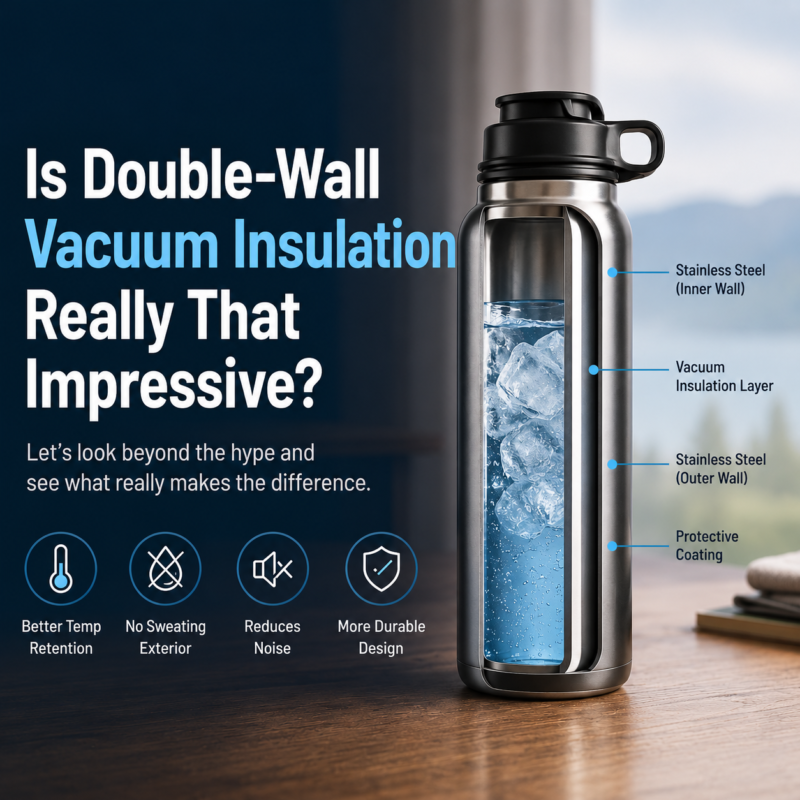
O isolamento a vácuo de parede dupla é realmente tão impressionante?
Double‑wall vacuum insulation is standard in premium drinkware, but the difference between a bottle that performs and one that disappoints comes down to manufacturing quality. This guide explains how vacuum insulation works, sets realistic performance expectations, and gives B2B buyers a practical checklist for evaluating suppliers. Plus, why Jarrino’s strict quality standards ensure your custom bottles deliver on their promises.
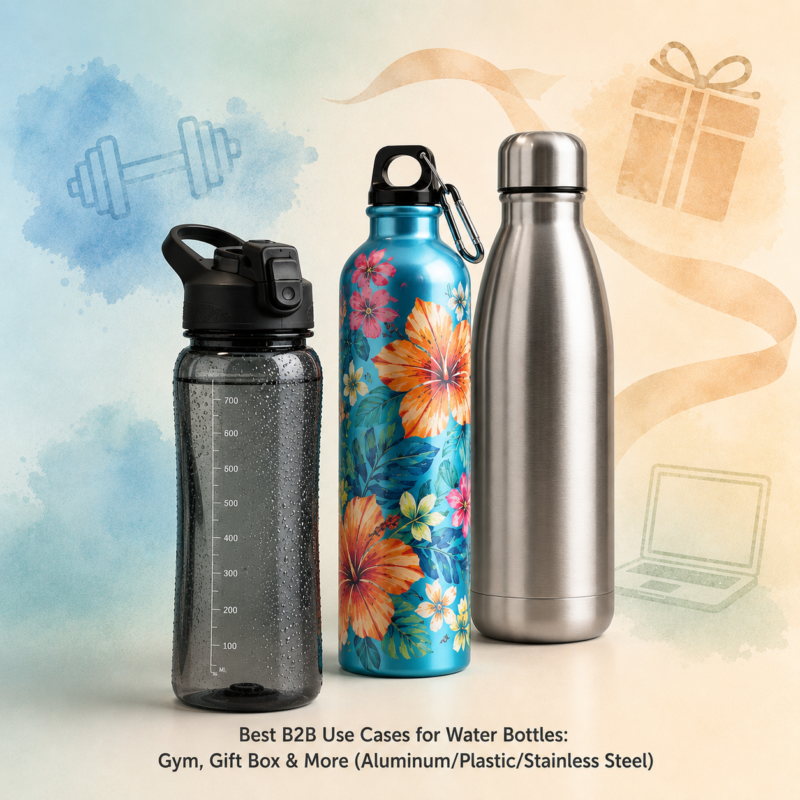
Melhores casos de uso B2B para garrafas de água: Academia, Caixa de presente & Mais (Alumínio/Plástico/Aço)
Nem toda garrafa de água se adapta a todos os casos de uso B2B. Este artigo corresponde a três materiais – aço inoxidável, alumínio, plástico — para aplicações do mundo real: academias, caixas de presente corporativas, feiras, varejo ao ar livre, e programas escolares. O aço inoxidável ganha em durabilidade e isolamento. O alumínio oferece leveza, marca colorida. O plástico é econômico para eventos de alto volume (desde que seja livre de BPA). Uma folha de dicas rápida ajuda os compradores B2B a equilibrar os custos, imagem da marca, e expectativas do usuário.