
As garrafas de água de titânio são seguras?
Índice
Se você estiver fornecendo titanium water bottles for your brand, you’ve probably asked: are titanium water bottles safe? And if they are, why isn’t everyone using them?
The short answer: yes, titanium water bottles are among the safest drinkware options available. But safety is only part of the story. For B2B buyers, the real question is whether titanium makes sense for your brand, your customers, and your budget.
This guide covers everything you need to know about titanium water bottle safety, how it compares to stainless steel and aluminum, and whether titanium is the right choice for your product line.
What Is a Titanium Water Bottle?
A titanium bottle is a drinking vessel made primarily from commercially pure titanium or titanium alloys. Unlike stainless steel or aluminum, titanium is a biocompatible metal — meaning it does not react with the human body or with food and beverages.
Titanium drinking bottles are prized for three key characteristics:
- Extremely lightweight – about 45% lighter than stainless steel
- Completely inert – no metallic taste, no chemical leaching
- Highly corrosion‑resistant – titanium does not rust or degrade over time
These properties make titanium water bottles popular in outdoor, ultralight, and premium lifestyle segments. No entanto, they also come with a significant price premium.
Are Titanium Water Bottles Safe for Daily Use?
Sim. A titanium water bottle is one of the safest options on the market.
Here’s why:
No Chemical Leaching
Titanium is non‑toxic and does not react with beverages, even highly acidic ones like fruit juice or coffee. Unlike some plastics or coated aluminum, titanium does not require a liner to protect against corrosion. There is simply nothing to leach.
This makes titanium water bottles a compelling choice for health‑conscious consumers and brands targeting safety‑focused audiences.
No Metallic Taste
Some metal water bottles — particularly lower‑grade aluminum or stainless steel — can leave a slight metallic taste, especially with acidic or hot drinks. A titanium water bottle does not. The metal is completely inert, preserving the taste of the beverage without interference.
Medical‑Grade Material
Titanium is widely used in medical implants, surgical instruments, and aerospace applications. Its biocompatibility is well documented. If a material is safe enough to be implanted in the human body, it is certainly safe enough for drinking water.
No Coatings Required
Aluminum bottles often require internal epoxy or ceramic coatings to prevent corrosion. If these coatings degrade, they can leach into the beverage. A titanium bottle requires no coating. The metal itself is safe.
Titanium vacuum bottles offer the same safety advantages with the added benefit of thermal insulation — keeping drinks hot or cold for extended periods.
Titanium Water Bottles vs Stainless Steel vs Aluminum: A Practical Comparison
Understanding what are water bottles made of helps you evaluate whether titanium is the right choice for your brand.
| Material | Safety | Peso | Durability | Cost |
|---|---|---|---|---|
| Titânio | Excellent (no coating required) | Lightest | Very good | High |
| Aço inoxidável (304/316) | Excellent (no coating required) | Medium | Excellent | Medium |
| Aluminum | Requires coating; coating quality matters | Light | Moderate | Low |
Titanium vs Stainless Steel
What are metal water bottles made of is a common question, and the answer often comes down to titanium or stainless steel:
- Aço inoxidável offers the best combination of durability, safety, and cost for most B2B applications. It is highly dent‑resistant, provides excellent thermal performance (12‑24 hours), and is widely accepted by customers.
- Titânio is lighter and more expensive. A titanium thermos bottle does not perform significantly better than a high‑quality stainless steel thermos in thermal retention — but it is noticeably lighter.
Aluminum Water Bottle vs Stainless Steel
When comparing aluminum water bottle vs stainless steel, the key difference is the coating requirement:
- Aluminum is lightweight and inexpensive but relies on internal coatings for safety. If the coating is damaged, the bottle becomes unsafe.
- Aço inoxidável does not require a coating and is inherently safe. It is also more dent‑resistant and longer‑lasting.
What Are Metal Water Bottles Made Of?
Water bottle material choices typically fall into three categories: titânio, aço inoxidável, and aluminum. Stainless steel remains the most popular choice for B2B buyers due to its balance of quality, safety, and cost.
What Makes Titanium Vacuum Bottles Unique?
A titanium vacuum bottle combines the lightweight benefits of titanium with double‑wall vacuum insulation. This combination creates a premium product that is both portable and functional.
No entanto, from a B2B sourcing perspective, titanium vacuum bottles come with trade‑offs:
- Desempenho térmico is comparable to stainless steel vacuum bottles, but at a significantly higher price.
- Weight savings of approximately 45% are meaningful for outdoor and travel applications.
- Durability is good, but titanium can scratch more easily than powder‑coated stainless steel.
Titanium thermos e titanium thermos vacuum bottle products are best positioned in premium or ultralight market segments.
Is Titanium the Safest Water Bottle?
Among commonly available metal water bottles, titanium is often considered the safest water bottle option due to its inert nature and lack of coating requirements.
No entanto, safety alone is rarely enough to justify the cost premium.
| Consideration | Titânio | Aço inoxidável | Aluminum |
|---|---|---|---|
| Inherently safe | Sim | Sim | Não (requires coating) |
| No metallic taste | Sim | Usually | Often (without coating) |
| No coating needed | Sim | Sim | Não |
| Proven longevity | Sim | Sim | Moderate |
For most brands, aço inoxidável offers similar safety with better durability and significantly lower cost. Titanium’s safety advantage is marginal — but its weight and price advantages are real for specific use cases.
Which Material Should You Choose for Your Brand?
The decision between titanium, aço inoxidável, and aluminum depends on your target market and brand positioning.
Choose Titanium If:
- Your brand targets premium, ultralight, or outdoor performance segments.
- Weight is a critical selling point.
- Your customers are willing to pay a significant premium for the material.
Choose Stainless Steel If:
- You want the best balance of safety, durabilidade, and cost.
- You need proven thermal performance.
- Your customers expect a durable, long‑lasting product.
Choose Aluminum If:
- You are running a large‑volume promotional campaign.
- Weight and cost are your primary constraints.
- You trust your manufacturer to maintain high‑quality coating standards.
Why Jarrino?
No Jarrino, we specialize in custom stainless steel water bottles — not titanium, not aluminum. We choose stainless steel because it offers the best combination of safety, durabilidade, and value for the majority of B2B buyers.
- Food‑grade 304 e 316 aço inoxidável
- LFGB, FDA, BSCI, and ISO9001 certified
- Full customization: Gravura a laser, powder coating, cores personalizadas, and packaging
- Quantidade mínima flexível: de 200 pedaços
We leave titanium to brands that need it. For everyone else, we make stainless steel that works.
📧 Contact us today for a quote and a sample: [email protected]
This article covers the key safety and performance differences between titanium, aço inoxidável, and aluminum water bottles. For specific product specifications and compliance requirements, please contact our team.
Related Posts
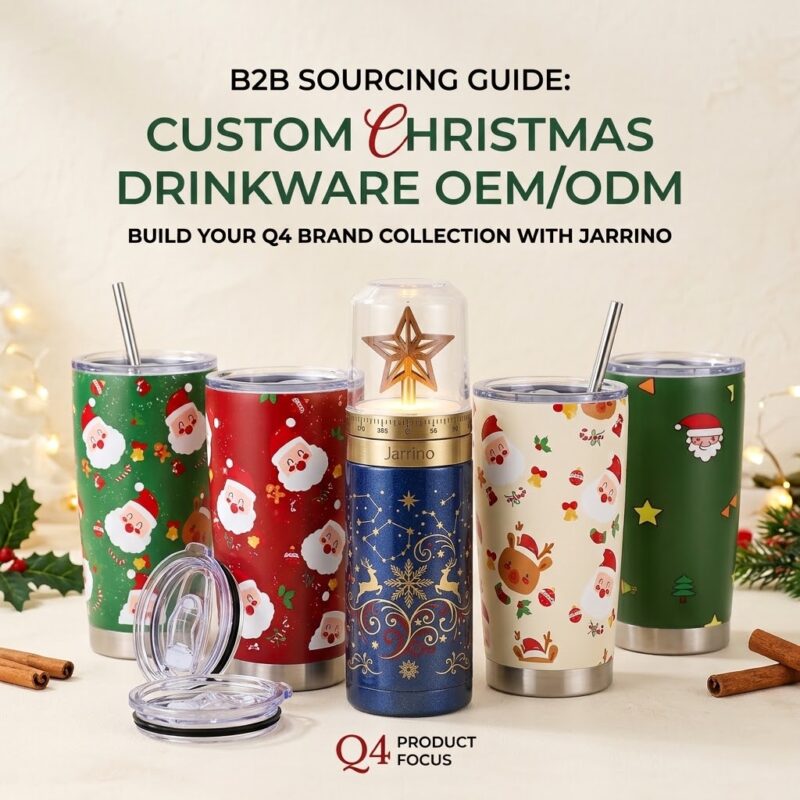
Custom Christmas Drinkware: Complete OEM/ODM Manufacturing Guide
Jarrino is a certified OEM/ODM manufacturer specializing in custom vacuum flasks, ceramic-lined tumblers, and titanium drinkware. Lead times for Q4 custom Christmas orders are 20–30 days with low MOQs (300–1,000 pcs) and full FDA/LFGB compliance. We offer end-to-end customization including 3D digital printing, Gravura a laser, and bespoke Christmas gift packaging. Sample kits and the quotes are available upon request to help brands lock in Q4 holiday production smoothly.
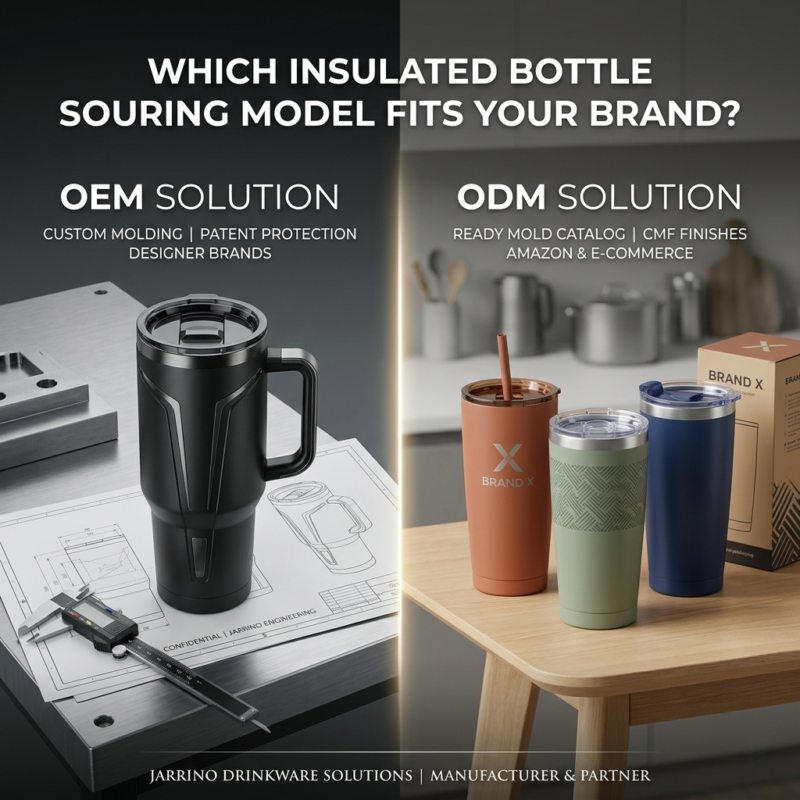
OEM vs. ODM Insulated Tumblers: Which Sourcing Model Fits Your Drinkware Brand
Choosing between OEM (Original Equipment Manufacturing) and ODM (Original Design Manufacturing) defines your drinkware brand’s R&D budget, time-to-market, and product exclusivity. OEM is ideal for established brands with custom CAD designs and unique IP requirements, offering 100% custom molding and patent protection. ODM is built for Amazon sellers, DTC startups, and corporate buyers seeking zero tooling costs, low MOQs, and rapid product launches via advanced CMF finishes (powder coating, UV printing).
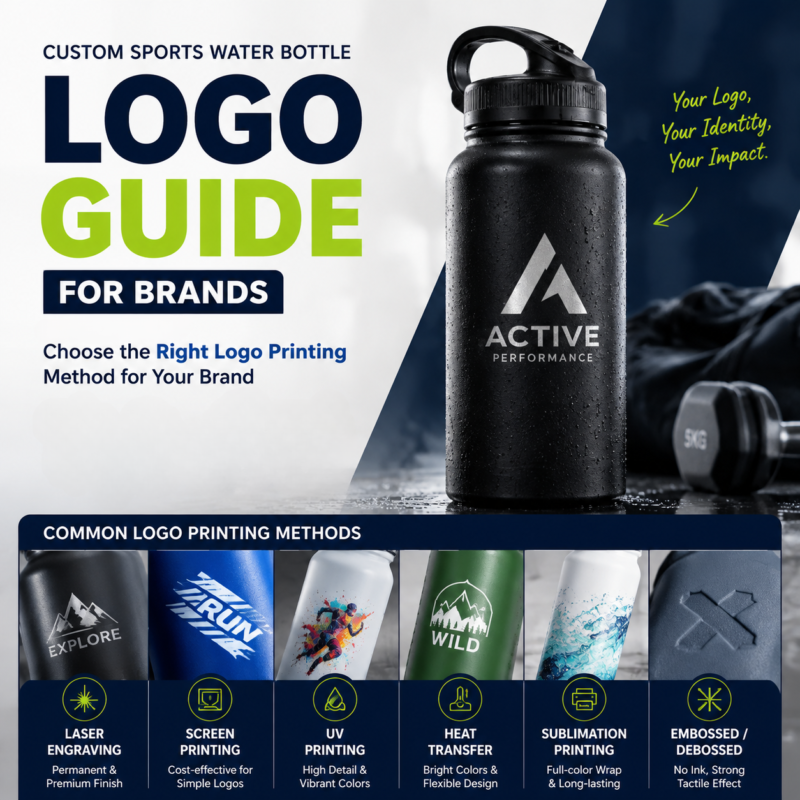
Custom Sports Water Bottle Logo Guide for Brands
Custom sports water bottle logos are created through different decoration processes depending on the bottle material, brand design, and performance requirements. This guide covers the most common logo printing methods, including laser engraving, screen printing, UV printing, transferência de calor, and sublimation, helping sports brands select the right customization option for durable and professional drinkware products.
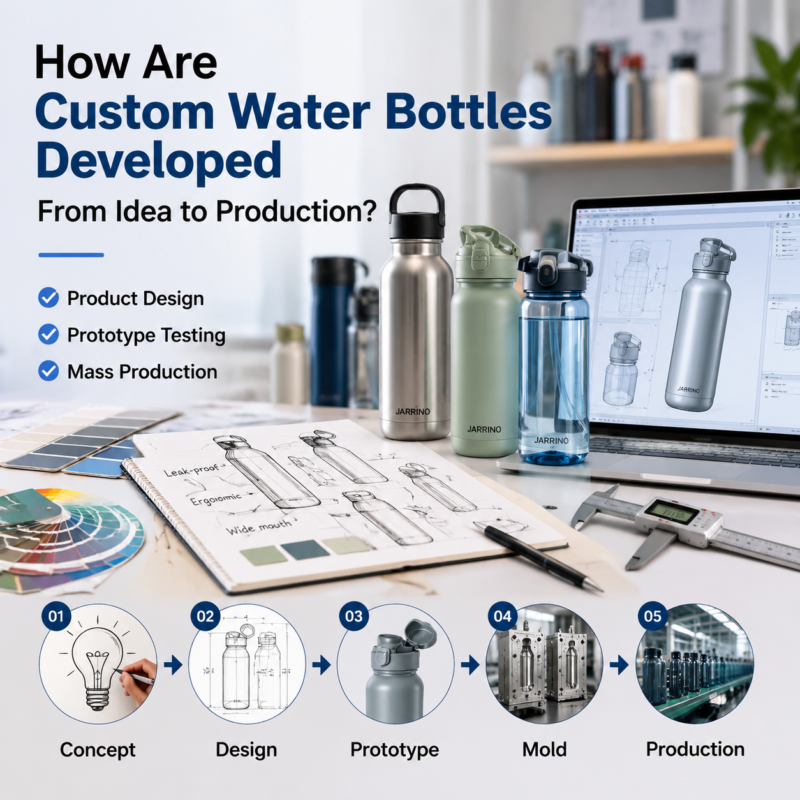
How Are Custom Water Bottles Developed From Idea to Production?
Developing a custom water bottle requires more than choosing a design and adding a logo. From the initial product concept to engineering, prototyping, mold development, testing, and mass production, every stage plays an important role in creating a successful drinkware product. This guide explains how brands work with OEM water bottle manufacturers to transform ideas into high-quality, market-ready products while managing design, custo, and production challenges.
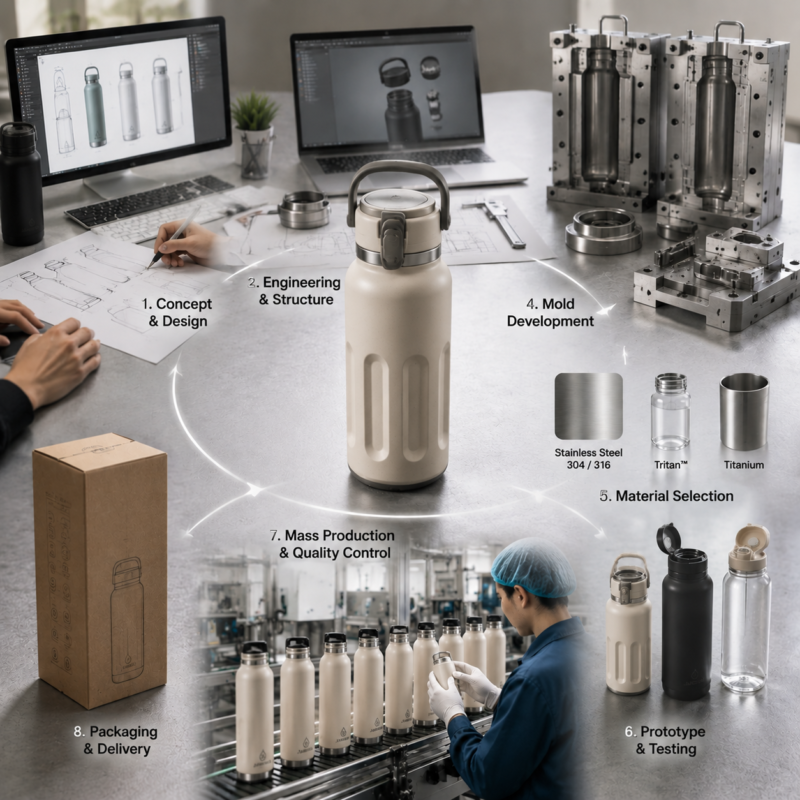
How Are Fully Custom Water Bottles Made?
Developing a fully custom water bottle involves much more than adding a logo to an existing product. This guide explains how brands create unique water bottles through product design, engineering, Seleção de material, mold development, prototype testing, and mass production. Learn how an experienced OEM water bottle manufacturer helps transform an idea into a market-ready product while managing quality, custo, e eficiência de produção.
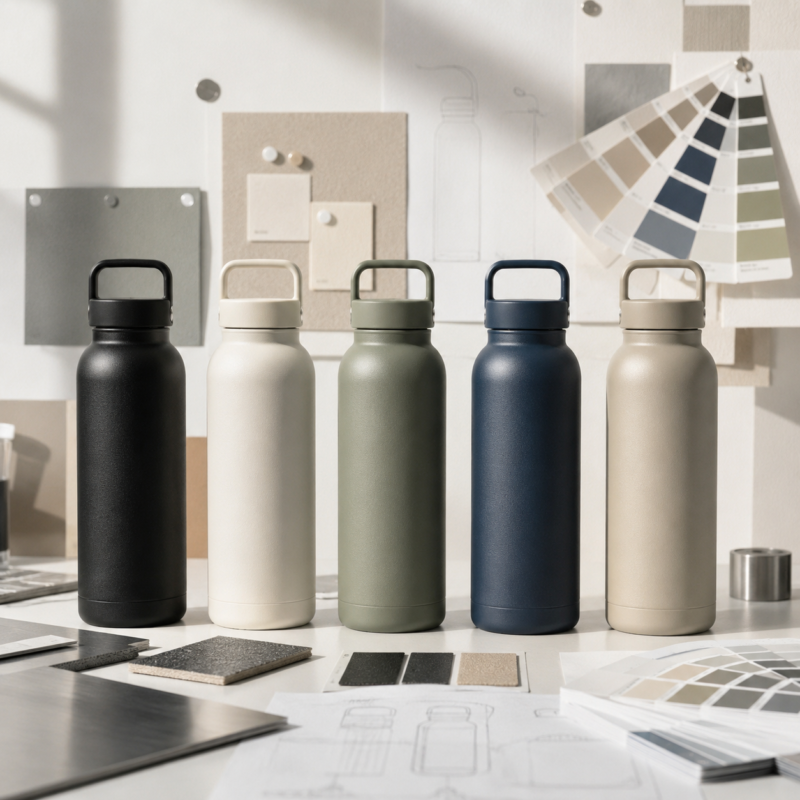
Como escolher cores e acabamentos para garrafas de água personalizadas
O sucesso de uma coleção de garrafas de água personalizadas depende de mais do que cores atraentes. Escolhendo a paleta de cores certa, acabamento superficial, e a estratégia de fabricação ajuda a fortalecer a identidade da marca, melhorar o apelo do cliente, e garantir vendas a longo prazo. Este guia explica como selecionar cores com base nas preferências do mercado, compare acabamentos foscos e brilhantes, otimizar SKUs, e alcançar qualidade consistente através da produção OEM profissional.

Por que os copos estilo Stanley dominam o mercado atacadista
Os copos estilo Stanley se tornaram um fenômeno cultural e um best-seller no atacado. Este artigo explora o porquê – desde 18/8 aço inoxidável e isolamento a vácuo de parede dupla com alto valor percebido, potencial de personalização, e demanda constante de pedidos repetidos. Saiba o que torna esses copos confiáveis, categoria lucrativa para compradores atacadistas.
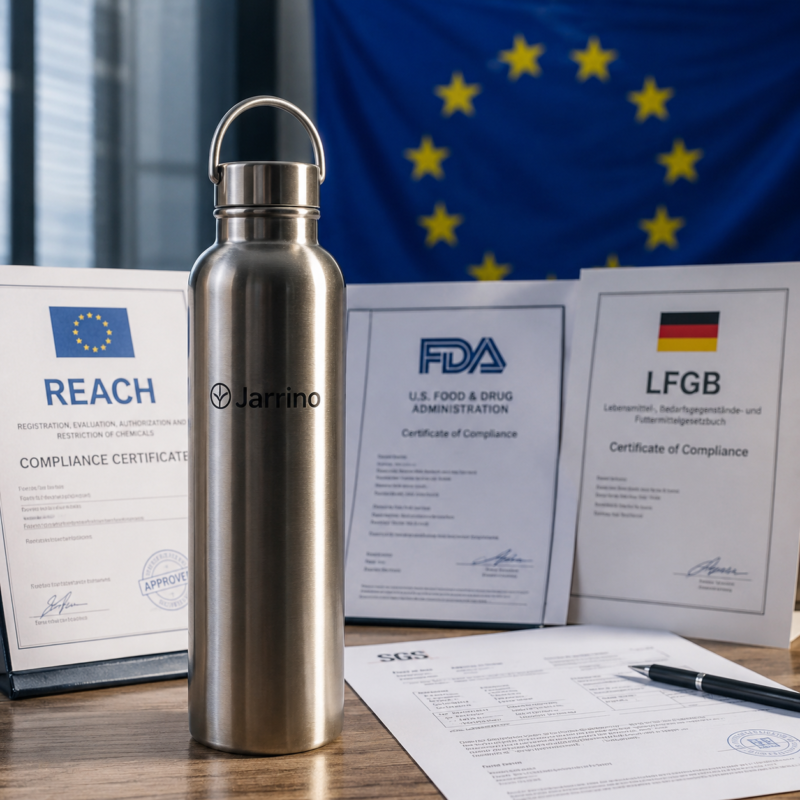
Regulamento de Microplásticos da UE 2026: O que todo fabricante de garrafas de água personalizadas deve saber
Saiba como funciona o Regulamento de Microplásticos da UE (UE) 2026/1168 afeta fabricantes de garrafas de água personalizadas e marcas próprias de bebidas. Descubra como Jarrino ajuda os importadores a manter a conformidade com o REACH com garrafas de água duráveis de aço inoxidável.
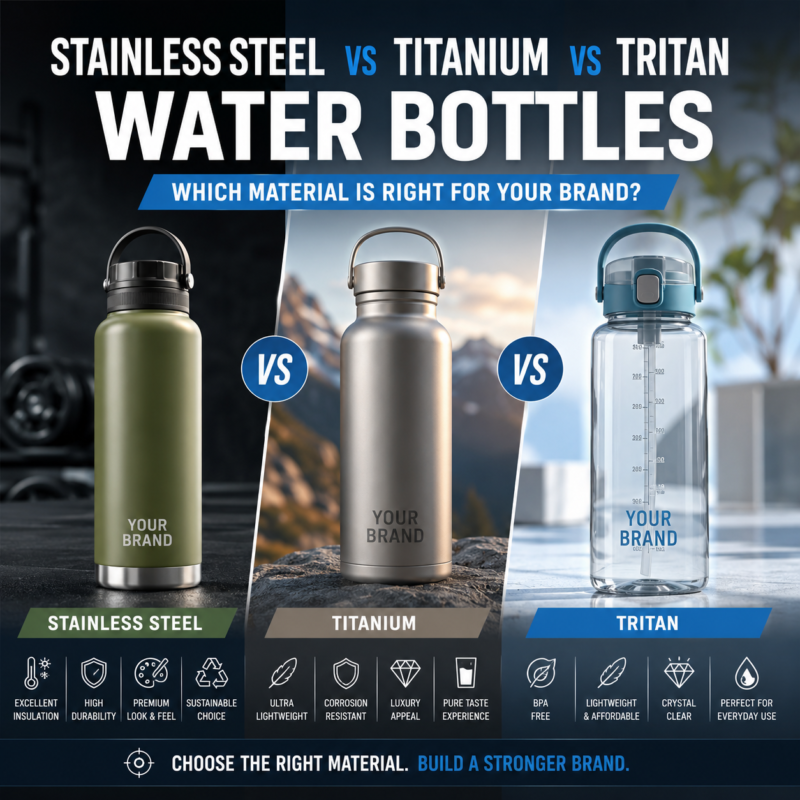
Stainless Steel vs Titanium vs Tritan Water Bottles: Which Material Is Right for Your Brand?
Choosing the right water bottle material can significantly impact your product quality, pricing, and brand positioning. This guide compares stainless steel, titânio, and Tritan water bottles across durability, isolamento, custo, personalização, and sustainability to help brands, retailers, and OEM buyers select the best material for their target market.
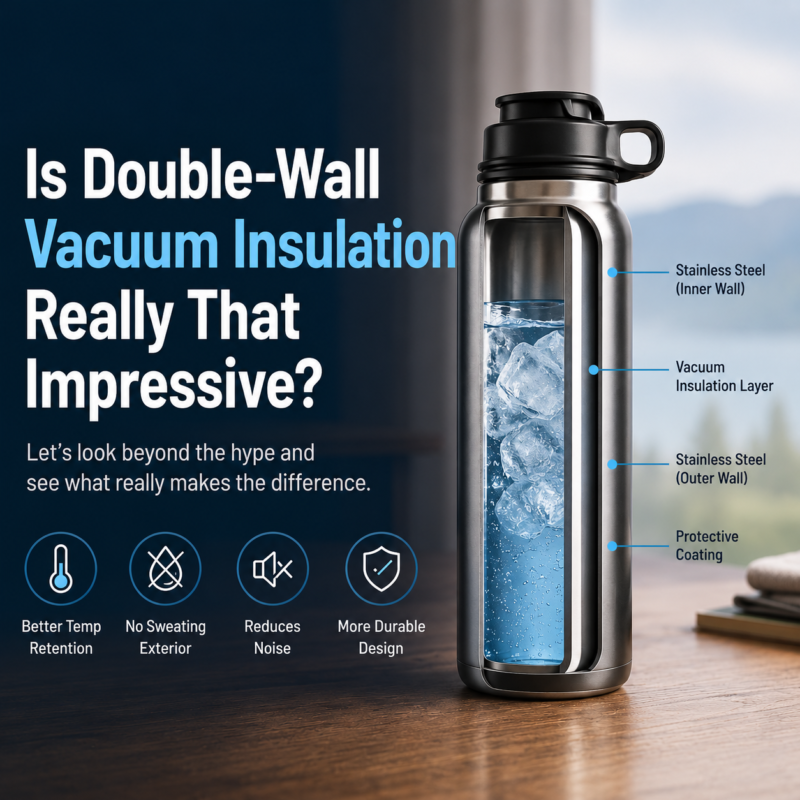
O isolamento a vácuo de parede dupla é realmente tão impressionante?
Double‑wall vacuum insulation is standard in premium drinkware, but the difference between a bottle that performs and one that disappoints comes down to manufacturing quality. This guide explains how vacuum insulation works, sets realistic performance expectations, and gives B2B buyers a practical checklist for evaluating suppliers. Plus, why Jarrino’s strict quality standards ensure your custom bottles deliver on their promises.
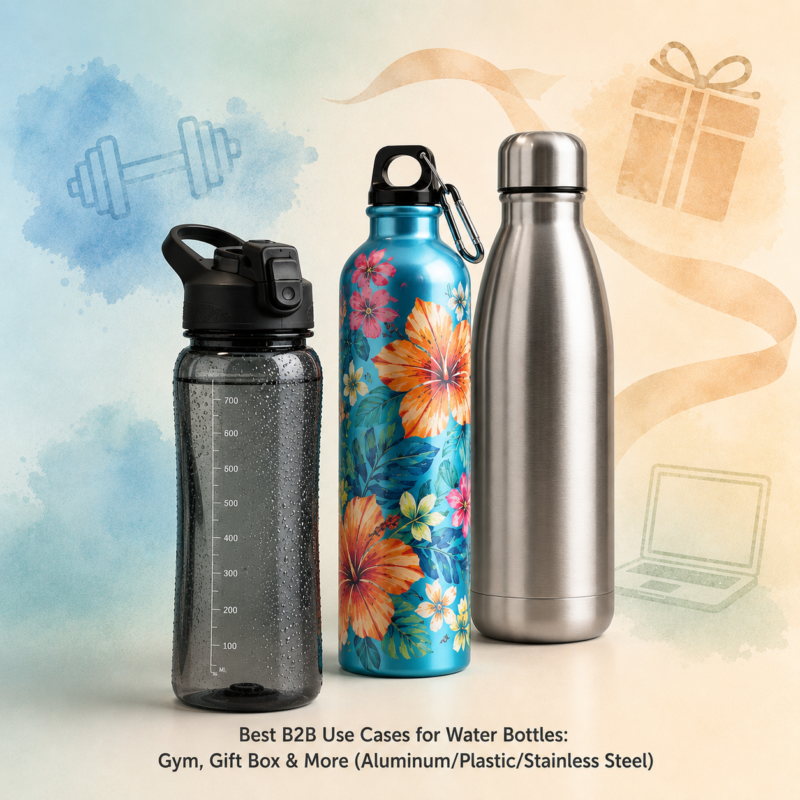
Melhores casos de uso B2B para garrafas de água: Academia, Caixa de presente & Mais (Alumínio/Plástico/Aço)
Nem toda garrafa de água se adapta a todos os casos de uso B2B. Este artigo corresponde a três materiais – aço inoxidável, alumínio, plástico — para aplicações do mundo real: academias, caixas de presente corporativas, feiras, varejo ao ar livre, e programas escolares. O aço inoxidável ganha em durabilidade e isolamento. O alumínio oferece leveza, marca colorida. O plástico é econômico para eventos de alto volume (desde que seja livre de BPA). Uma folha de dicas rápida ajuda os compradores B2B a equilibrar os custos, imagem da marca, e expectativas do usuário.

Qual método de decoração de garrafa de água personalizada realmente dura?
Gravação a laser, sublimação, ultravioleta, ou serigrafia – cuja decoração de garrafa personalizada realmente sobrevive ao uso diário? Nós os testamos. Leia os resultados.