

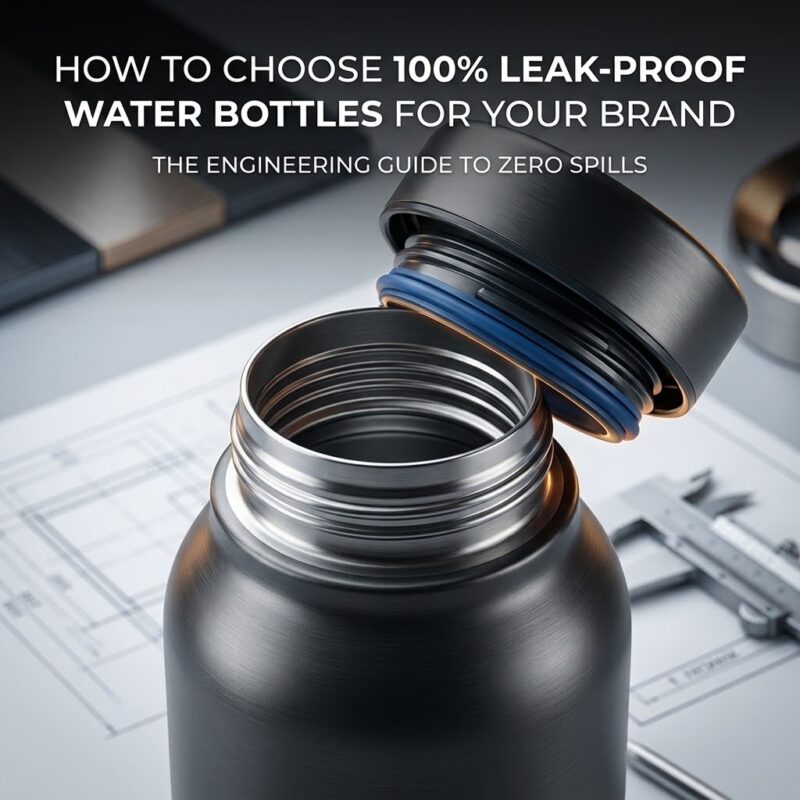
How to Choose 100% Leak-Proof Stainless Steel Water Bottles for Your Brand?
This guide helps drinkware brands select 100% leak-proof stainless steel bottles by analyzing QC testing and lid engineering. Manufacturers like Jarrino use inverted, shaking, and air pressure tests to verify seals. Traditional screw-caps offer absolute leak protection, while locking flip-lids and straw caps require precise silicone gaskets, CNC thread precision, and one-way air valves to prevent spills.
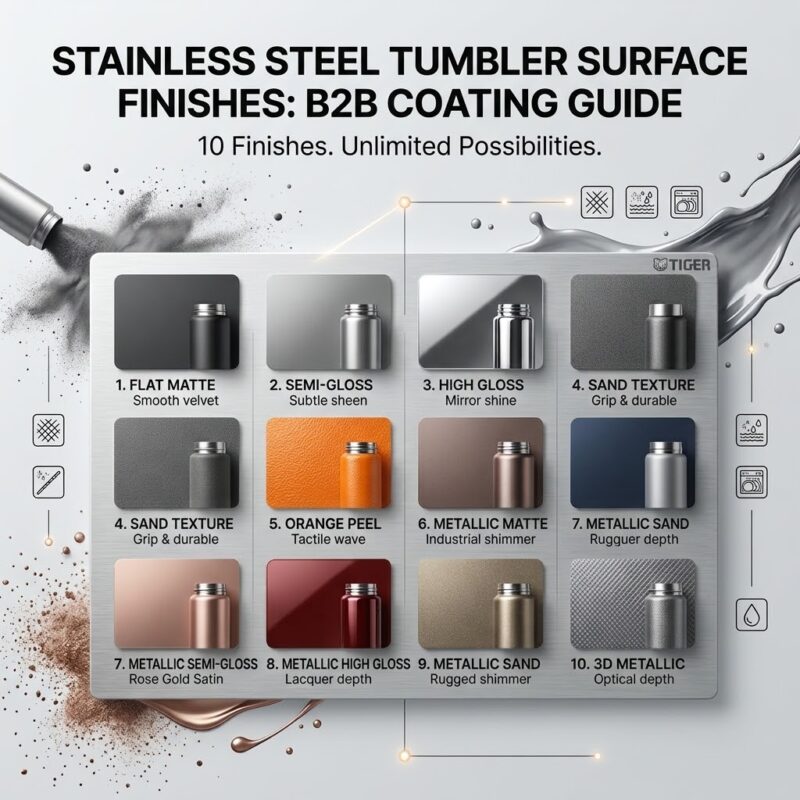
Quais são os acabamentos de superfície central para copos isolados personalizados?
A seleção do acabamento superficial ideal para um copo a vácuo de aço inoxidável personalizado determina diretamente a ergonomia tátil, desempenho de aderência, resistência a arranhões, e custo unitário de fabricação. As opções de revestimento industrial variam de revestimentos eletrostáticos padrão (Plano fosco, Semibrilhante, Alto brilho) para texturas de alta durabilidade (Textura de areia, Martelo / Casca de laranja) e efeitos ópticos avançados (Areia Metálica, 3D Metálico). Este guia descreve as especificações de engenharia, Padrões de teste ASTM, e estruturas de aplicativos para gerentes de compras B2B e desenvolvedores de marcas.
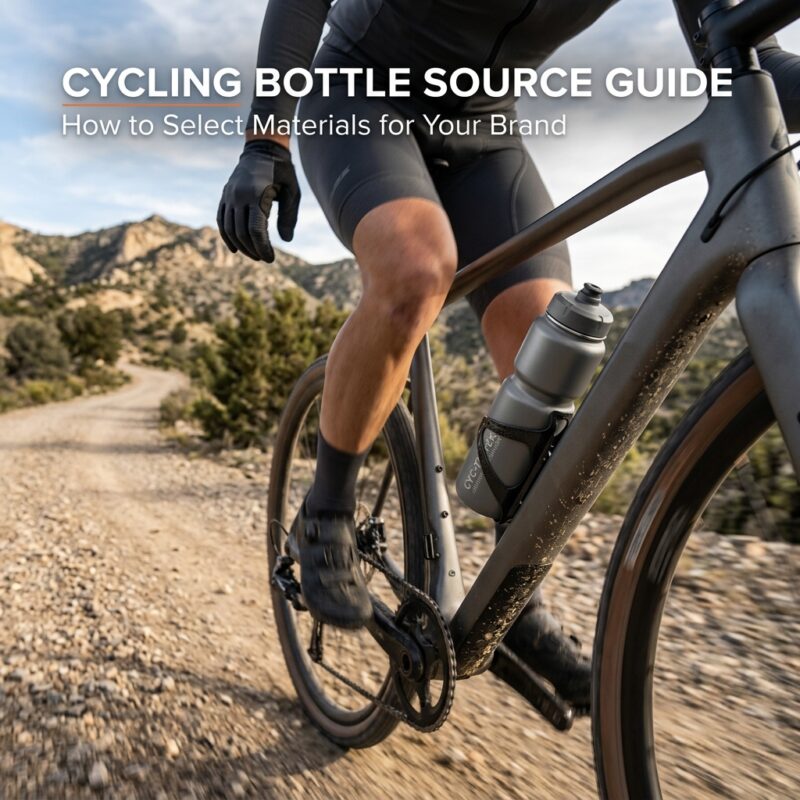
Como escolher o material certo para garrafa de ciclismo para sua marca?
A escolha do material certo para a garrafa de ciclismo define diretamente a margem da sua marca, desempenho térmico, e posicionamento de mercado. Este guia de sourcing B2B compara as vantagens de engenharia do SUS 304/316 Aço inoxidável, Titânio Puro, Plásticos sem BPA, e interiores revestidos de cerâmica nas principais métricas, incluindo capacidade de compressão, ajuste de gaiola padrão de 74 mm, e conformidade global com FDA/LFGB. Aprenda como alinhar a seleção de materiais com o perfil do seu motociclista alvo e aproveitar os recursos OEM/ODM da Jarrino para o seu próximo lançamento de produto de alta margem.
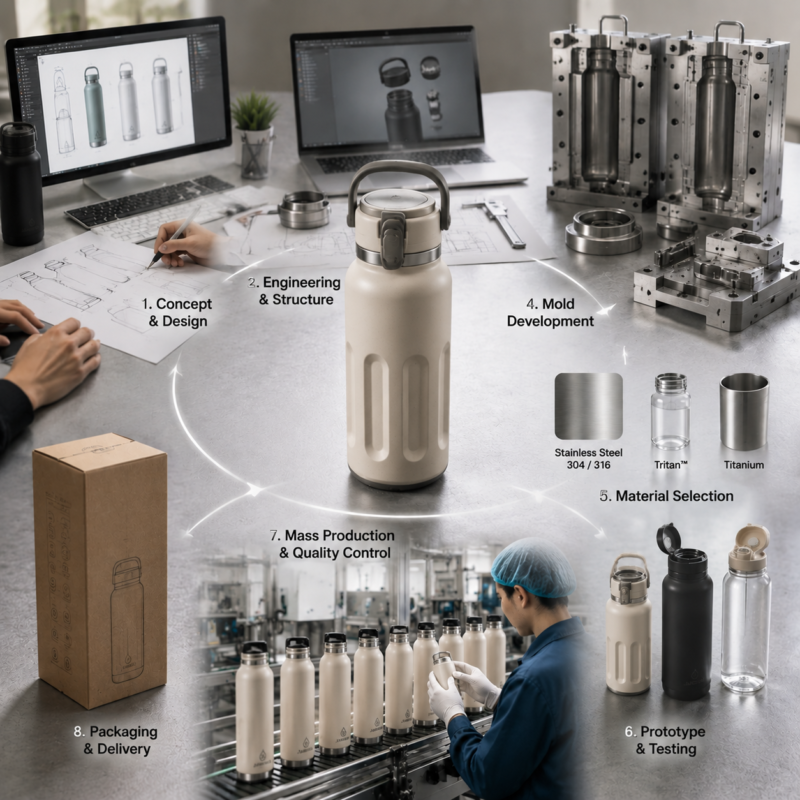
Como são feitas as garrafas de água totalmente personalizadas?
Desenvolver uma garrafa de água totalmente personalizada envolve muito mais do que adicionar um logotipo a um produto existente. Este guia explica como as marcas criam garrafas de água exclusivas por meio do design de produtos, engenharia, Seleção de material, desenvolvimento de moldes, teste de protótipo, e produção em massa. Saiba como um experiente fabricante de garrafas de água OEM ajuda a transformar uma ideia em um produto pronto para o mercado, ao mesmo tempo em que gerencia a qualidade, custo, e eficiência de produção.
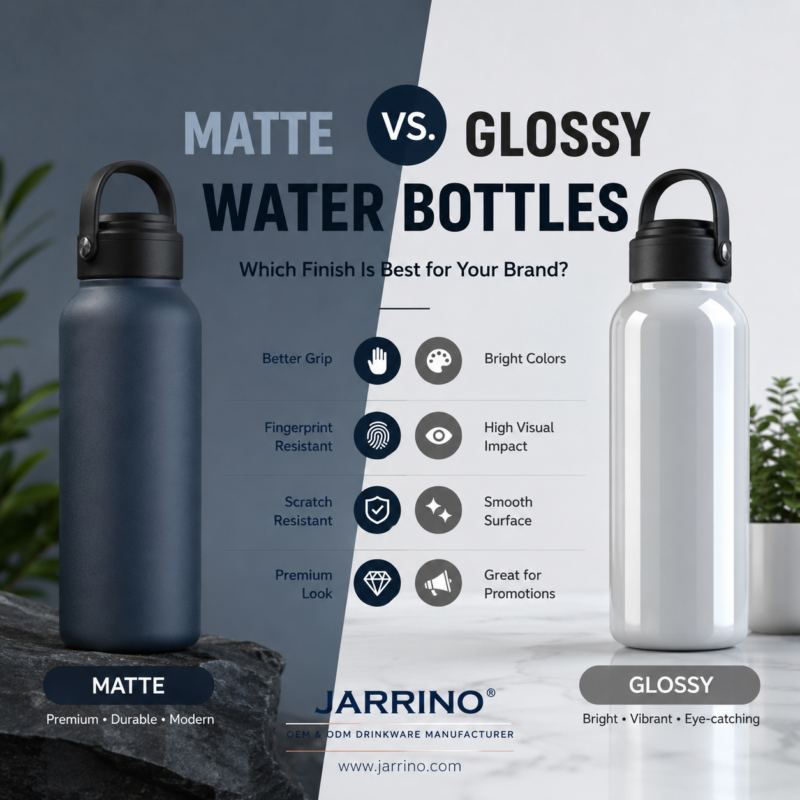
Fosco versus. Garrafas de água brilhantes: Qual acabamento é melhor para sua marca?
O acabamento superficial de uma garrafa de água personalizada afeta muito mais do que sua aparência. Influencia como os clientes percebem a qualidade, quão durável o produto parece, e se está alinhado com a imagem da sua marca. Embora os acabamentos foscos tenham se tornado a escolha preferida de muitas marcas premium, acabamentos brilhantes continuam a ter um bom desempenho em mercados promocionais e voltados para jovens. Este guia compara os dois acabamentos de uma marca, fabricação, e a perspectiva da experiência do cliente para ajudar as empresas a escolher a opção certa para sua próxima coleção de copos personalizados.
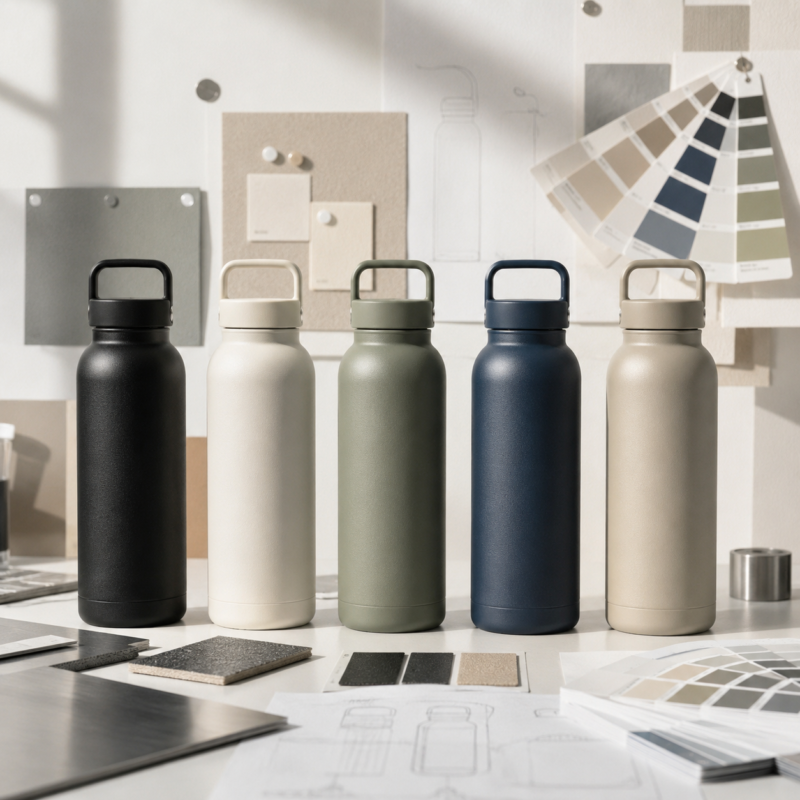
Como escolher cores e acabamentos para garrafas de água personalizadas
O sucesso de uma coleção de garrafas de água personalizadas depende de mais do que cores atraentes. Escolhendo a paleta de cores certa, acabamento superficial, e a estratégia de fabricação ajuda a fortalecer a identidade da marca, melhorar o apelo do cliente, e garantir vendas a longo prazo. Este guia explica como selecionar cores com base nas preferências do mercado, compare acabamentos foscos e brilhantes, otimizar SKUs, e alcançar qualidade consistente através da produção OEM profissional.
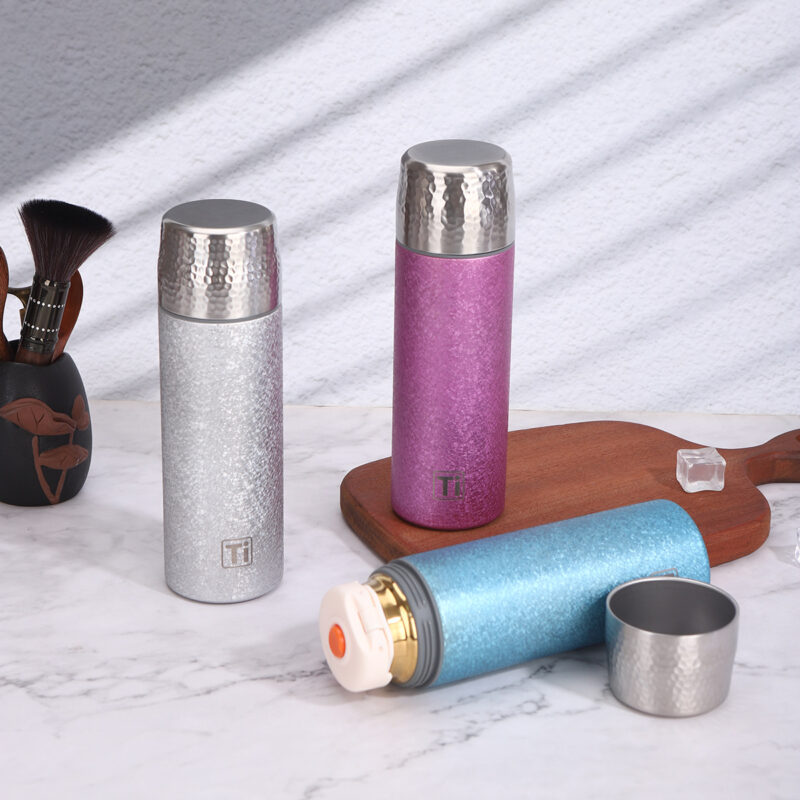
As garrafas de água de titânio são seguras?
Titânio é seguro. Também é caro. Veja como ele se compara ao aço inoxidável e ao alumínio – e qual material realmente faz sentido para sua marca.
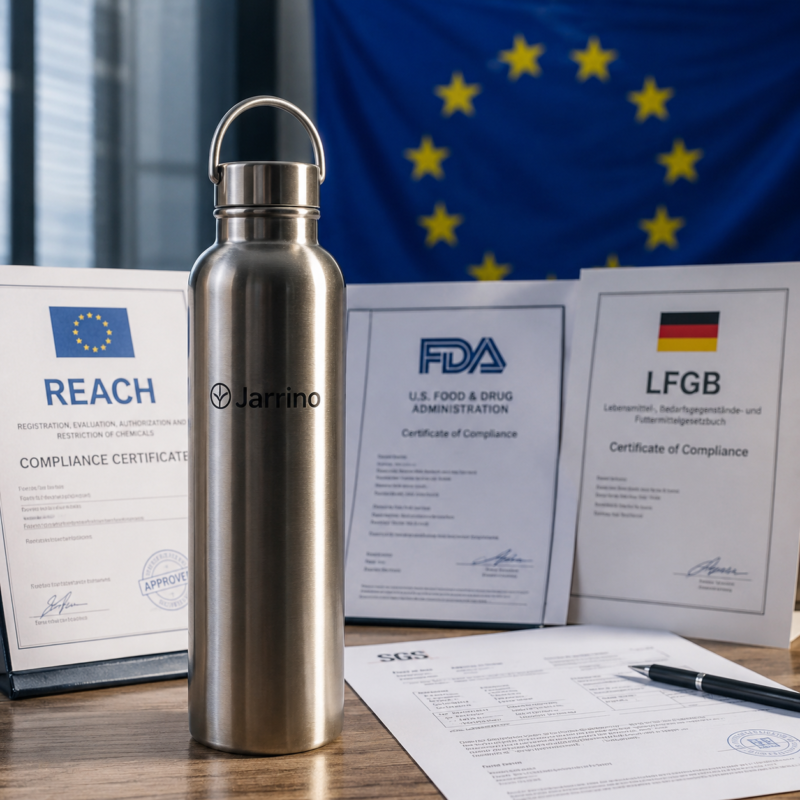
Regulamento de Microplásticos da UE 2026: O que todo fabricante de garrafas de água personalizadas deve saber
Saiba como funciona o Regulamento de Microplásticos da UE (UE) 2026/1168 afeta fabricantes de garrafas de água personalizadas e marcas próprias de bebidas. Descubra como Jarrino ajuda os importadores a manter a conformidade com o REACH com garrafas de água duráveis de aço inoxidável.
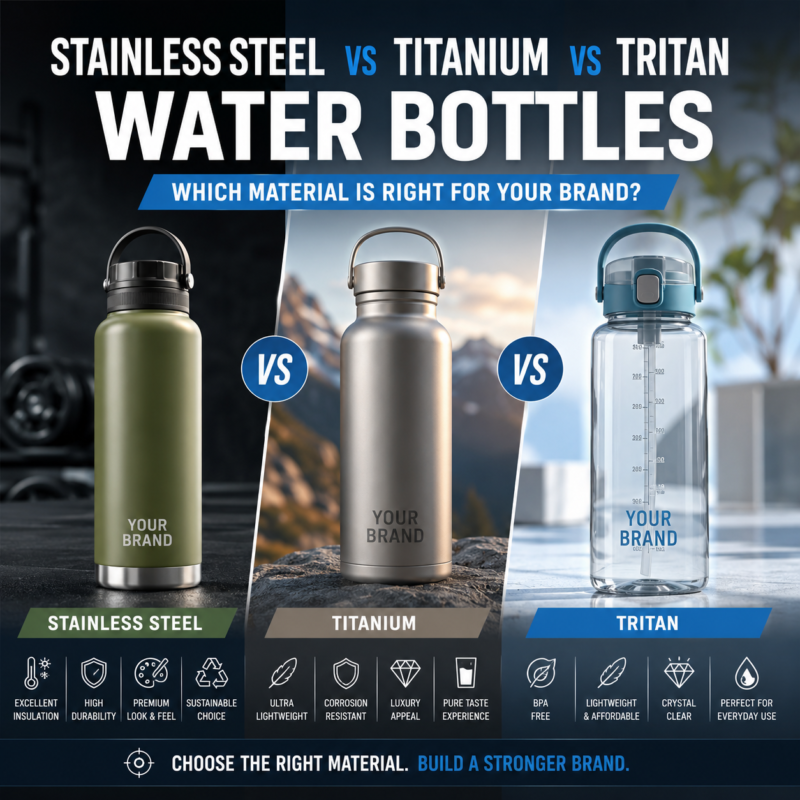
Stainless Steel vs Titanium vs Tritan Water Bottles: Which Material Is Right for Your Brand?
Choosing the right water bottle material can significantly impact your product quality, pricing, and brand positioning. This guide compares stainless steel, titânio, and Tritan water bottles across durability, isolamento, custo, personalização, and sustainability to help brands, varejistas, and OEM buyers select the best material for their target market.
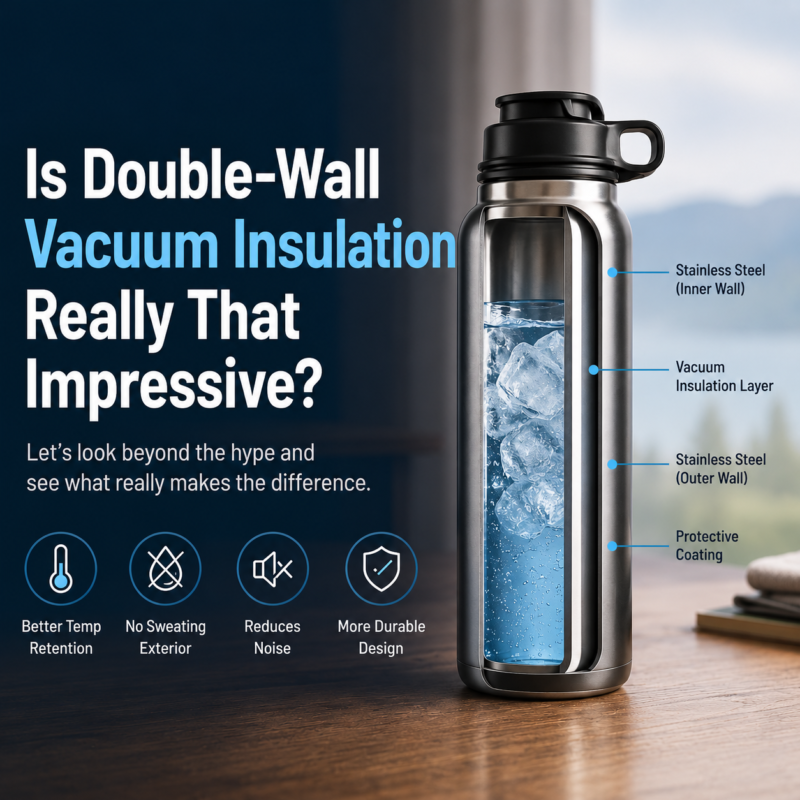
O isolamento a vácuo de parede dupla é realmente tão impressionante?
Double‑wall vacuum insulation is standard in premium drinkware, but the difference between a bottle that performs and one that disappoints comes down to manufacturing quality. This guide explains how vacuum insulation works, sets realistic performance expectations, and gives B2B buyers a practical checklist for evaluating suppliers. Plus, why Jarrino’s strict quality standards ensure your custom bottles deliver on their promises.
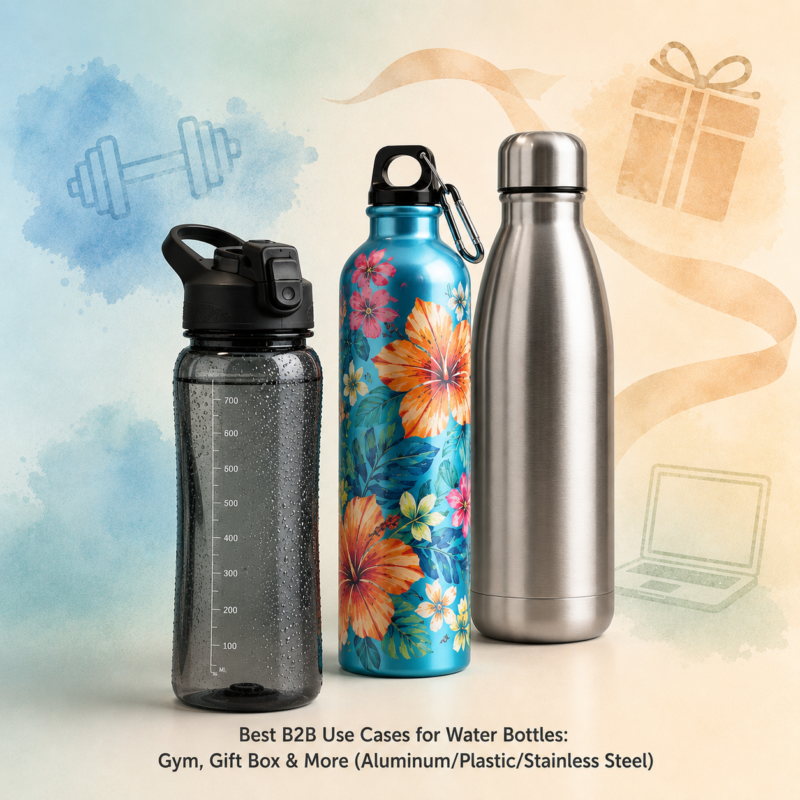
Melhores casos de uso B2B para garrafas de água: Academia, Caixa de presente & Mais (Alumínio/Plástico/Aço)
Nem toda garrafa de água se adapta a todos os casos de uso B2B. Este artigo corresponde a três materiais – aço inoxidável, alumínio, plástico — para aplicações do mundo real: academias, caixas de presente corporativas, feiras, varejo ao ar livre, e programas escolares. O aço inoxidável ganha em durabilidade e isolamento. O alumínio oferece leveza, marca colorida. O plástico é econômico para eventos de alto volume (desde que seja livre de BPA). Uma folha de dicas rápida ajuda os compradores B2B a equilibrar os custos, imagem da marca, e expectativas do usuário.
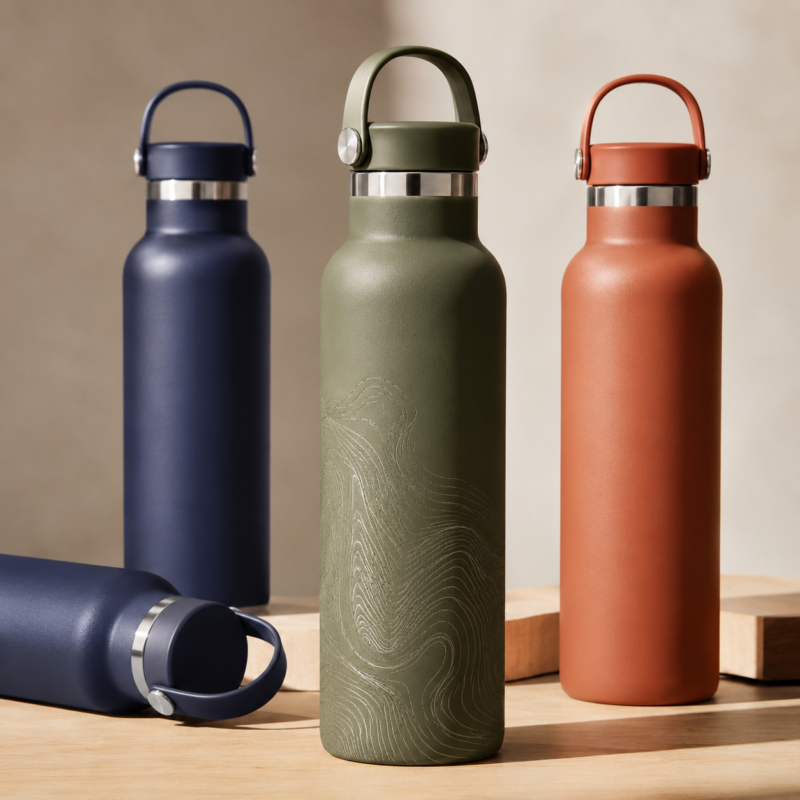
Qual método de decoração de garrafa de água personalizada realmente dura?
Gravação a laser, sublimação, ultravioleta, ou serigrafia – cuja decoração de garrafa personalizada realmente sobrevive ao uso diário? Nós os testamos. Leia os resultados.