
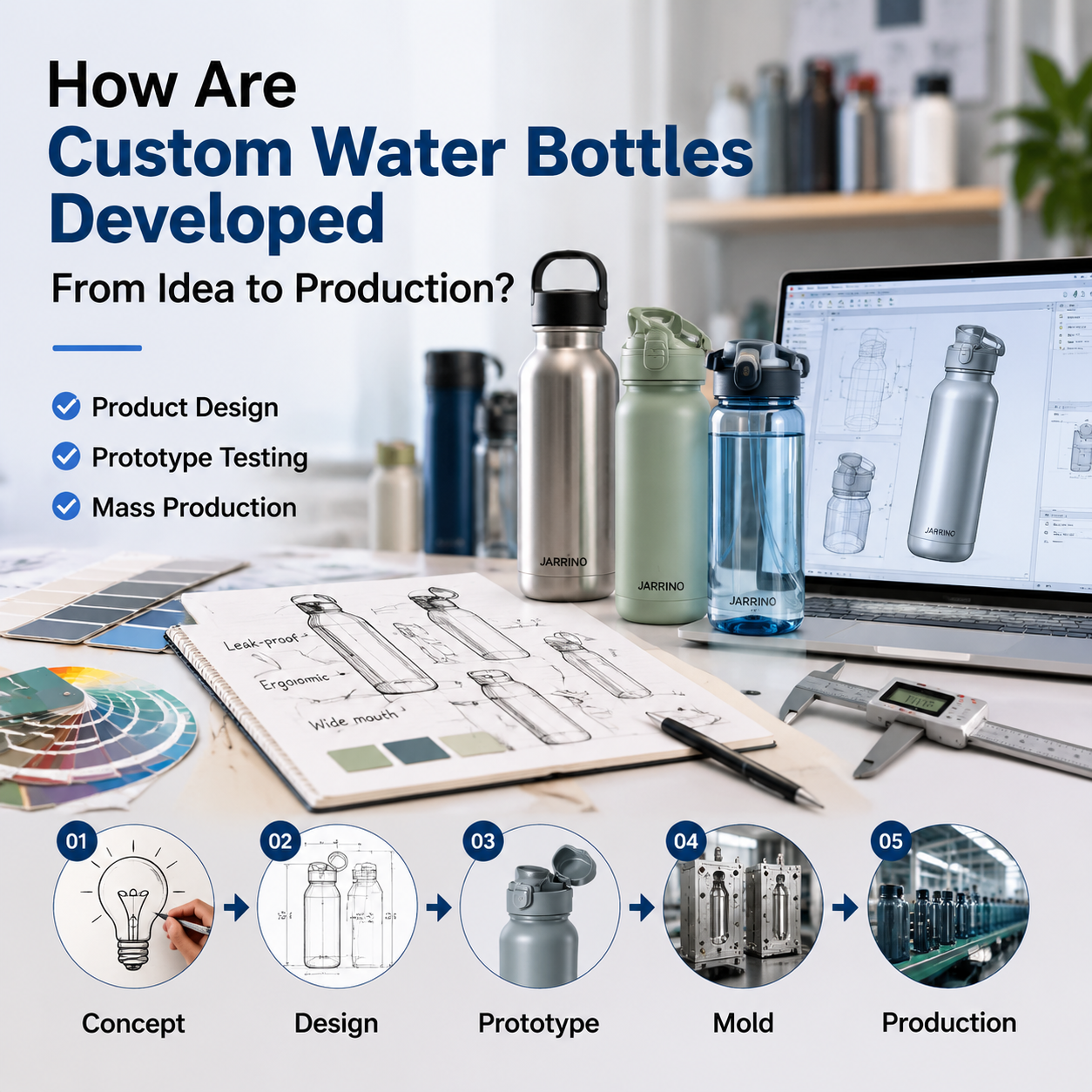
Como as garrafas de água personalizadas são desenvolvidas desde a ideia até a produção?
Related Posts
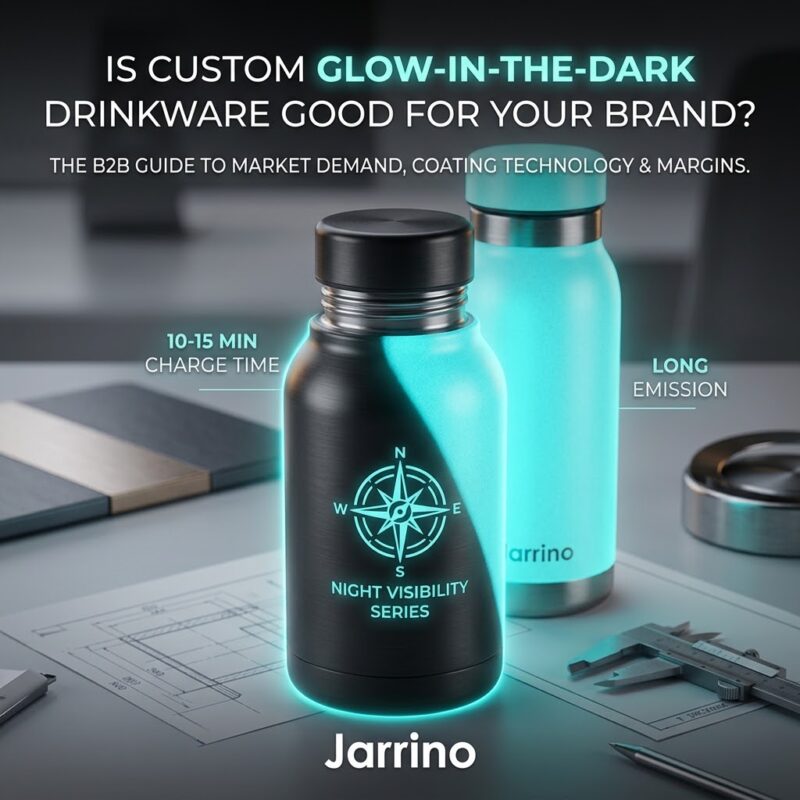
Is Custom Glow-in-the-Dark Drinkware Good for Your Brand?
Custom glow-in-the-dark drinkware offers private-label brands a high-margin opportunity in a competitive market. Jarrino provides industrial-grade, food-safe photoluminescent coatings, ensuring durability and compliance while targeting outdoor and youth sectors, driving viral social media appeal and product differentiation.
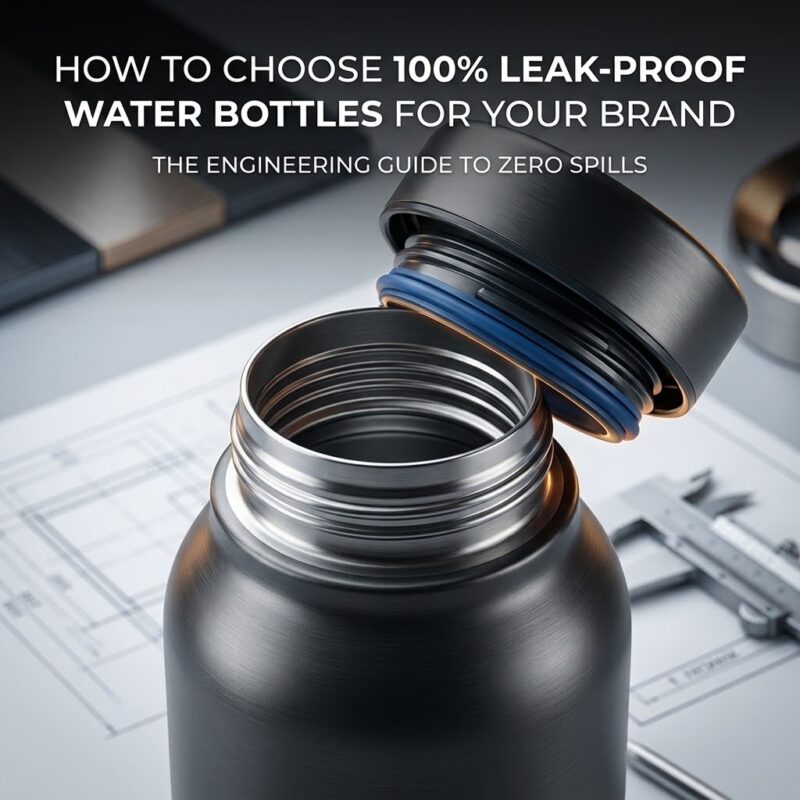
How to Choose 100% Leak-Proof Stainless Steel Water Bottles for Your Brand?
This guide helps drinkware brands select 100% leak-proof stainless steel bottles by analyzing QC testing and lid engineering. Manufacturers like Jarrino use inverted, shaking, and air pressure tests to verify seals. Traditional screw-caps offer absolute leak protection, while locking flip-lids and straw caps require precise silicone gaskets, CNC thread precision, and one-way air valves to prevent spills.
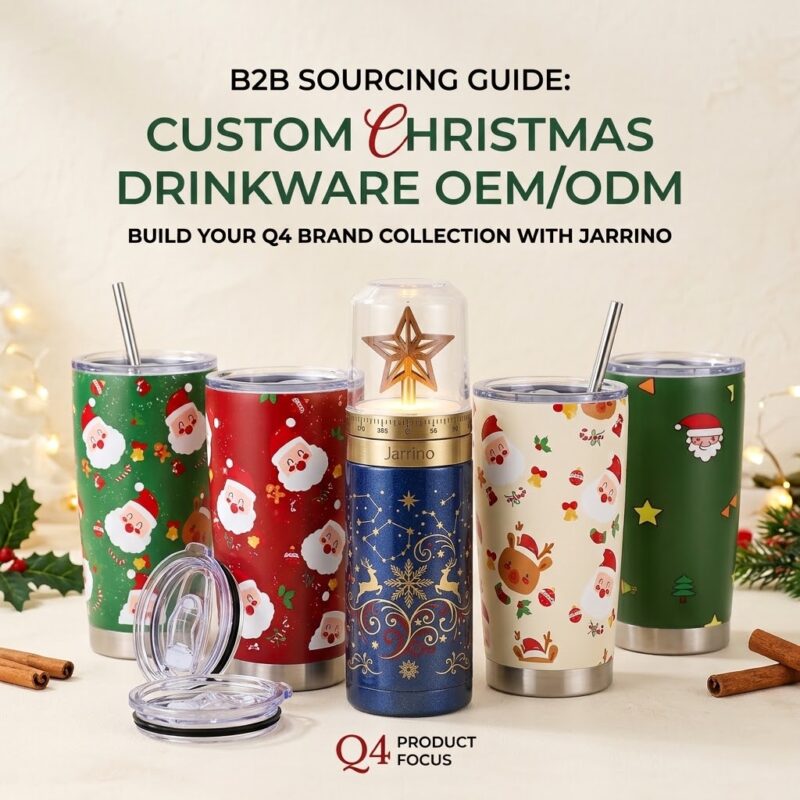
Copos de Natal personalizados: Guia completo de fabricação OEM/ODM
Jarrino é um fabricante certificado OEM/ODM especializado em frascos a vácuo personalizados, copos revestidos de cerâmica, e copos de titânio. Os prazos de entrega para pedidos personalizados de Natal do quarto trimestre são de 20 a 30 dias com MOQs baixos (300–1.000 unidades) e total conformidade com FDA/LFGB. Oferecemos personalização de ponta a ponta, incluindo impressão digital 3D, Gravura a laser, e embalagens personalizadas para presentes de Natal. Kits de amostra e orçamentos estão disponíveis mediante solicitação para ajudar as marcas a garantir a produção do feriado do quarto trimestre sem problemas.
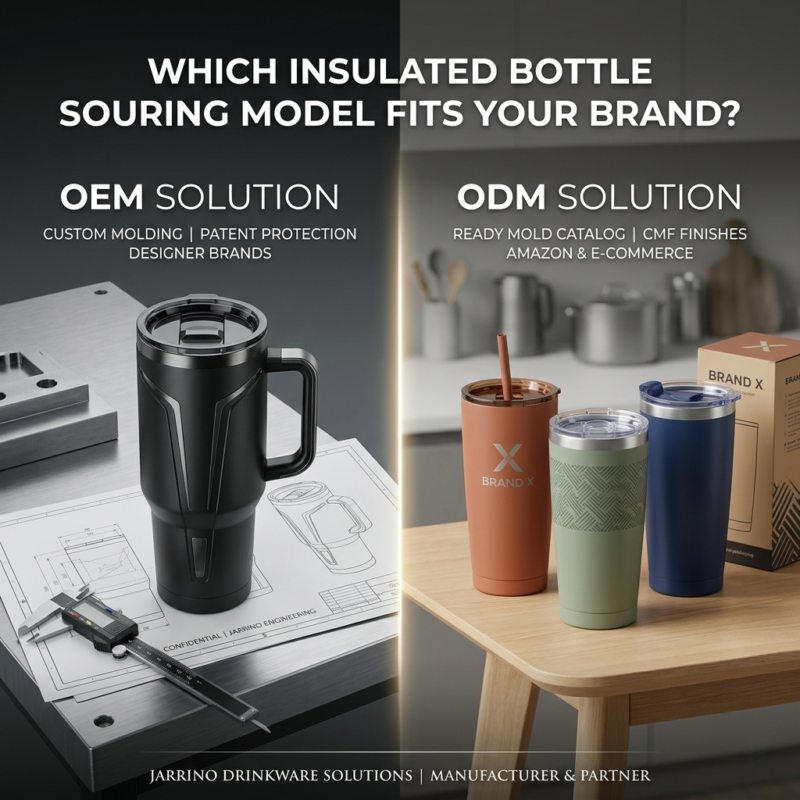
OEM vs.. Tumblers isolados ODM: Qual modelo de fornecimento se adapta à sua marca de bebidas
Escolhendo entre OEM (Fabricação de Equipamento Original) e ODM (Fabricação de design original) define o R da sua marca de copos&Orçamento D, tempo de lançamento no mercado, e exclusividade do produto. OEM é ideal para marcas estabelecidas com designs CAD personalizados e requisitos de IP exclusivos, oferta 100% moldagem personalizada e proteção de patente. ODM foi desenvolvido para vendedores da Amazon, Inicializações DTC, e compradores corporativos que buscam custos zero com ferramentas, quantidade mínima para pedido, e lançamentos rápidos de produtos por meio de acabamentos CMF avançados (revestimento em pó, Impressão UV).
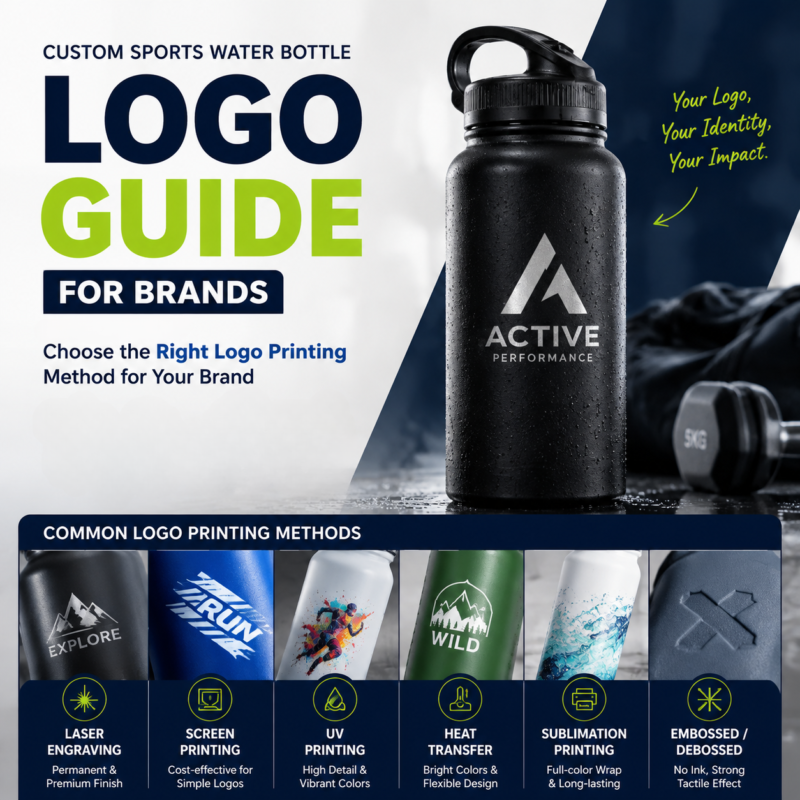
Guia de logotipo de garrafa de água esportiva personalizada para marcas
Logotipos personalizados de garrafas de água esportivas são criados por meio de diferentes processos de decoração, dependendo do material da garrafa, design de marca, e requisitos de desempenho. Este guia cobre os métodos mais comuns de impressão de logotipos, incluindo gravação a laser, serigrafia, Impressão UV, transferência de calor, e sublimação, ajudando marcas esportivas a selecionar a opção de personalização certa para produtos de bebidas duráveis e profissionais.
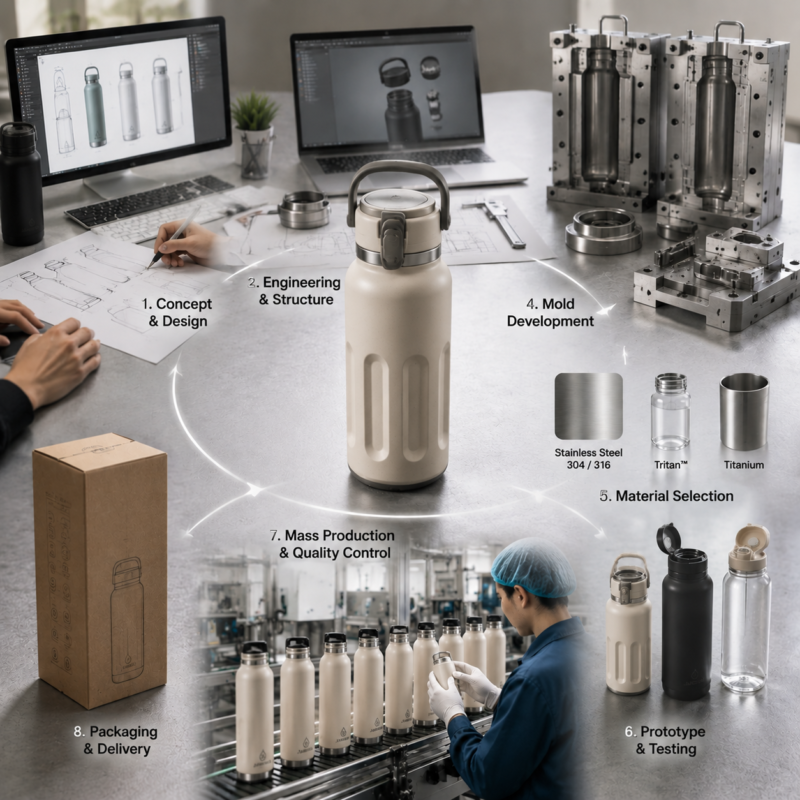
Como são feitas as garrafas de água totalmente personalizadas?
Desenvolver uma garrafa de água totalmente personalizada envolve muito mais do que adicionar um logotipo a um produto existente. Este guia explica como as marcas criam garrafas de água exclusivas por meio do design de produtos, engenharia, Seleção de material, desenvolvimento de moldes, teste de protótipo, e produção em massa. Saiba como um experiente fabricante de garrafas de água OEM ajuda a transformar uma ideia em um produto pronto para o mercado, ao mesmo tempo em que gerencia a qualidade, custo, e eficiência de produção.
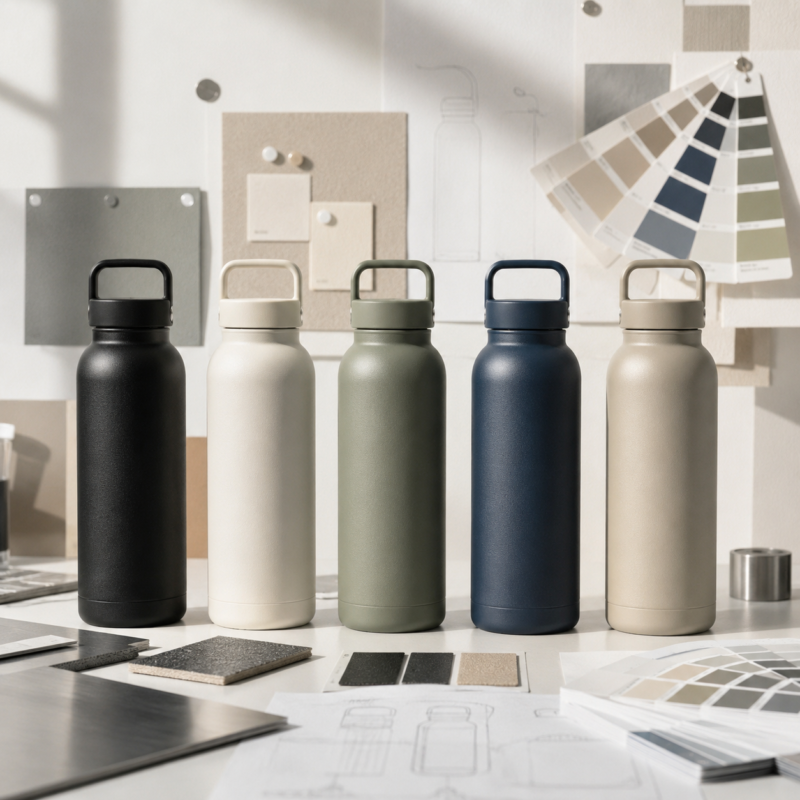
Como escolher cores e acabamentos para garrafas de água personalizadas
O sucesso de uma coleção de garrafas de água personalizadas depende de mais do que cores atraentes. Escolhendo a paleta de cores certa, acabamento superficial, e a estratégia de fabricação ajuda a fortalecer a identidade da marca, melhorar o apelo do cliente, e garantir vendas a longo prazo. Este guia explica como selecionar cores com base nas preferências do mercado, compare acabamentos foscos e brilhantes, otimizar SKUs, e alcançar qualidade consistente através da produção OEM profissional.
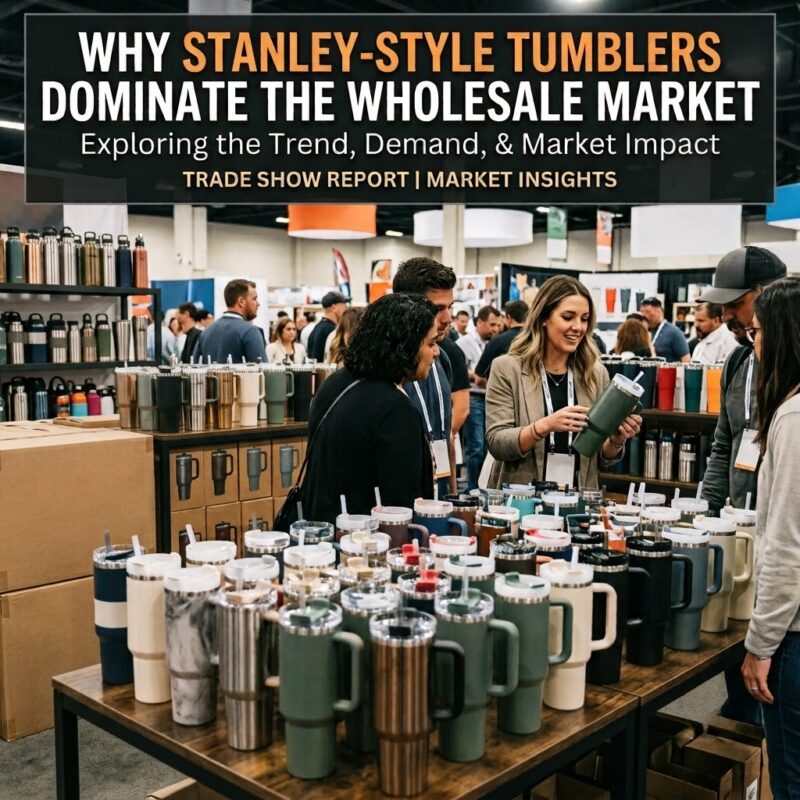
Por que os copos estilo Stanley dominam o mercado atacadista
Os copos estilo Stanley se tornaram um fenômeno cultural e um best-seller no atacado. Este artigo explora o porquê – desde 18/8 aço inoxidável e isolamento a vácuo de parede dupla com alto valor percebido, potencial de personalização, e demanda constante de pedidos repetidos. Saiba o que torna esses copos confiáveis, categoria lucrativa para compradores atacadistas.
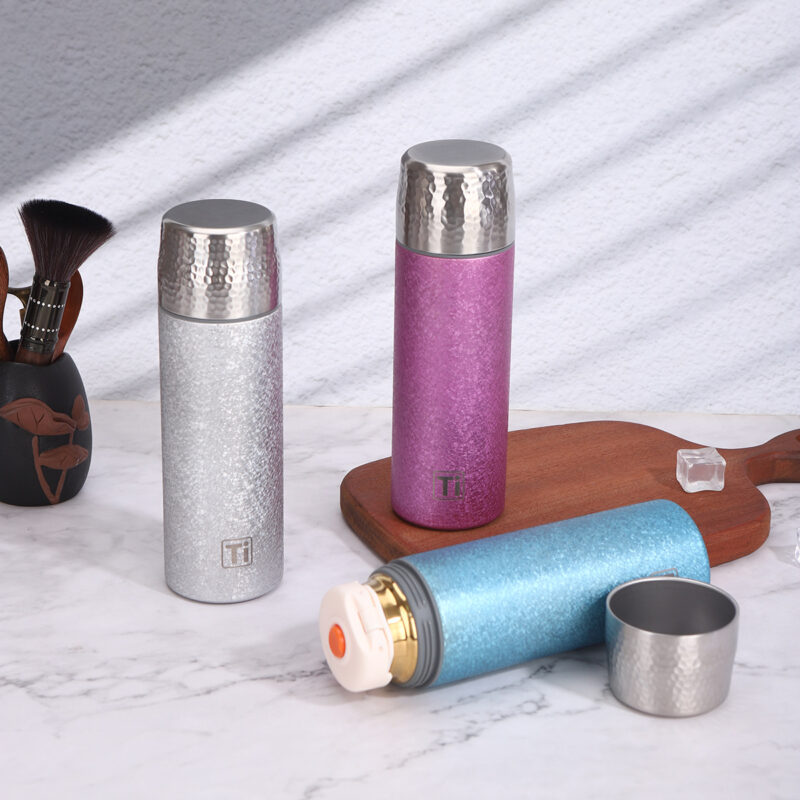
As garrafas de água de titânio são seguras?
Titânio é seguro. Também é caro. Veja como ele se compara ao aço inoxidável e ao alumínio – e qual material realmente faz sentido para sua marca.
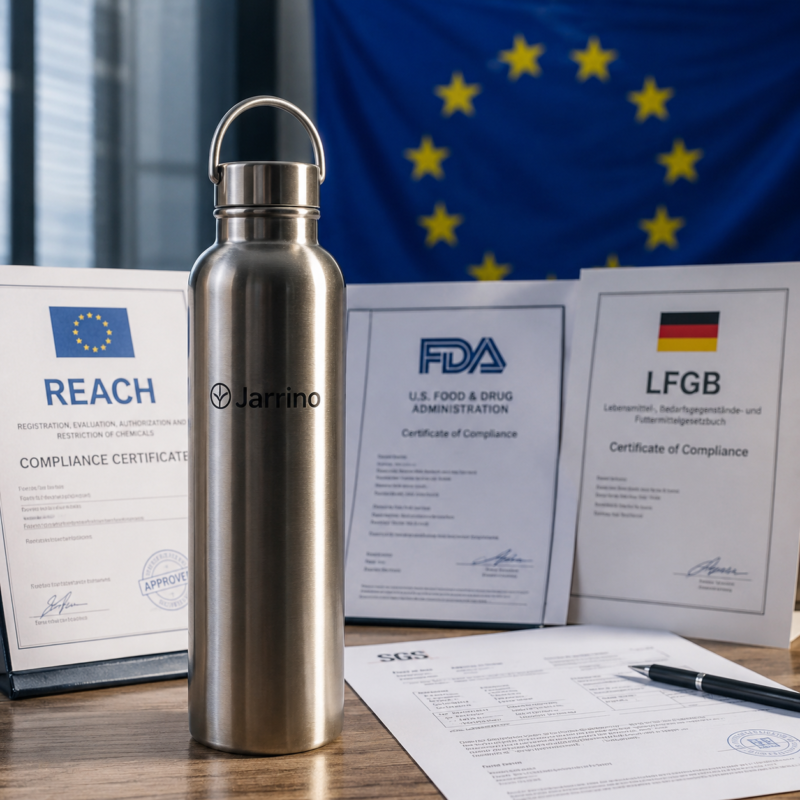
Regulamento de Microplásticos da UE 2026: O que todo fabricante de garrafas de água personalizadas deve saber
Saiba como funciona o Regulamento de Microplásticos da UE (UE) 2026/1168 afeta fabricantes de garrafas de água personalizadas e marcas próprias de bebidas. Descubra como Jarrino ajuda os importadores a manter a conformidade com o REACH com garrafas de água duráveis de aço inoxidável.
2026 Verões mais quentes: A demanda por garrafas de água isoladas aumentará para os vendedores consumidores?
Será mais quente 2026 os verões na Europa e na América do Norte aumentam a demanda por garrafas de água isoladas? Saiba o que a Amazon, Shopify, varejo, e os vendedores de marcas próprias devem se preparar para 2026.
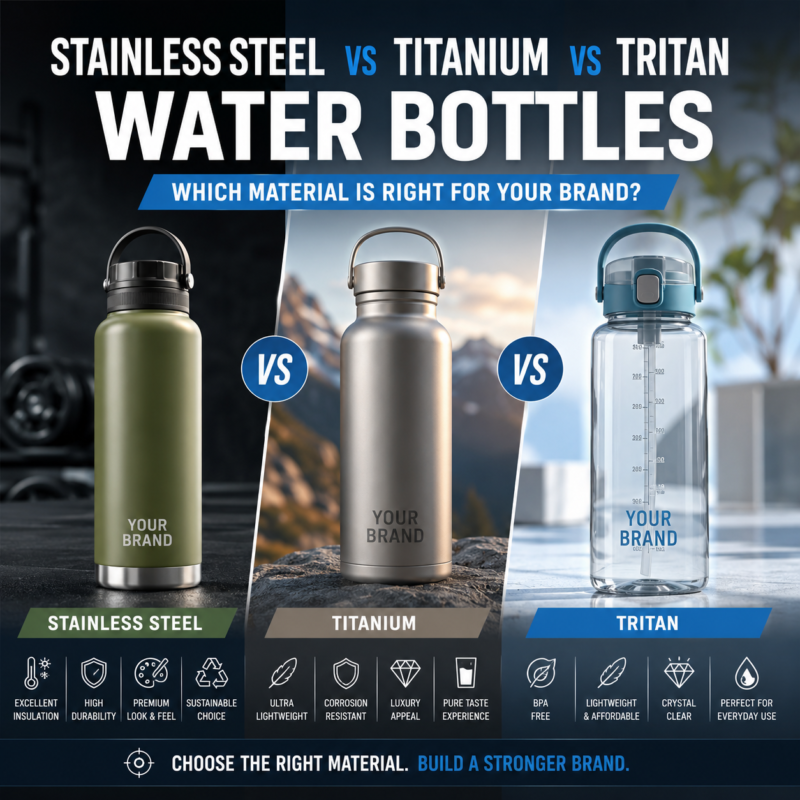
Stainless Steel vs Titanium vs Tritan Water Bottles: Which Material Is Right for Your Brand?
Choosing the right water bottle material can significantly impact your product quality, pricing, and brand positioning. This guide compares stainless steel, titânio, and Tritan water bottles across durability, isolamento, custo, personalização, and sustainability to help brands, varejistas, and OEM buyers select the best material for their target market.