
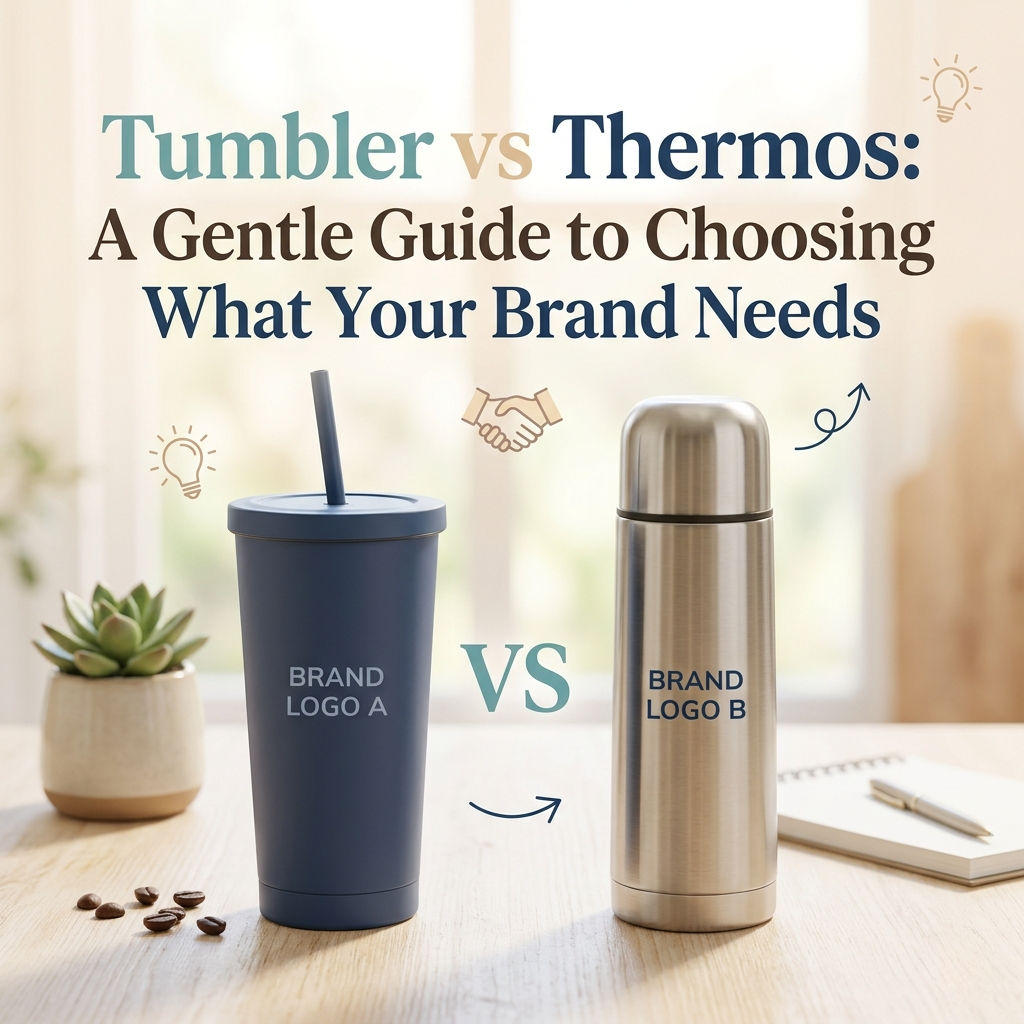
Gobelet vs Thermos: Un guide doux pour choisir ce dont votre marque a besoin
If you are reading this, you are probably standing at a crossroads.
You have a brand idea. You have a vision for the kind of drinkware you want to put into the world. But now you are staring at two words — tumbler et thermos — and honestly, you are not entirely sure which one your customer is waiting for.
Take a breath. You are in good company. Chez Jarrino, we have sat down with hundreds of brand founders over the last 15 années, and almost every single one of them has wrestled with this exact question. It’s not a sign that you are unprepared. It’s a sign that you care about getting it right.
This article is not a lecture. Think of it as the conversation we would have if you were sitting across from us in our factory, with a cup of something warm between us. We will walk through what each product truly is, who it serves best, and how to make a choice that feels right — not just for your launch, but for the people who will use your bottle every single day.
 1. Let’s Start with the Tumbler: A Cup That Feels Like Home
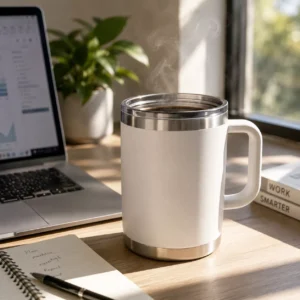
Close your eyes for a moment and picture your morning. You pour a coffee. You add a splash of cream. You want to sip it slowly — not through a tiny opening, but from a wide mouth that lets you smell the roast and feel the warmth.
That is the soul of a tumbler. It’s a cup, reimagined in stainless steel.
Technically speaking, a tumbler has a wide mouth, straight or gently tapered sides, and a stable flat base. It usually comes with a lid — a sliding spout, a straw-friendly top, or a simple splash guard — and it’s designed to be held in one hand while you sit in traffic, walk into the office, or scroll through your phone at a coffee shop.
People love tumblers because they feel familiar. They drink from them the way they drink from a ceramic mug at home. But because it’s insulated, the coffee stays hot, and the iced tea stays cold. That little bit of everyday comfort, sustained over hours, is why a good tumbler becomes a daily companion.
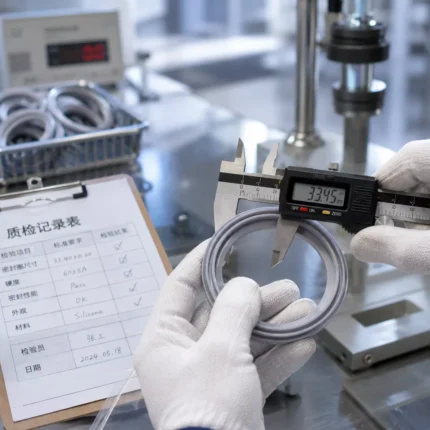
Chez Jarrino, we have made tumblers in over 40 shapes and sizes. Le 590 ml (20 oz) size is our most popular — it fits a standard vehicle cup holder like it was made for it, because honestly, it was. We test every lid seal at 80°C for a full day. Not because we think anyone will leave their cup in a hot car that long (though they will), but because we want you to trust that when your customer takes their first sip, it will be a perfect one.
If your brand is about gentle mornings, daily rituals, desk-life aesthetics, or the simple pleasure of a cold drink on a warm afternoon, a tumbler might be your answer.
2. And Then There’s the Thermos: A Vessel for the Long Haul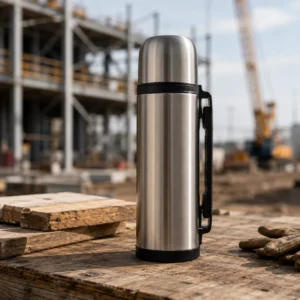
Now picture someone else. They’re not sitting at a desk. They’re standing on a cold job site at dawn, steam rising from a cup of coffee they poured from a tall, narrow bottle. Or they’re halfway up a mountain, unscrewing a stopper to share hot soup with a friend. Or they’re a nurse on a twelve-hour shift, grabbing a few precious minutes of warmth between rounds.
That is the world of the thermos. It’s not a cup. It’s a time capsule for temperature.
In manufacturing terms, what most people call a “thermos” is a vacuum-insulated bottle with a narrow neck, a tall body, and a screw-down stopper that often doubles as a drinking cup. The real magic is in the vacuum between the inner and outer walls — a gap of just a few millimeters, emptied of air, that slows heat transfer to an almost standstill. A well-made thermos keeps liquids hot for 12 heures et froid pour 24. A poorly made one loses its soul within a few months, becoming just another heavy container.
We know this because we test every single Jarrino thermos bottle with helium. If the vacuum isn’t perfect, the bottle doesn’t leave our factory. Our defect rate on this test is below 0.3%. To us, that number is personal. It represents the nurse who gets a hot coffee at hour ten of her shift, the hiker who eats a warm meal after a long day, the parent who sends soup to school and gets an empty, happy container back. When your brand’s name is on that bottle, every one of those moments is a reflection of you.
If your brand serves people who work hard, travel far, or simply need warmth that lasts all day — the thermos is not just a product. It’s a promise.
3. Donc, How Do You Decide? Five Gentle Questions
Now that we have painted both pictures, let’s get practical. We have found that the best way to decide between a tumbler and a thermos isn’t to compare specifications. It’s to ask a few human questions about the person who will hold your bottle.
1. Where will they be when they drink?
If the answer is “in a car, at a desk, or on a sunny patio,” lean toward a tumbler. If it’s “on a ladder, in a forest, or walking a hospital floor,” the thermos is waiting for them.
2. How long does the drink need to last?
A tumbler keeps coffee warm for a gentle commute. A thermos keeps it hot for a whole shift. Think about the rhythm of your customer’s day.
3. Will the bottle spend time sideways in a bag?
Tumblers with sliding or straw lids are splash-resistant, but they aren’t meant to be tossed around. A thermos with a screw-down stopper can travel any which way without a single drop escaping.
4. What kind of drinking experience fits their life?
Do they want to sip slowly from a wide mouth, or pour into a cup and savor? Tumblers are all about direct, casual sipping. Thermoses are about pouring, sharing, and pacing.
5. What emotion do you want your brand to carry?
Some brands are about calm, beauty, and everyday joy — that’s tumbler territory. Others are about strength, endurance, and reliability — that’s where the thermos lives. There is no wrong answer. There is only what feels true to you and your people.
We have guided dozens of brand partners through these questions. Almost every time, the right choice becomes clear — not because we told them what to do, but because the questions helped them listen to their own instincts.
4. A Few Words About Materials and Care
Because we care about what goes into your bottle, we want to share a little about the steel itself.
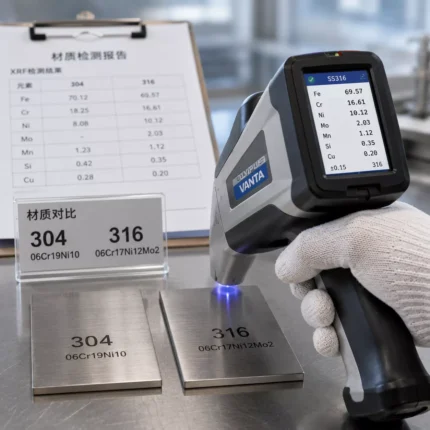
Most drinkware is made from 304 acier inoxydable. It is safe, durable, and perfectly suited for coffee, thé, eau, et utilisation quotidienne. Think of it as the kind, reliable friend who shows up every day without complaint.
Some bottles are made from 316 acier inoxydable, which adds a touch of molybdenum for extra resistance to salt, acid, and harsh environments. If your customers live near the ocean, drink citrus or electrolyte mixes daily, or work in tough conditions, 316 is a beautiful upgrade. It costs a little more, but it lasts noticeably longer.
Chez Jarrino, we test every batch of steel with X-ray fluorescence to make sure it is exactly what we say it is. We also hold full certifications — FDA, LFGB, REACH — and we publish them openly. Not because we have to, but because we believe you should never have to wonder if your factory is being honest with you. Trust is built in small, consistent actions.
5. Your First Step Doesn’t Have to Be Scary
If you are feeling excited but also a little nervous — that’s normal. Launching a product is a big deal. But here’s something we want you to know: you don’t have to order thousands of units right out of the gate.
Chez Jarrino, we welcome small beginnings. Many of our most successful brand partners started with just 200 pieces — a trial order of an existing design, customized with their logo and their chosen color. They tested the waters, listened to their customers, and grew from there.
We offer two paths, and neither one is better than the other. It’s just about where you are right now:
- If you want to move gently and test the market: We will help you select an existing tumbler or thermos shape from our catalog, apply your branding, and get it to your door in about two months. Simple, sûr, and low-risk.
- If you have a unique vision you are ready to bring to life: Our engineering team will work with you to create a fully custom design — from 3D renderings in 72 heures, to physical prototypes in 10 jours, to a pilot run you can hold in your hands before committing to a full order. We will walk with you every step of the way.
Wherever you are in the journey, we meet you there. No pressure, no judgment. Just a team of people who love making drinkware and genuinely want to see you succeed.
See our private label options →
6. Questions We Hear Often
Q: I’m still not 100% sure which one to pick.
A: That is completely okay. Reach out to us. Tell us about your customers and your vision. We will help you think it through — not by giving you a sales pitch, but by asking the right questions. Most of the time, clarity comes from a conversation, not a specification sheet.
Q: Is it possible to start really small?
A: Oui. Our trial orders start at 200 units for existing designs with custom color and logo. It’s the gentlest way to see how your market responds.
Q: What if I pick the wrong one?
A: First, give yourself some grace. Many brands learn by starting small and adjusting. And remember, you can always expand your line later. Some of our happiest partners launched with a tumbler, listened to their customers, and added a thermos the following year — or the other way around. It’s a journey, not a single decision.
Q: How do I know I can trust the quality?
A: We believe transparency is the only way to build trust. You are welcome to tour our factory, virtually or in person. You can watch our QC team at work, see the helium testing, the coating inspections, the material certifications. When your name goes on a bottle, you deserve to know exactly how it was made.
7. A Final Thought
We have spent over 15 years in this industry, and we’ve learned something that matters more than any technical specification:
People don’t just buy a bottle. They buy a small, reliable moment in their day.
The coffee that warms them on a cold commute. The water that refreshes them after a long hike. The soup that tastes like home, even when they are miles away from it. Those moments are intimate. They’re part of someone’s daily life. And when your brand shows up in those moments, you become part of their story.
That is why getting the choice right matters. Not because of profit margins or inventory turnover — though those are real and important — but because your product deserves to be loved and used, not forgotten on a shelf.
So whether you choose a tumbler or a thermos, choose with your customer in mind. Picture them. Care about them. And when you are ready to bring that vision to life, we will be here, ready to help you build something beautiful.
Talk to Jarrino about your project
Articles connexes
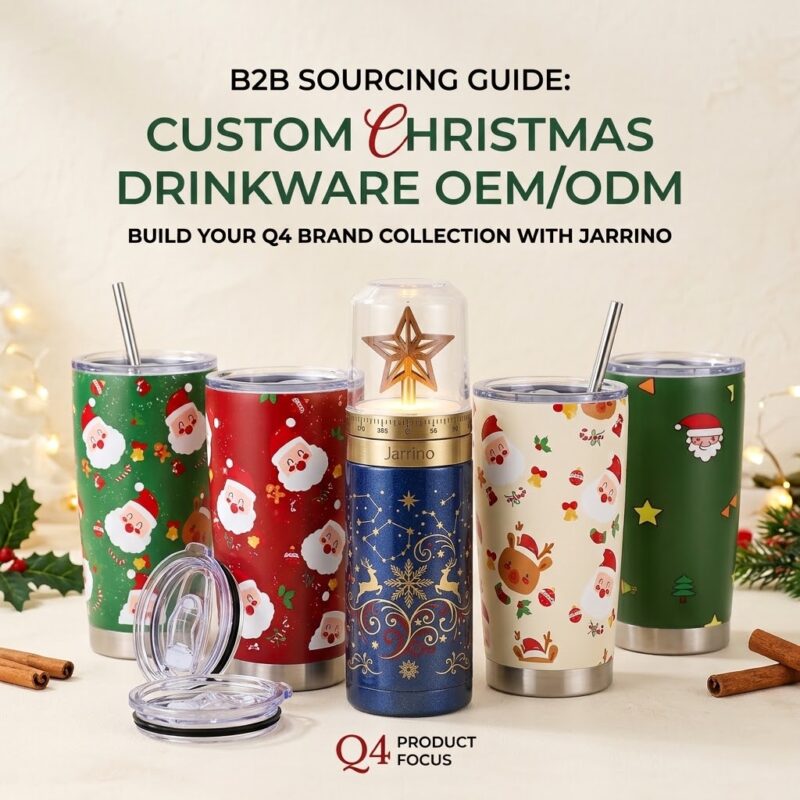
Verres de Noël personnalisés: Guide complet de fabrication OEM/ODM
Jarrino est un fabricant certifié OEM/ODM spécialisé dans les flacons à vide personnalisés, gobelets doublés de céramique, et verres en titane. Les délais de livraison pour les commandes de Noël personnalisées du quatrième trimestre sont de 20 à 30 jours avec de faibles MOQ (300–1 000 pièces) et conformité totale FDA/LFGB. Nous proposons une personnalisation de bout en bout, y compris l'impression numérique 3D, gravure laser, et emballages cadeaux de Noël sur mesure. Des kits d'échantillons et des devis sont disponibles sur demande pour aider les marques à sécuriser en douceur la production des fêtes du quatrième trimestre..
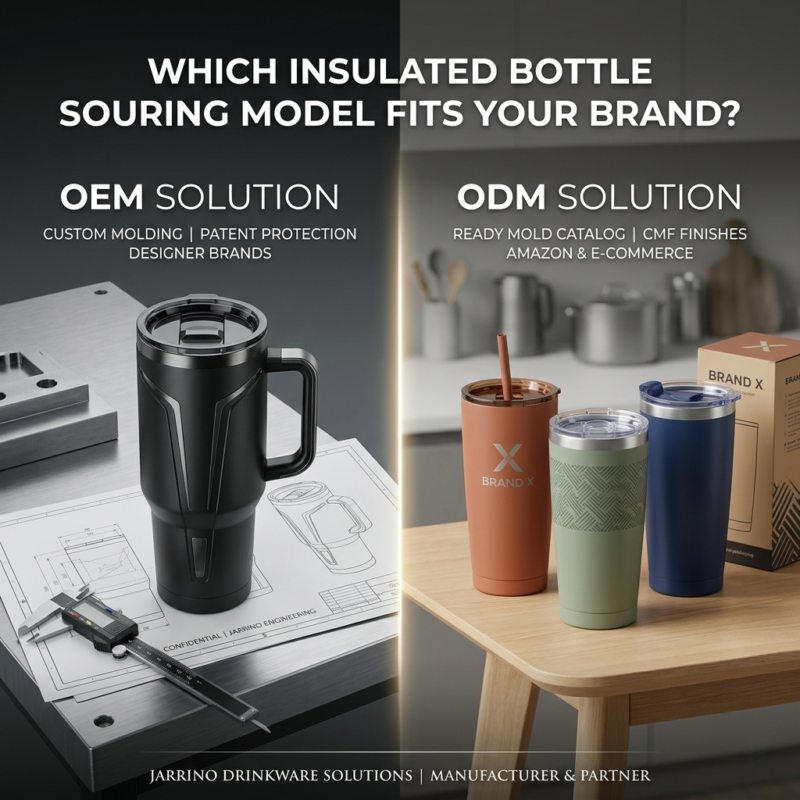
OEM contre. Gobelets isolés par ODM: Quel modèle d'approvisionnement convient à votre marque de verres
Choisir entre OEM (Fabrication d'équipement d'origine) et ODM (Fabrication de conception originale) définit le R de votre marque de verres&Budget D, délai de mise sur le marché, et l'exclusivité du produit. L'OEM est idéal pour les marques établies avec des conceptions CAO personnalisées et des exigences IP uniques, offre 100% moulage sur mesure et protection par brevet. ODM est conçu pour les vendeurs Amazon, Startups DTC, et les acheteurs d'entreprise recherchant des coûts d'outillage nuls, faibles MOQ, et des lancements de produits rapides via des finitions CMF avancées (revêtement en poudre, Impression UV).
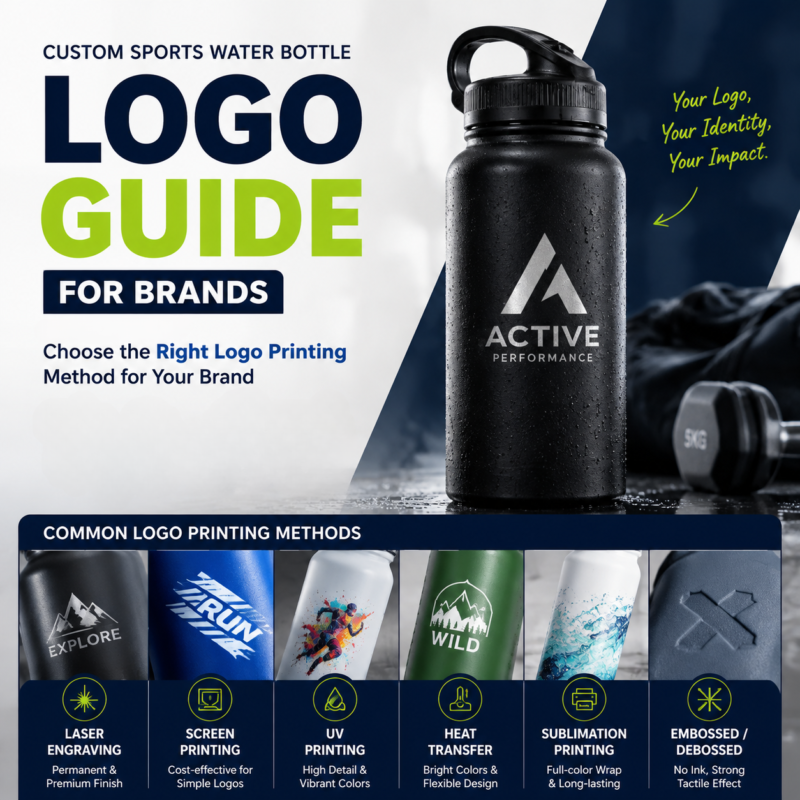
Guide de logo de bouteille d’eau de sport personnalisé pour les marques
Les logos personnalisés de bouteilles d'eau de sport sont créés grâce à différents processus de décoration en fonction du matériau de la bouteille., conception de marque, et exigences de performance. Ce guide couvre les méthodes d'impression de logo les plus courantes, y compris la gravure au laser, sérigraphie, Impression UV, transfert de chaleur, et sublimation, aider les marques de sport à sélectionner la bonne option de personnalisation pour des produits de boisson durables et professionnels.
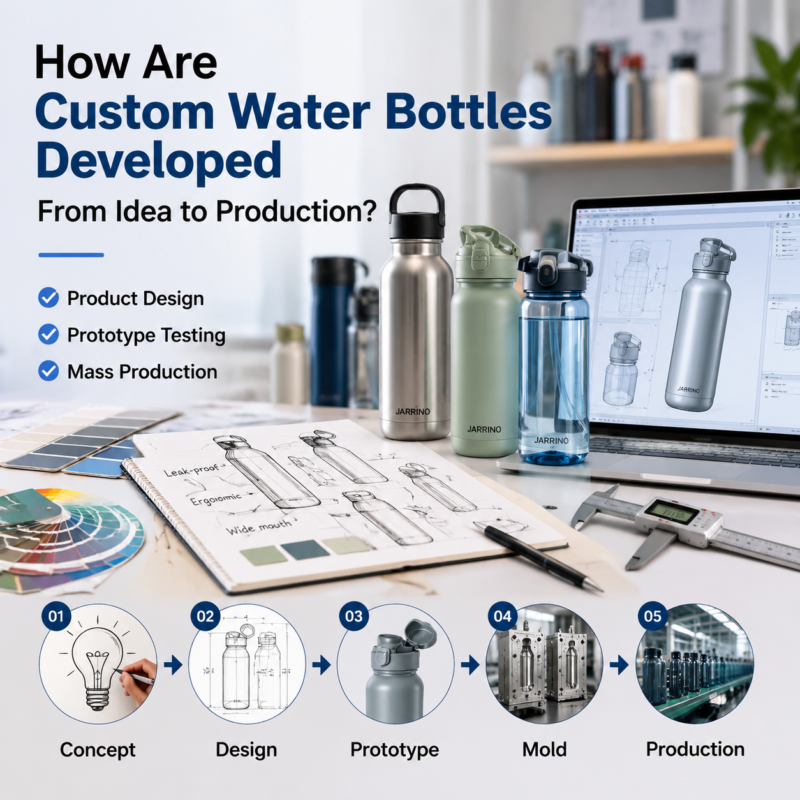
Comment les bouteilles d'eau personnalisées sont-elles développées, de l'idée à la production ??
Développer une bouteille d'eau personnalisée nécessite bien plus que choisir un design et ajouter un logo.. Du concept produit initial à l'ingénierie, prototypage, développement de moisissures, essai, et production de masse, chaque étape joue un rôle important dans la création d'un produit de boisson réussi. Ce guide explique comment les marques travaillent avec les fabricants de bouteilles d'eau OEM pour transformer les idées en produits de haute qualité., produits prêts à être commercialisés tout en gérant la conception, coût, et les défis de production.
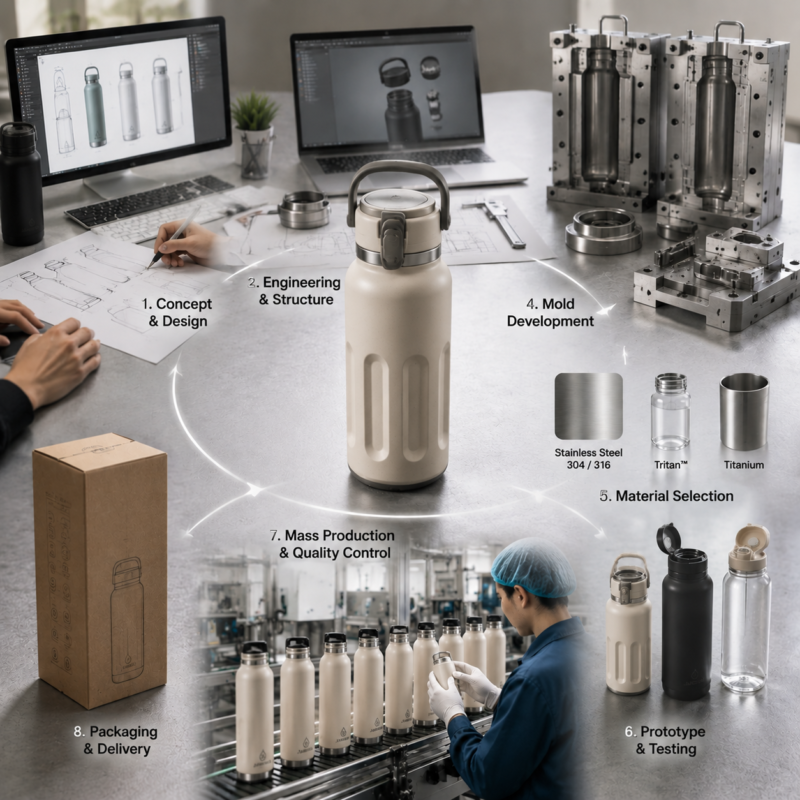
Comment sont fabriquées les bouteilles d’eau entièrement personnalisées?
Développer une bouteille d’eau entièrement personnalisée implique bien plus que l’ajout d’un logo à un produit existant. Ce guide explique comment les marques créent des bouteilles d'eau uniques grâce à la conception de produits., ingénierie, sélection des matériaux, développement de moisissures, tests de prototypes, et production de masse. Découvrez comment un fabricant de bouteilles d'eau OEM expérimenté contribue à transformer une idée en un produit prêt à être commercialisé tout en gérant la qualité., coût, et efficacité de production.
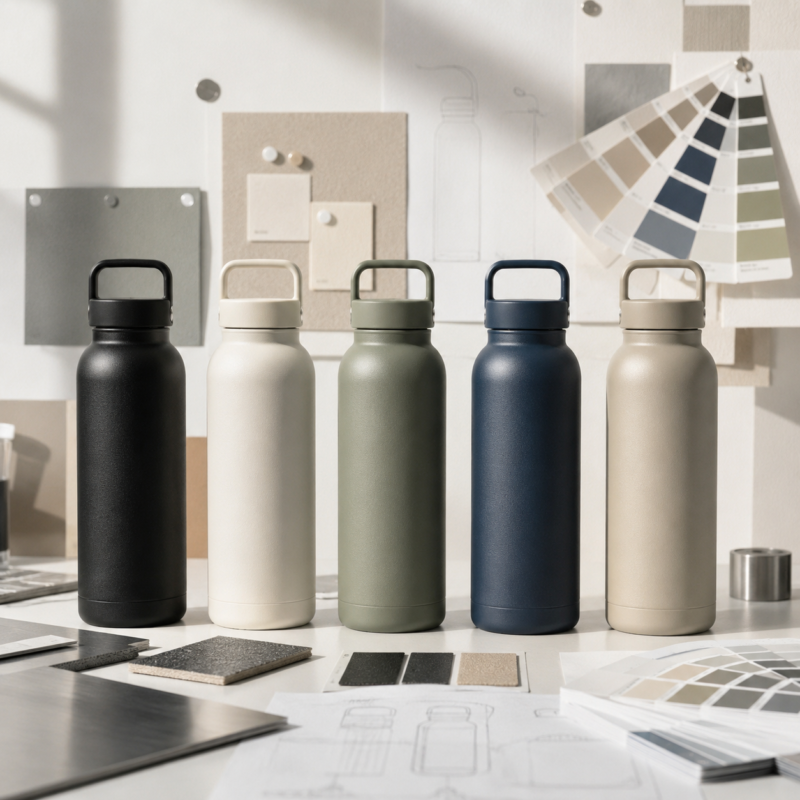
Comment choisir les couleurs et les finitions des bouteilles d'eau personnalisées
Le succès d’une collection de bouteilles d’eau personnalisées ne dépend pas seulement de couleurs attrayantes. Choisir la bonne palette de couleurs, état de surface, et la stratégie de fabrication contribue à renforcer l’identité de la marque, améliorer l'attractivité des clients, et assurer des ventes à long terme. Ce guide explique comment sélectionner les couleurs en fonction des préférences du marché, comparer les finitions mates et brillantes, optimiser les SKU, et obtenez une qualité constante grâce à une production OEM professionnelle.
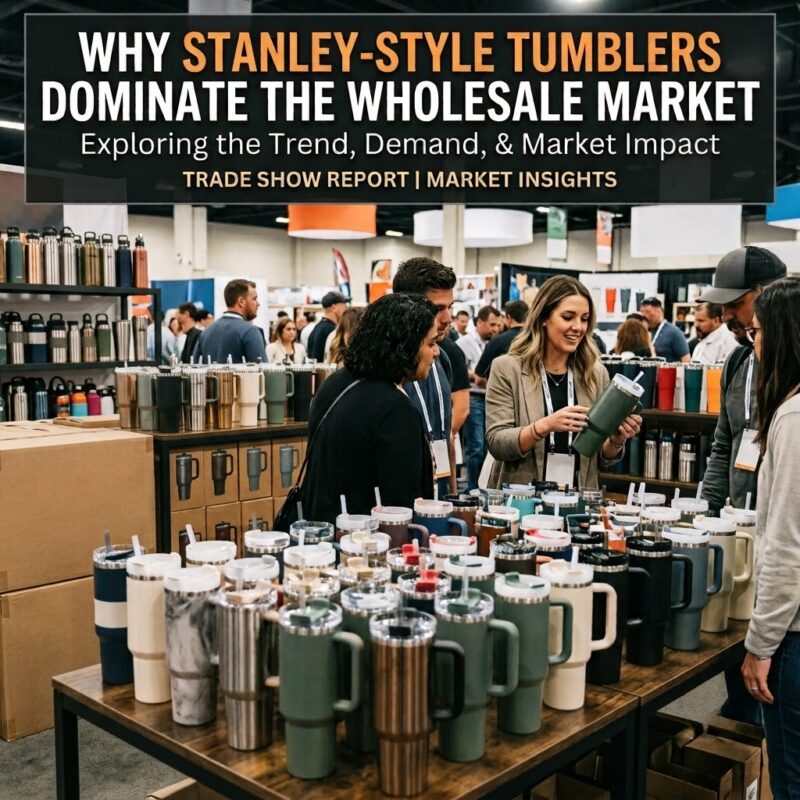
Pourquoi les gobelets de style Stanley dominent le marché de gros
Les gobelets de style Stanley sont devenus un phénomène culturel et un best-seller en gros. Cet article explore pourquoi – de 18/8 acier inoxydable et isolation sous vide à double paroi pour une valeur perçue élevée, potentiel de personnalisation, et une demande constante de commandes répétées. Découvrez ce qui fait de ces gobelets un produit fiable, catégorie rentable pour les acheteurs en gros.
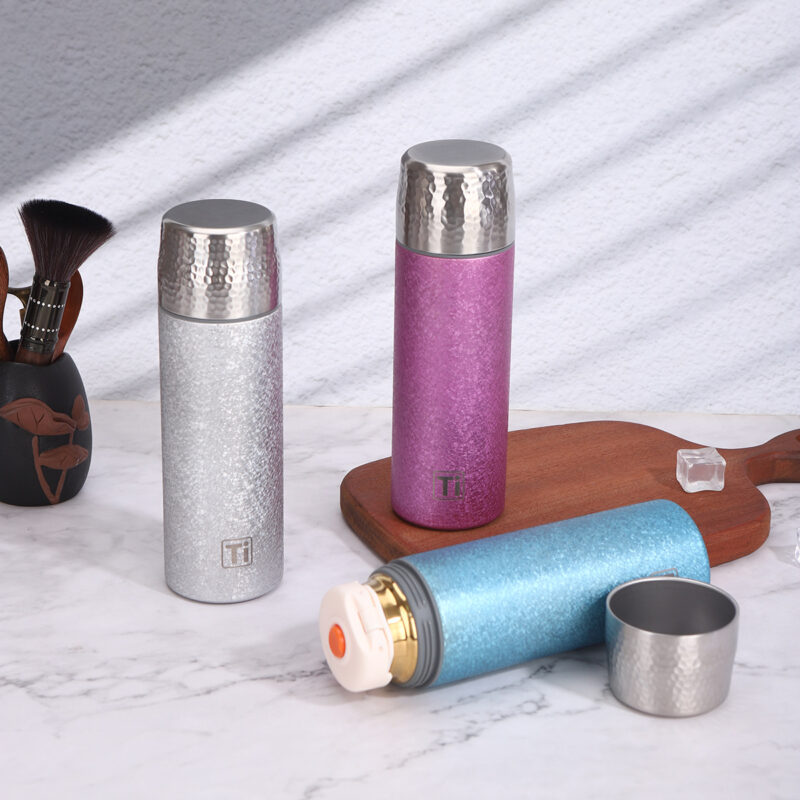
Les bouteilles d'eau en titane sont-elles sûres?
Le titane est sans danger. C'est aussi cher. Voici comment il se compare à l’acier inoxydable et à l’aluminium – et quel matériau est réellement adapté à votre marque..
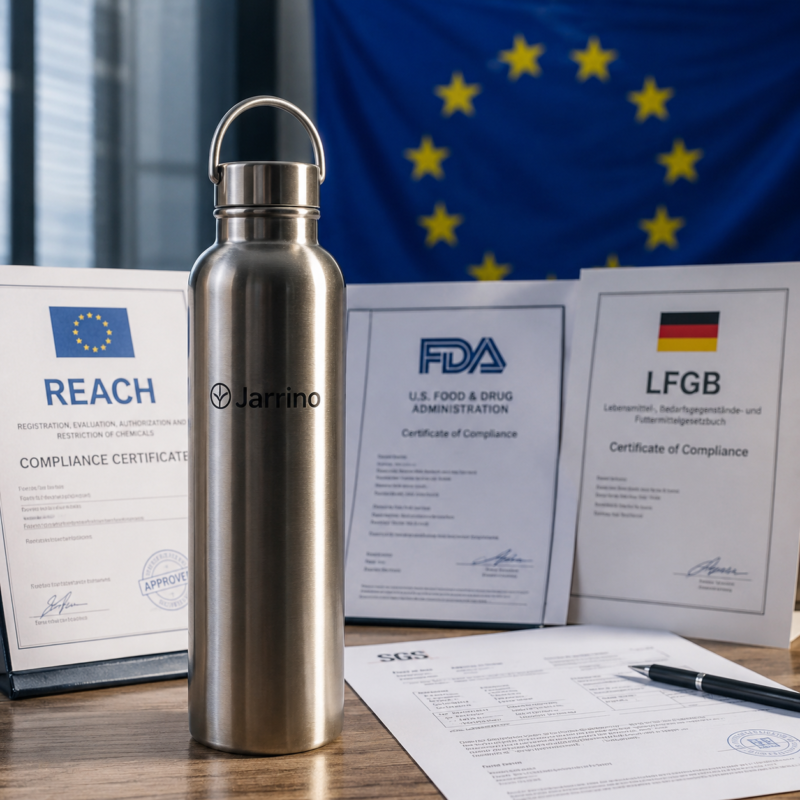
Règlement de l'UE sur les microplastiques 2026: Ce que tout fabricant de bouteilles d’eau personnalisées devrait savoir
Découvrez comment le règlement européen sur les microplastiques (UE) 2026/1168 impacte les fabricants de bouteilles d’eau personnalisées et les marques de verres de marque privée. Découvrez comment Jarrino aide les importateurs à rester conformes à REACH avec des bouteilles d'eau durables en acier inoxydable.
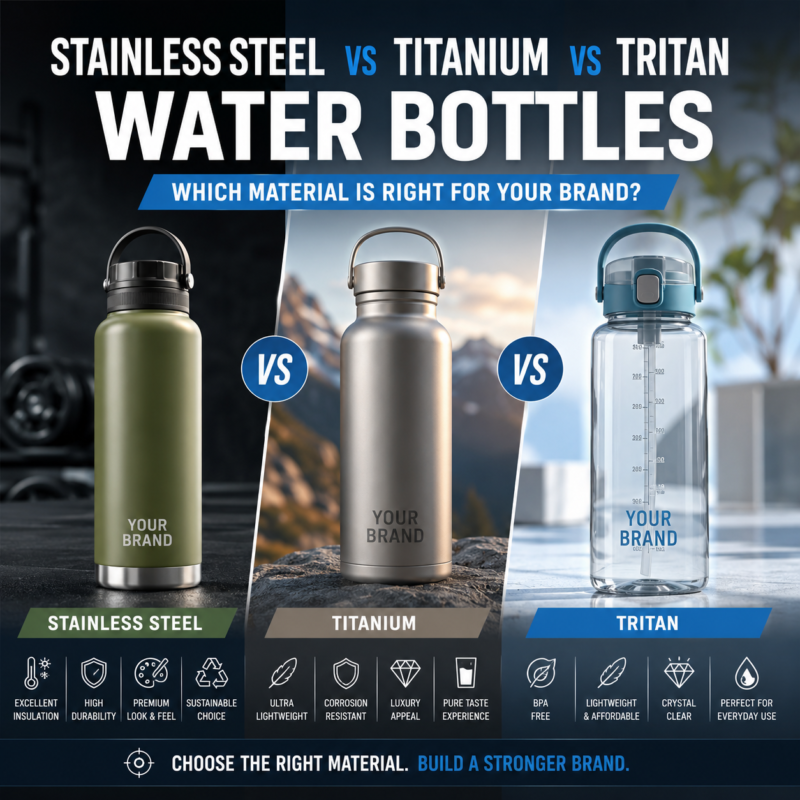
Stainless Steel vs Titanium vs Tritan Water Bottles: Which Material Is Right for Your Brand?
Choosing the right water bottle material can significantly impact your product quality, pricing, and brand positioning. This guide compares stainless steel, titane, and Tritan water bottles across durability, isolation, coût, personnalisation, and sustainability to help brands, détaillants, and OEM buyers select the best material for their target market.
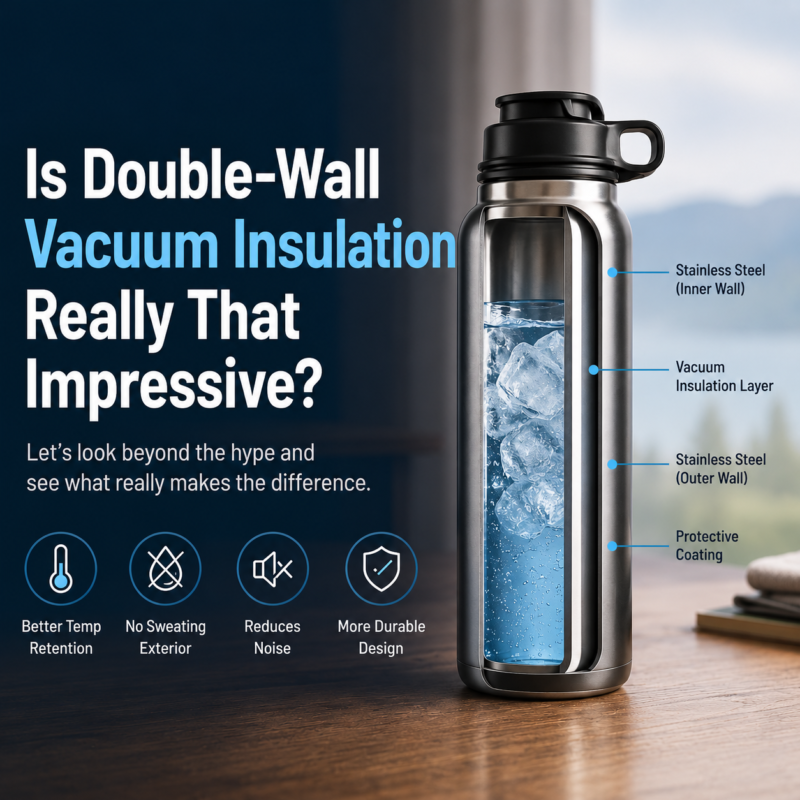
L’isolation sous vide à double paroi est-elle vraiment si impressionnante ??
Double‑wall vacuum insulation is standard in premium drinkware, but the difference between a bottle that performs and one that disappoints comes down to manufacturing quality. This guide explains how vacuum insulation works, sets realistic performance expectations, and gives B2B buyers a practical checklist for evaluating suppliers. Plus, why Jarrino’s strict quality standards ensure your custom bottles deliver on their promises.
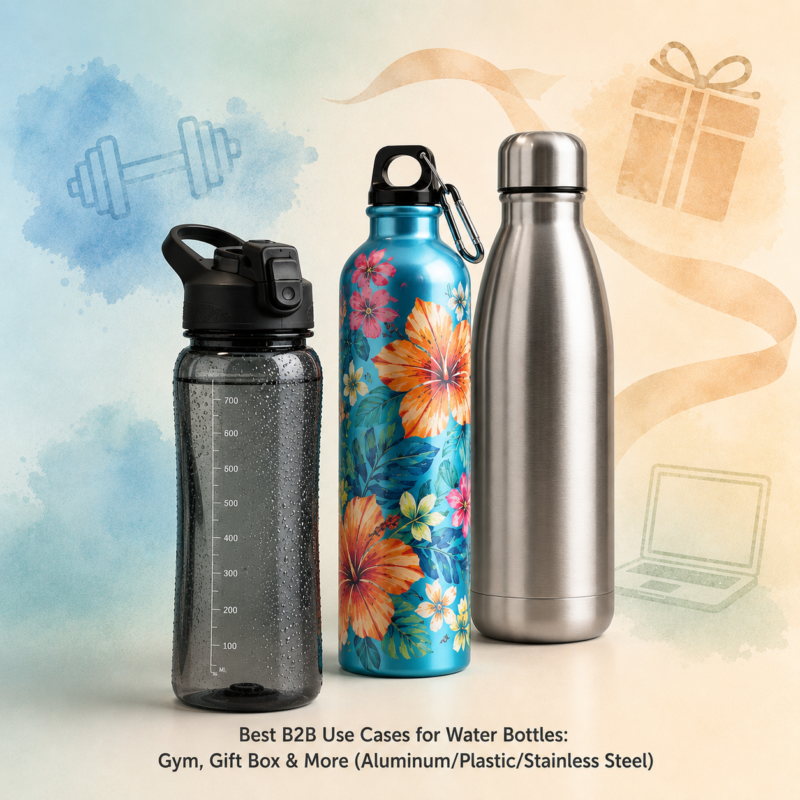
Meilleurs cas d'utilisation B2B pour les bouteilles d'eau: Salle de sport, Coffret cadeau & Plus (Aluminium/Plastique/Acier)
Toutes les bouteilles d’eau ne conviennent pas à tous les cas d’utilisation B2B. Cet article correspond à trois matériaux : l'acier inoxydable, aluminium, plastique — aux applications du monde réel: gymnases, coffrets cadeaux d'entreprise, salons professionnels, vente au détail en plein air, et programmes scolaires. L'acier inoxydable gagne en durabilité et en isolation. L'aluminium offre de la légèreté, marquage en couleur. Le plastique est économique pour les événements à grand volume (à condition qu'il soit sans BPA). Une aide-mémoire rapide aide les acheteurs B2B à équilibrer les coûts, image de marque, et les attentes des utilisateurs.