
How Are Fully Custom Water Bottles Made?
From Product Concept and Mold Development to Mass Production
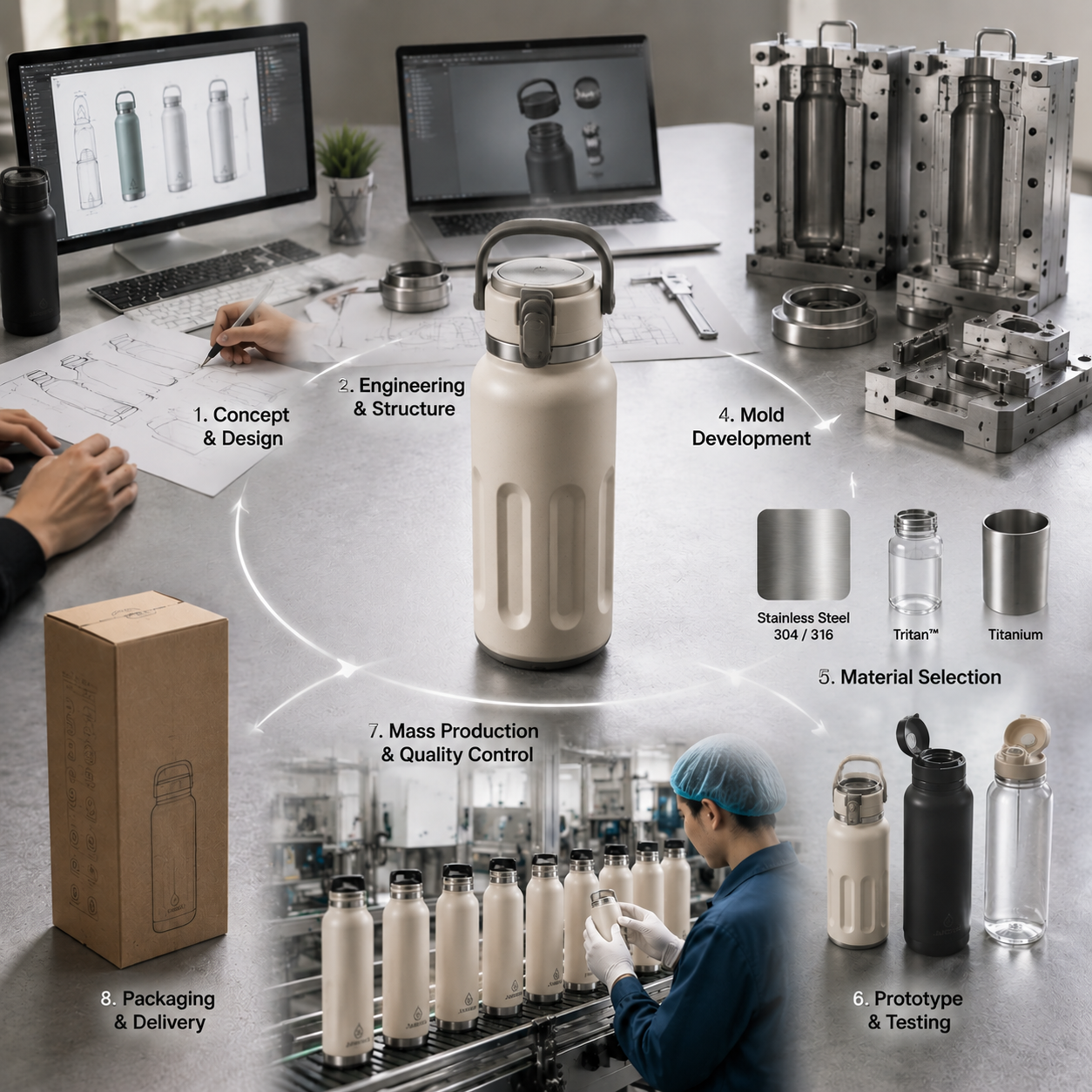
A fully custom water bottle is not created by simply adding a logo to an existing product. A truly custom bottle requires a complete product development process that transforms an idea into a manufacturable product.
For brands looking to create their own unique drinkware, the journey usually involves product design, engineering, sélection des matériaux, prototype testing, mold development, quality inspection, and mass production.
Choosing the right custom water bottle manufacturer is critical because the manufacturing partner directly affects product quality, development efficiency, production cost, and long-term scalability.
Chez Jarrino, we help startups, détaillants, distributors, and established brands develop custom water bottles from concept to production. Whether a brand needs a completely new bottle design or a customized existing platform, our team supports every stage of the development process.
This guide explains how fully custom water bottles are designed, developed, and manufactured.
What Is a Fully Custom Water Bottle?
A fully custom water bottle is a product developed according to a brand’s unique requirements rather than a standard factory design.
Unlike basic customization, which usually includes logo printing or color changes, a fully custom project allows brands to control almost every aspect of the product.
A fully custom water bottle may include:
- Original bottle shape
- Custom size and capacity
- Unique lid design
- Special functional features
- Custom accessories
- Exclusive surface finishes
- Custom packaging
Par exemple, a brand may want to develop:
- A premium insulated bottle for outdoor users
- A lightweight titanium bottle for adventure markets
- A children’s bottle with a special safety lid
- A branded corporate gift bottle with a unique design
These projects require deeper cooperation between the brand and the OEM manufacturer.
Étape 1: Product Concept and Design Development
Every custom water bottle begins with an idea.
Before manufacturing starts, brands need to define the product concept:
- Who is the target customer?
- What problem does the bottle solve?
- What capacity is required?
- What material is suitable?
- What price range is expected?
- What features make the product different?
A professional manufacturer helps evaluate whether the idea can be produced efficiently.
Par exemple:
A sports brand may prioritize:
- Lightweight design
- Easy carrying
- Durabilité
- Large capacity
A premium lifestyle brand may focus on:
- Unique appearance
- High-end finishes
- Premium materials
A children’s bottle brand may require:
- Safe materials
- Leak-proof structure
- Easy cleaning
The design stage determines the foundation of the entire project.
Étape 2: Industrial Design and Engineering
After the product concept is confirmed, the next step is converting the idea into a production-ready design.
This includes two important areas:
Dessin industriel
Industrial designers focus on:
- Bottle appearance
- Shape
- Proportion
- User experience
- Brand identity
A good design should not only look attractive but also consider manufacturing limitations.
Engineering Development
Engineering teams evaluate:
- Product structure
- Wall thickness
- Lid mechanism
- Assembly method
- Manufacturing feasibility
A common mistake for new brands is designing a product that looks impressive but is difficult or expensive to manufacture.
An experienced OEM partner helps optimize the design before moving into tooling.
Étape 3: Do Fully Custom Water Bottles Need New Molds?
One of the most common questions from brands is:
Do I need a new mold for my custom water bottle?
The answer depends on the level of customization.
When a New Mold Is Not Required
A new mold may not be necessary if you only need:
- Logo customization
- Color changes
- Packaging customization
- Surface finishing changes
Using an existing bottle platform can help brands:
- Reduce development costs
- Shorten launch time
- Test market demand
When a New Mold Is Required
A new mold is usually needed for:
- Completely new bottle shapes
- Custom dimensions
- Unique lid structures
- Exclusive product designs
- Special functions
For brands that want a truly differentiated product, mold development is often the key step.
Étape 4: Mold Development for Custom Water Bottles
Mold development is one of the most important stages in creating a fully custom water bottle.
The mold determines:
- Product shape
- Dimensional accuracy
- Production efficiency
- Product consistency
The typical mold development process includes:
1. 3D Design Confirmation
Engineers create detailed drawings and 3D models based on the approved design.
The team reviews:
- Dimensions
- Structure
- Material requirements
- Production methods
before creating the mold.
2. Mold Manufacturing
After design approval, the mold is manufactured using precision processing.
The mold complexity depends on:
- Bottle structure
- Matériel
- Number of components
- Production method
For stainless steel insulated bottles, tooling may involve:
- Bottle forming
- Neck shaping
- Bottom structure
- Lid components
For Tritan or plastic bottles, tooling may involve:
- Injection molds
- Blow molds
- Cap molds
3. Mold Testing and Optimization
Before mass production, manufacturers conduct trial production.
The product is checked for:
- Size accuracy
- Appearance
- Assembly performance
- Functionality
Any necessary adjustments are completed before final production.
This stage helps avoid expensive problems during mass manufacturing.
Étape 5: Material Selection for Custom Water Bottles
Material selection affects product performance, customer experience, and brand positioning.
Common materials include:
Acier inoxydable
The most popular choice for premium insulated drinkware.
Advantages:
- Durable
- Food-safe
- Excellent insulation capability
- Long service life
304 stainless steel is widely used for:
- Gobelets
- Travel mugs
- Vacuum bottles
316 stainless steel is often selected for premium products requiring higher corrosion resistance.
Tritan ™
Tritan™ is commonly used for lightweight reusable bottles.
Advantages:
- Sans BPA
- Transparent appearance
- Impact resistance
- Léger
It is popular for:
- Sports bottles
- Fitness products
- Enfants’s bottles
Titane
Titanium is a premium material used by brands targeting:
- Outdoor enthusiasts
- Adventure users
- High-end customers
Advantages:
- Extremely lightweight
- Corrosion resistant
- Premium positioning
Étape 6: Prototype Testing Before Mass Production
Before large-scale production, professional manufacturers create samples for testing.
Prototype approval allows brands to confirm:
- Product appearance
- Dimensions
- Function
- Material performance
- User experience
Testing may include:
- Leak testing
- Lid function testing
- Surface inspection
- Insulation testing
Sample approval is an important step because it reduces production risks before large investment.
Étape 7: Mass Production and Quality Control
Once the final sample is approved, production begins.
A professional custom water bottle manufacturer manages multiple stages:
Production Preparation
Including:
- Material inspection
- Production scheduling
- Manufacturing setup
Fabrication
Depending on the product type:
Stainless steel bottles may involve:
- Forming
- Welding
- Vacuum insulation
- Surface finishing
- Assembly
Plastic bottles may involve:
- Moulage par injection
- Blow molding
- Assembly
Inspection de qualité
Quality checks include:
- Appearance inspection
- Leak testing
- Function testing
- Packaging inspection
Consistent quality control ensures every production batch meets brand requirements.
Frequently Asked Questions About Fully Custom Water Bottles
How long does it take to develop a fully custom water bottle?
A fully custom project usually takes longer than standard customization because it may involve design, engineering, mold development, and testing.
The timeline depends on product complexity and production requirements.
Is creating a new mold expensive?
Mold costs depend on:
- Product design
- Matériel
- Complexity
- Number of components
An experienced manufacturer can help optimize the design to control tooling investment.
Can startups develop fully custom water bottles?
Oui.
Many startups begin with existing platforms and move to fully custom products after validating market demand.
This approach reduces risk while allowing long-term product development.
Why Choose Jarrino for Fully Custom Water Bottle Development?
Developing a successful custom water bottle requires more than manufacturing capacity.
Brands need a partner with experience in:
- Product development
- Material selection
- Mold development
- Manufacturing processes
- Quality control
Chez Jarrino, we support brands from the first product idea to final production.
Our goal is to help businesses create unique drinkware products that are practical, fiable, and ready for global markets.
Whether you are developing your first custom bottle or expanding an existing product line, Jarrino provides OEM and ODM solutions designed around your business goals.
Start Your Fully Custom Water Bottle Project
Every successful product starts with a clear idea and the right manufacturing partner.
If you are planning to develop a fully custom water bottle, Jarrino can help you evaluate materials, improve product designs, develop prototypes, manage tooling, and achieve reliable mass production.
Contact Jarrino today to discuss your next custom drinkware project.
Articles connexes
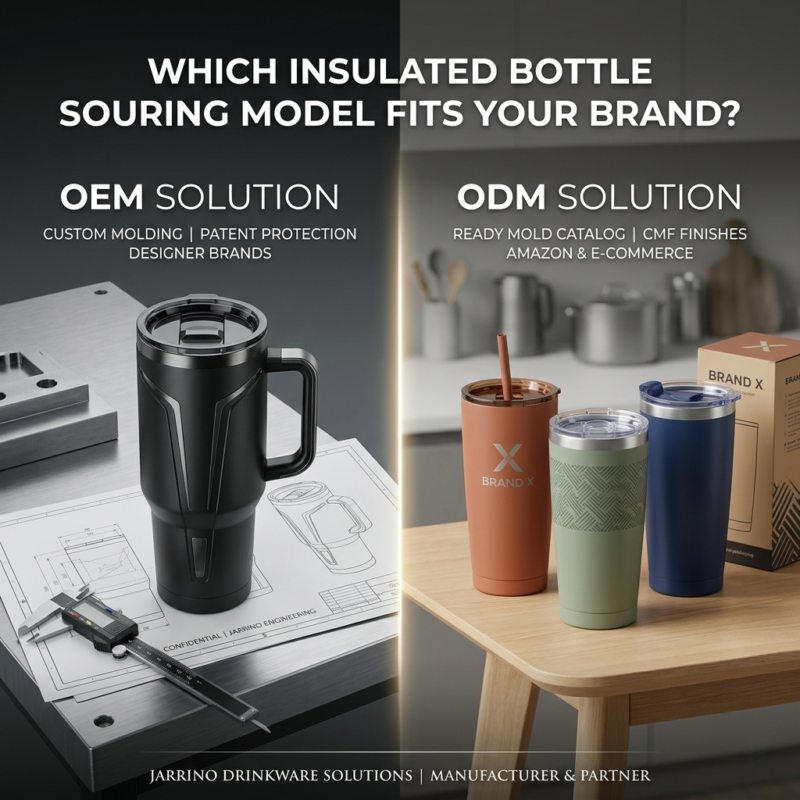
OEM vs. ODM Insulated Tumblers: Which Sourcing Model Fits Your Drinkware Brand
Choosing between OEM (Original Equipment Manufacturing) and ODM (Original Design Manufacturing) defines your drinkware brand’s R&D budget, time-to-market, and product exclusivity. OEM is ideal for established brands with custom CAD designs and unique IP requirements, offering 100% custom molding and patent protection. ODM is built for Amazon sellers, DTC startups, and corporate buyers seeking zero tooling costs, low MOQs, and rapid product launches via advanced CMF finishes (powder coating, UV printing).
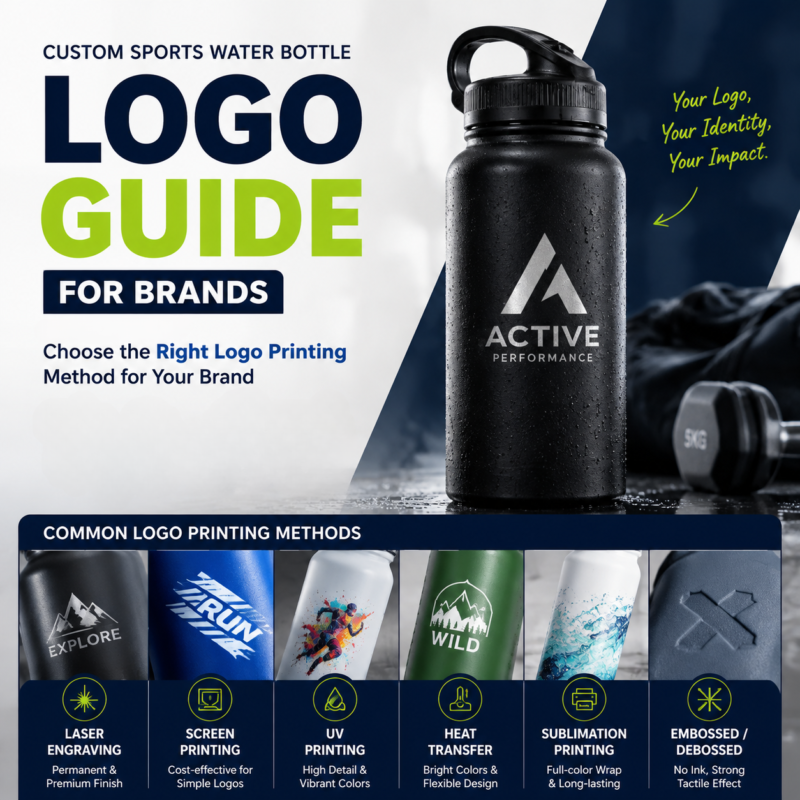
Custom Sports Water Bottle Logo Guide for Brands
Custom sports water bottle logos are created through different decoration processes depending on the bottle material, brand design, and performance requirements. This guide covers the most common logo printing methods, including laser engraving, screen printing, UV printing, transfert de chaleur, and sublimation, helping sports brands select the right customization option for durable and professional drinkware products.
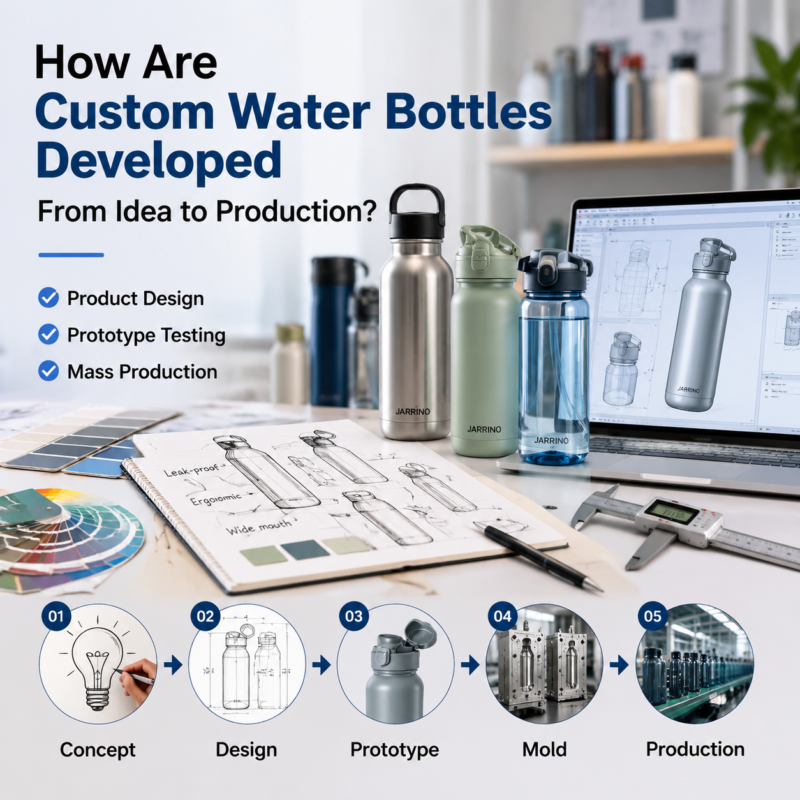
How Are Custom Water Bottles Developed From Idea to Production?
Developing a custom water bottle requires more than choosing a design and adding a logo. From the initial product concept to engineering, prototyping, mold development, testing, and mass production, every stage plays an important role in creating a successful drinkware product. This guide explains how brands work with OEM water bottle manufacturers to transform ideas into high-quality, market-ready products while managing design, coût, and production challenges.
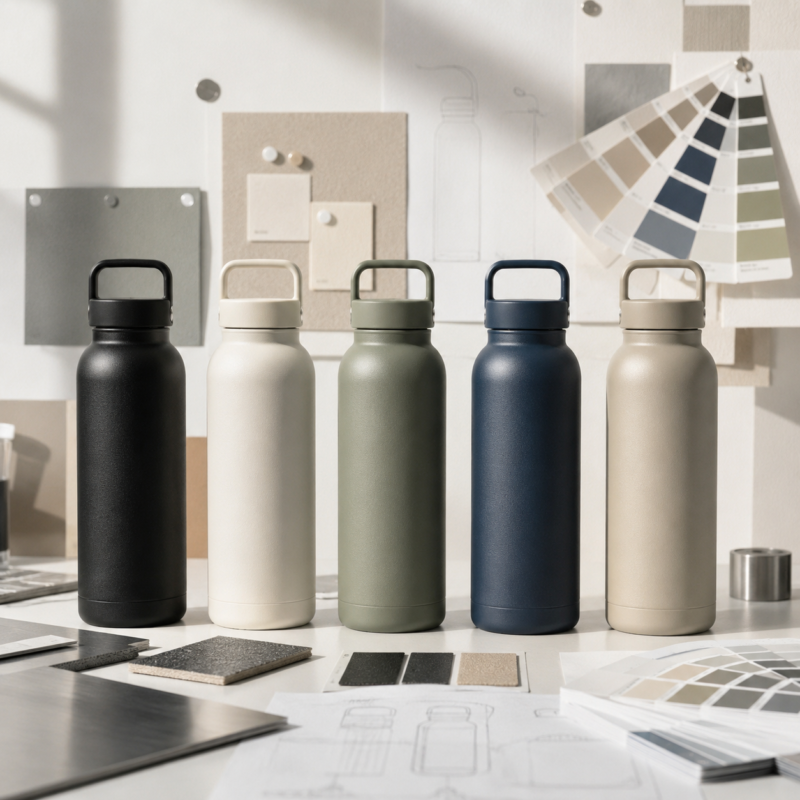
Comment choisir les couleurs et les finitions des bouteilles d'eau personnalisées
Le succès d’une collection de bouteilles d’eau personnalisées ne dépend pas seulement de couleurs attrayantes. Choisir la bonne palette de couleurs, état de surface, et la stratégie de fabrication contribue à renforcer l’identité de la marque, améliorer l'attractivité des clients, et assurer des ventes à long terme. Ce guide explique comment sélectionner les couleurs en fonction des préférences du marché, comparer les finitions mates et brillantes, optimiser les SKU, et obtenez une qualité constante grâce à une production OEM professionnelle.
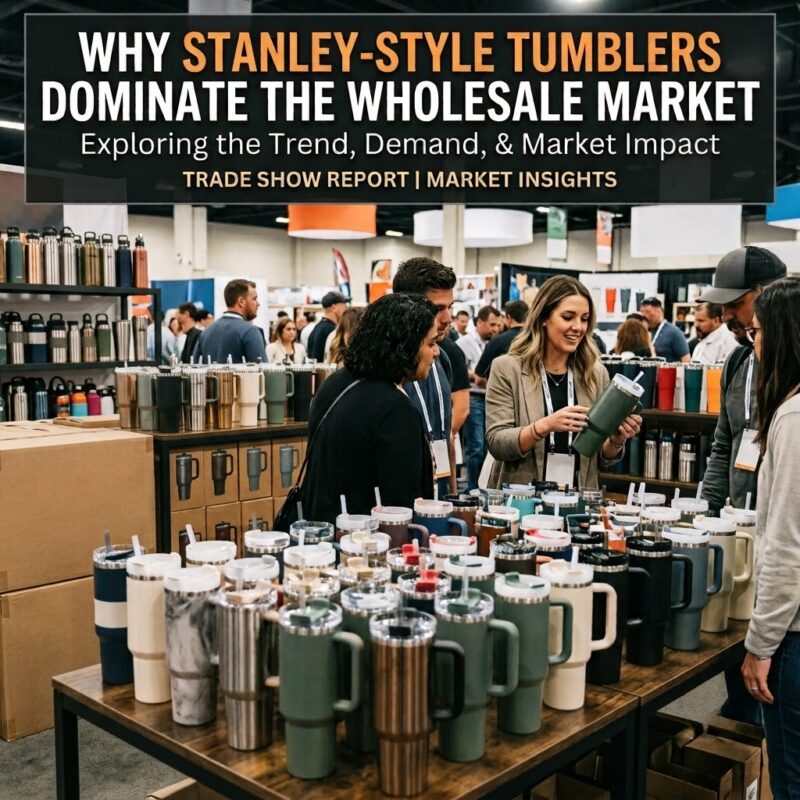
Pourquoi les gobelets de style Stanley dominent le marché de gros
Les gobelets de style Stanley sont devenus un phénomène culturel et un best-seller en gros. Cet article explore pourquoi – de 18/8 acier inoxydable et isolation sous vide à double paroi pour une valeur perçue élevée, potentiel de personnalisation, et une demande constante de commandes répétées. Découvrez ce qui fait de ces gobelets un produit fiable, catégorie rentable pour les acheteurs en gros.
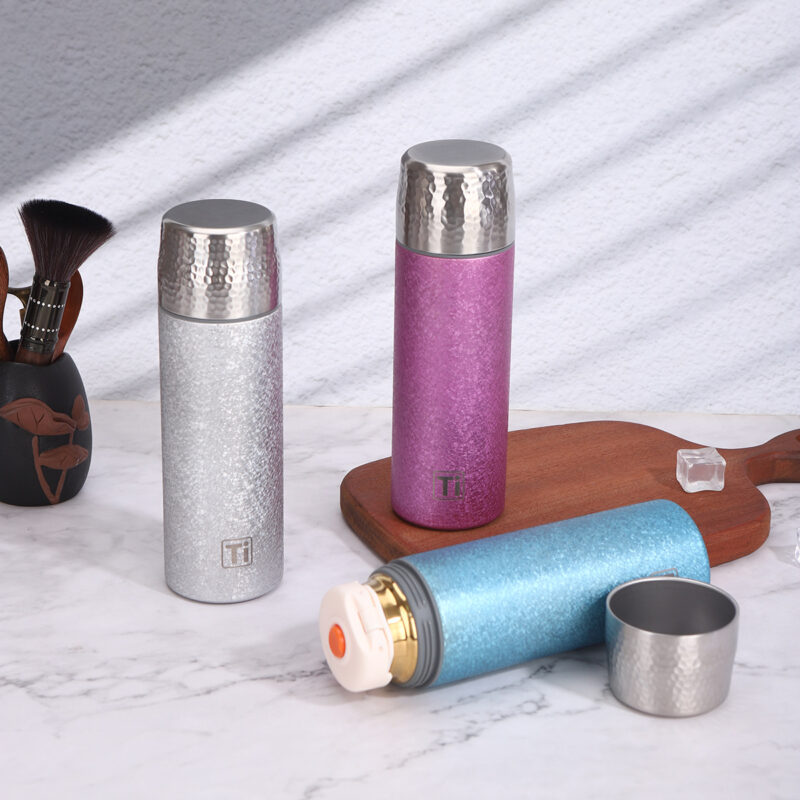
Les bouteilles d'eau en titane sont-elles sûres?
Le titane est sans danger. C'est aussi cher. Voici comment il se compare à l’acier inoxydable et à l’aluminium – et quel matériau est réellement adapté à votre marque..
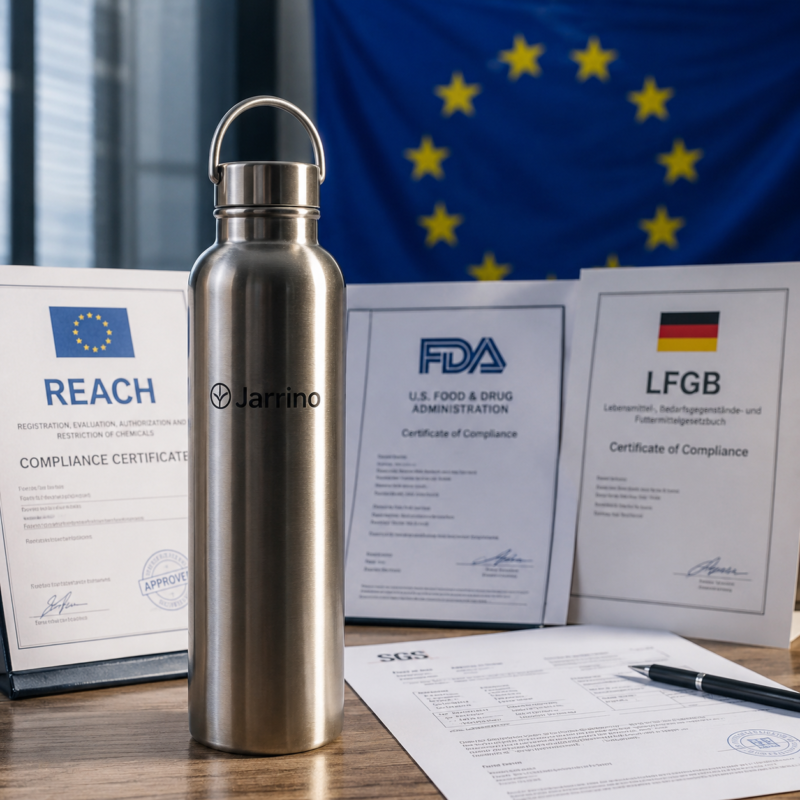
Règlement de l'UE sur les microplastiques 2026: Ce que tout fabricant de bouteilles d’eau personnalisées devrait savoir
Découvrez comment le règlement européen sur les microplastiques (UE) 2026/1168 impacte les fabricants de bouteilles d’eau personnalisées et les marques de verres de marque privée. Découvrez comment Jarrino aide les importateurs à rester conformes à REACH avec des bouteilles d'eau durables en acier inoxydable.
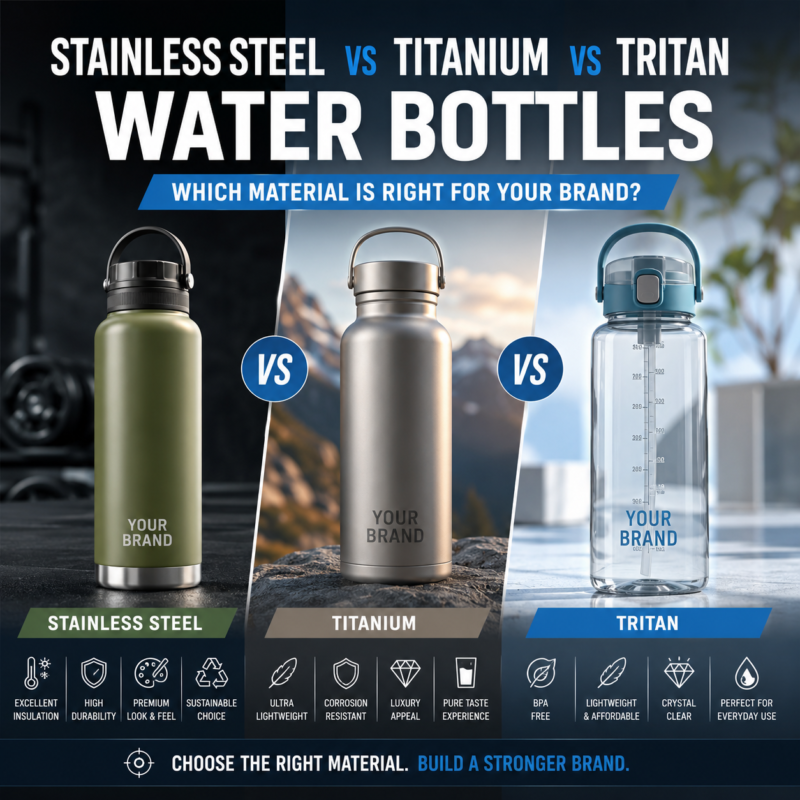
Stainless Steel vs Titanium vs Tritan Water Bottles: Which Material Is Right for Your Brand?
Choosing the right water bottle material can significantly impact your product quality, pricing, and brand positioning. This guide compares stainless steel, titane, and Tritan water bottles across durability, isolation, coût, personnalisation, and sustainability to help brands, détaillants, and OEM buyers select the best material for their target market.
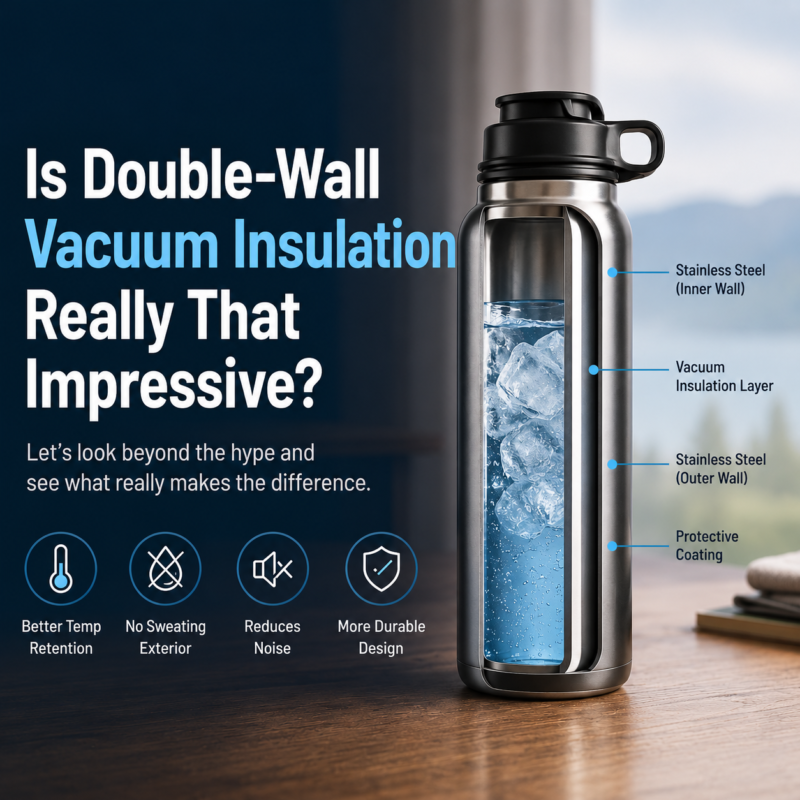
L’isolation sous vide à double paroi est-elle vraiment si impressionnante ??
Double‑wall vacuum insulation is standard in premium drinkware, but the difference between a bottle that performs and one that disappoints comes down to manufacturing quality. This guide explains how vacuum insulation works, sets realistic performance expectations, and gives B2B buyers a practical checklist for evaluating suppliers. Plus, why Jarrino’s strict quality standards ensure your custom bottles deliver on their promises.
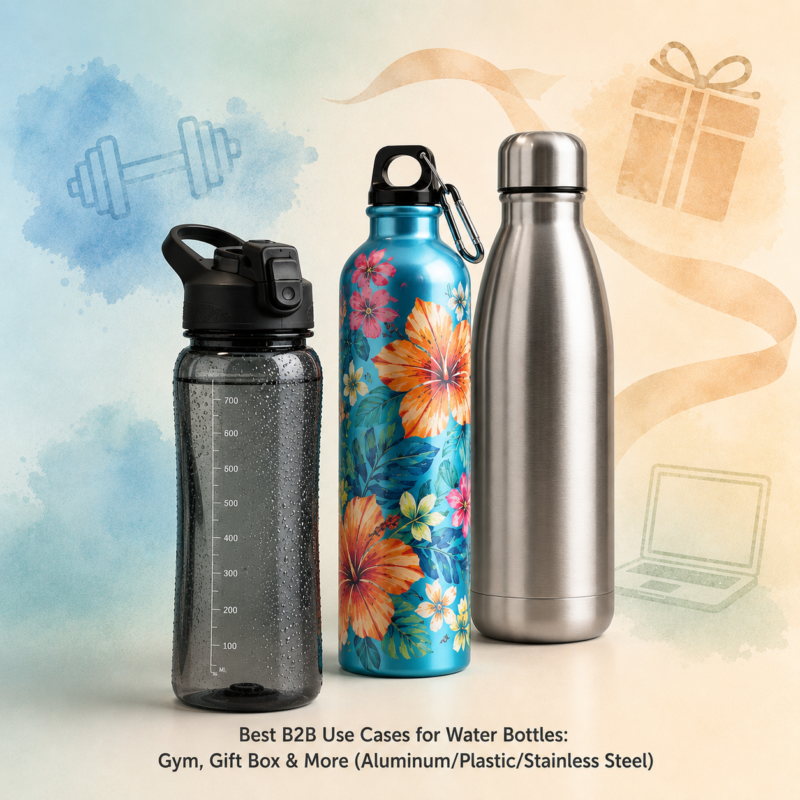
Meilleurs cas d'utilisation B2B pour les bouteilles d'eau: Salle de sport, Coffret cadeau & Plus (Aluminium/Plastique/Acier)
Toutes les bouteilles d’eau ne conviennent pas à tous les cas d’utilisation B2B. Cet article correspond à trois matériaux : l'acier inoxydable, aluminium, plastique — aux applications du monde réel: gymnases, coffrets cadeaux d'entreprise, salons professionnels, vente au détail en plein air, et programmes scolaires. L'acier inoxydable gagne en durabilité et en isolation. L'aluminium offre de la légèreté, marquage en couleur. Le plastique est économique pour les événements à grand volume (à condition qu'il soit sans BPA). Une aide-mémoire rapide aide les acheteurs B2B à équilibrer les coûts, image de marque, et les attentes des utilisateurs.
Quelle méthode de décoration de bouteille d’eau personnalisée dure réellement?
Gravure laser, sublimation, UV, ou sérigraphie – quelle décoration de bouteille personnalisée survit réellement à une utilisation quotidienne? Nous les avons testés. Lire les résultats.
Arrêtez de jouer au jeu MOQ: Une façon plus intelligente de faire évoluer votre marque
Le MOQ n’est pas une barrière – c’est un signal. Découvrez comment les plus grandes marques transforment les commandes minimum en un avantage concurrentiel. Lire le guide complet.