

Wasserflaschen aus Edelstahl vs. Titan vs. Tritan: Welches Material ist das richtige für Ihre Marke??
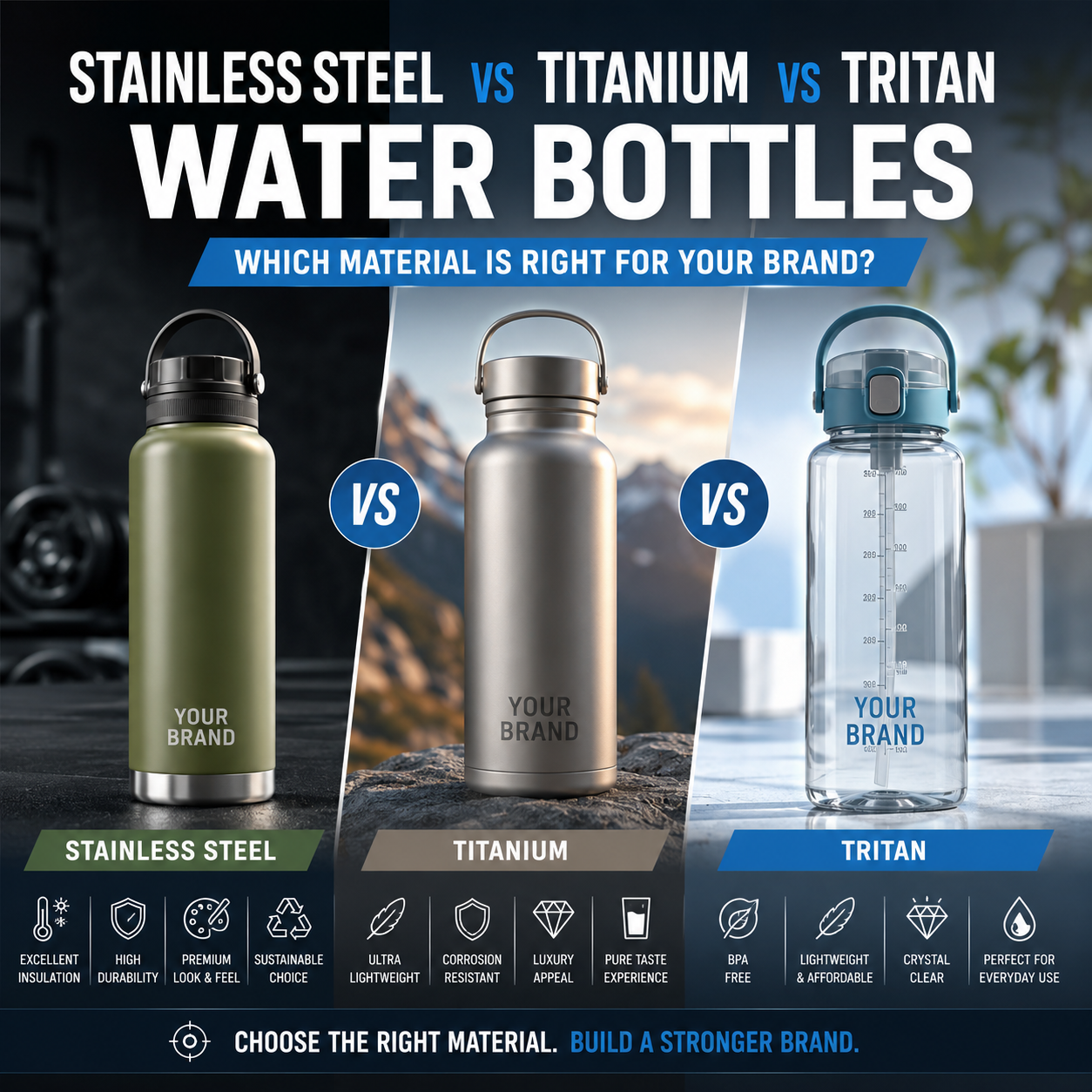
When launching a custom drinkware collection, one of the first decisions isn’t color or logo placement—it’s Materialauswahl.
Should you choose Edelstahl, Titan, oder Tritan™ plastic?
Each material targets different customer segments, price points, and use cases. The wrong choice can increase manufacturing costs, reduce customer satisfaction, or weaken your brand positioning. The right one can improve margins, strengthen your value proposition, and increase repeat purchases.
If you’re sourcing from a water bottle manufacturer for OEM or private-label production, understanding the strengths and limitations of each material is essential.
Dieser Leitfaden vergleicht Edelstahl, Titan, and Tritan across performance, Haltbarkeit, branding potential, Nachhaltigkeit, and manufacturing considerations to help you choose the best material for your business.
Quick Comparison
| Besonderheit | Edelstahl | Titan | Tritan |
|---|---|---|---|
| Haltbarkeit | ★★★★★ | ★★★★★ | ★★★☆☆ |
| Gewicht | Medium | Very Light | Light |
| Insulation | Exzellent | Gut | None |
| Taste Neutrality | Exzellent | Outstanding | Gut |
| Premium-Wahrnehmung | Hoch | Luxury | Medium |
| Cost | $$ | $$$$ | $ |
| BPA-frei | Ja | Ja | Ja |
| Spülmaschine sicher | Usually | Ja | Ja |
| OEM Customization | Exzellent | Gut | Exzellent |
| Typical Customers | Im Freien, Corporate, Retail | Premium Outdoor, Luxury | Sport, Schools, Promotional |
Why Material Choice Matters More Than Ever
Consumers today don’t simply buy a water bottle.
They buy:
-
Nachhaltigkeit
-
Health and safety
-
Brand identity
-
Lebensstil
-
Performance
Material selection influences:
-
Manufacturing cost
-
Retail pricing
-
Shipping expenses
-
Product lifespan
-
Customer reviews
-
Environmental impact
-
Brand positioning
For B2B buyers, material directly affects profitability.
Stainless Steel Water Bottles


Stainless steel remains the global standard for premium reusable drinkware.
Most high-quality bottles use Lebensmittelqualität 18/8 (304) Edelstahl, while vacuum insulation creates excellent temperature retention.
Advantages
Outstanding Temperature Performance
Double-wall vacuum insulation can keep drinks:
-
Cold for up to 24 Std.
-
Hot for up to 12 Std.
This makes stainless steel ideal for:
-
Coffee brands
-
Outdoor brands
-
Travel products
-
Firmengeschenke
Extremely Durable
304 stainless steel resists:
-
Rust
-
Corrosion
-
Dents
-
Daily wear
Many bottles remain functional after years of use.
Excellent Branding Surface
Manufacturers can apply:
-
Pulverbeschichtung
-
UV-Druck
-
Lasergravur
-
Seidens -Siebdruck
-
Full-wrap graphics
-
Custom Pantone colors
This flexibility makes stainless steel the preferred choice for private-label brands.
Nachhaltig
Because stainless steel is highly recyclable and designed for long-term use, it aligns well with brands emphasizing environmental responsibility.
Limitations
-
Heavier than titanium or Tritan
-
Higher shipping costs
-
Slightly more expensive than plastic
Titanium Water Bottles


Titanium occupies the luxury end of the drinkware market.
Originally popular among mountaineers and backpackers, titanium bottles are now increasingly used by premium lifestyle brands.
Advantages
Incredibly Lightweight
Titanium offers steel-like strength while weighing significantly less.
Perfect for:
-
Wandern
-
Camping
-
Reisen
-
Minimalist EDC products
Exceptional Corrosion Resistance
Titanium naturally forms an oxide layer that protects against:
-
Saltwater
-
Acids
-
Moisture
It will not rust.
Pure Drinking Experience
Titanium is highly inert.
It doesn’t affect:
-
Kaffee
-
Tea
-
Mineral water
-
Electrolytes
Many enthusiasts describe titanium as delivering the cleanest taste.
Luxury Positioning
Titanium immediately communicates:
-
Premium quality
-
Engineering excellence
-
Outdoor performance
Brands often sell titanium bottles at two to four times the price of comparable stainless steel products.
Limitations
-
High material cost
-
More difficult machining
-
Smaller OEM production ecosystem
-
Längere Vorlaufzeiten
-
Fewer color-finishing options
Tritan Water Bottles


Tritan is a BPA-free copolyester developed specifically for reusable drinkware.
Unlike ordinary plastic bottles, Tritan combines clarity with durability.
Advantages
Leicht
Ideal for:
-
Schools
-
Gyms
-
Sport
-
Tägliches Pendeln
Lower product weight also reduces freight costs.
Erschwinglich
Tritan bottles typically have the lowest production cost.
This makes them suitable for:
-
Promotional campaigns
-
Giveaways
-
Retail chains
-
Event merchandise
Crystal Clear Appearance
Unlike many plastics, Tritan remains transparent over long-term use.
Customers appreciate its glass-like appearance without the fragility.
Easy Customization
Manufacturers can produce:
-
Transparent colors
-
Frosted finishes
-
Flip lids
-
Straw lids
-
Fruit infusers
-
Measurement markings
Limitations
-
No vacuum insulation
-
Lower premium perception
-
Can scratch over time
-
Not intended for keeping beverages hot
Performance Comparison
| Criteria | Edelstahl | Titan | Tritan |
|---|---|---|---|
| Keeps Drinks Hot | Exzellent | Gut | NEIN |
| Keeps Drinks Cold | Exzellent | Gut | NEIN |
| Gewicht | Medium | Exzellent | Exzellent |
| Haltbarkeit | Exzellent | Exzellent | Gut |
| Corrosion Resistance | Exzellent | Outstanding | N/A |
| Luxury Appeal | Hoch | Outstanding | Mäßig |
| Production Cost | Mäßig | Hoch | Niedrig |
| Shipping Cost | Medium | Niedrig | Very Low |
| Color Options | Exzellent | Limited | Exzellent |
Which Material Fits Different Brand Types?
| Brand Type | Recommended Material |
|---|---|
| Outdoor Equipment | Titanium or Stainless Steel |
| Firmengeschenke | Edelstahl |
| Coffee Brands | Edelstahl |
| Luxury Lifestyle | Titan |
| Fitness Brands | Tritan or Stainless Steel |
| School Products | Tritan |
| Promotional Products | Tritan |
| Premium E-commerce | Edelstahl |
| Travel Accessories | Edelstahl |
| High-End Adventure | Titan |
OEM Manufacturing Considerations
Choosing the right manufacturing partner matters just as much as choosing the right material.
When evaluating suppliers, ask about:
-
Food-grade material certifications
-
Factory audit reports
-
Vacuum insulation testing
-
Leak-proof testing
-
Production capacity
-
MOQ flexibility
-
Logo printing options
-
Packaging customization
-
Lead times
-
Quality control procedures
Experienced OEM manufacturers can also recommend the most cost-effective material based on your target market, retail price, and order volume.
Cost vs Retail Positioning
| Material | Typical Manufacturing Cost | Typical Retail Position |
|---|---|---|
| Tritan | Niedrig | Entry-Level |
| Edelstahl | Medium | Mid-to-Premium |
| Titan | Hoch | Luxury |
Higher material cost doesn’t always reduce profit.
Premium materials often support significantly higher retail pricing and stronger brand differentiation.
Which Material Should Your Brand Choose?
Wählen Edelstahl if you want:
-
The broadest market appeal
-
Excellent insulation
-
Premium branding
-
Long product lifespan
-
Strong OEM customization options
Wählen Titan if you want:
-
Luxury positioning
-
Ultra-lightweight products
-
High-end outdoor customers
-
Maximum durability
-
Premium pricing
Wählen Tritan if you want:
-
Affordable manufacturing
-
Lightweight products
-
Promotional campaigns
-
School and fitness markets
-
Large-volume production
Häufig gestellte Fragen
Is titanium better than stainless steel?
Titanium is lighter and more corrosion-resistant, while stainless steel offers better value, stronger insulation performance, and a wider range of manufacturing options. For most brands, stainless steel provides the best balance of performance and cost.
Is Tritan safer than stainless steel?
Both are considered safe for food and beverage use when manufactured to appropriate standards. Tritan is BPA-free, while food-grade stainless steel is non-reactive and widely used for insulated drinkware.
Which material lasts the longest?
Titanium and stainless steel generally have the longest service life due to their resistance to impact and corrosion. Tritan is durable for everyday use but can become scratched with heavy wear.
Which material is easiest to customize?
Stainless steel offers the greatest flexibility, supporting powder coating, Lasergravur, silk-screen printing, UV-Druck, and a wide range of finishes. Tritan also allows colorful molded designs, while titanium typically has more limited finishing options.
Letzte Gedanken
There is no single „am besten“ water bottle material—only the best choice for your brand’s positioning and customers.
-
Edelstahl remains the most versatile option, balancing durability, Isolierung, Anpassung, und Wert.
-
Titan is ideal for premium brands seeking differentiation through lightweight performance and luxury appeal.
-
Tritan is a practical solution for high-volume, budget-conscious, and sports-oriented product lines.
For most OEM and private-label projects, stainless steel continues to deliver the strongest combination of manufacturing flexibility, consumer appeal, and long-term brand value. Selecting the right material early in product development will help optimize costs, strengthen your positioning, and create a drinkware collection that resonates with your target market.
Verwandte Beiträge
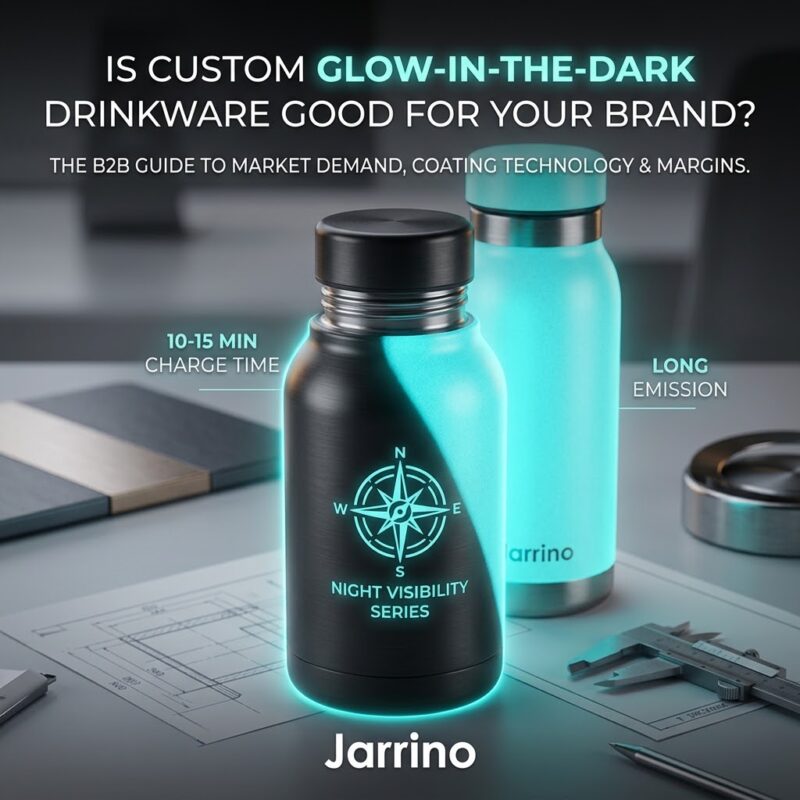
Ist individuelles, im Dunkeln leuchtendes Trinkgeschirr gut für Ihre Marke??
Maßgeschneiderte, im Dunkeln leuchtende Trinkgefäße bieten Handelsmarken eine margenstarke Chance in einem wettbewerbsintensiven Markt. Jarrino bietet Industriequalität, Lebensmittelechte photolumineszierende Beschichtungen, Gewährleistung von Haltbarkeit und Compliance bei gleichzeitiger Ausrichtung auf den Outdoor- und Jugendbereich, Förderung viraler Social-Media-Attraktivität und Produktdifferenzierung.
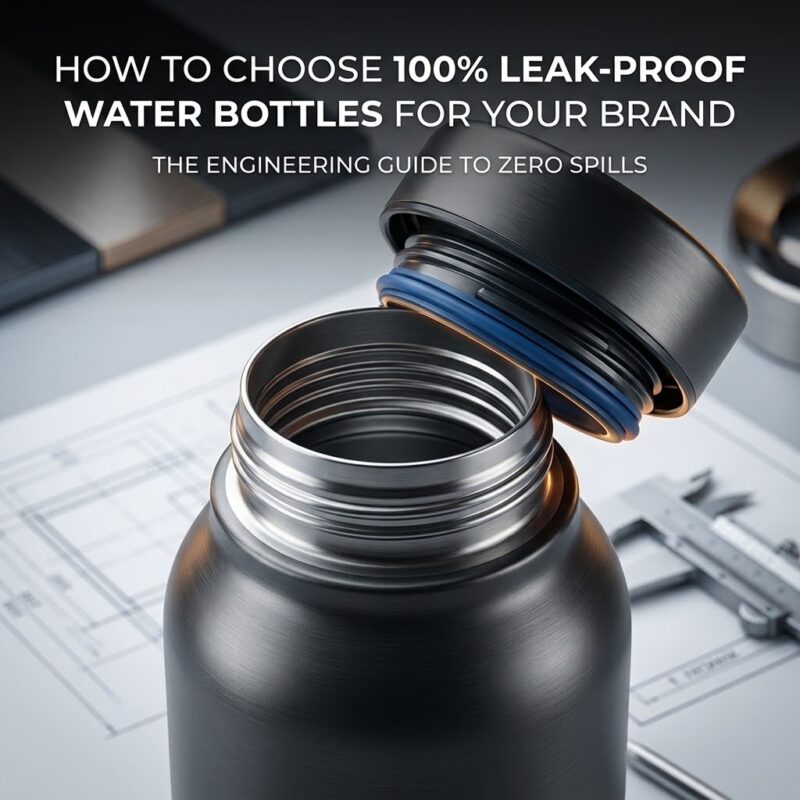
So wählen Sie aus 100% Auslaufsichere Edelstahl-Wasserflaschen für Ihre Marke?
Dieser Leitfaden hilft Getränkemarken bei der Auswahl 100% Auslaufsichere Edelstahlflaschen durch Analyse von QC-Tests und Deckeltechnik. Hersteller wie Jarrino verwenden invertiert, zittern, und Luftdrucktests zur Überprüfung der Dichtungen. Herkömmliche Schraubverschlüsse bieten absoluten Auslaufschutz, während das Verschließen von Klappdeckeln und Strohhalmkappen präzise Silikondichtungen erfordert, CNC-Gewindepräzision, und Einweg-Luftventile, um ein Verschütten zu verhindern.
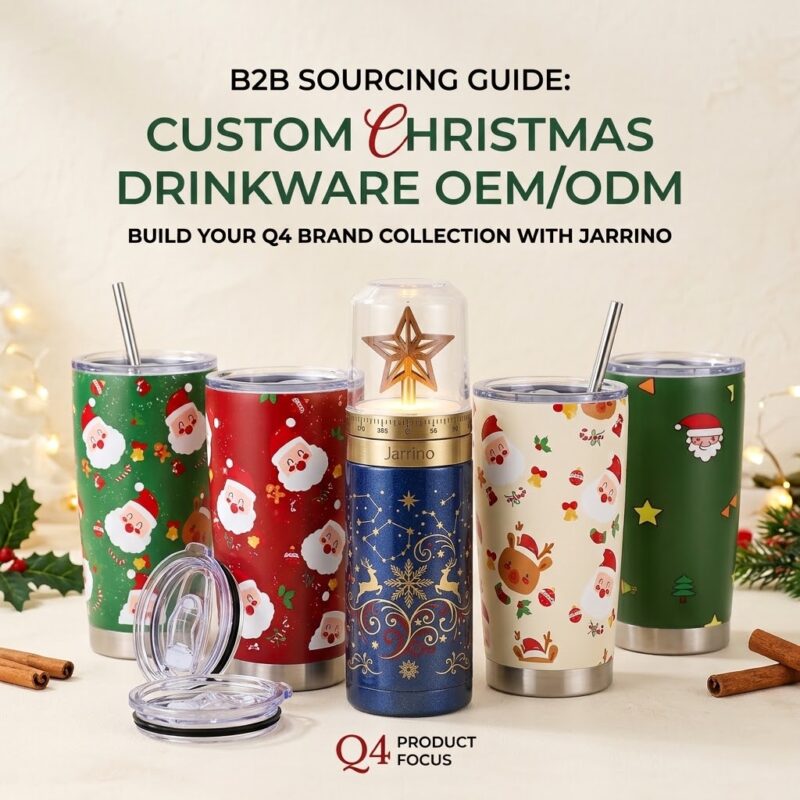
Maßgeschneidertes Weihnachtstrinkgeschirr: Vollständiger OEM/ODM-Fertigungsleitfaden
Jarrino ist ein zertifizierter OEM/ODM-Hersteller, der sich auf kundenspezifische Isolierflaschen spezialisiert hat, Mit Keramik ausgekleidete Becher, und Trinkgeschirr aus Titan. Die Lieferzeiten für kundenspezifische Weihnachtsbestellungen im vierten Quartal betragen 20–30 Tage bei niedrigen Mindestbestellmengen (300–1.000 Stk) und vollständige FDA/LFGB-Konformität. Wir bieten eine umfassende Individualisierung einschließlich 3D-Digitaldruck, Lasergravur, und maßgeschneiderte Weihnachtsgeschenkverpackungen. Musterkits und Angebote sind auf Anfrage erhältlich, um Marken dabei zu helfen, die Feiertagsproduktion im vierten Quartal reibungslos abzuschließen.
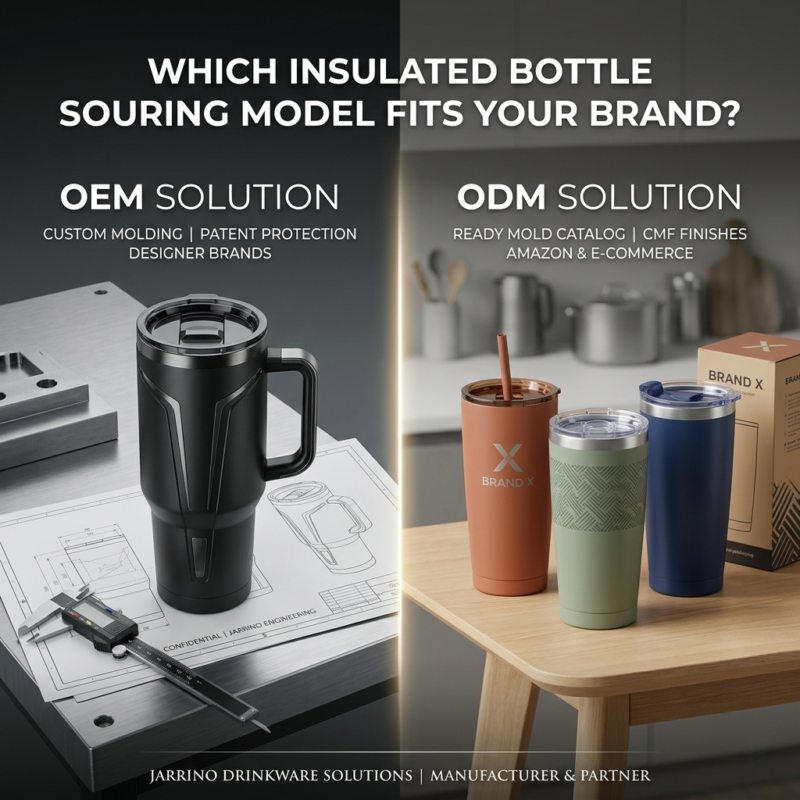
OEM vs. ODM-isolierte Becher: Welches Beschaffungsmodell passt zu Ihrer Getränkemarke?
Wahl zwischen OEM (Herstellung von Erstausrüstung) und ODM (Original-Design-Herstellung) definiert das R Ihrer Trinkgeschirrmarke&D-Budget, Time-to-Market, und Produktexklusivität. OEM ist ideal für etablierte Marken mit individuellen CAD-Designs und einzigartigen IP-Anforderungen, Angebot 100% kundenspezifisches Formen und Patentschutz. ODM wurde für Amazon-Verkäufer entwickelt, DTC-Startups, und Unternehmenskäufer, die keine Werkzeugkosten anstreben, niedrige MOQs, und schnelle Produkteinführungen durch fortschrittliche CMF-Oberflächen (Pulverbeschichtung, UV-Druck).
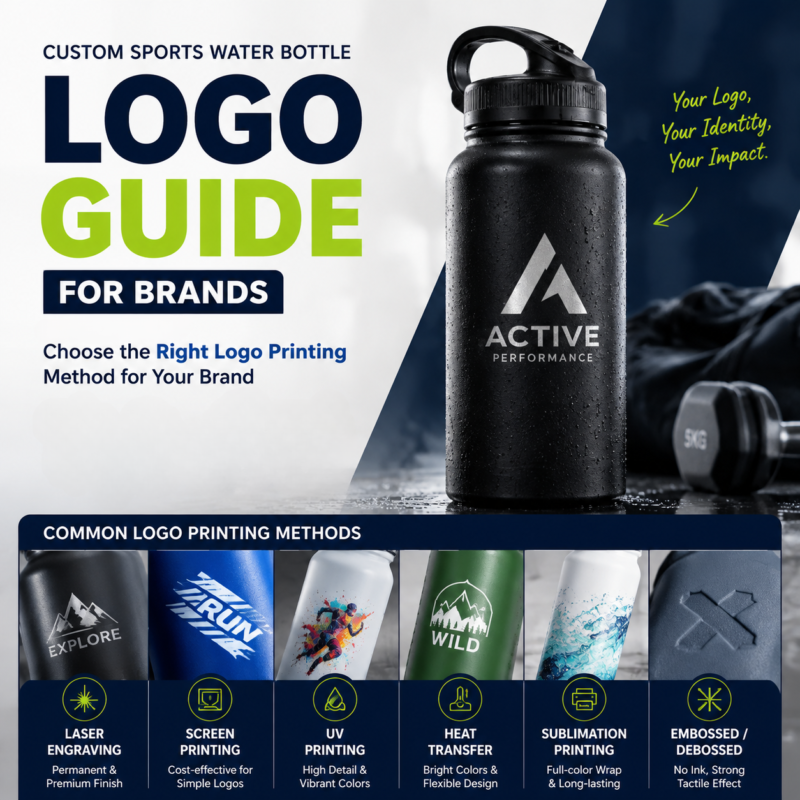
Leitfaden für individuelle Sportwasserflaschen-Logos für Marken
Individuelle Logos für Sportwasserflaschen werden je nach Flaschenmaterial durch unterschiedliche Dekorationsverfahren erstellt, Markendesign, und Leistungsanforderungen. In diesem Leitfaden werden die gängigsten Methoden zum Drucken von Logos behandelt, inklusive Lasergravur, Siebdruck, UV-Druck, Wärmeübertragung, und Sublimation, Unterstützung von Sportmarken bei der Auswahl der richtigen Individualisierungsoption für langlebige und professionelle Trinkgeschirrprodukte.
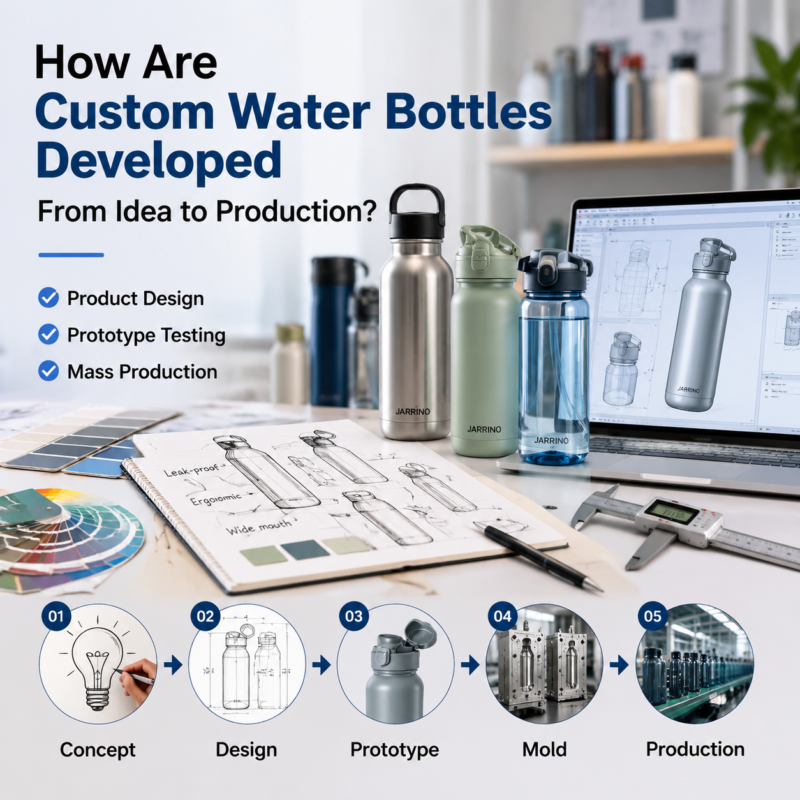
Wie werden maßgeschneiderte Wasserflaschen von der Idee bis zur Produktion entwickelt??
Die Entwicklung einer individuellen Wasserflasche erfordert mehr als nur die Auswahl eines Designs und das Hinzufügen eines Logos. Vom ersten Produktkonzept bis zum Engineering, Prototyping, Schimmelbildung, Testen, und Massenproduktion, Jede Phase spielt eine wichtige Rolle bei der Entwicklung eines erfolgreichen Trinkgeschirrprodukts. In diesem Leitfaden wird erläutert, wie Marken mit OEM-Wasserflaschenherstellern zusammenarbeiten, um Ideen in hochwertige Produkte umzusetzen, marktreife Produkte und managen gleichzeitig das Design, kosten, und Produktionsherausforderungen.
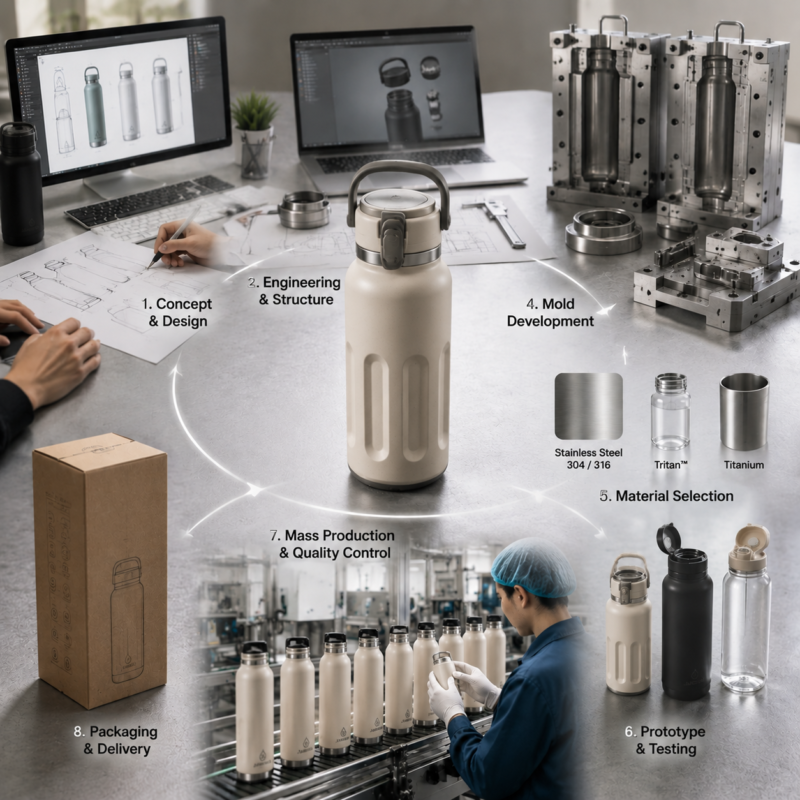
Wie werden vollständig maßgeschneiderte Wasserflaschen hergestellt??
Die Entwicklung einer vollständig maßgeschneiderten Wasserflasche erfordert viel mehr als nur das Hinzufügen eines Logos zu einem bestehenden Produkt. In diesem Leitfaden wird erklärt, wie Marken durch Produktdesign einzigartige Wasserflaschen schaffen, Maschinenbau, Materialauswahl, Schimmelbildung, Prototypentests, und Massenproduktion. Erfahren Sie, wie ein erfahrener OEM-Hersteller von Wasserflaschen dabei hilft, eine Idee in ein marktreifes Produkt umzuwandeln und gleichzeitig die Qualität zu verwalten, kosten, und Produktionseffizienz.
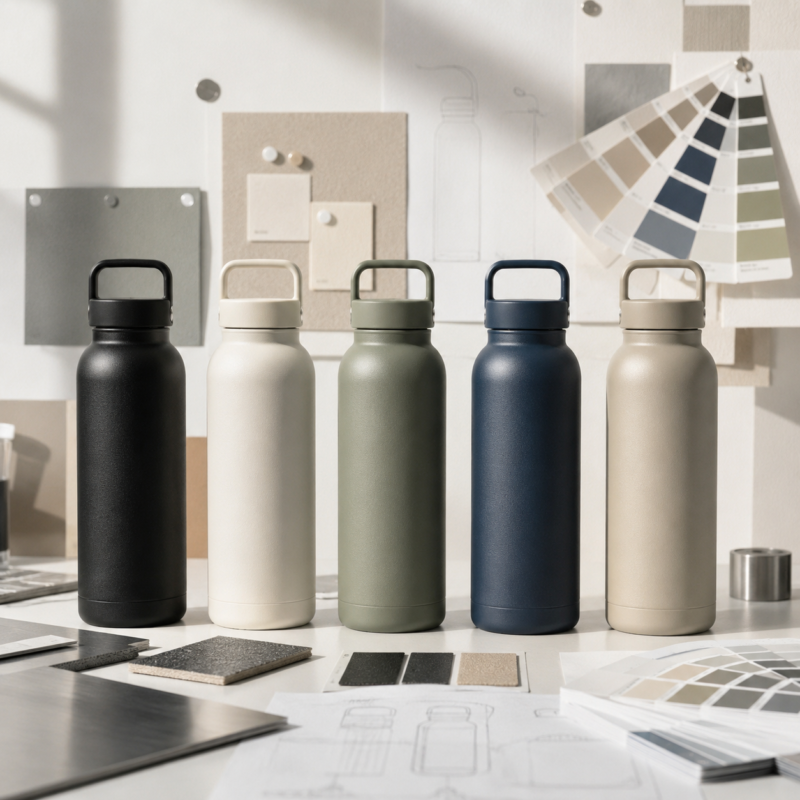
So wählen Sie Farben und Ausführungen für individuelle Wasserflaschen aus
Der Erfolg einer individuellen Wasserflaschenkollektion hängt nicht nur von attraktiven Farben ab. Auswahl der richtigen Farbpalette, Oberflächenbeschaffenheit, und die Fertigungsstrategie trägt zur Stärkung der Markenidentität bei, Kundenattraktivität verbessern, und sorgen für langfristige Umsätze. In diesem Leitfaden wird erläutert, wie Sie Farben basierend auf den Marktpräferenzen auswählen, Vergleichen Sie matte und glänzende Oberflächen, SKUs optimieren, und erreichen Sie durch professionelle OEM-Produktion eine gleichbleibende Qualität.
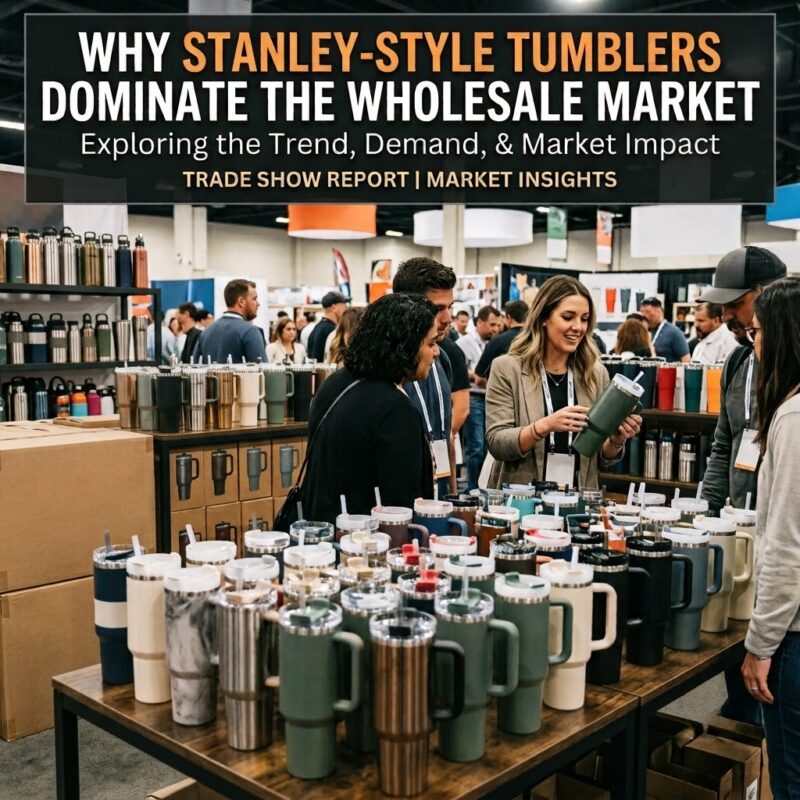
Warum Trinkgläser im Stanley-Stil den Großhandelsmarkt dominieren
Becher im Stanley-Stil sind zu einem kulturellen Phänomen und einem Bestseller geworden. In diesem Artikel wird untersucht, warum – von 18/8 Edelstahl und doppelwandige Vakuumisolierung mit hoher Wertanmutung, Anpassungspotenzial, und eine stetige Nachfrage nach Nachbestellungen. Erfahren Sie, was diese Becher zuverlässig macht, profitable Kategorie für Großhandelskäufer.
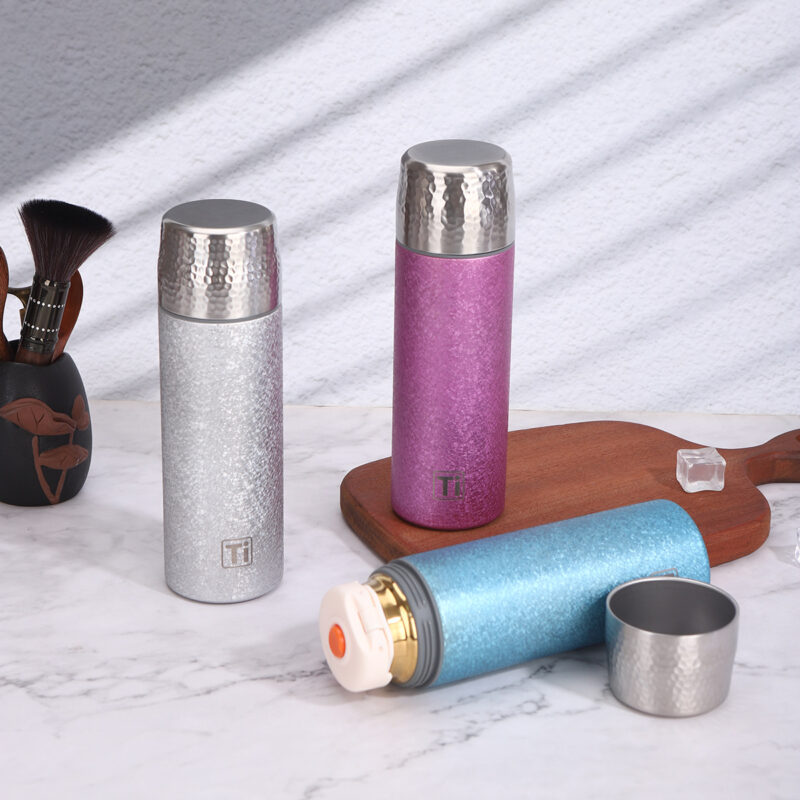
Sind Titanwasserflaschen sicher??
Titan ist sicher. Es ist auch teuer. Hier erfahren Sie, wie es im Vergleich zu Edelstahl und Aluminium abschneidet – und welches Material für Ihre Marke tatsächlich sinnvoll ist.
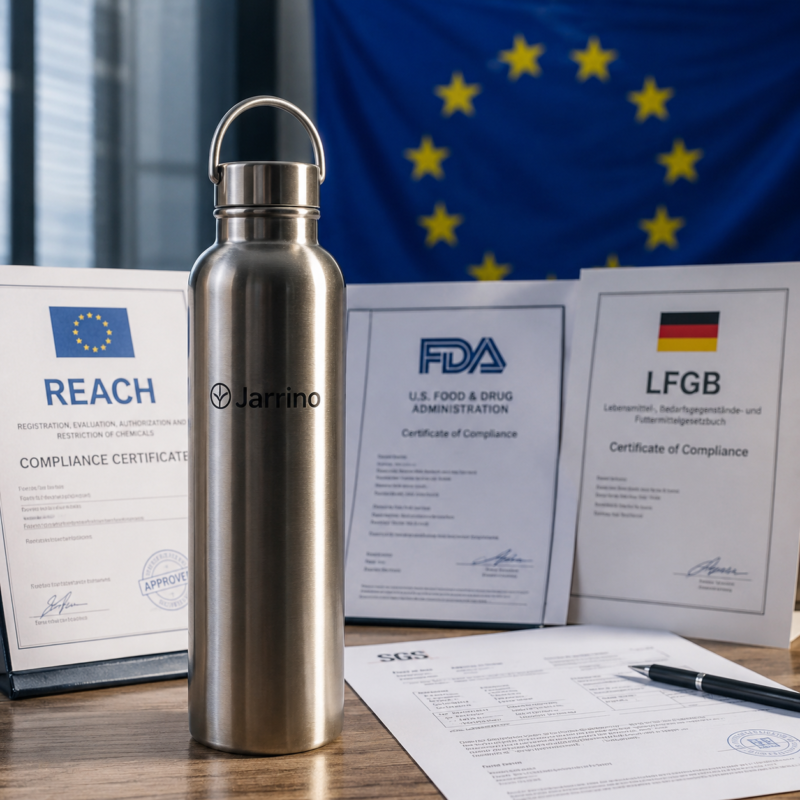
EU-Mikroplastik-Verordnung 2026: Was jeder Hersteller kundenspezifischer Wasserflaschen wissen sollte
Erfahren Sie, wie die EU-Mikroplastik-Verordnung funktioniert (EU) 2026/1168 wirkt sich auf Hersteller kundenspezifischer Wasserflaschen und Eigenmarken von Trinkgeschirr aus. Entdecken Sie, wie Jarrino Importeuren mit langlebigen Edelstahl-Wasserflaschen dabei hilft, REACH-konform zu bleiben.
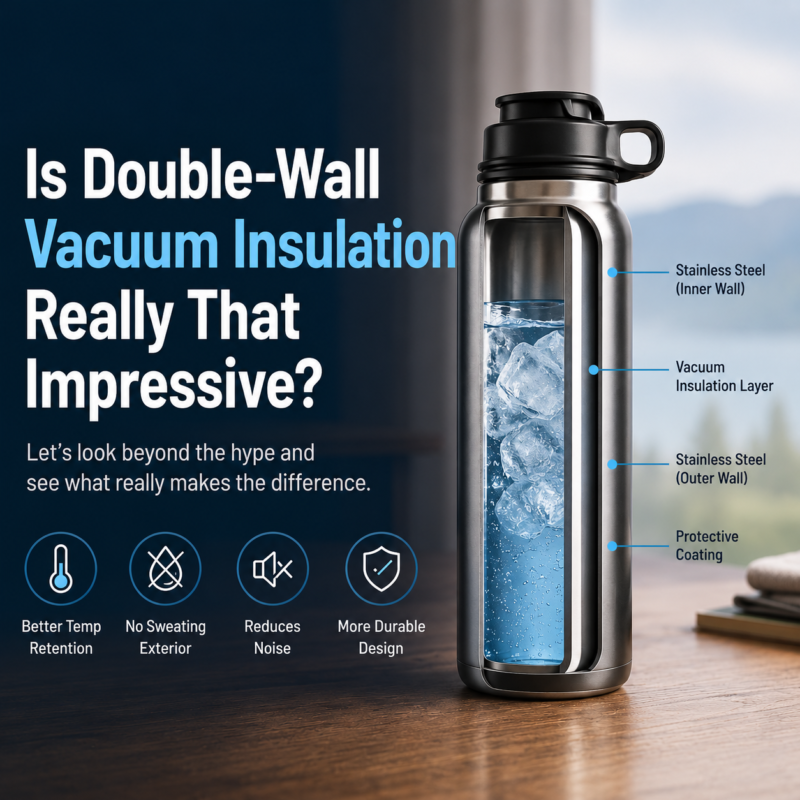
Ist die doppelwandige Vakuumisolierung wirklich so beeindruckend??
Eine doppelwandige Vakuumisolierung ist bei Premium-Trinkgeschirr Standard, Aber der Unterschied zwischen einer Flasche, die Leistung bringt, und einer Flasche, die enttäuscht, liegt in der Herstellungsqualität. Dieser Leitfaden erklärt, wie Vakuumisolierung funktioniert, setzt realistische Leistungserwartungen, und gibt B2B-Einkäufern eine praktische Checkliste zur Lieferantenbewertung an die Hand. Plus, Warum die strengen Qualitätsstandards von Jarrino sicherstellen, dass Ihre maßgeschneiderten Flaschen halten, was sie versprechen.