
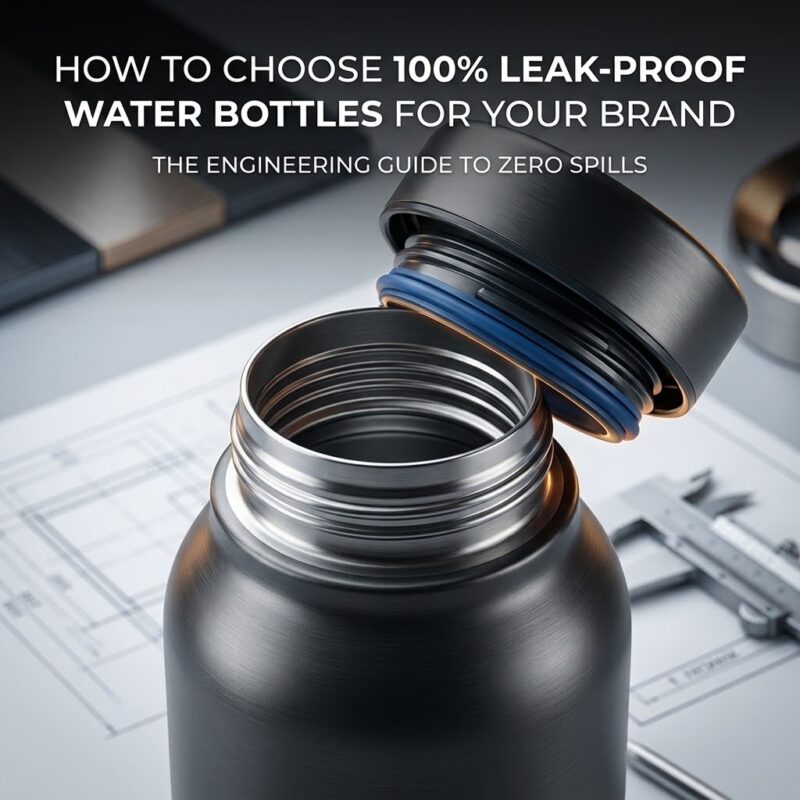
So wählen Sie aus 100% Auslaufsichere Edelstahl-Wasserflaschen für Ihre Marke?
Dieser Leitfaden hilft Getränkemarken bei der Auswahl 100% Auslaufsichere Edelstahlflaschen durch Analyse von QC-Tests und Deckeltechnik. Hersteller wie Jarrino verwenden invertiert, zittern, und Luftdrucktests zur Überprüfung der Dichtungen. Herkömmliche Schraubverschlüsse bieten absoluten Auslaufschutz, während das Verschließen von Klappdeckeln und Strohhalmkappen präzise Silikondichtungen erfordert, CNC-Gewindepräzision, und Einweg-Luftventile, um ein Verschütten zu verhindern.
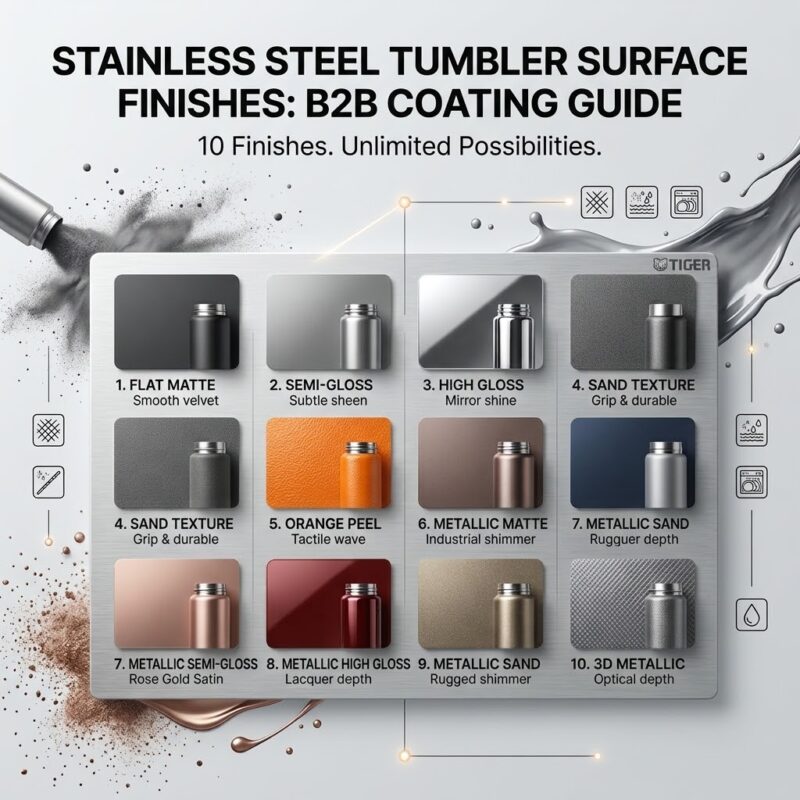
Was sind die Kernoberflächenveredelungen für kundenspezifische Isolierbecher??
Die Auswahl der optimalen Oberflächenbeschaffenheit für einen maßgeschneiderten Vakuumbecher aus Edelstahl hat direkten Einfluss auf die taktile Ergonomie, Griffigkeit, Kratzfestigkeit, und Stückherstellungskosten. Die industriellen Beschichtungsmöglichkeiten reichen von standardmäßigen elektrostatischen Beschichtungen (Flach matt, Halbglänzend, Hochglanz) bis hin zu hochbeständigen Texturen (Sandstruktur, Hammerton / Orangenschale) und fortschrittliche optische Effekte (Metallischer Sand, 3D Metallisch). Dieser Leitfaden beschreibt die technischen Spezifikationen, ASTM-Teststandards, und Anwendungsframeworks für B2B-Einkaufsmanager und Markenentwickler.
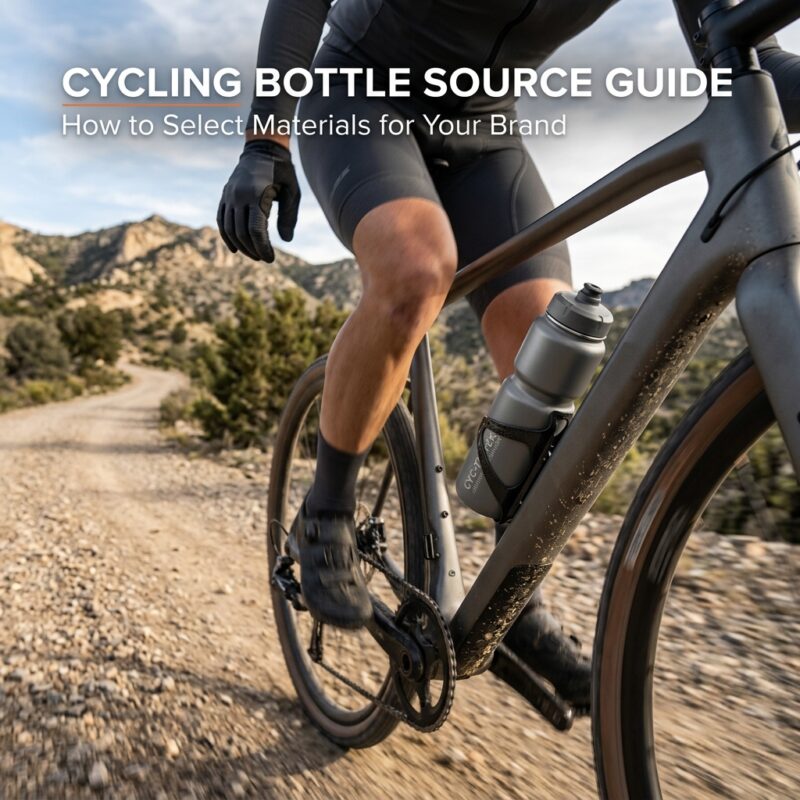
So wählen Sie das richtige Fahrradflaschenmaterial für Ihre Marke aus?
Die Wahl des richtigen Fahrradflaschenmaterials bestimmt direkt die Marge Ihrer Marke, thermische Leistung, und Marktpositionierung. Dieser B2B-Sourcing-Leitfaden vergleicht die technischen Vorteile von SUS 304/316 Edelstahl, Reines Titan, BPA-freie Kunststoffe, und mit Keramik ausgekleidete Innenräume bei wichtigen Kennzahlen, einschließlich Quetschbarkeit, Standard-74-mm-Käfigpassung, und globale FDA/LFGB-Konformität. Erfahren Sie, wie Sie die Materialauswahl an Ihr Ziel-Fahrerprofil anpassen und die OEM/ODM-Fähigkeiten von Jarrino für Ihre nächste margenstarke Produkteinführung nutzen.
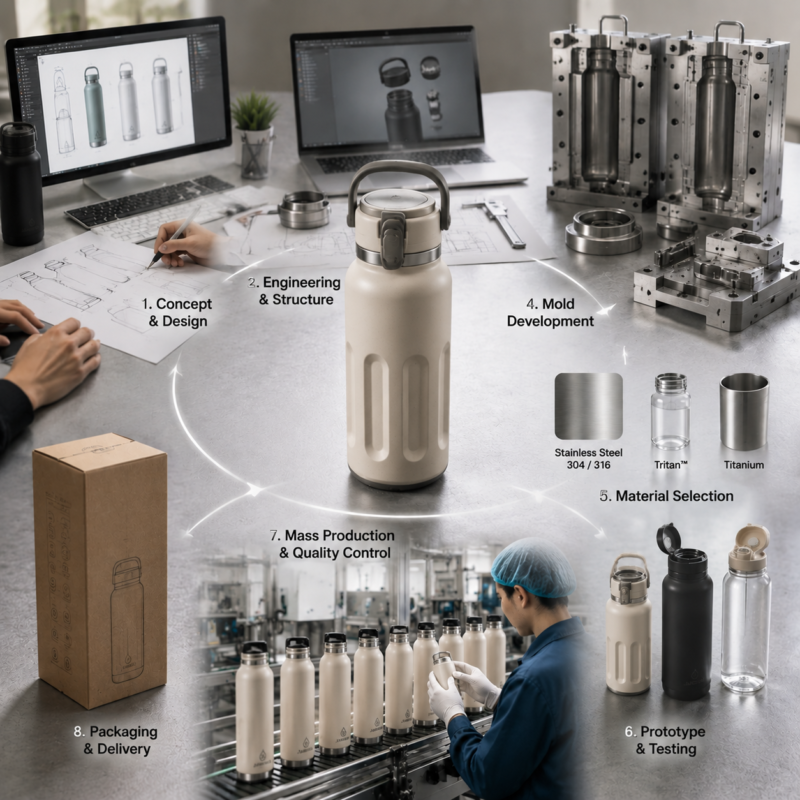
Wie werden vollständig maßgeschneiderte Wasserflaschen hergestellt??
Die Entwicklung einer vollständig maßgeschneiderten Wasserflasche erfordert viel mehr als nur das Hinzufügen eines Logos zu einem bestehenden Produkt. In diesem Leitfaden wird erklärt, wie Marken durch Produktdesign einzigartige Wasserflaschen schaffen, Maschinenbau, Materialauswahl, Schimmelbildung, Prototypentests, und Massenproduktion. Erfahren Sie, wie ein erfahrener OEM-Hersteller von Wasserflaschen dabei hilft, eine Idee in ein marktreifes Produkt umzuwandeln und gleichzeitig die Qualität zu verwalten, kosten, und Produktionseffizienz.
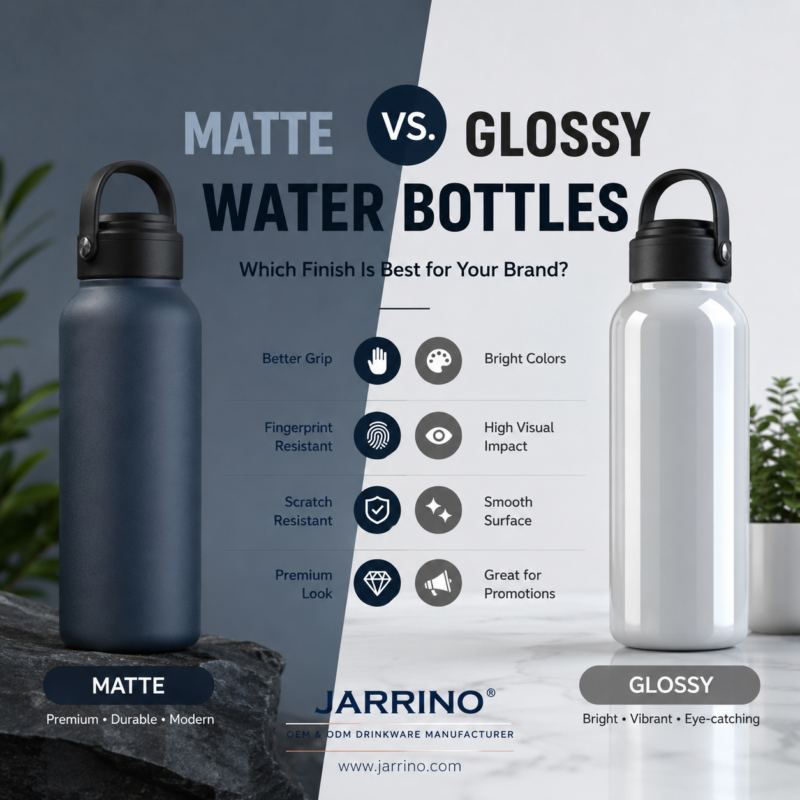
Matt vs. Glänzende Wasserflaschen: Welches Finish passt am besten zu Ihrer Marke??
Die Oberflächenbeschaffenheit einer maßgefertigten Wasserflasche beeinflusst weit mehr als nur ihr Aussehen. Es beeinflusst, wie Kunden Qualität wahrnehmen, wie langlebig sich das Produkt anfühlt, und ob es mit Ihrem Markenimage übereinstimmt. Während matte Oberflächen für viele Premiummarken zur bevorzugten Wahl geworden sind, Hochglanzoberflächen erfreuen sich in Werbemärkten und jugendorientierten Märkten weiterhin großer Beliebtheit. In diesem Leitfaden werden beide Ausführungen eines Brandings verglichen, Herstellung, und Kundenerfahrungsperspektive, um Unternehmen bei der Auswahl der richtigen Option für ihre nächste individuelle Trinkgeschirrkollektion zu unterstützen.
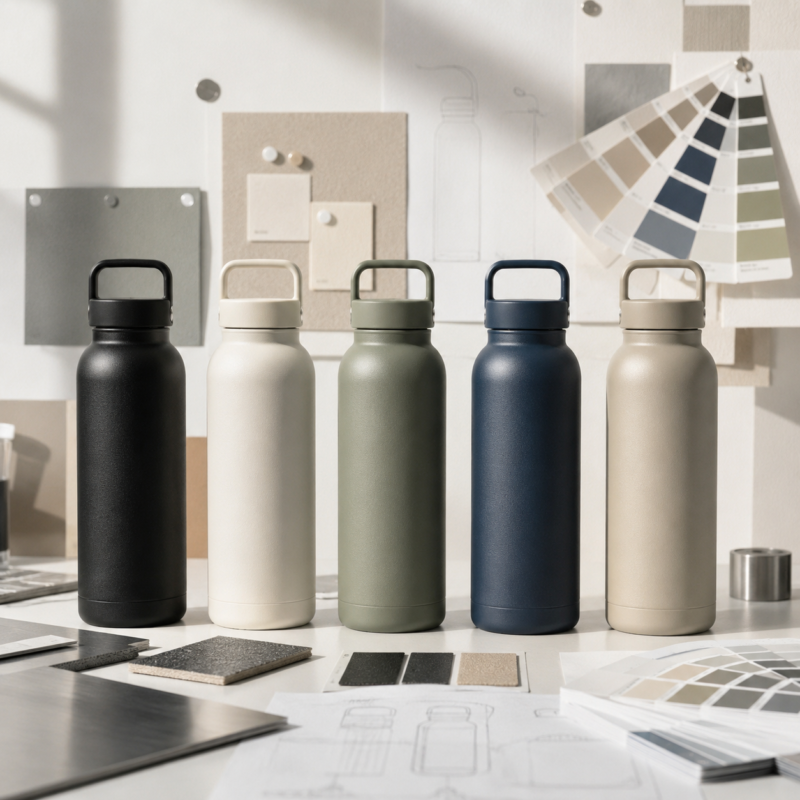
So wählen Sie Farben und Ausführungen für individuelle Wasserflaschen aus
Der Erfolg einer individuellen Wasserflaschenkollektion hängt nicht nur von attraktiven Farben ab. Auswahl der richtigen Farbpalette, Oberflächenbeschaffenheit, und die Fertigungsstrategie trägt zur Stärkung der Markenidentität bei, Kundenattraktivität verbessern, und sorgen für langfristige Umsätze. In diesem Leitfaden wird erläutert, wie Sie Farben basierend auf den Marktpräferenzen auswählen, Vergleichen Sie matte und glänzende Oberflächen, SKUs optimieren, und erreichen Sie durch professionelle OEM-Produktion eine gleichbleibende Qualität.
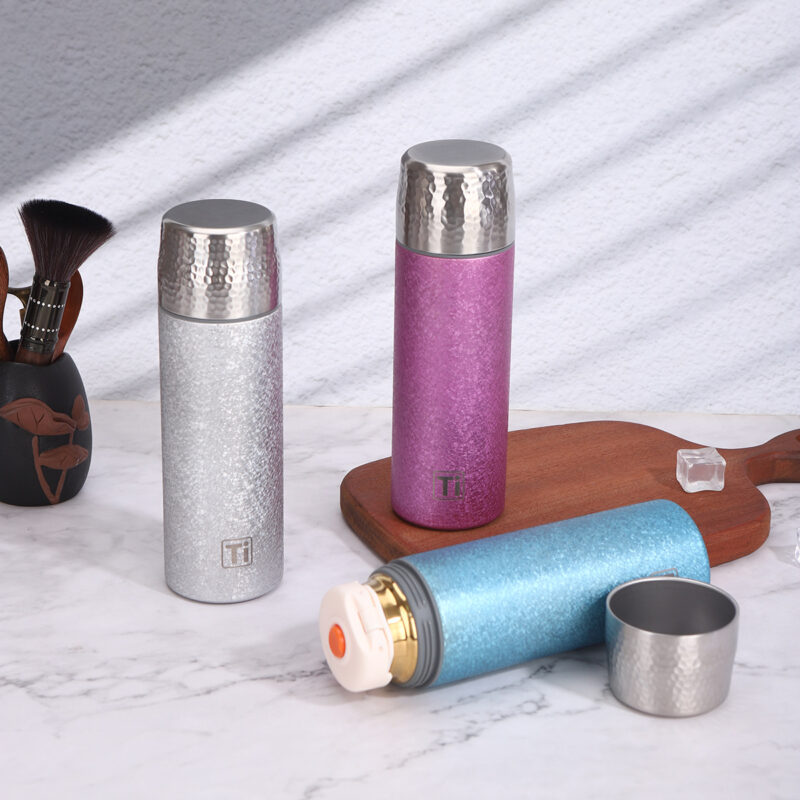
Sind Titanwasserflaschen sicher??
Titan ist sicher. Es ist auch teuer. Hier erfahren Sie, wie es im Vergleich zu Edelstahl und Aluminium abschneidet – und welches Material für Ihre Marke tatsächlich sinnvoll ist.
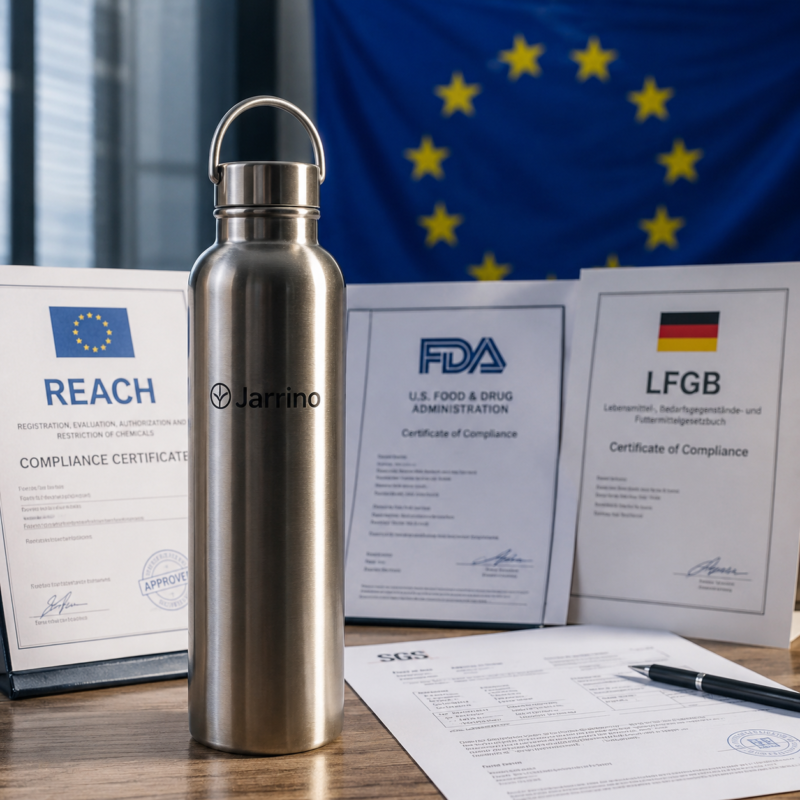
EU-Mikroplastik-Verordnung 2026: Was jeder Hersteller kundenspezifischer Wasserflaschen wissen sollte
Erfahren Sie, wie die EU-Mikroplastik-Verordnung funktioniert (EU) 2026/1168 wirkt sich auf Hersteller kundenspezifischer Wasserflaschen und Eigenmarken von Trinkgeschirr aus. Entdecken Sie, wie Jarrino Importeuren mit langlebigen Edelstahl-Wasserflaschen dabei hilft, REACH-konform zu bleiben.
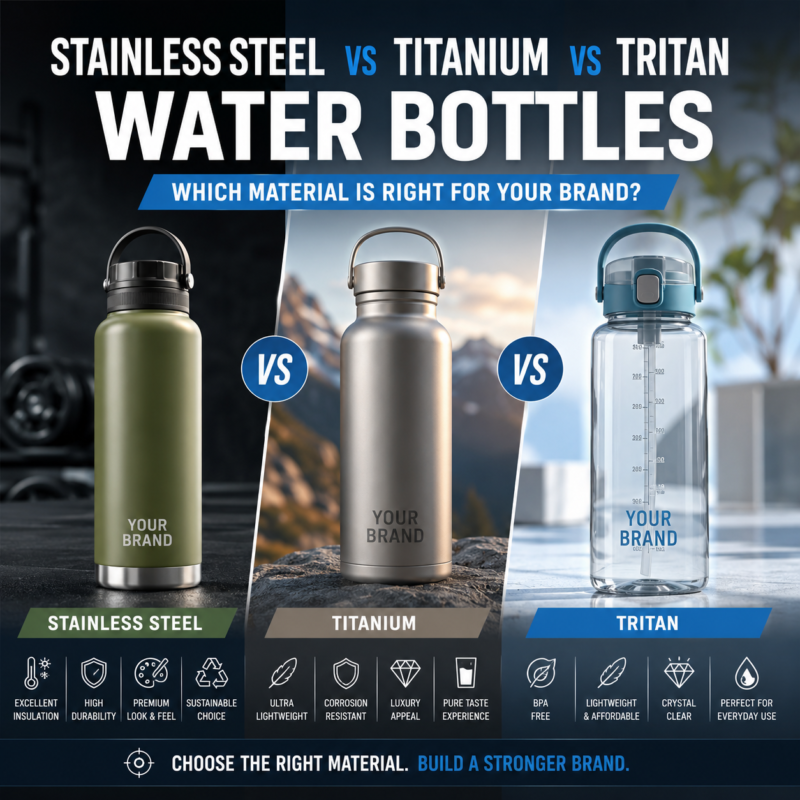
Wasserflaschen aus Edelstahl vs. Titan vs. Tritan: Welches Material ist das richtige für Ihre Marke??
Die Wahl des richtigen Wasserflaschenmaterials kann sich erheblich auf die Qualität Ihres Produkts auswirken, Preisgestaltung, und Markenpositionierung. Dieser Leitfaden vergleicht Edelstahl, Titan, und Tritan-Wasserflaschen in Bezug auf Haltbarkeit, Isolierung, kosten, Anpassung, und Nachhaltigkeit, um Marken zu helfen, Einzelhändler, und OEM-Käufer wählen das beste Material für ihren Zielmarkt aus.
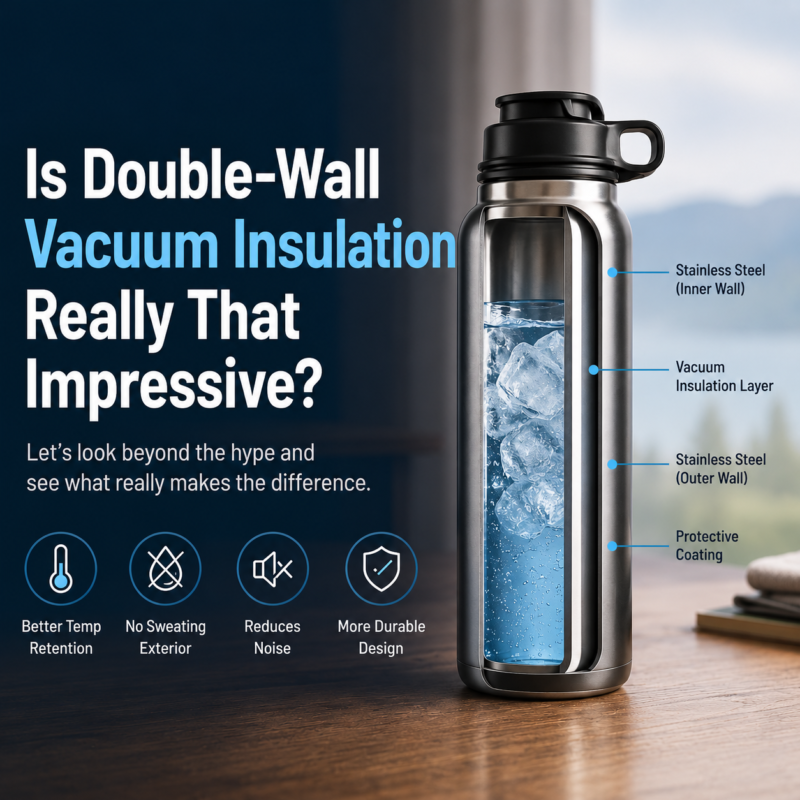
Ist die doppelwandige Vakuumisolierung wirklich so beeindruckend??
Eine doppelwandige Vakuumisolierung ist bei Premium-Trinkgeschirr Standard, Aber der Unterschied zwischen einer Flasche, die Leistung bringt, und einer Flasche, die enttäuscht, liegt in der Herstellungsqualität. Dieser Leitfaden erklärt, wie Vakuumisolierung funktioniert, setzt realistische Leistungserwartungen, und gibt B2B-Einkäufern eine praktische Checkliste zur Lieferantenbewertung an die Hand. Plus, Warum die strengen Qualitätsstandards von Jarrino sicherstellen, dass Ihre maßgeschneiderten Flaschen halten, was sie versprechen.
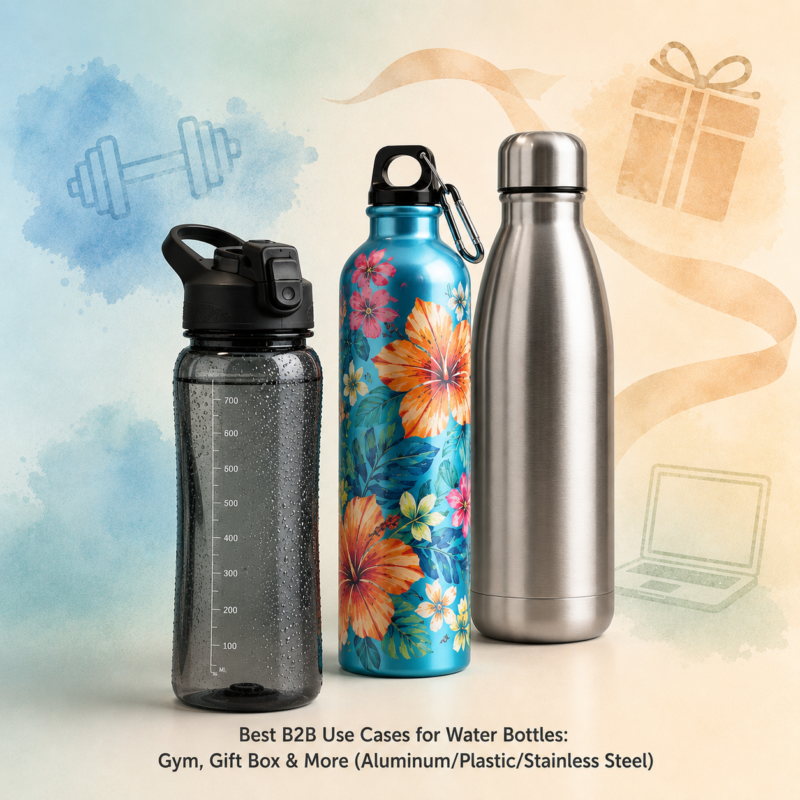
Beste B2B-Anwendungsfälle für Wasserflaschen: Fitnessstudio, Geschenkbox & Mehr (Aluminium/Kunststoff/Stahl)
Nicht jede Wasserflasche passt zu jedem B2B-Anwendungsfall. Dieser Artikel passt zu drei Materialien – Edelstahl, Aluminium, Kunststoff – bis hin zu realen Anwendungen: Fitnessstudios, Geschenkboxen für Unternehmen, Messen, Outdoor-Einzelhandel, und Schulprogramme. Edelstahl überzeugt durch Haltbarkeit und Isolierung. Aluminium bietet geringes Gewicht, Vollfarbiges Branding. Kunststoff ist für Großveranstaltungen budgetfreundlich (vorausgesetzt, es ist BPA-frei). Ein kurzer Spickzettel hilft B2B-Käufern, die Kosten auszugleichen, Markenimage, und Benutzererwartungen.
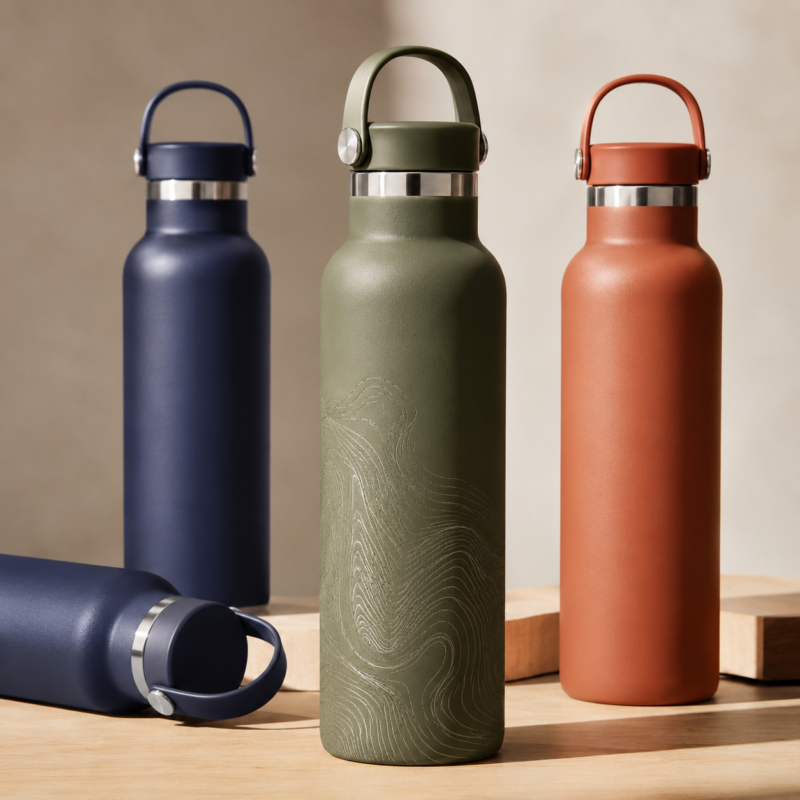
Welche individuelle Methode zur Dekoration von Wasserflaschen tatsächlich hält??
Lasergravur, Sublimation, UV, oder Siebdruck – welche individuelle Flaschendekoration tatsächlich den täglichen Gebrauch übersteht? Wir haben sie getestet. Lesen Sie die Ergebnisse.