
Wie werden vollständig maßgeschneiderte Wasserflaschen hergestellt??
Verwandte Beiträge
So wählen Sie aus 100% Auslaufsichere Edelstahl-Wasserflaschen für Ihre Marke?
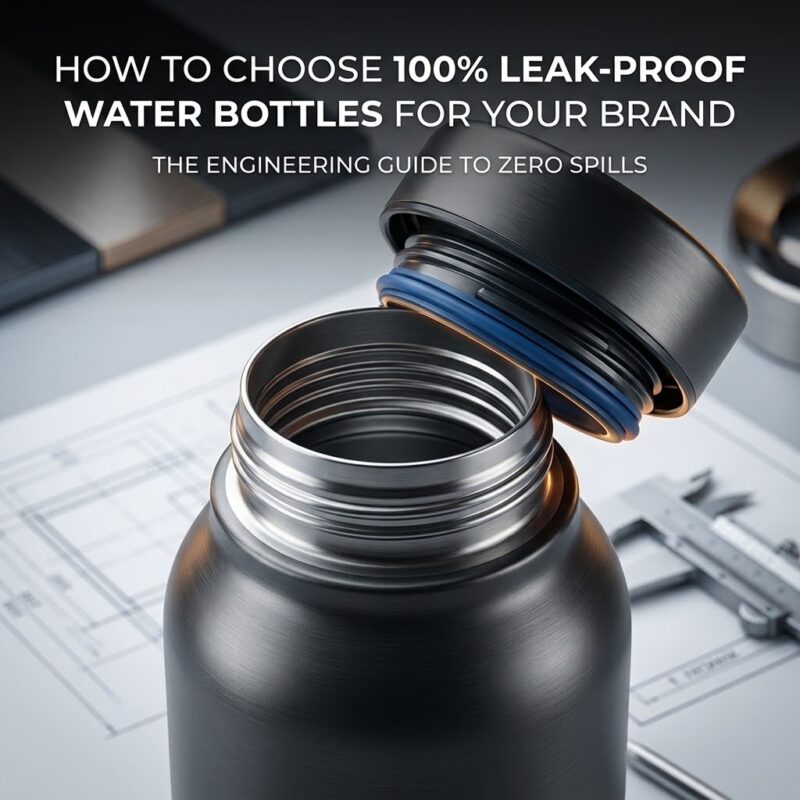
Dieser Leitfaden hilft Getränkemarken bei der Auswahl 100% Auslaufsichere Edelstahlflaschen durch Analyse von QC-Tests und Deckeltechnik. Hersteller wie Jarrino verwenden invertiert, zittern, und Luftdrucktests zur Überprüfung der Dichtungen. Herkömmliche Schraubverschlüsse bieten absoluten Auslaufschutz, während das Verschließen von Klappdeckeln und Strohhalmkappen präzise Silikondichtungen erfordert, CNC-Gewindepräzision, und Einweg-Luftventile, um ein Verschütten zu verhindern.
Maßgeschneidertes Weihnachtstrinkgeschirr: Vollständiger OEM/ODM-Fertigungsleitfaden
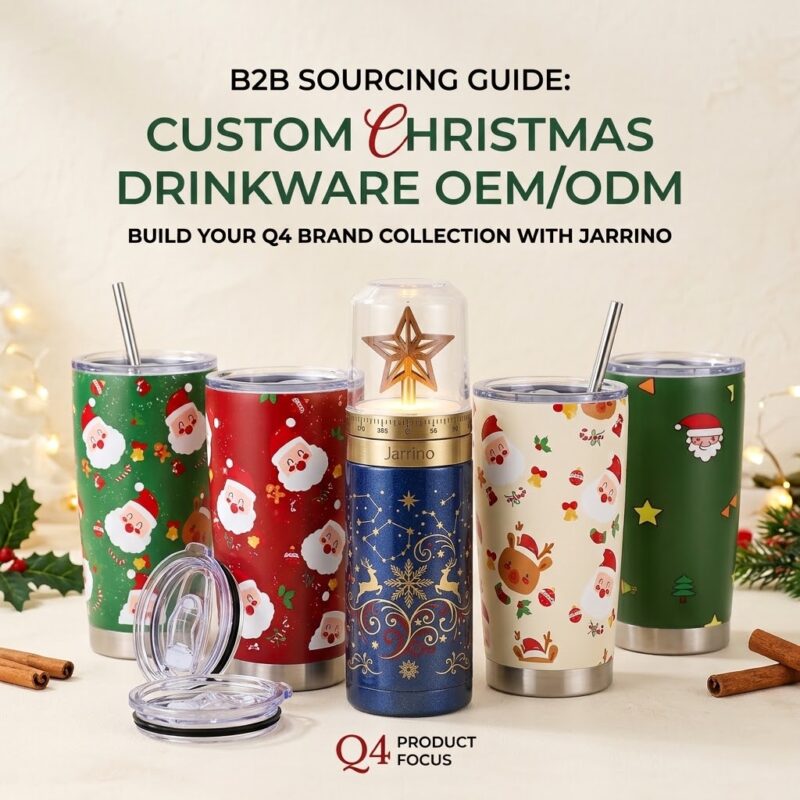
Jarrino ist ein zertifizierter OEM/ODM-Hersteller, der sich auf kundenspezifische Isolierflaschen spezialisiert hat, Mit Keramik ausgekleidete Becher, und Trinkgeschirr aus Titan. Die Lieferzeiten für kundenspezifische Weihnachtsbestellungen im vierten Quartal betragen 20–30 Tage bei niedrigen Mindestbestellmengen (300–1.000 Stk) und vollständige FDA/LFGB-Konformität. Wir bieten eine umfassende Individualisierung einschließlich 3D-Digitaldruck, Lasergravur, und maßgeschneiderte Weihnachtsgeschenkverpackungen. Musterkits und Angebote sind auf Anfrage erhältlich, um Marken dabei zu helfen, die Feiertagsproduktion im vierten Quartal reibungslos abzuschließen.
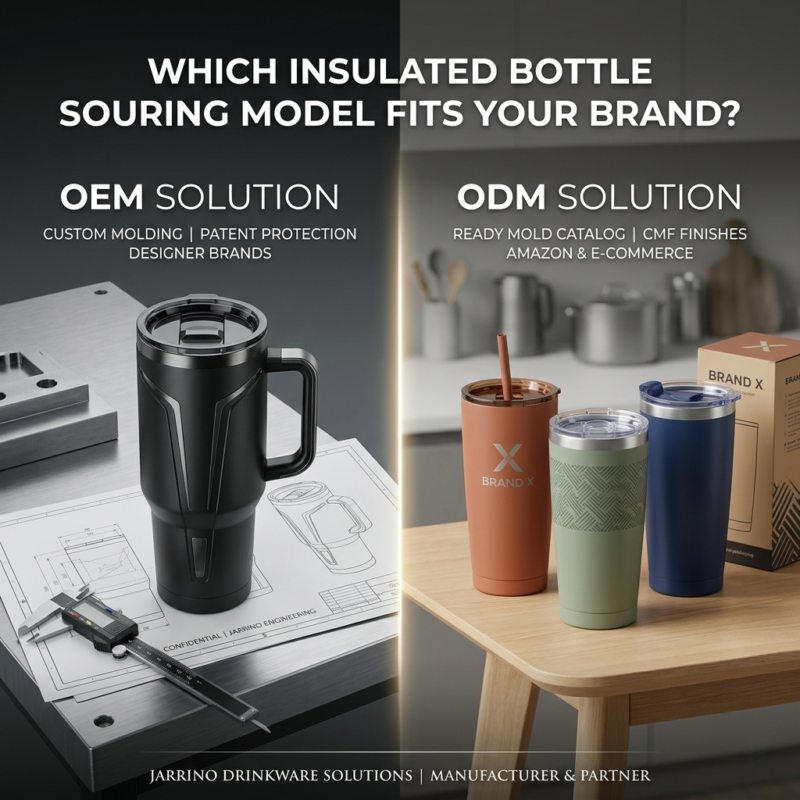
OEM vs. ODM-isolierte Becher: Welches Beschaffungsmodell passt zu Ihrer Getränkemarke?
Wahl zwischen OEM (Herstellung von Erstausrüstung) und ODM (Original-Design-Herstellung) definiert das R Ihrer Trinkgeschirrmarke&D-Budget, Time-to-Market, und Produktexklusivität. OEM ist ideal für etablierte Marken mit individuellen CAD-Designs und einzigartigen IP-Anforderungen, Angebot 100% kundenspezifisches Formen und Patentschutz. ODM wurde für Amazon-Verkäufer entwickelt, DTC-Startups, und Unternehmenskäufer, die keine Werkzeugkosten anstreben, niedrige MOQs, und schnelle Produkteinführungen durch fortschrittliche CMF-Oberflächen (Pulverbeschichtung, UV-Druck).
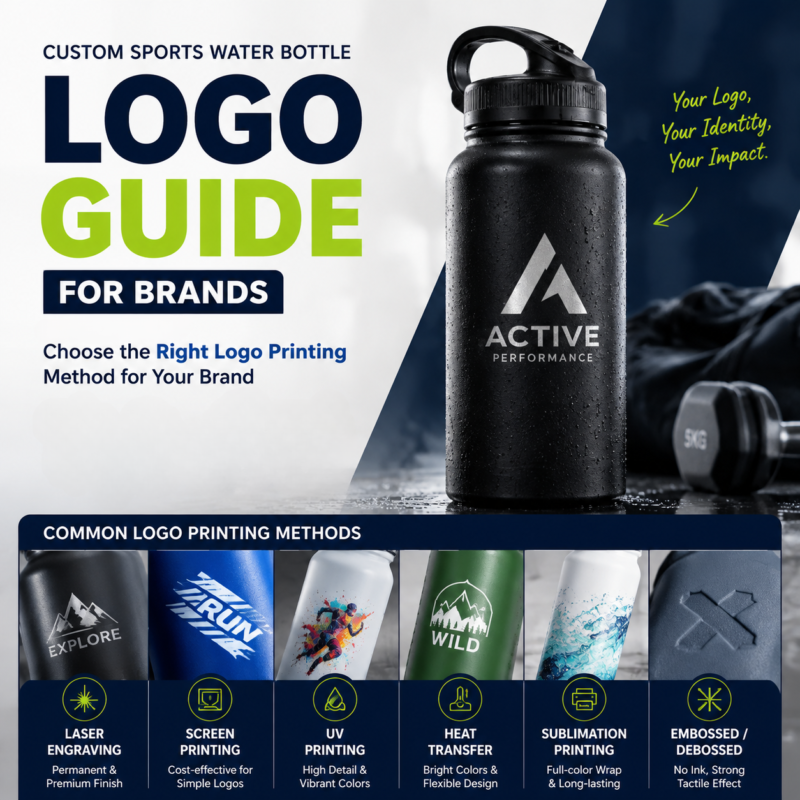
Leitfaden für individuelle Sportwasserflaschen-Logos für Marken
Individuelle Logos für Sportwasserflaschen werden je nach Flaschenmaterial durch unterschiedliche Dekorationsverfahren erstellt, Markendesign, und Leistungsanforderungen. In diesem Leitfaden werden die gängigsten Methoden zum Drucken von Logos behandelt, inklusive Lasergravur, Siebdruck, UV-Druck, Wärmeübertragung, und Sublimation, Unterstützung von Sportmarken bei der Auswahl der richtigen Individualisierungsoption für langlebige und professionelle Trinkgeschirrprodukte.
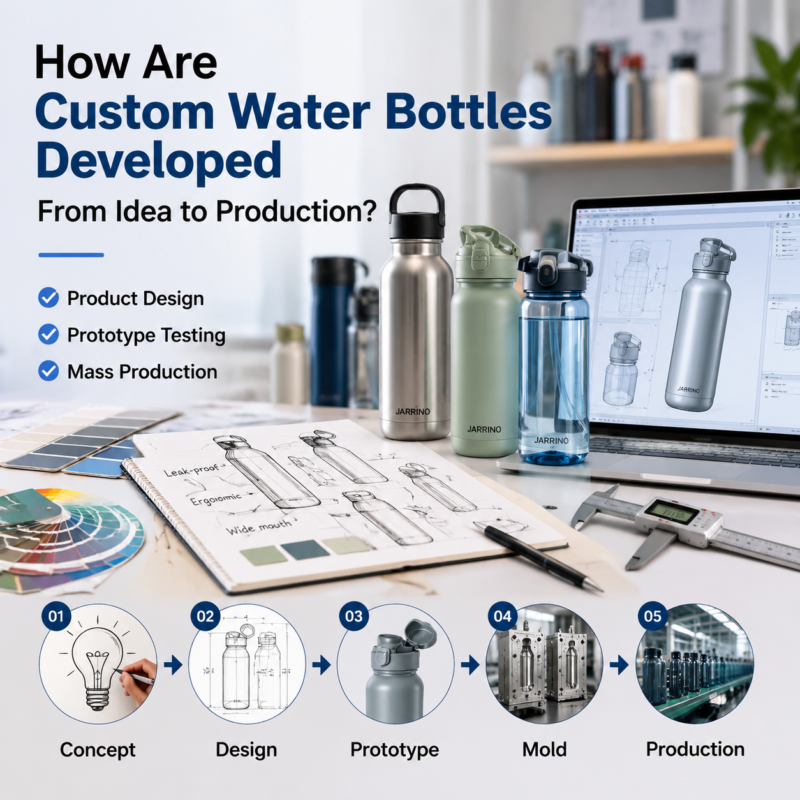
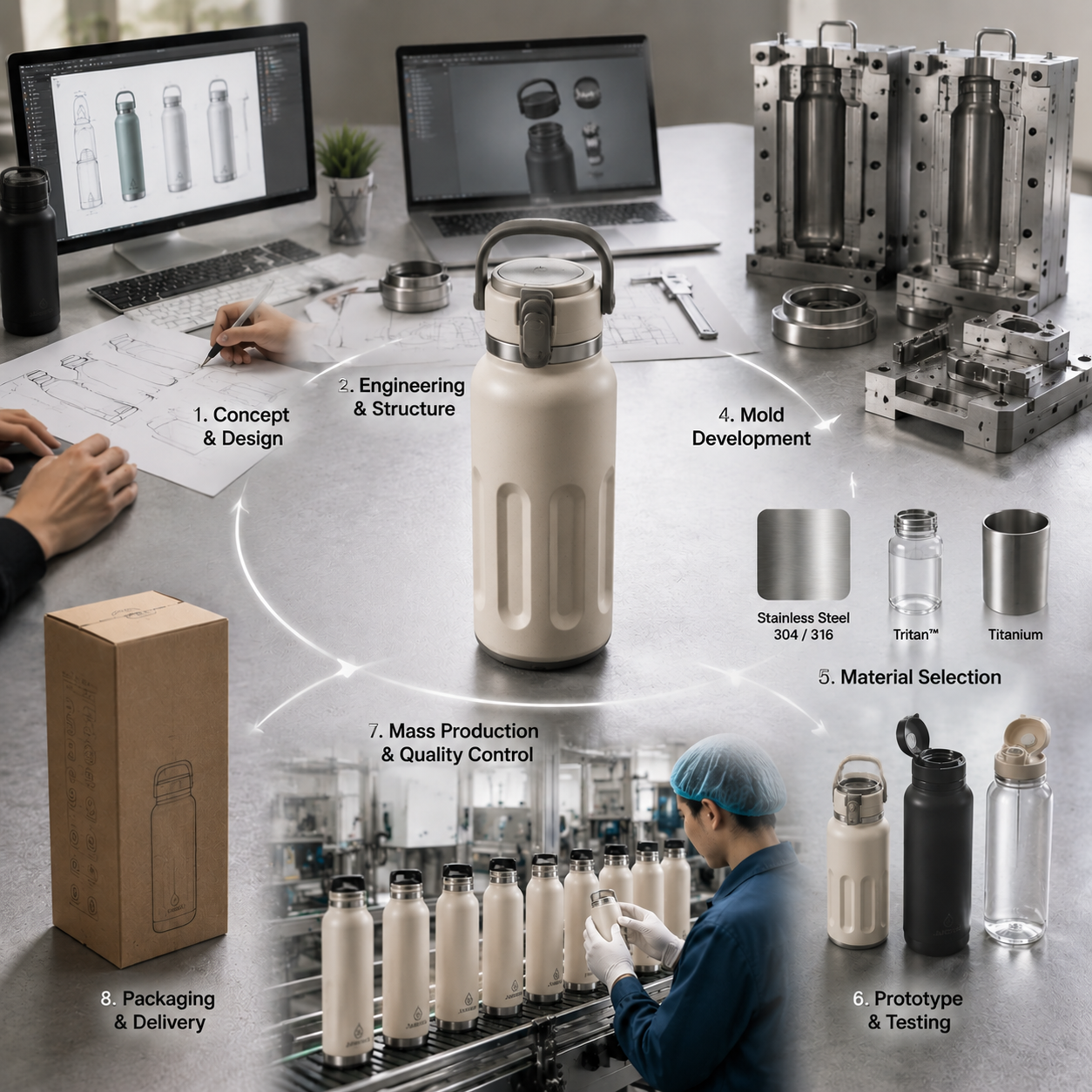
Wie werden maßgeschneiderte Wasserflaschen von der Idee bis zur Produktion entwickelt??
Die Entwicklung einer individuellen Wasserflasche erfordert mehr als nur die Auswahl eines Designs und das Hinzufügen eines Logos. Vom ersten Produktkonzept bis zum Engineering, Prototyping, Schimmelbildung, Testen, und Massenproduktion, Jede Phase spielt eine wichtige Rolle bei der Entwicklung eines erfolgreichen Trinkgeschirrprodukts. In diesem Leitfaden wird erläutert, wie Marken mit OEM-Wasserflaschenherstellern zusammenarbeiten, um Ideen in hochwertige Produkte umzusetzen, marktreife Produkte und managen gleichzeitig das Design, kosten, und Produktionsherausforderungen.
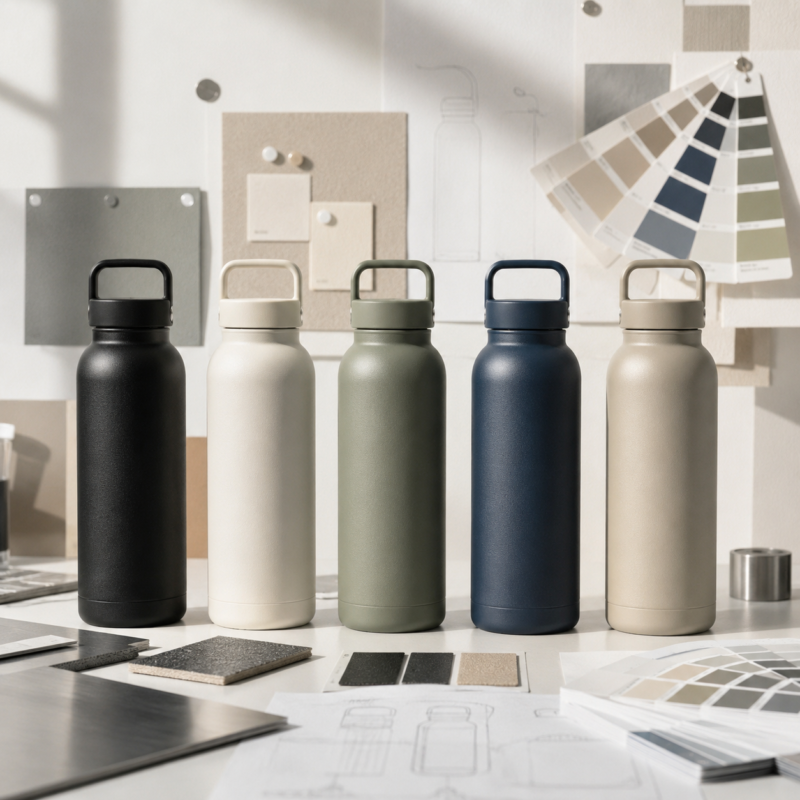
So wählen Sie Farben und Ausführungen für individuelle Wasserflaschen aus
Der Erfolg einer individuellen Wasserflaschenkollektion hängt nicht nur von attraktiven Farben ab. Auswahl der richtigen Farbpalette, Oberflächenbeschaffenheit, und die Fertigungsstrategie trägt zur Stärkung der Markenidentität bei, Kundenattraktivität verbessern, und sorgen für langfristige Umsätze. In diesem Leitfaden wird erläutert, wie Sie Farben basierend auf den Marktpräferenzen auswählen, Vergleichen Sie matte und glänzende Oberflächen, SKUs optimieren, und erreichen Sie durch professionelle OEM-Produktion eine gleichbleibende Qualität.
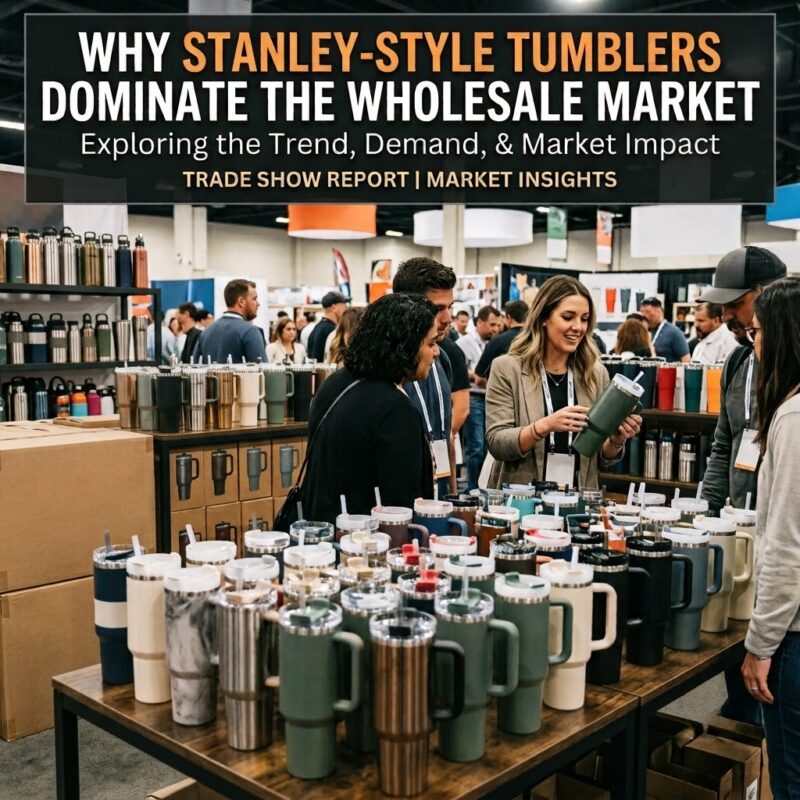
Warum Trinkgläser im Stanley-Stil den Großhandelsmarkt dominieren
Becher im Stanley-Stil sind zu einem kulturellen Phänomen und einem Bestseller geworden. In diesem Artikel wird untersucht, warum – von 18/8 Edelstahl und doppelwandige Vakuumisolierung mit hoher Wertanmutung, Anpassungspotenzial, und eine stetige Nachfrage nach Nachbestellungen. Erfahren Sie, was diese Becher zuverlässig macht, profitable Kategorie für Großhandelskäufer.
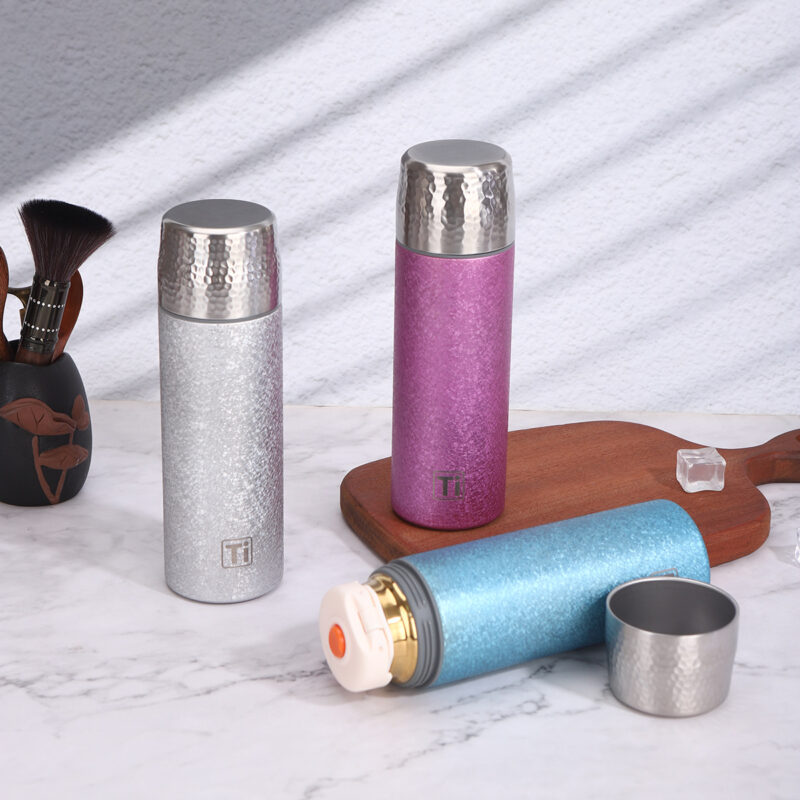
Sind Titanwasserflaschen sicher??
Titan ist sicher. Es ist auch teuer. Hier erfahren Sie, wie es im Vergleich zu Edelstahl und Aluminium abschneidet – und welches Material für Ihre Marke tatsächlich sinnvoll ist.
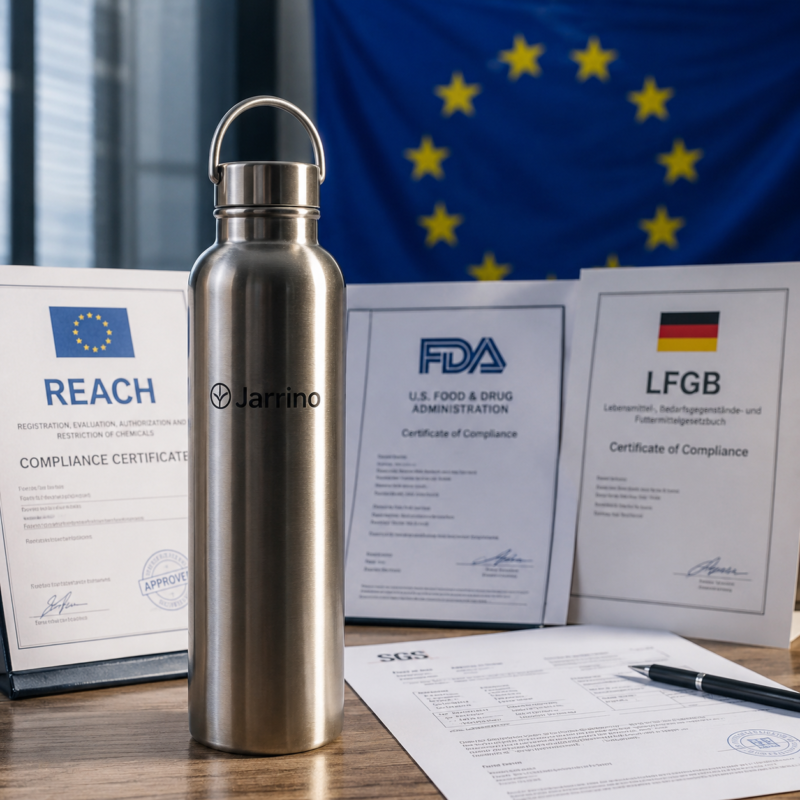
EU-Mikroplastik-Verordnung 2026: Was jeder Hersteller kundenspezifischer Wasserflaschen wissen sollte
Erfahren Sie, wie die EU-Mikroplastik-Verordnung funktioniert (EU) 2026/1168 wirkt sich auf Hersteller kundenspezifischer Wasserflaschen und Eigenmarken von Trinkgeschirr aus. Entdecken Sie, wie Jarrino Importeuren mit langlebigen Edelstahl-Wasserflaschen dabei hilft, REACH-konform zu bleiben.
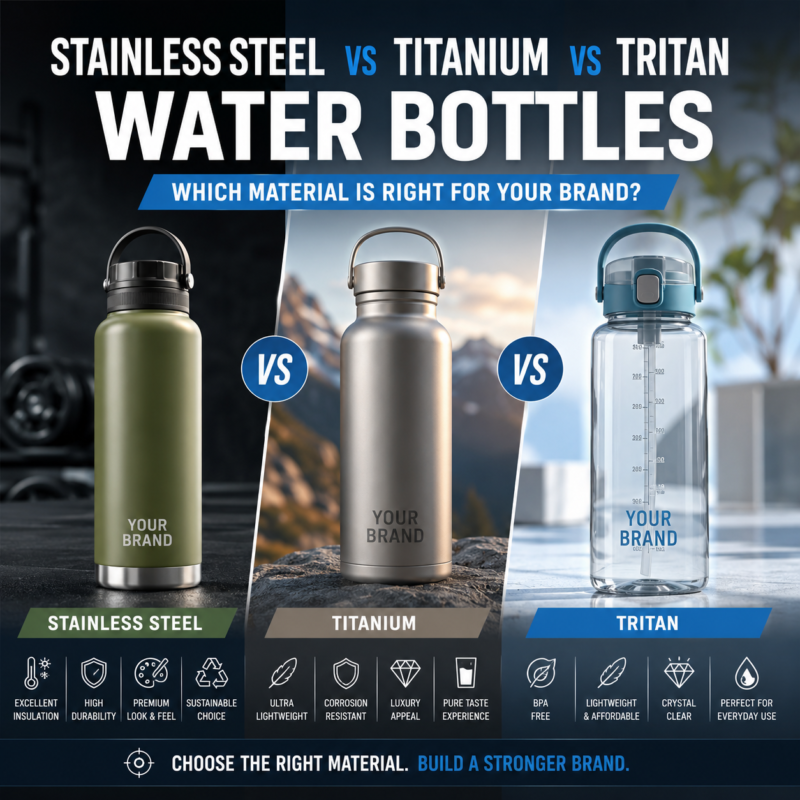
Wasserflaschen aus Edelstahl vs. Titan vs. Tritan: Welches Material ist das richtige für Ihre Marke??
Die Wahl des richtigen Wasserflaschenmaterials kann sich erheblich auf die Qualität Ihres Produkts auswirken, Preisgestaltung, und Markenpositionierung. Dieser Leitfaden vergleicht Edelstahl, Titan, und Tritan-Wasserflaschen in Bezug auf Haltbarkeit, Isolierung, kosten, Anpassung, und Nachhaltigkeit, um Marken zu helfen, Einzelhändler, und OEM-Käufer wählen das beste Material für ihren Zielmarkt aus.
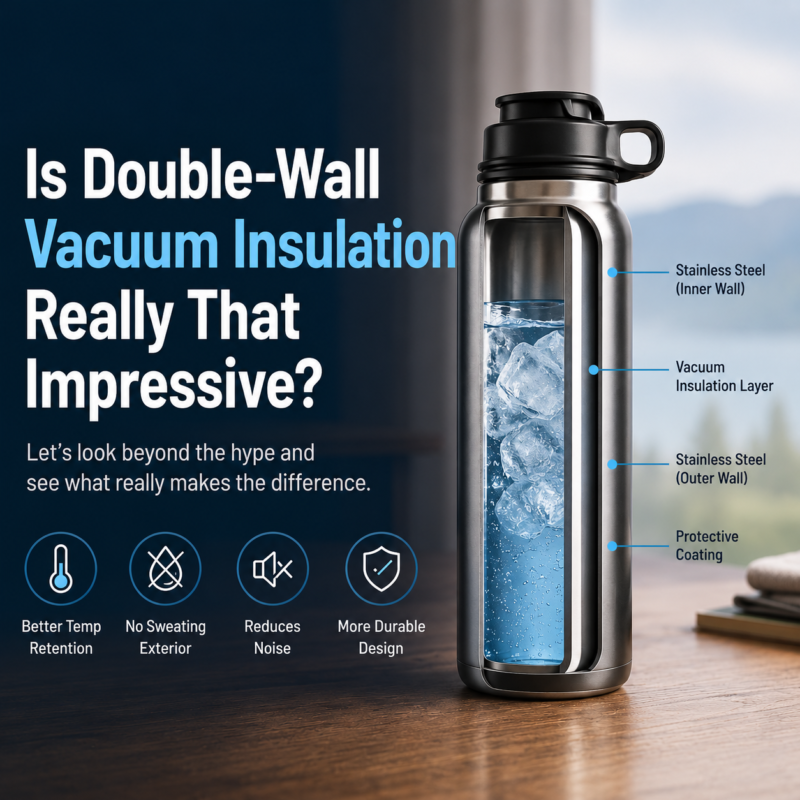
Ist die doppelwandige Vakuumisolierung wirklich so beeindruckend??
Eine doppelwandige Vakuumisolierung ist bei Premium-Trinkgeschirr Standard, Aber der Unterschied zwischen einer Flasche, die Leistung bringt, und einer Flasche, die enttäuscht, liegt in der Herstellungsqualität. Dieser Leitfaden erklärt, wie Vakuumisolierung funktioniert, setzt realistische Leistungserwartungen, und gibt B2B-Einkäufern eine praktische Checkliste zur Lieferantenbewertung an die Hand. Plus, Warum die strengen Qualitätsstandards von Jarrino sicherstellen, dass Ihre maßgeschneiderten Flaschen halten, was sie versprechen.
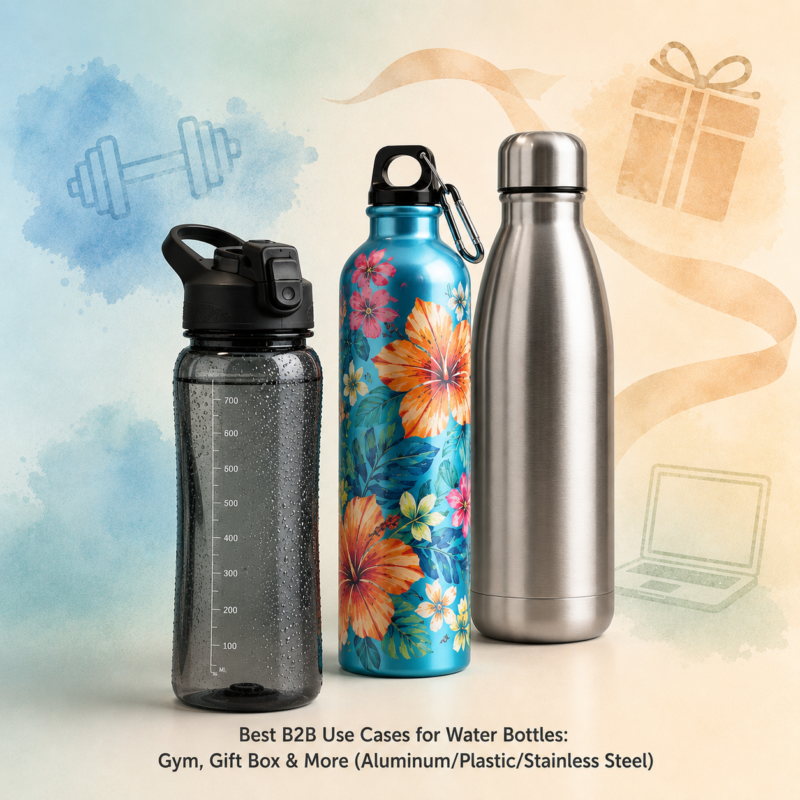
Beste B2B-Anwendungsfälle für Wasserflaschen: Fitnessstudio, Geschenkbox & Mehr (Aluminium/Kunststoff/Stahl)
Nicht jede Wasserflasche passt zu jedem B2B-Anwendungsfall. Dieser Artikel passt zu drei Materialien – Edelstahl, Aluminium, Kunststoff – bis hin zu realen Anwendungen: Fitnessstudios, Geschenkboxen für Unternehmen, Messen, Outdoor-Einzelhandel, und Schulprogramme. Edelstahl überzeugt durch Haltbarkeit und Isolierung. Aluminium bietet geringes Gewicht, Vollfarbiges Branding. Kunststoff ist für Großveranstaltungen budgetfreundlich (vorausgesetzt, es ist BPA-frei). Ein kurzer Spickzettel hilft B2B-Käufern, die Kosten auszugleichen, Markenimage, und Benutzererwartungen.