
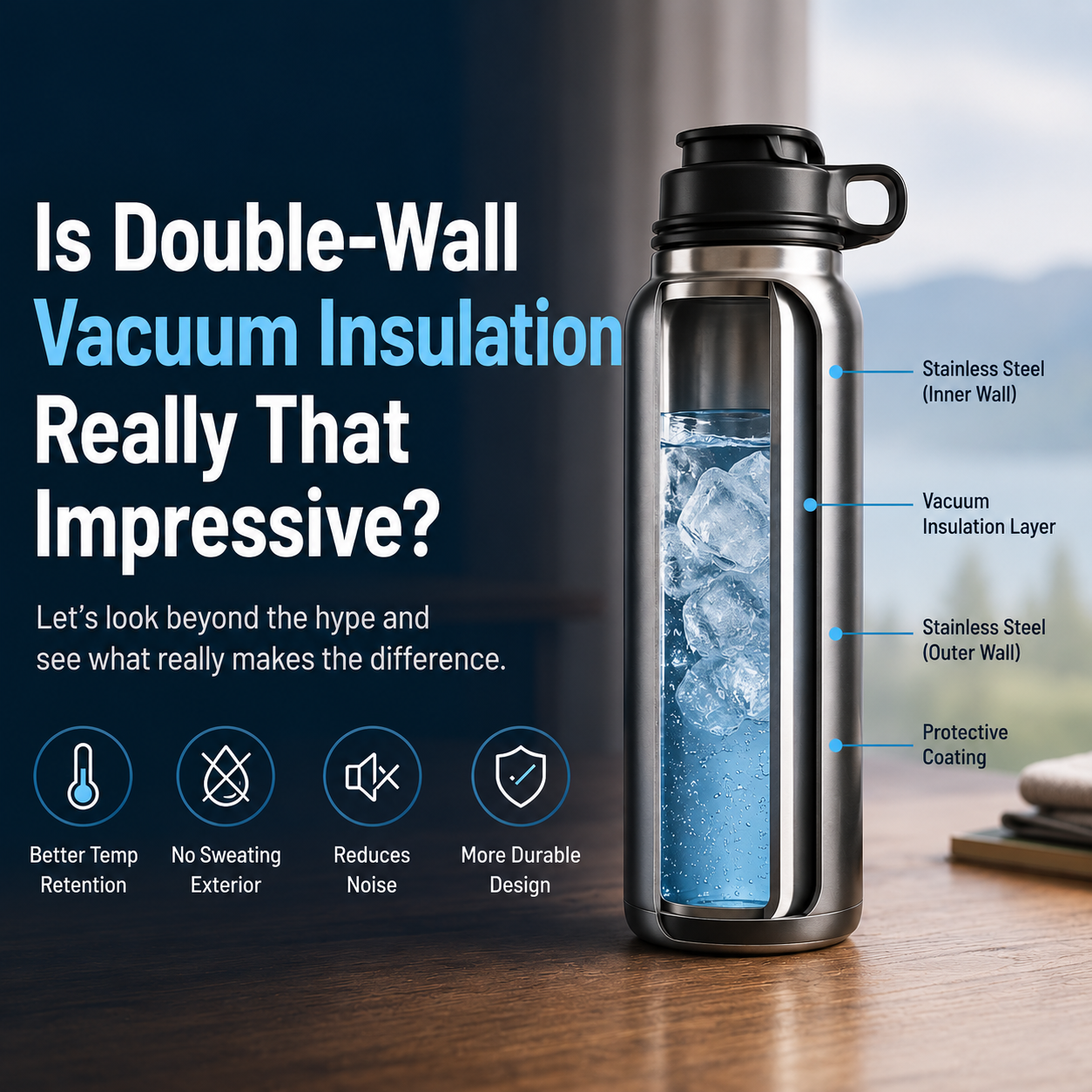
Ist die doppelwandige Vakuumisolierung wirklich so beeindruckend??
Inhaltsverzeichnis
If you’ve ever bought a stainless steel water bottle, you’ve seen the phrase “double‑wall vacuum insulation” on almost every product page. But have you ever stopped to question whether it actually works—or whether it’s just clever marketing?
Die kurze Antwort: Ja, it works. But the longer answer matters more for B2B buyers. Not all vacuum insulation is created equal, and understanding the difference between a genuinely well‑made bottle and one that just uses the right keywords can save you from disappointed customers and returns.
This guide cuts through the marketing noise. We’ll walk through how vacuum insulation actually works, what performance you should expect from a quality bottle, and—most importantly—how to tell if your supplier is delivering real technology or just good copywriting.
How Vacuum Insulation Actually Works (Without the Jargon)
Heat moves in three ways: conduction, convection, and radiation.
- Conduction is heat moving through a solid object. Think of a metal spoon heating up in a hot soup.
- Convection is heat moving through air or liquid. Warm air rises, cool air sinks – that’s convection.
- Thermal radiation is heat radiating from a hot object without needing direct contact. Think of feeling warmth from a campfire without touching the flames.
A standard single‑wall bottle is terrible at stopping any of these. Pour hot coffee into a regular metal cup, and within minutes the outside will be too hot to hold – and the inside will be lukewarm. Heat moves straight through the metal wall via conduction, and once the outside air starts moving, convection carries that heat away even faster.
Double‑wall vacuum insulation attacks all three heat transfer methods simultaneously, which is why it’s so effective.
The Vacuum Layer Eliminates Conduction and Convection
A true vacuum‑insulated bottle is built with two layers of stainless steel – an inner wall and an outer wall – with the space between them completely evacuated of air.
Why does that matter? Without air in that space, there’s no medium for heat to travel through. Conduction requires physical contact to transfer heat; convection requires air or liquid to circulate. Remove the air, and both pathways are effectively blocked.
For context, a quality vacuum bottle typically evacuates the space between the walls to a pressure of less than 0.1 Pa (Pascal) – over 100,000 times thinner than normal atmospheric pressure. That’s effectively nothing.
Reflective Coatings Minimize Radiant Heat Loss
Even with a perfect vacuum, a small amount of heat still escapes through radiation. Premium bottles solve this by coating the inner wall with a reflective layer – often copper or silver plating.
This reflective surface bounces radiant heat back toward the liquid instead of letting it escape through the bottle walls. Industry sources indicate that a well‑manufactured inner coating can reflect up to 95% of thermal radiation.
Without this coating, you’d still lose heat over time even through a vacuum. With it, your hot drink stays hot for much longer.
Tight Sealing Controls Convection at the Opening
Here’s something many buyers overlook: even if the walls are perfectly insulated, the bottle’s opening can still let heat escape. Every time you open the lid, warm air rises out, and cooler air enters. Over the course of a day, that adds up.
Quality bottles solve this with tight‑sealing lids and narrow openings designed to minimize air exchange. Some premium models take it further with twist‑pour stoppers or insulated caps that add an extra barrier against heat loss from the top.
What Performance Should You Actually Expect?
Not all bottles perform the same. But for a well‑made vacuum‑insulated bottle, here are realistic benchmarks:
- Hot retention: A good bottle should keep hot water (around 95°C / 203°F) above 65°C / 149°F after 6 Std.. Bei 12 Std., it should still be noticeably warm – above 50°C / 122°F.
- Cold retention: The same bottle should keep ice water (around 4°C / 40°F) cold for 12 Zu 24 Std., with ice still present after a full workday.
- Condensation prevention: The outer wall should stay dry at room temperature. If a so‑called “insulated” bottle sweats on the outside, the vacuum layer is compromised or nonexistent.
These aren’t vague claims – they’re measurable performance thresholds that legitimate manufacturers test for. If a supplier can’t provide test data, that’s a red flag.
What Vacuum Quality Actually Tells You About the Factory
Here’s where many B2B buyers get stuck. Two bottles might both claim “double‑wall vacuum insulation,” but the actual performance can vary dramatically. The difference comes down to manufacturing quality – which you can’t see without digging deeper.
Welding Integrity
The two stainless steel walls are welded together at the mouth of the bottle to create a completely sealed airspace. If that weld isn’t perfect, air will slowly leak back into the vacuum layer over time. A bottle that starts with decent insulation can lose half its performance within months if the weld isn’t airtight.
What to ask a supplier: “Do you use helium leak testing on your vacuum seals?” If they don’t know what that is, keep looking. Helium leak testing is the industry standard for detecting microscopic leaks that can’t be seen with the naked eye.
Inner Surface Finish
The smoothness of the inner stainless steel surface affects how easily bacteria can hide and how well the bottle cleans. Rough surfaces can trap residues and make thorough cleaning difficult. Premium manufacturers use electropolishing – an electrochemical process that smooths and brightens the stainless steel surface.
Wall Thickness
Thicker stainless steel walls retain vacuum better and resist denting. Many premium bottles use a minimum wall thickness of 0.8mm or more. Thinner walls are cheaper to produce but more prone to damage – and once dented, the vacuum layer can be compromised.
What to ask a supplier: “What’s your inner and outer wall thickness, and do you have third‑party test reports showing vacuum retention over time?” A manufacturer that routinely sends samples to accredited labs (like SGS or Intertek) for independent testing is far more trustworthy than one that only provides in‑house data.
The One‑Piece vs. Bottom‑Welded Debate
Some premium bottles use a “one‑piece” or “seamless” construction where the inner and outer walls are formed from a single sheet of stainless steel, eliminating the bottom weld that could become a failure point. Other bottles weld a separate bottom piece onto the walls after forming – which is cheaper but introduces additional potential leak points.
Neither approach is inherently bad, but seamless construction generally indicates a higher‑end manufacturing process.
Common Myths B2B Buyers Should Stop Believing
Myth 1: “All vacuum bottles are basically the same.”
This is flat‑out wrong. The vacuum layer is the key, but how well a factory maintains that vacuum over time – through weld quality, material thickness, and leak testing – separates good suppliers from bad ones. China produces over 80% of the world’s double‑wall insulated bottles, but quality varies enormously across manufacturers. Some are world‑class; others are cutting corners.
Myth 2: “Higher price always means better insulation.”
Not necessarily. Some luxury brands charge premium prices for the same manufacturing sourced from the same Chinese factories as lower‑priced competitors. What you’re often paying for is brand marketing and packaging, not engineering.
The best approach is to evaluate suppliers based on verified performance data, not shelf price.
Myth 3: “The bottle will stay hot for ’12 hours‘ no matter what.”
Test conditions matter. Most performance claims (12 hours hot, 24 hours cold) are measured under ideal lab conditions – 20°C room temperature, bottle full and preheated, lid sealed tight. In real‑world use – sitting in a cold car, opened frequently, or partially filled – actual performance will be lower.
That doesn’t mean the claims are false. It means you should expect realistic performance and test samples under your actual use conditions before committing to a bulk order.
Myth 4: “Vacuum insulation is only for hot drinks.”
Actually, vacuum bottles are equally good at keeping cold drinks cold and preventing condensation on the outside. That’s a major selling point for gym users, office workers, and anyone who doesn’t want a sweaty water ring on their desk or in their bag.
How This Technology Benefits Your Brand’s Bottom Line
For B2B buyers sourcing bottles for corporate gifts, Einzelhandel, or promotional campaigns, quality vacuum insulation delivers real business value beyond the obvious product feature.
Better Customer Experience = Repeat Business
A bottle that actually keeps coffee hot for six hours creates a positive emotional connection with the user. A bottle that fails within two hours creates frustration – and probably a return.
Quality insulation directly reduces complaint rates and return rates. For brands building long‑term customer relationships, that’s critical.
Higher Perceived Value Justifies Premium Pricing
Customers can immediately feel the difference between a cheap single‑wall bottle and a quality vacuum‑insulated one – they’re heavier, feel more substantial, and perform obviously better. That tangible quality gap justifies higher retail prices and stronger margins.
Brand Visibility Lasts Longer
A well‑made bottle stays in use for years, not months. Every time someone carries it to the office, the gym, or on a trip, your logo gets seen. Poor insulation sends bottles to the back of the cupboard quickly.
Practical Takeaways for B2B Buyers
When evaluating suppliers for double‑wall vacuum‑insulated bottles, here’s a straightforward checklist:
- Request vacuum retention test data – Ask for third‑party test reports from labs like SGS or Intertek, showing temperature retention over 6 Und 12 hours under standardized conditions. If a supplier can’t provide this, be cautious.
- Ask about leak testing – Helium leak detection is the gold standard for vacuum seal testing. Cheap suppliers often skip it. Ask specifically what method they use.
- Check wall thickness specifications – A reputable supplier will share this without hesitation. Aim for minimum 0.8mm wall thickness for durability.
- Inspect sample bottle welds and seams – When you receive a sample, examine the bottom weld visually. Uneven or rough welds often indicate lower manufacturing quality.
- Test samples yourself – Don’t rely entirely on supplier data. Fill sample bottles with hot water (measured with a thermometer) and track temperature over 6 Zu 12 hours in your own environment.
- Request certification documentation – For export to North America and Europe, confirm that all food‑contact components meet FDA, LFGB, or REACH requirements, depending on your target market.
- Verify compliance for regulated markets – Be aware of changing regulations; for example, the EU has tightened bisphenol A limits to 1 ppb and introduced stricter controls on PFAS in coatings. A well‑prepared manufacturer will be proactive about these updates.
The Right Supplier Makes the Difference
Double‑wall vacuum insulation is real technology with genuine performance benefits. But like any manufacturing process, the results depend entirely on who’s doing the work and how much care they put into quality control.
Bei Jarrino, we manufacture stainless steel bottles with double‑wall vacuum insulation to strict quality standards. We run regular third‑party testing to verify our insulation performance, and we can provide temperature retention data, certification documentation, and pre‑production samples before you commit to a bulk order.
Quality insulation isn’t just a feature – it’s the foundation of customer satisfaction. If you’re sourcing custom stainless steel bottles and want to ensure your products actually deliver on their promises, let’s talk.
👉 Contact Jarrino today – request a sample, discuss your specifications, or ask for our latest test reports.
Verwandte Beiträge
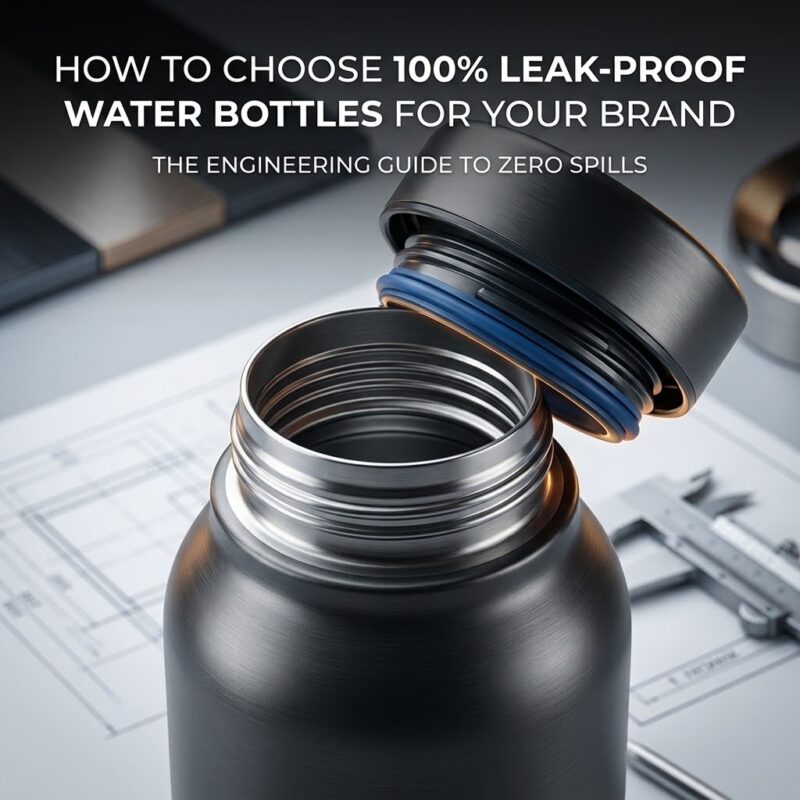
So wählen Sie aus 100% Auslaufsichere Edelstahl-Wasserflaschen für Ihre Marke?
Dieser Leitfaden hilft Getränkemarken bei der Auswahl 100% Auslaufsichere Edelstahlflaschen durch Analyse von QC-Tests und Deckeltechnik. Hersteller wie Jarrino verwenden invertiert, zittern, und Luftdrucktests zur Überprüfung der Dichtungen. Herkömmliche Schraubverschlüsse bieten absoluten Auslaufschutz, während das Verschließen von Klappdeckeln und Strohhalmkappen präzise Silikondichtungen erfordert, CNC-Gewindepräzision, und Einweg-Luftventile, um ein Verschütten zu verhindern.
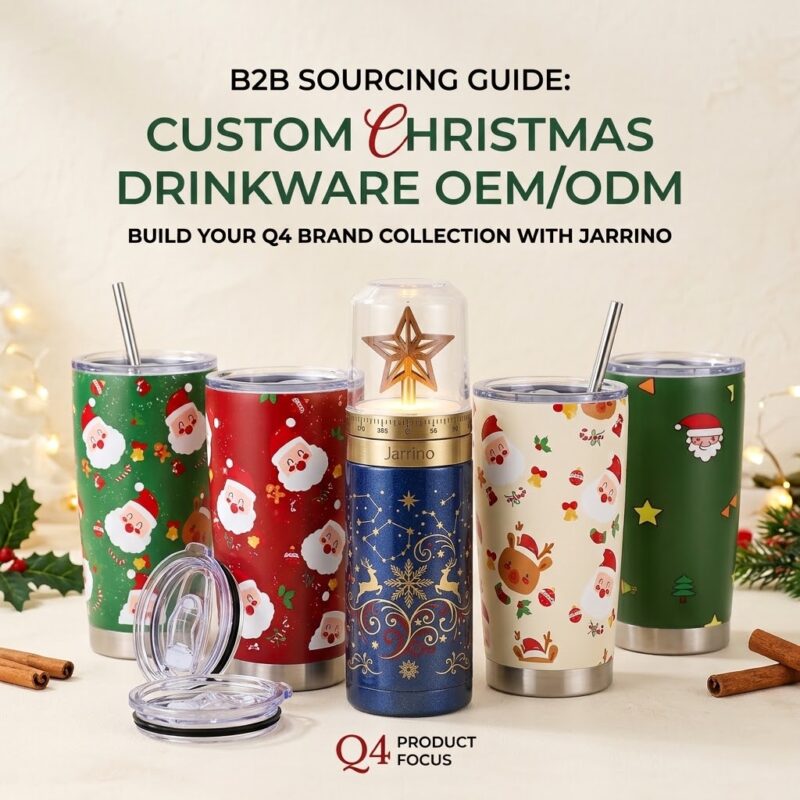
Maßgeschneidertes Weihnachtstrinkgeschirr: Vollständiger OEM/ODM-Fertigungsleitfaden
Jarrino ist ein zertifizierter OEM/ODM-Hersteller, der sich auf kundenspezifische Isolierflaschen spezialisiert hat, Mit Keramik ausgekleidete Becher, und Trinkgeschirr aus Titan. Die Lieferzeiten für kundenspezifische Weihnachtsbestellungen im vierten Quartal betragen 20–30 Tage bei niedrigen Mindestbestellmengen (300–1.000 Stk) und vollständige FDA/LFGB-Konformität. Wir bieten eine umfassende Individualisierung einschließlich 3D-Digitaldruck, Lasergravur, und maßgeschneiderte Weihnachtsgeschenkverpackungen. Musterkits und Angebote sind auf Anfrage erhältlich, um Marken dabei zu helfen, die Feiertagsproduktion im vierten Quartal reibungslos abzuschließen.
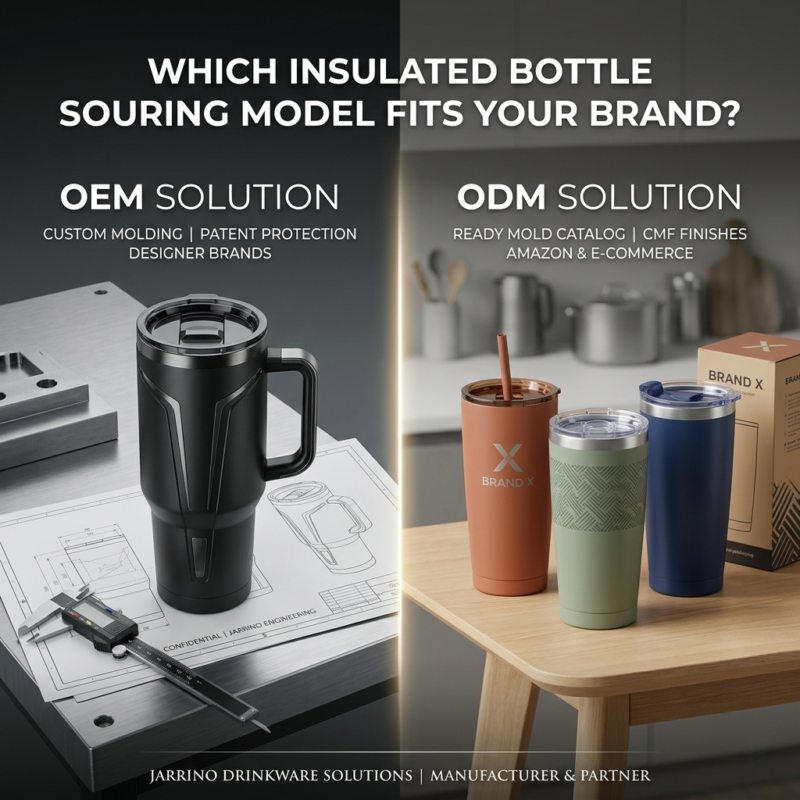
OEM vs. ODM-isolierte Becher: Welches Beschaffungsmodell passt zu Ihrer Getränkemarke?
Wahl zwischen OEM (Herstellung von Erstausrüstung) und ODM (Original-Design-Herstellung) definiert das R Ihrer Trinkgeschirrmarke&D-Budget, Time-to-Market, und Produktexklusivität. OEM ist ideal für etablierte Marken mit individuellen CAD-Designs und einzigartigen IP-Anforderungen, Angebot 100% kundenspezifisches Formen und Patentschutz. ODM wurde für Amazon-Verkäufer entwickelt, DTC-Startups, und Unternehmenskäufer, die keine Werkzeugkosten anstreben, niedrige MOQs, und schnelle Produkteinführungen durch fortschrittliche CMF-Oberflächen (Pulverbeschichtung, UV-Druck).
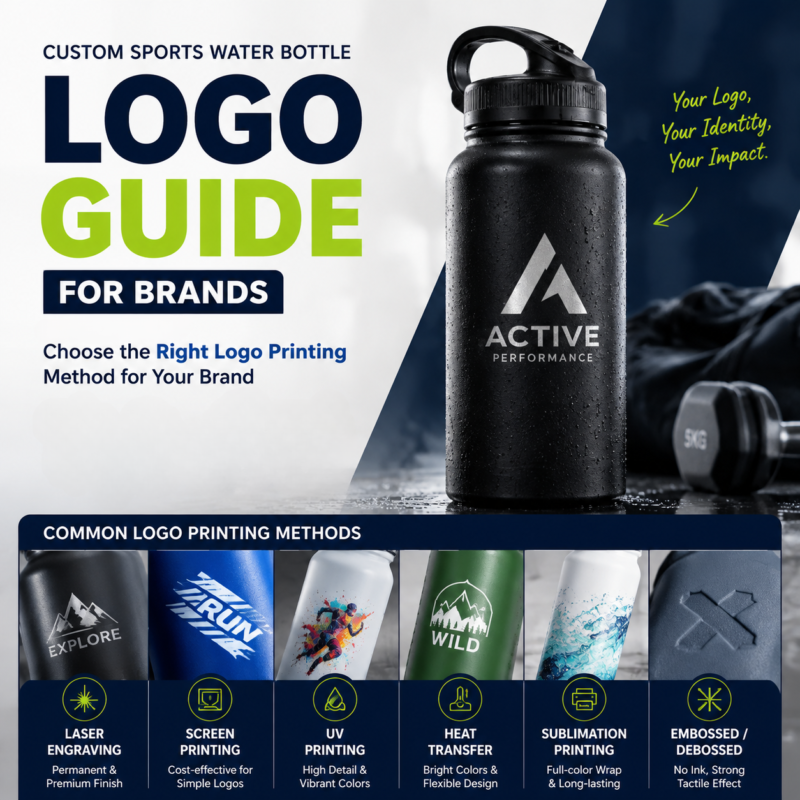
Leitfaden für individuelle Sportwasserflaschen-Logos für Marken
Individuelle Logos für Sportwasserflaschen werden je nach Flaschenmaterial durch unterschiedliche Dekorationsverfahren erstellt, Markendesign, und Leistungsanforderungen. In diesem Leitfaden werden die gängigsten Methoden zum Drucken von Logos behandelt, inklusive Lasergravur, Siebdruck, UV-Druck, Wärmeübertragung, und Sublimation, Unterstützung von Sportmarken bei der Auswahl der richtigen Individualisierungsoption für langlebige und professionelle Trinkgeschirrprodukte.
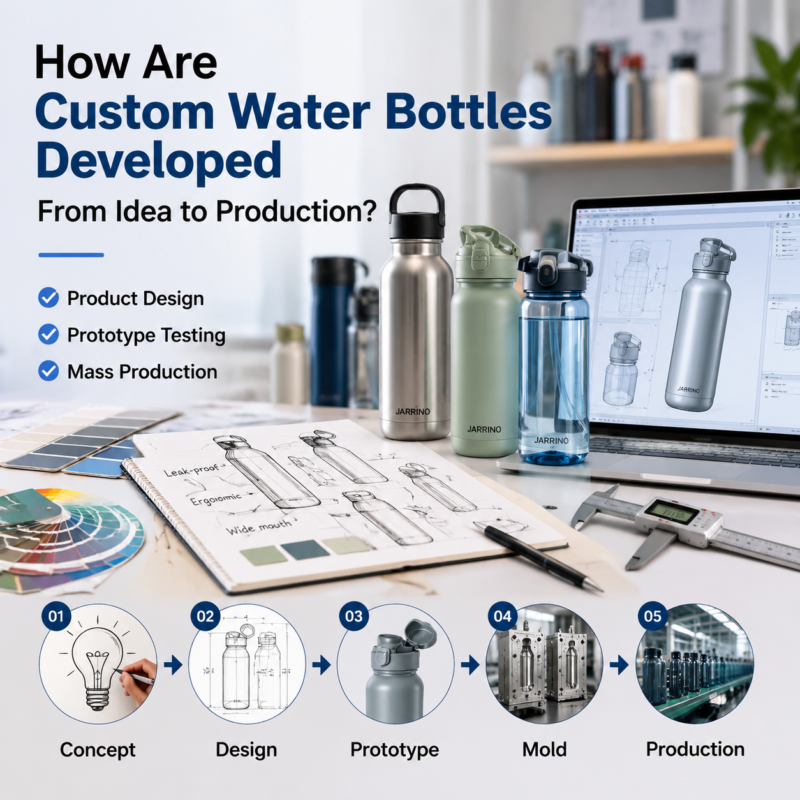
Wie werden maßgeschneiderte Wasserflaschen von der Idee bis zur Produktion entwickelt??
Die Entwicklung einer individuellen Wasserflasche erfordert mehr als nur die Auswahl eines Designs und das Hinzufügen eines Logos. Vom ersten Produktkonzept bis zum Engineering, Prototyping, Schimmelbildung, Testen, und Massenproduktion, Jede Phase spielt eine wichtige Rolle bei der Entwicklung eines erfolgreichen Trinkgeschirrprodukts. In diesem Leitfaden wird erläutert, wie Marken mit OEM-Wasserflaschenherstellern zusammenarbeiten, um Ideen in hochwertige Produkte umzusetzen, marktreife Produkte und managen gleichzeitig das Design, kosten, und Produktionsherausforderungen.
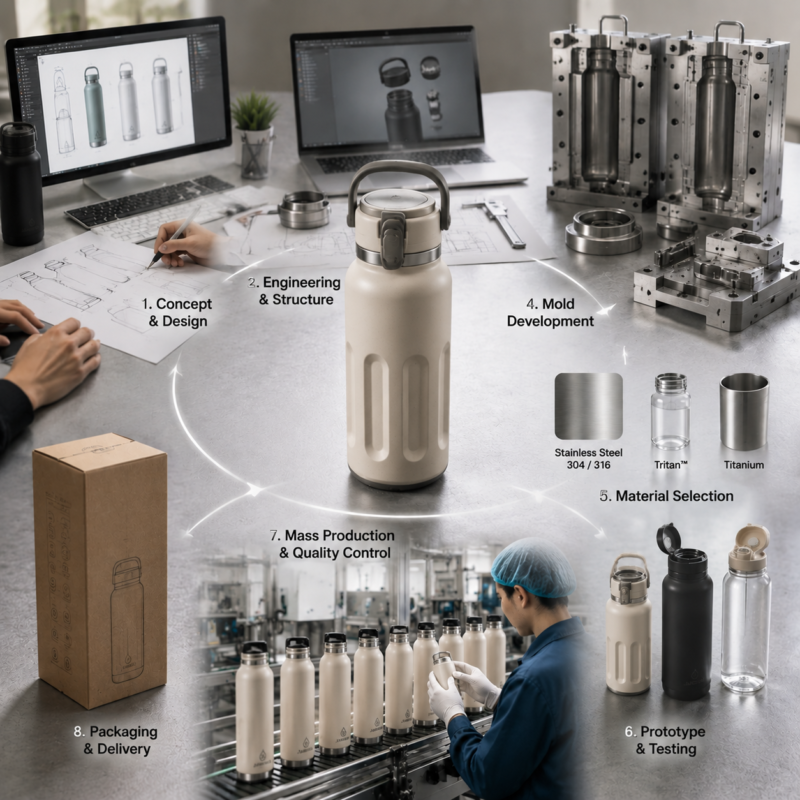
Wie werden vollständig maßgeschneiderte Wasserflaschen hergestellt??
Die Entwicklung einer vollständig maßgeschneiderten Wasserflasche erfordert viel mehr als nur das Hinzufügen eines Logos zu einem bestehenden Produkt. In diesem Leitfaden wird erklärt, wie Marken durch Produktdesign einzigartige Wasserflaschen schaffen, Maschinenbau, Materialauswahl, Schimmelbildung, Prototypentests, und Massenproduktion. Erfahren Sie, wie ein erfahrener OEM-Hersteller von Wasserflaschen dabei hilft, eine Idee in ein marktreifes Produkt umzuwandeln und gleichzeitig die Qualität zu verwalten, kosten, und Produktionseffizienz.
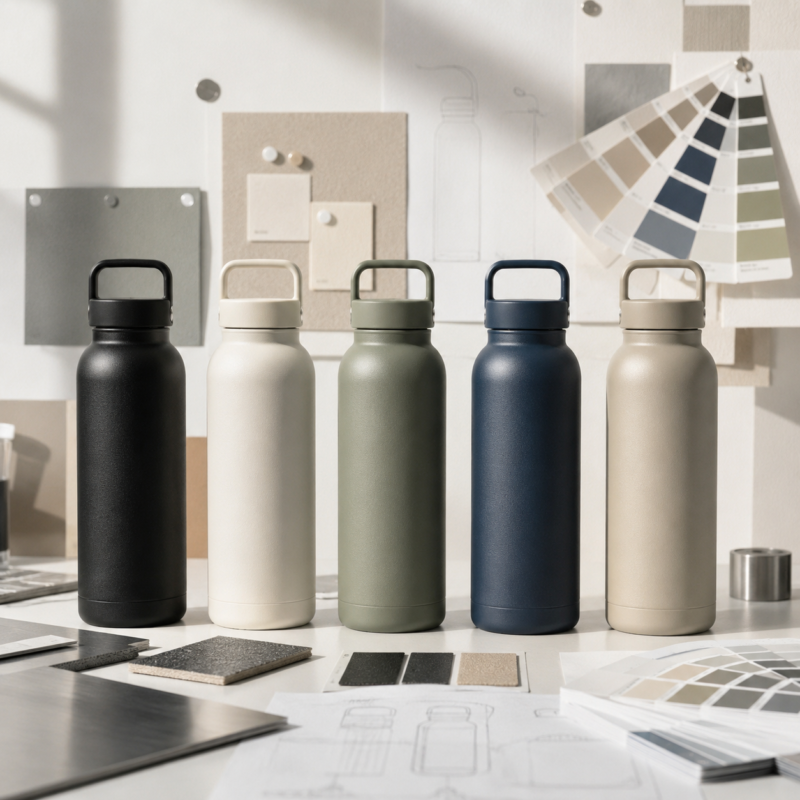
So wählen Sie Farben und Ausführungen für individuelle Wasserflaschen aus
Der Erfolg einer individuellen Wasserflaschenkollektion hängt nicht nur von attraktiven Farben ab. Auswahl der richtigen Farbpalette, Oberflächenbeschaffenheit, und die Fertigungsstrategie trägt zur Stärkung der Markenidentität bei, Kundenattraktivität verbessern, und sorgen für langfristige Umsätze. In diesem Leitfaden wird erläutert, wie Sie Farben basierend auf den Marktpräferenzen auswählen, Vergleichen Sie matte und glänzende Oberflächen, SKUs optimieren, und erreichen Sie durch professionelle OEM-Produktion eine gleichbleibende Qualität.
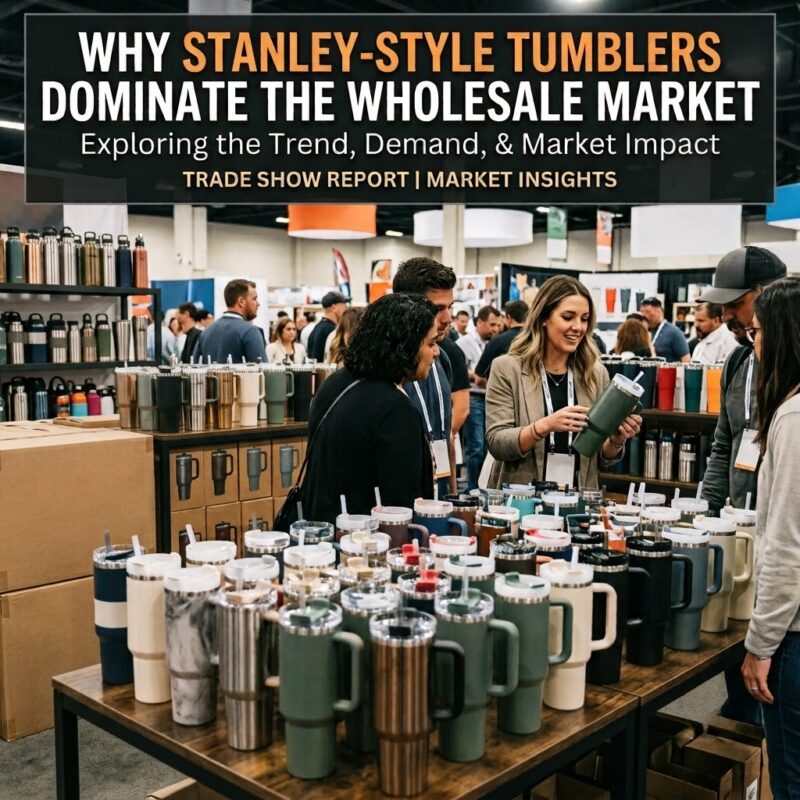
Warum Trinkgläser im Stanley-Stil den Großhandelsmarkt dominieren
Becher im Stanley-Stil sind zu einem kulturellen Phänomen und einem Bestseller geworden. In diesem Artikel wird untersucht, warum – von 18/8 Edelstahl und doppelwandige Vakuumisolierung mit hoher Wertanmutung, Anpassungspotenzial, und eine stetige Nachfrage nach Nachbestellungen. Erfahren Sie, was diese Becher zuverlässig macht, profitable Kategorie für Großhandelskäufer.
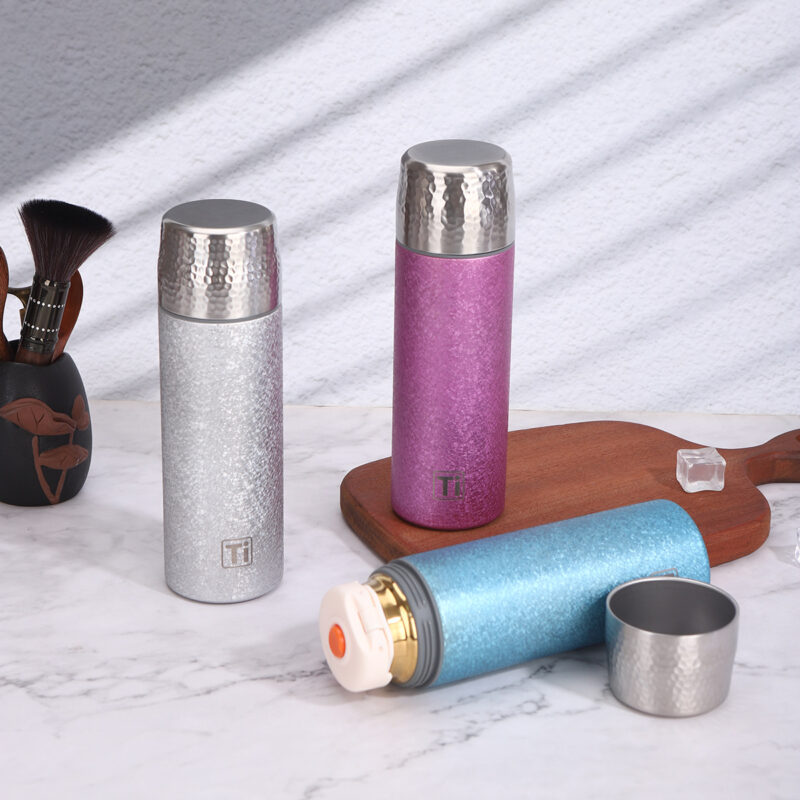
Sind Titanwasserflaschen sicher??
Titan ist sicher. Es ist auch teuer. Hier erfahren Sie, wie es im Vergleich zu Edelstahl und Aluminium abschneidet – und welches Material für Ihre Marke tatsächlich sinnvoll ist.
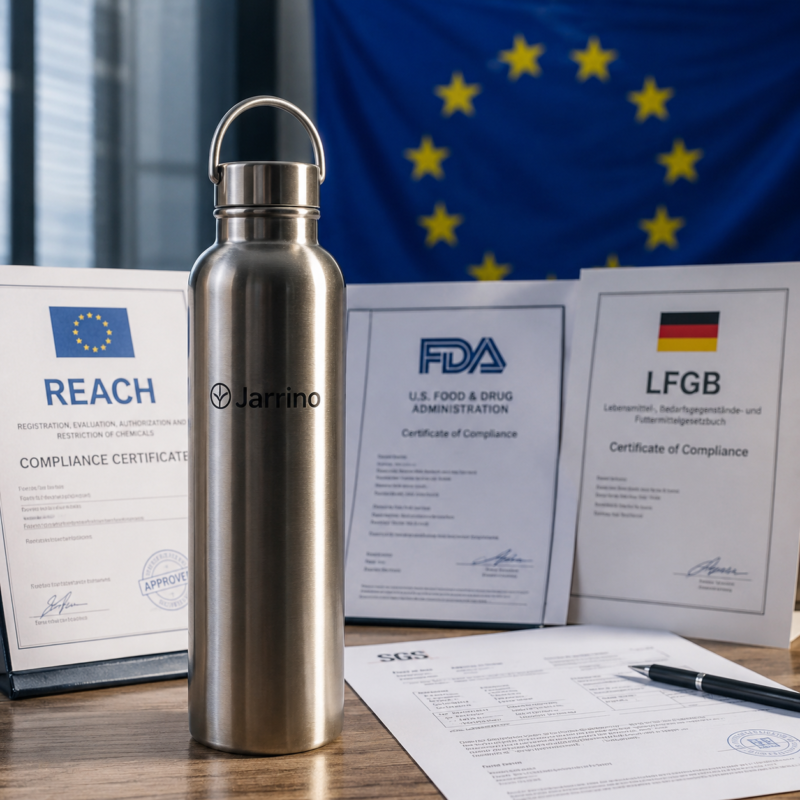
EU-Mikroplastik-Verordnung 2026: Was jeder Hersteller kundenspezifischer Wasserflaschen wissen sollte
Erfahren Sie, wie die EU-Mikroplastik-Verordnung funktioniert (EU) 2026/1168 wirkt sich auf Hersteller kundenspezifischer Wasserflaschen und Eigenmarken von Trinkgeschirr aus. Entdecken Sie, wie Jarrino Importeuren mit langlebigen Edelstahl-Wasserflaschen dabei hilft, REACH-konform zu bleiben.
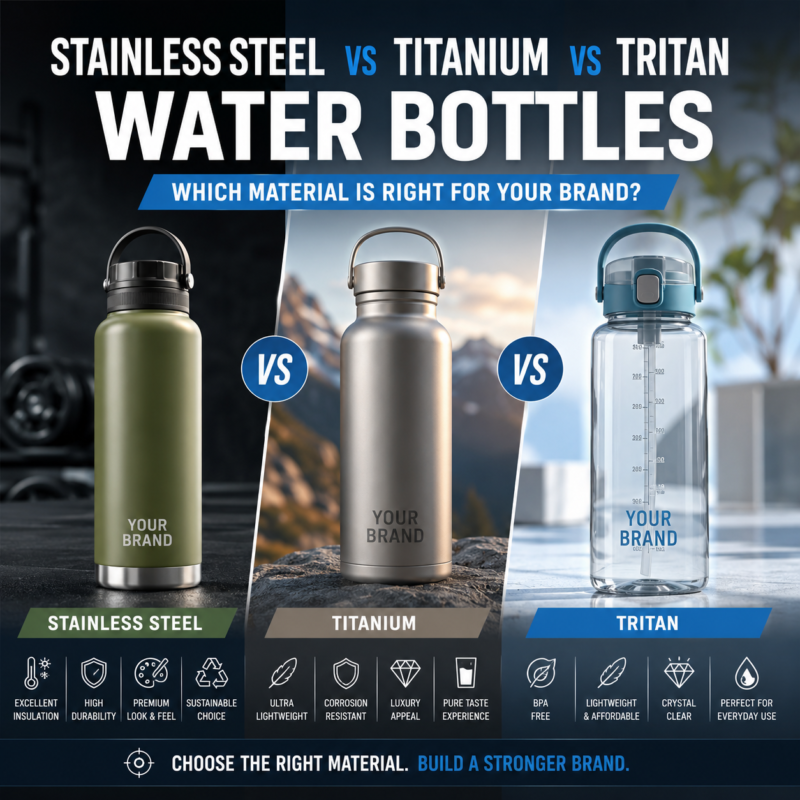
Wasserflaschen aus Edelstahl vs. Titan vs. Tritan: Welches Material ist das richtige für Ihre Marke??
Die Wahl des richtigen Wasserflaschenmaterials kann sich erheblich auf die Qualität Ihres Produkts auswirken, Preisgestaltung, und Markenpositionierung. Dieser Leitfaden vergleicht Edelstahl, Titan, und Tritan-Wasserflaschen in Bezug auf Haltbarkeit, Isolierung, kosten, Anpassung, und Nachhaltigkeit, um Marken zu helfen, Einzelhändler, und OEM-Käufer wählen das beste Material für ihren Zielmarkt aus.
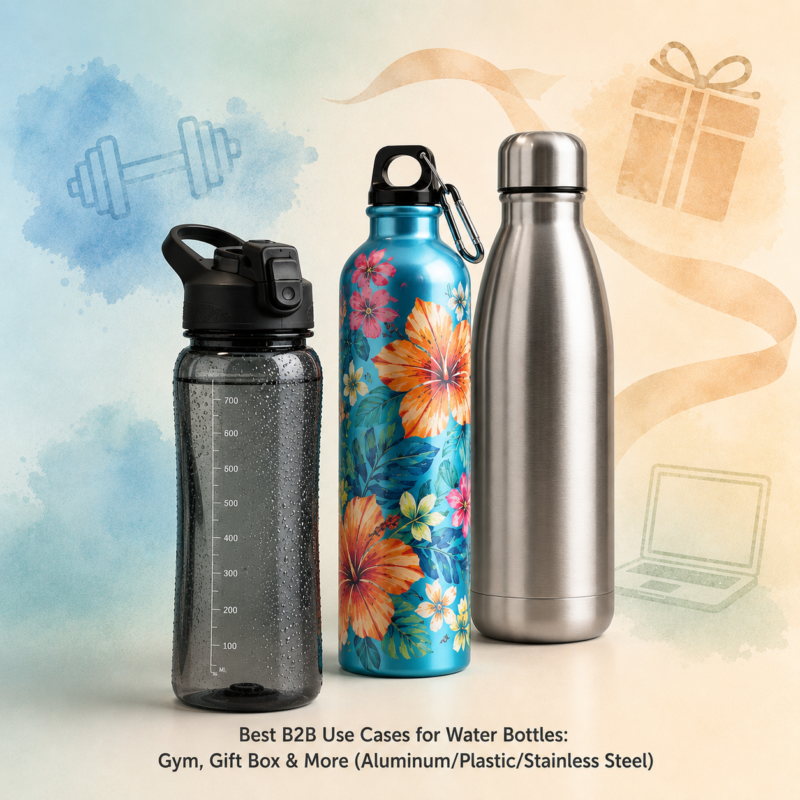
Beste B2B-Anwendungsfälle für Wasserflaschen: Fitnessstudio, Geschenkbox & Mehr (Aluminium/Kunststoff/Stahl)
Nicht jede Wasserflasche passt zu jedem B2B-Anwendungsfall. Dieser Artikel passt zu drei Materialien – Edelstahl, Aluminium, Kunststoff – bis hin zu realen Anwendungen: Fitnessstudios, Geschenkboxen für Unternehmen, Messen, Outdoor-Einzelhandel, und Schulprogramme. Edelstahl überzeugt durch Haltbarkeit und Isolierung. Aluminium bietet geringes Gewicht, Vollfarbiges Branding. Kunststoff ist für Großveranstaltungen budgetfreundlich (vorausgesetzt, es ist BPA-frei). Ein kurzer Spickzettel hilft B2B-Käufern, die Kosten auszugleichen, Markenimage, und Benutzererwartungen.