
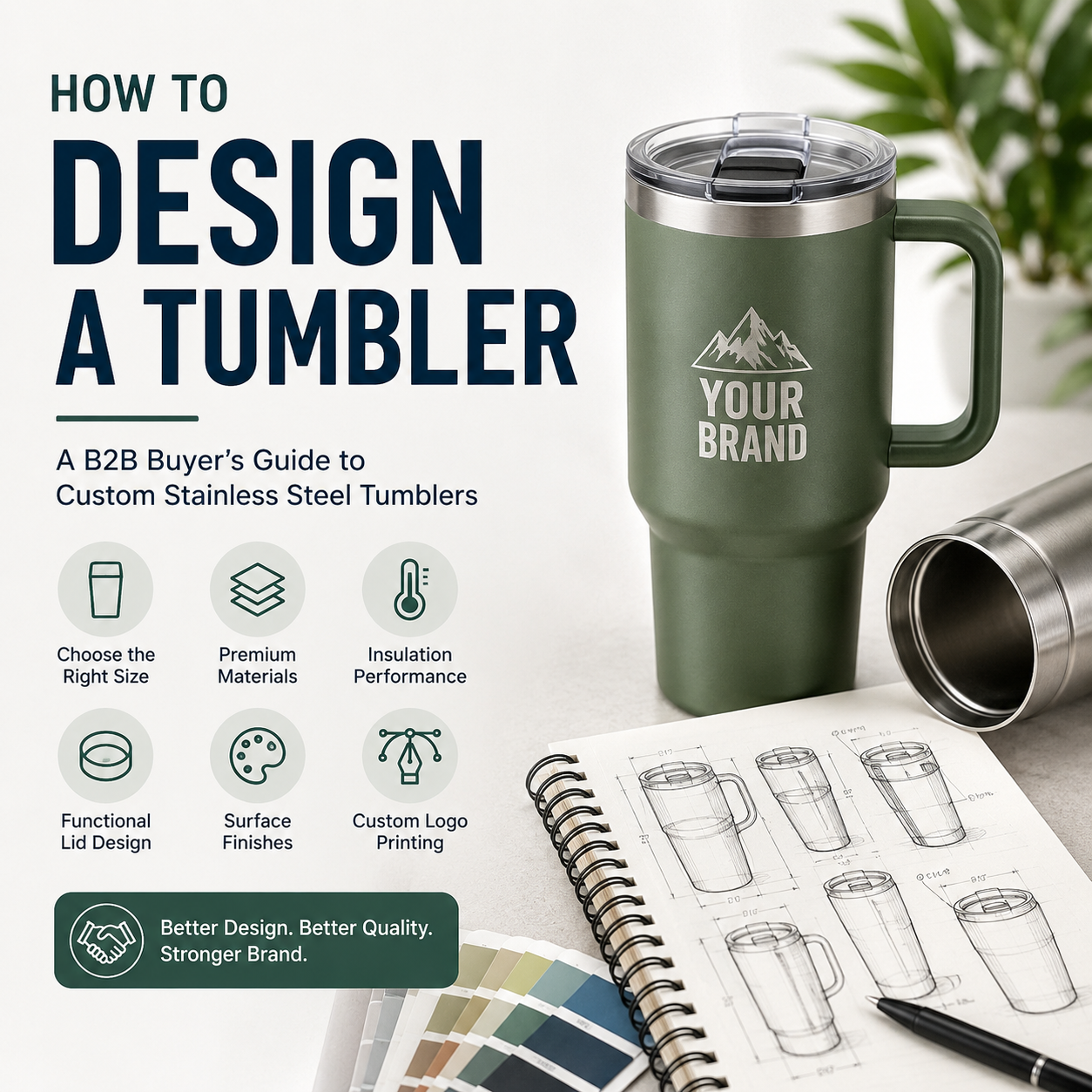
How to Design a Tumbler That Customers Actually Want
Related Posts
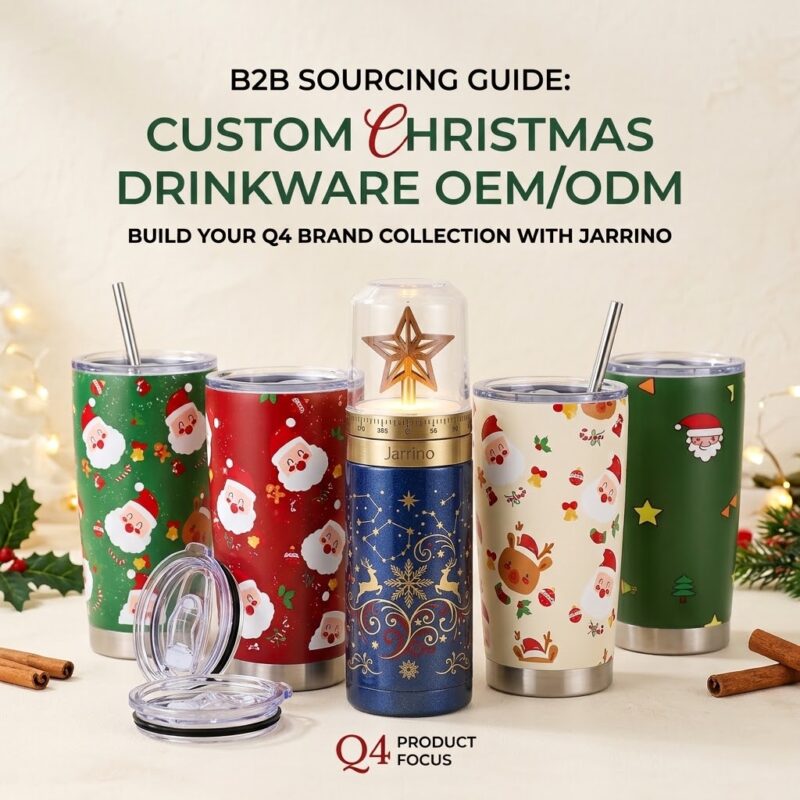
Custom Christmas Drinkware: Complete OEM/ODM Manufacturing Guide
Jarrino is a certified OEM/ODM manufacturer specializing in custom vacuum flasks, ceramic-lined tumblers, and titanium drinkware. Lead times for Q4 custom Christmas orders are 20–30 days with low MOQs (300–1,000 pcs) and full FDA/LFGB compliance. We offer end-to-end customization including 3D digital printing, laser engraving, and bespoke Christmas gift packaging. Sample kits and the quotes are available upon request to help brands lock in Q4 holiday production smoothly.
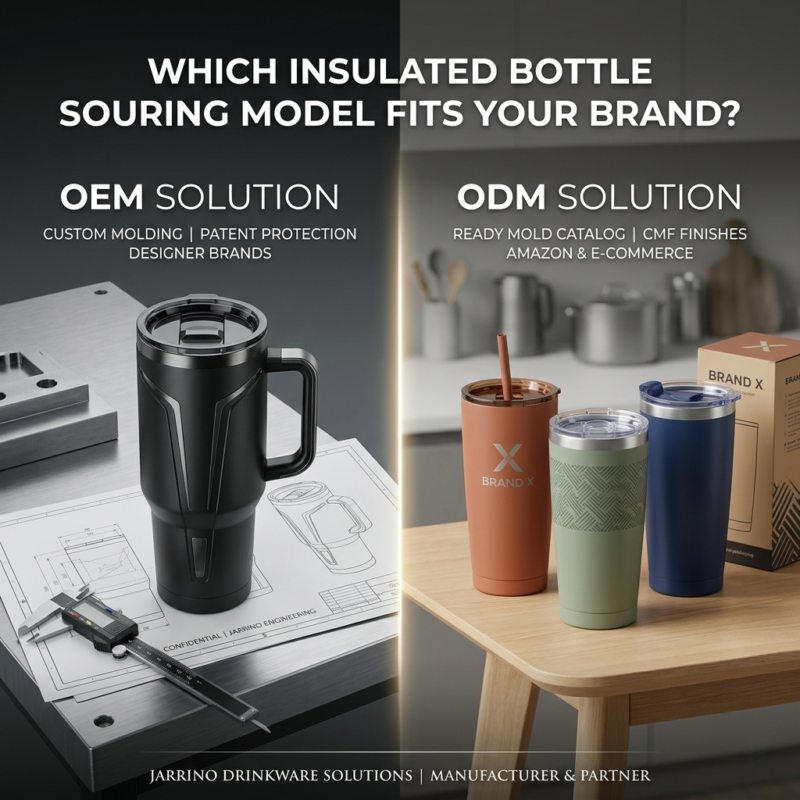
OEM vs. ODM Insulated Tumblers: Which Sourcing Model Fits Your Drinkware Brand
Choosing between OEM (Original Equipment Manufacturing) and ODM (Original Design Manufacturing) defines your drinkware brand’s R&D budget, time-to-market, and product exclusivity. OEM is ideal for established brands with custom CAD designs and unique IP requirements, offering 100% custom molding and patent protection. ODM is built for Amazon sellers, DTC startups, and corporate buyers seeking zero tooling costs, low MOQs, and rapid product launches via advanced CMF finishes (powder coating, UV printing).
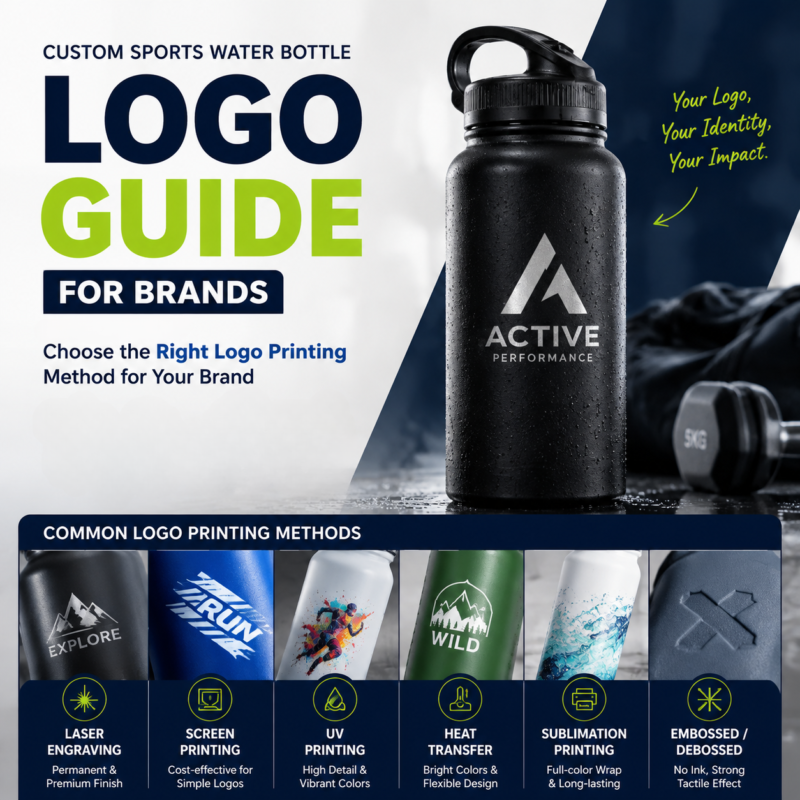
Custom Sports Water Bottle Logo Guide for Brands
Custom sports water bottle logos are created through different decoration processes depending on the bottle material, brand design, and performance requirements. This guide covers the most common logo printing methods, including laser engraving, screen printing, UV printing, heat transfer, and sublimation, helping sports brands select the right customization option for durable and professional drinkware products.
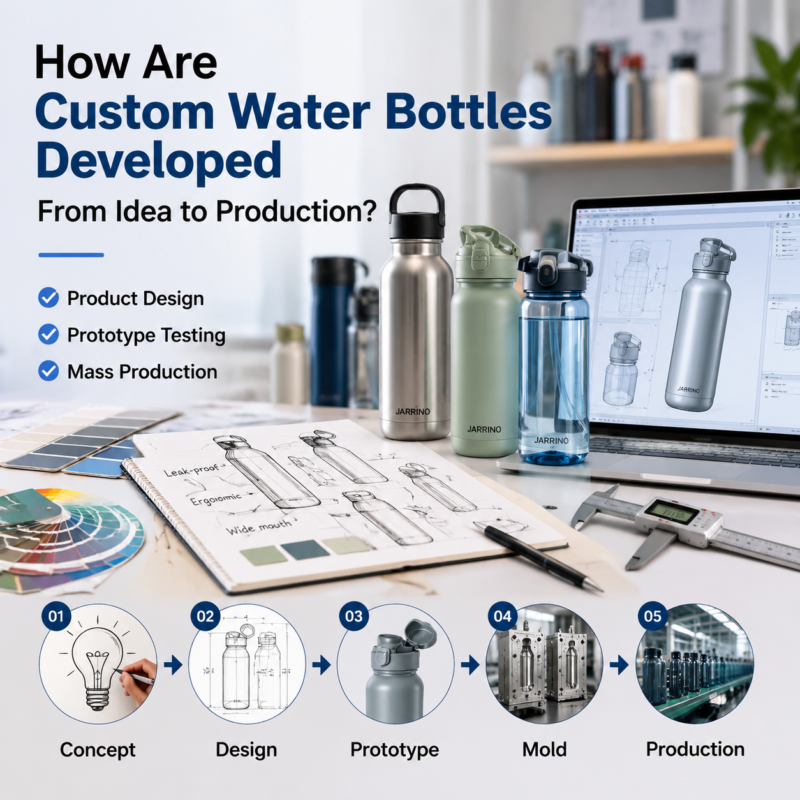
How Are Custom Water Bottles Developed From Idea to Production?
Developing a custom water bottle requires more than choosing a design and adding a logo. From the initial product concept to engineering, prototyping, mold development, testing, and mass production, every stage plays an important role in creating a successful drinkware product. This guide explains how brands work with OEM water bottle manufacturers to transform ideas into high-quality, market-ready products while managing design, cost, and production challenges.
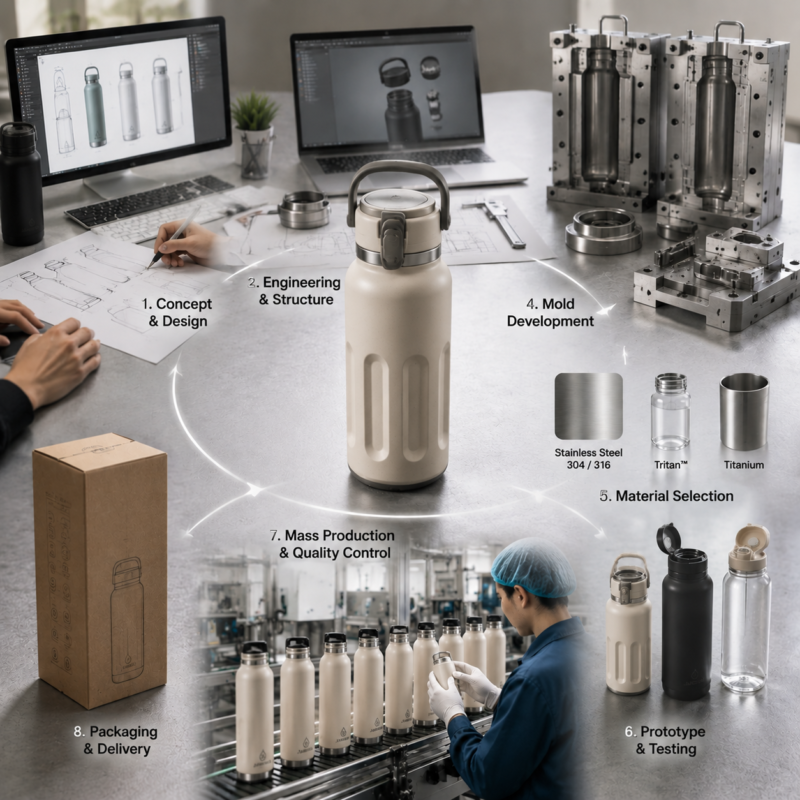
How Are Fully Custom Water Bottles Made?
Developing a fully custom water bottle involves much more than adding a logo to an existing product. This guide explains how brands create unique water bottles through product design, engineering, material selection, mold development, prototype testing, and mass production. Learn how an experienced OEM water bottle manufacturer helps transform an idea into a market-ready product while managing quality, cost, and production efficiency.
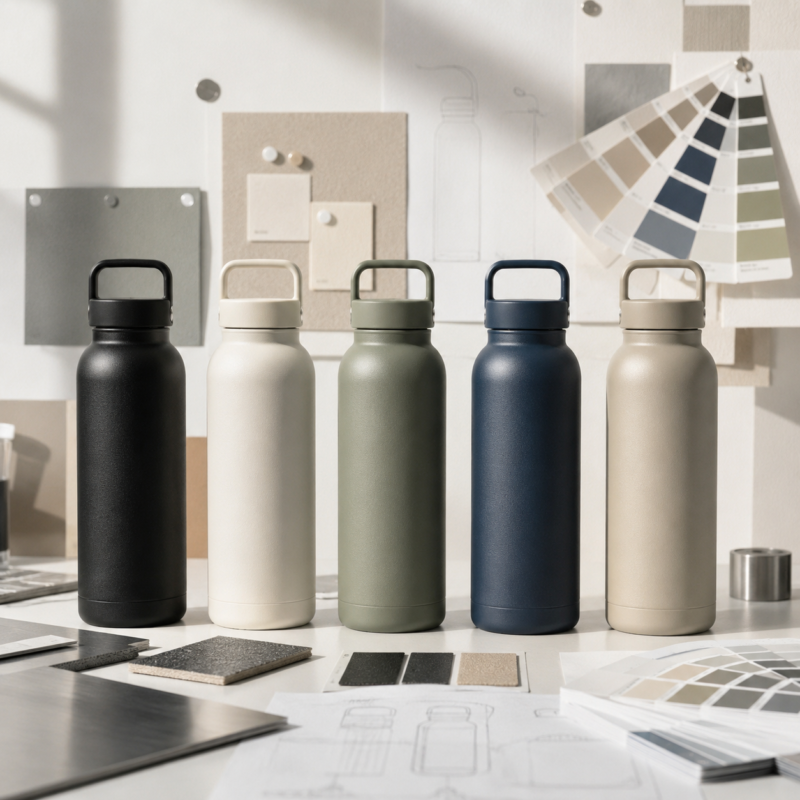
How to Choose Colors and Finishes for Custom Water Bottles
The success of a custom water bottle collection depends on more than attractive colors. Choosing the right color palette, surface finish, and manufacturing strategy helps strengthen brand identity, improve customer appeal, and ensure long-term sales. This guide explains how to select colors based on market preferences, compare matte and glossy finishes, optimize SKUs, and achieve consistent quality through professional OEM production.
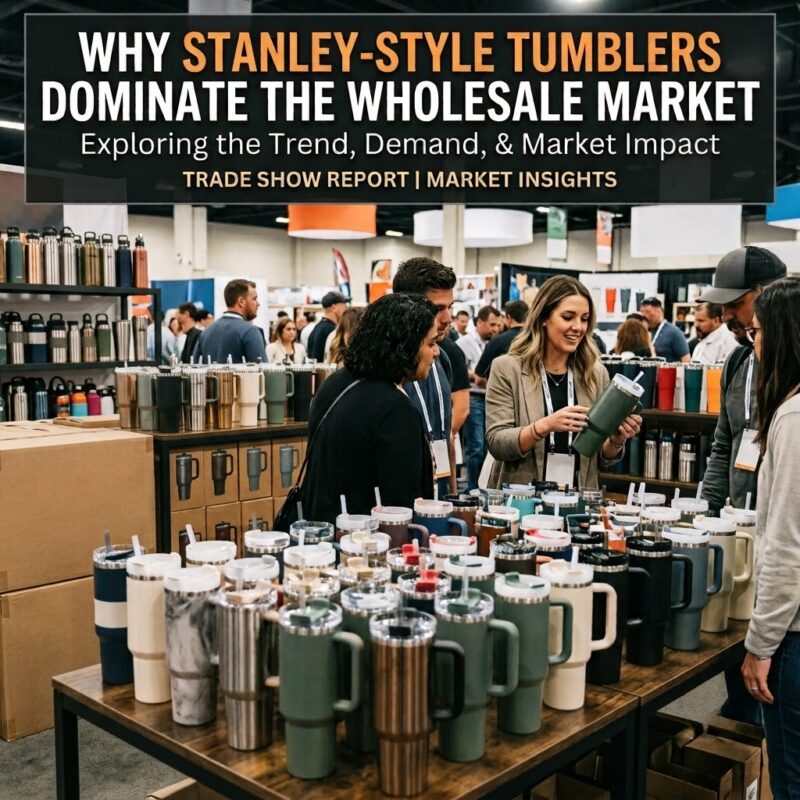
Why Stanley‑Style Tumblers Dominate the Wholesale Market
Stanley‑style tumblers have become a cultural phenomenon and a wholesale bestseller. This article explores why – from 18/8 stainless steel and double‑wall vacuum insulation to high perceived value, customization potential, and steady repeat‑order demand. Learn what makes these tumblers a reliable, profitable category for wholesale buyers.
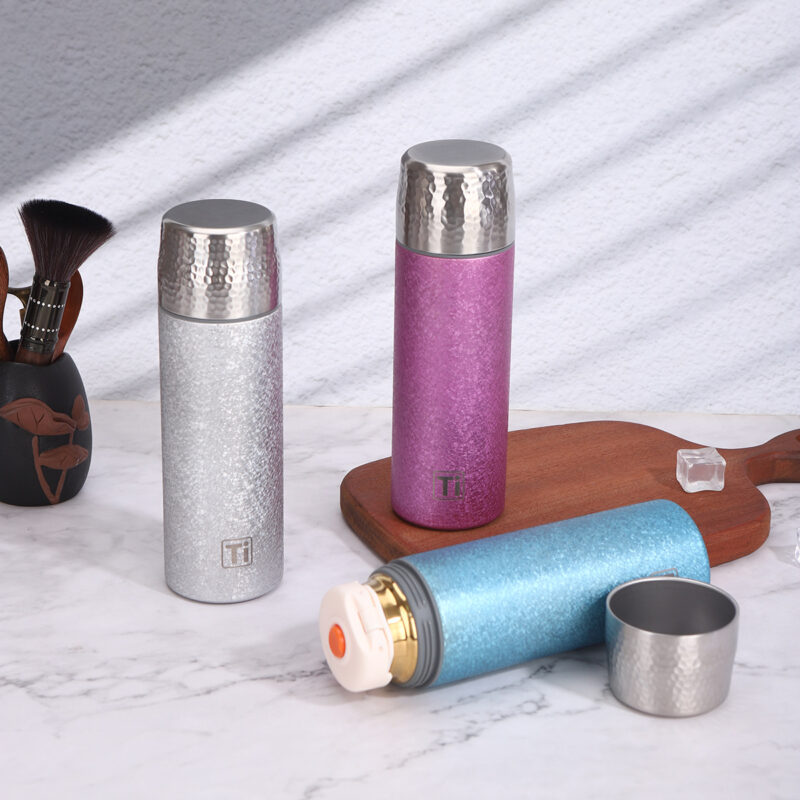
Are Titanium Water Bottles Safe?
Titanium is safe. It’s also expensive. Here’s how it stacks up against stainless steel and aluminum – and which material actually makes sense for your brand.
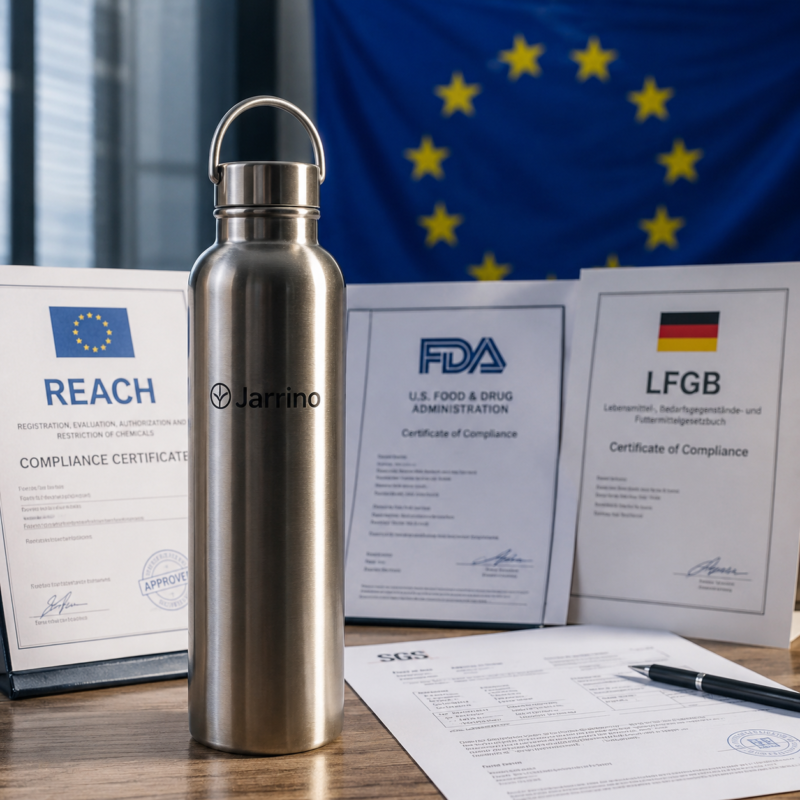
EU Microplastics Regulation 2026: What Every Custom Water Bottle Manufacturer Should Know
Learn how the EU Microplastics Regulation (EU) 2026/1168 impacts custom water bottle manufacturers and private label drinkware brands. Discover how Jarrino helps importers stay REACH compliant with durable stainless steel water bottles.
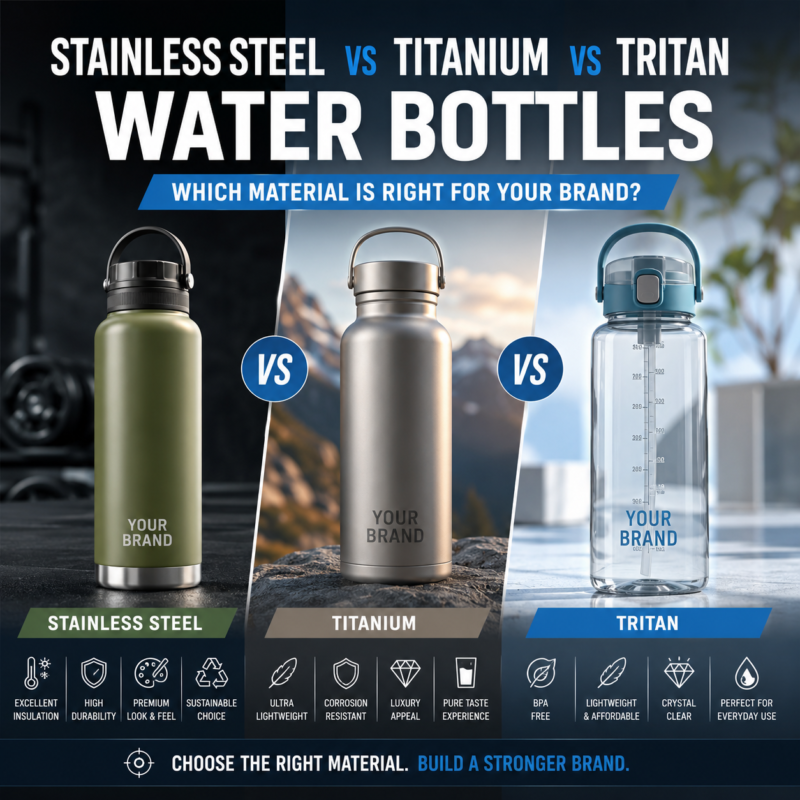
Stainless Steel vs Titanium vs Tritan Water Bottles: Which Material Is Right for Your Brand?
Choosing the right water bottle material can significantly impact your product quality, pricing, and brand positioning. This guide compares stainless steel, titanium, and Tritan water bottles across durability, insulation, cost, customization, and sustainability to help brands, retailers, and OEM buyers select the best material for their target market.
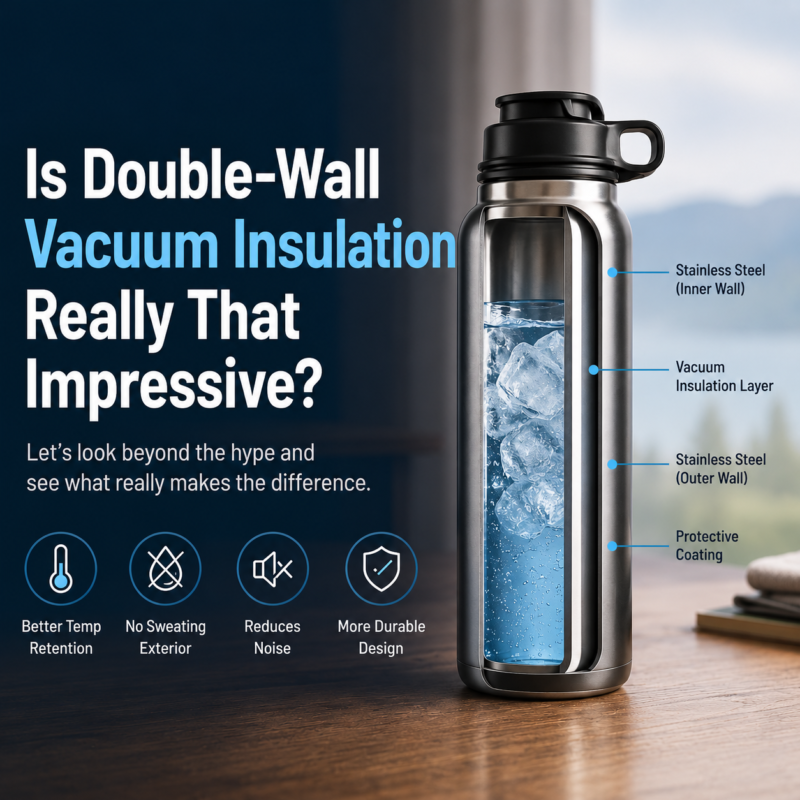
Is Double‑Wall Vacuum Insulation Really That Impressive?
Double‑wall vacuum insulation is standard in premium drinkware, but the difference between a bottle that performs and one that disappoints comes down to manufacturing quality. This guide explains how vacuum insulation works, sets realistic performance expectations, and gives B2B buyers a practical checklist for evaluating suppliers. Plus, why Jarrino’s strict quality standards ensure your custom bottles deliver on their promises.
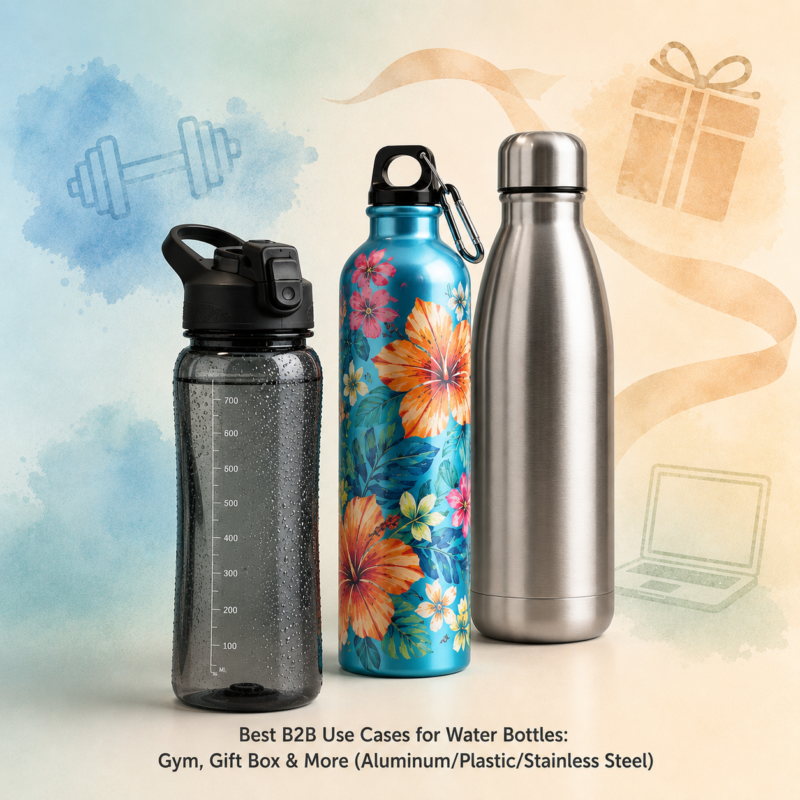
Best B2B Use Cases for Water Bottles: Gym, Gift Box & More (Aluminum/Plastic/Steel)
Not every water bottle fits every B2B use case. This article matches three materials — stainless steel, aluminum, plastic — to real‑world applications: gyms, corporate gift boxes, trade shows, outdoor retail, and school programs. Stainless steel wins on durability and insulation. Aluminum offers lightweight, full‑color branding. Plastic is budget‑friendly for high‑volume events (provided it’s BPA‑free). A quick cheat sheet helps B2B buyers balance cost, brand image, and user expectations.