
Custom Sports Water Bottle Logo Guide for Brands
How to Choose the Right Logo Printing Method for Sports Bottles
For sports brands, a water bottle is more than a hydration product. It is also a mobile branding tool that customers carry to gyms, outdoor activities, competitions, offices, and everyday life.
However, putting a logo on a sports water bottle is not simply a matter of choosing a printing machine. The right logo customization method depends on the bottle material, surface shape, expected durability, design complexity, production quantity, and target price.
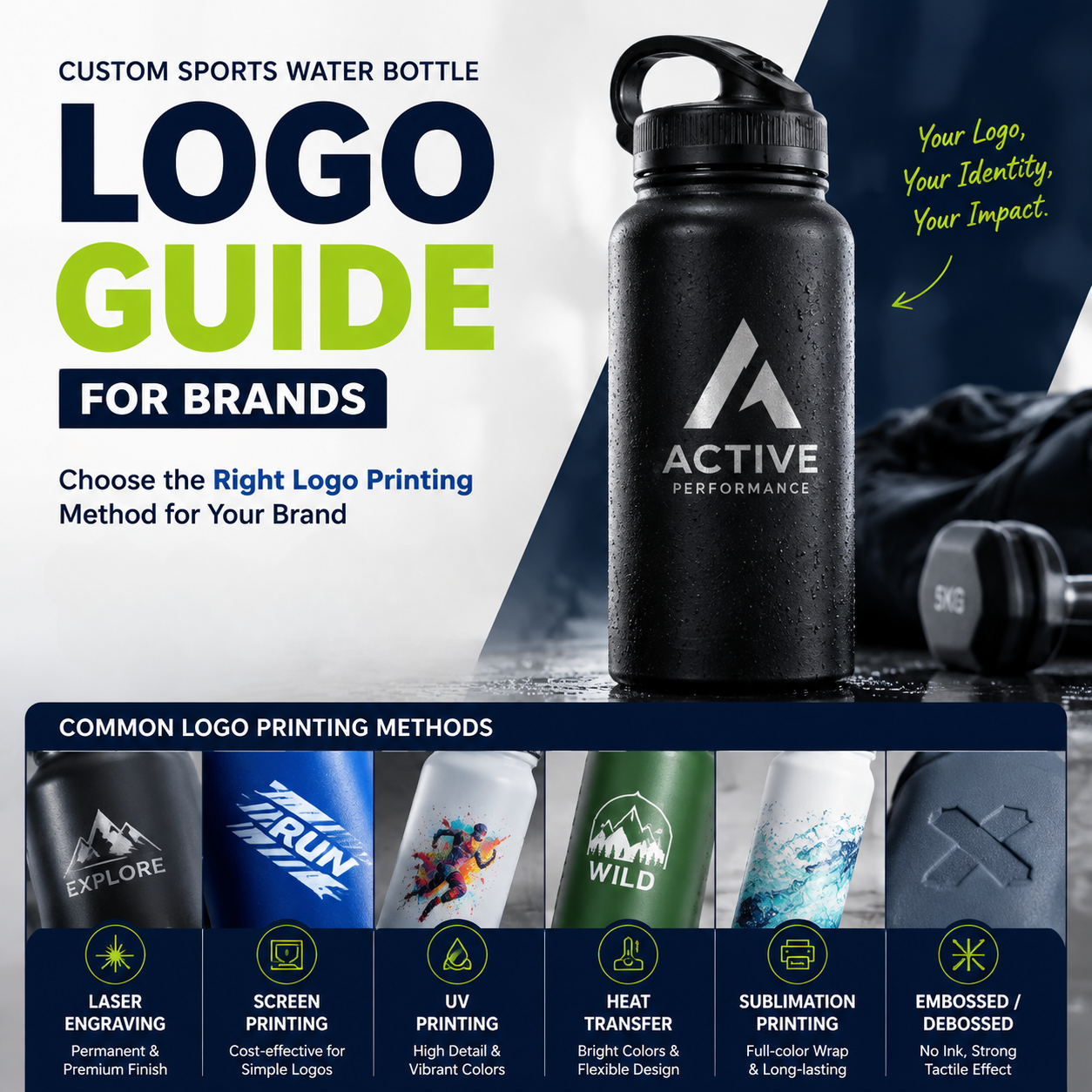
Common logo customization methods for sports water bottles include laser engraving, screen printing, UV printing, heat transfer, sublimation, and embossed or debossed branding. Each method creates a different appearance and offers different levels of durability.
This guide explains the most common sports water bottle logo printing methods and helps brands choose the right option for their products.
There is no single best logo printing method for every sports bottle.
What Is the Best Logo Method for a Sports Water Bottle?
The most suitable method depends on the product.
Laser engraving is often suitable for premium stainless steel bottles where long-lasting branding is important.
Screen printing is a cost-effective option for simple logos and larger production quantities.
UV printing works well for detailed, multicolor graphics and smaller production runs.
Heat transfer printing can be useful for colorful graphics on suitable bottle surfaces.
Sublimation printing is commonly used when brands need full-color designs on compatible coated surfaces, particularly certain aluminum bottles.
For a sports brand, the best logo method should balance appearance, durability, production cost, and brand positioning.
1. Laser Engraving
Laser engraving removes or changes the surface layer of the bottle to create a permanent logo.
It is particularly popular for stainless steel sports bottles and premium insulated drinkware.
Advantages
- Highly durable
- Premium appearance
- Resistant to peeling
- Suitable for simple logos
- Works well with stainless steel
- Excellent for long-term branding
Laser engraving can create a clean, understated appearance that works especially well for premium outdoor and fitness brands.
For example, a matte black stainless steel bottle with a laser-engraved metal logo can create a minimalist premium look.
Best for:
- Premium sports brands
- Outdoor brands
- Stainless steel bottles
- Minimalist logos
- Long-term branding
Consideration
Laser engraving is not always the best choice for complex full-color artwork. It is generally more suitable for logos, text, line art, and simple graphics.
2. Screen Printing
Screen printing is one of the most widely used logo printing methods for promotional and sports bottles.
Ink is transferred through a screen onto the bottle surface.
It works particularly well for simple logos with solid colors.
Advantages
- Cost-effective
- Suitable for larger quantities
- Strong visual impact
- Good for simple logos
- Available in multiple colors
Screen printing is often an efficient solution when a brand needs a recognizable logo without the higher cost associated with more complex printing methods.
Best for:
- Team bottles
- Sports events
- Promotional campaigns
- Large production quantities
- Simple brand logos
Consideration
Screen printing is generally less suitable for highly detailed photographic graphics or complex gradients.
Brands should also consider the expected washing and usage conditions when selecting the ink and finishing process.
3. UV Printing
UV printing uses ultraviolet light to cure ink directly on the product surface.
It allows manufacturers to print detailed graphics and multiple colors.
For sports brands with more complex visual identities, UV printing can provide greater design flexibility than traditional single-color printing.
Advantages
- Full-color printing
- High graphic detail
- Suitable for complex artwork
- Supports gradients and illustrations
- Flexible branding options
Best for:
- Detailed logos
- Multicolor graphics
- Illustrations
- Limited-edition designs
- Lifestyle sports products
UV printing can be particularly useful when the logo includes multiple colors or visual elements that are difficult to reproduce through simple screen printing.
4. Heat Transfer Printing
Heat transfer printing uses heat and pressure to transfer a printed design onto a suitable bottle surface.
It can create colorful and visually prominent graphics.
This method is commonly considered when the design requires more detail than traditional screen printing can provide.
Advantages
- Suitable for colorful designs
- Good graphic detail
- Flexible artwork
- Can cover larger areas
Best for:
- Sports graphics
- Team designs
- Promotional bottles
- Colorful branding
The exact performance depends on the bottle surface, transfer material, and production process, so brands should approve a physical sample before mass production.
5. Sublimation Printing
Sublimation is commonly used for full-color designs on specially coated products.
Instead of simply placing a layer of ink on the surface, the dye is transferred into a compatible coating through heat.
This allows manufacturers to create highly detailed and colorful designs.
Advantages
- Full-color graphics
- High design flexibility
- Suitable for large graphic areas
- Good for customized patterns
Best for:
- Sports team designs
- Full-wrap artwork
- Colorful patterns
- Limited-edition collections
One important consideration is material compatibility.
Sublimation is not universally suitable for every stainless steel or plastic bottle. The bottle or its surface coating must be designed for the sublimation process.
6. Embossed and Debossed Logos
Not every custom logo needs to be printed.
Embossing raises the logo above the surface, while debossing creates a recessed logo.
These techniques can create a more integrated and premium appearance.
Advantages
- No conventional ink layer
- Strong tactile effect
- Premium appearance
- Suitable for minimalist branding
They are especially attractive for brands that want the bottle itself to carry the logo rather than relying on a printed graphic.
Best for:
- Premium sports brands
- Minimalist designs
- Silicone accessories
- Certain plastic or metal components
The feasibility depends on the bottle structure and manufacturing method.
Logo Printing Method Comparison
| Logo Method | Best For | Color Detail | Durability | Typical Positioning |
|---|---|---|---|---|
| Laser Engraving | Stainless steel | Low–Medium | Excellent | Premium |
| Screen Printing | Simple logos | Low–Medium | Good | Cost-effective |
| UV Printing | Detailed logos | High | Good | Flexible |
| Heat Transfer | Colorful graphics | High | Good | Sports / Promotional |
| Sublimation | Full-wrap designs | Very High | Good | Graphic-focused |
| Emboss/Deboss | Minimalist logos | None | Excellent | Premium |
The actual performance and cost depend on the bottle material, surface treatment, artwork, production quantity, and manufacturing process.
How Does Bottle Material Affect Logo Printing?
Choosing a logo method starts with understanding the bottle material.
Stainless Steel
Stainless steel is highly versatile for branding.
Common options include:
- Laser engraving
- Screen printing
- UV printing
- Embossing or debossing in suitable structures
For premium insulated sports bottles, laser engraving and durable surface printing are common choices.
Tritan™
Tritan™ bottles are popular for lightweight sports and fitness applications.
Depending on the bottle surface and finish, manufacturers may use:
- Screen printing
- UV printing
- Heat transfer
- Other compatible decoration processes
Because plastic surfaces behave differently from metal, brands should evaluate adhesion and wash durability through samples.
How Should Sports Brands Choose a Logo Printing Method?
A practical way to choose is to evaluate five factors.
1. Bottle Material
Start by identifying whether the bottle is stainless steel, Tritan, aluminum, or another material.
Not every decoration method works equally well on every surface.
2. Logo Complexity
A simple one-color logo may work well with screen printing or laser engraving.
A detailed multicolor graphic may require UV, heat transfer, or a compatible sublimation process.
3. Expected Durability
If the bottle will be used frequently in gyms, outdoor environments, or sports activities, durability should be a major consideration.
4. Production Quantity
Production volume can influence the most economical printing method.
A method that makes sense for 10,000 bottles may not be the most efficient choice for a small test order.
5. Brand Positioning
A premium outdoor brand may prefer a subtle laser-engraved logo, while a sports event may need a colorful, highly visible graphic.
The logo method should support the overall product strategy.
What Should Brands Check Before Mass Production?
Before approving a large production order, brands should request and evaluate a physical sample.
Check:
- Logo size
- Logo position
- Color accuracy
- Edge quality
- Surface adhesion
- Scratch resistance
- Washing performance
- Overall appearance
A digital rendering cannot always show how a logo will look on a curved bottle or textured coating.
A production sample provides a much more reliable reference.
Common Logo Customization Mistakes
Choosing a Method Based Only on Price
The cheapest printing method may not deliver the appearance or durability a sports brand needs.
Ignoring the Bottle Surface
A logo that looks excellent on stainless steel may perform differently on plastic or coated surfaces.
Using Artwork That Is Too Complex
Small details may disappear when a logo is printed at a small size.
Skipping Physical Samples
Always approve the actual product and logo application before mass production.
Forgetting the Full Product Experience
The logo should work with the bottle color, lid, silicone accessories, packaging, and overall brand identity.
How Jarrino Supports Custom Sports Water Bottle Branding
For sports brands, logo customization is only one part of developing a successful bottle.
Jarrino supports brands with OEM and ODM drinkware solutions, including product selection, material recommendations, logo customization, packaging, sampling, production, and quality control.
Our team can help brands evaluate different decoration methods based on:
- Bottle material
- Logo design
- Production quantity
- Target market
- Desired appearance
- Durability requirements
Instead of selecting a printing process simply because it is available, brands can evaluate the method as part of the complete product development strategy.
Conclusion: The Right Logo Method Makes a Difference
A sports water bottle is often used in highly visible environments, making logo quality an important part of the product experience.
Laser engraving, screen printing, UV printing, heat transfer, sublimation, and embossed or debossed branding each have different strengths.
The right choice depends on the bottle material, logo design, required durability, production volume, and brand positioning.
For sports brands developing custom water bottles, the best approach is to test the actual logo application on a physical sample before mass production.
With the right decoration method and an experienced OEM manufacturing partner, a simple bottle can become a recognizable and durable extension of your brand.
Planning a custom sports water bottle? Jarrino can help you select the right bottle, material, logo application, and production solution for your brand.
Related Posts
Is Custom Glow-in-the-Dark Drinkware Good for Your Brand?
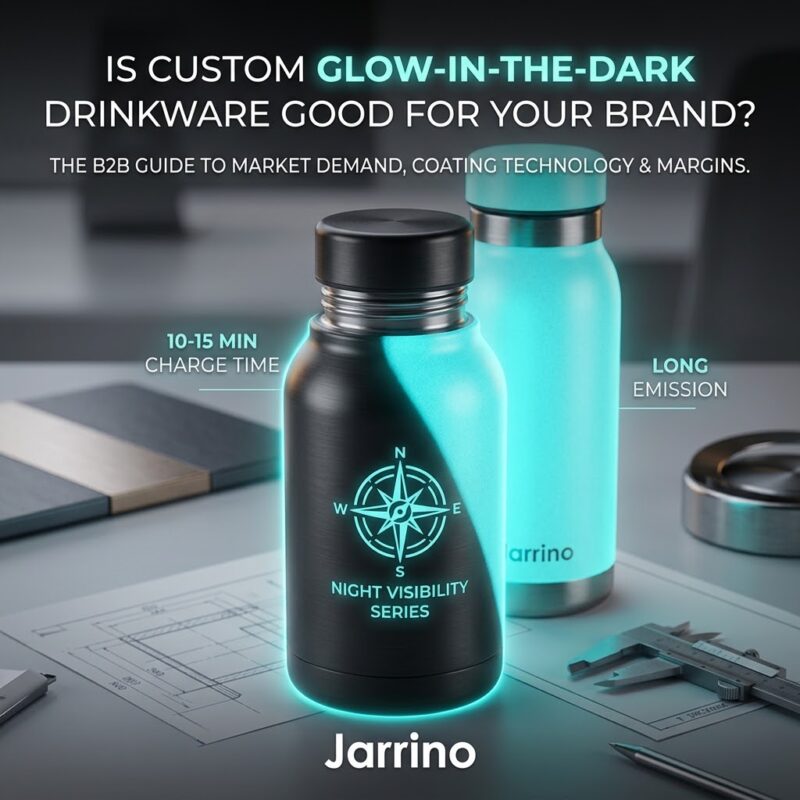
Custom glow-in-the-dark drinkware offers private-label brands a high-margin opportunity in a competitive market. Jarrino provides industrial-grade, food-safe photoluminescent coatings, ensuring durability and compliance while targeting outdoor and youth sectors, driving viral social media appeal and product differentiation.
How to Choose 100% Leak-Proof Stainless Steel Water Bottles for Your Brand?
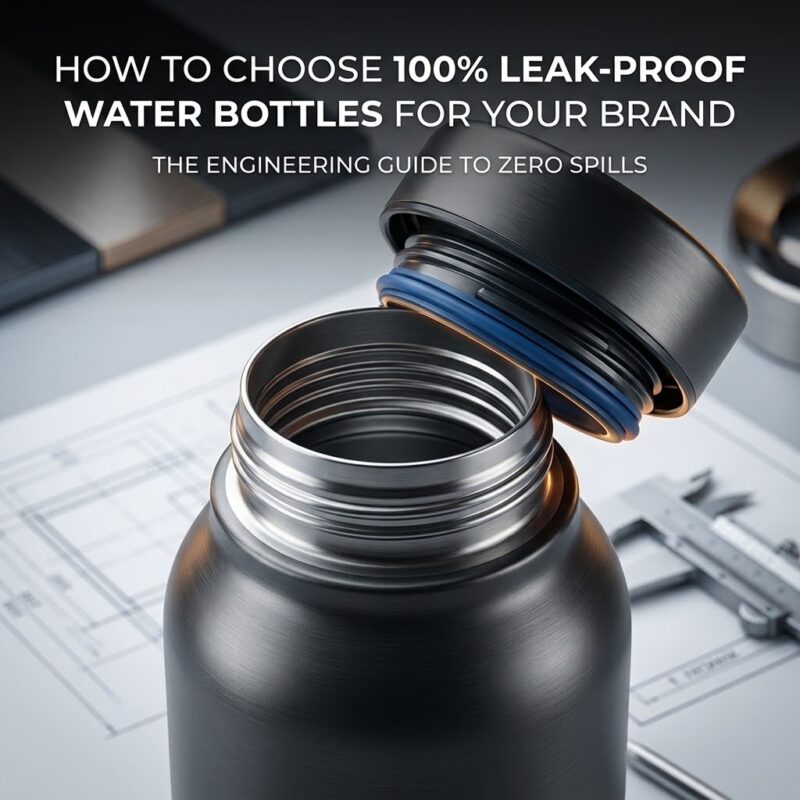
This guide helps drinkware brands select 100% leak-proof stainless steel bottles by analyzing QC testing and lid engineering. Manufacturers like Jarrino use inverted, shaking, and air pressure tests to verify seals. Traditional screw-caps offer absolute leak protection, while locking flip-lids and straw caps require precise silicone gaskets, CNC thread precision, and one-way air valves to prevent spills.
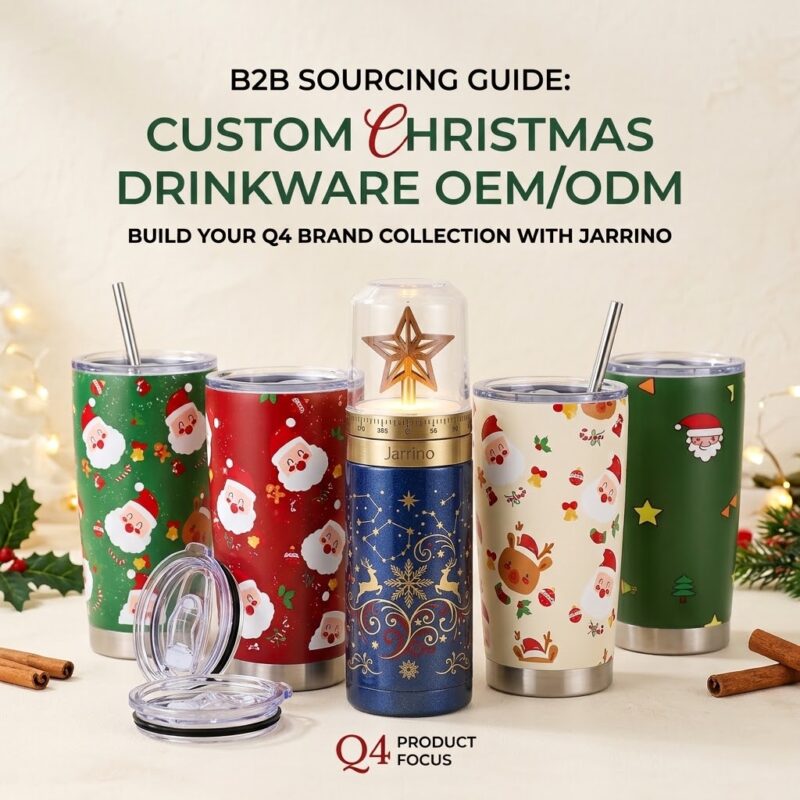
Custom Christmas Drinkware: Complete OEM/ODM Manufacturing Guide
Jarrino is a certified OEM/ODM manufacturer specializing in custom vacuum flasks, ceramic-lined tumblers, and titanium drinkware. Lead times for Q4 custom Christmas orders are 20–30 days with low MOQs (300–1,000 pcs) and full FDA/LFGB compliance. We offer end-to-end customization including 3D digital printing, laser engraving, and bespoke Christmas gift packaging. Sample kits and the quotes are available upon request to help brands lock in Q4 holiday production smoothly.
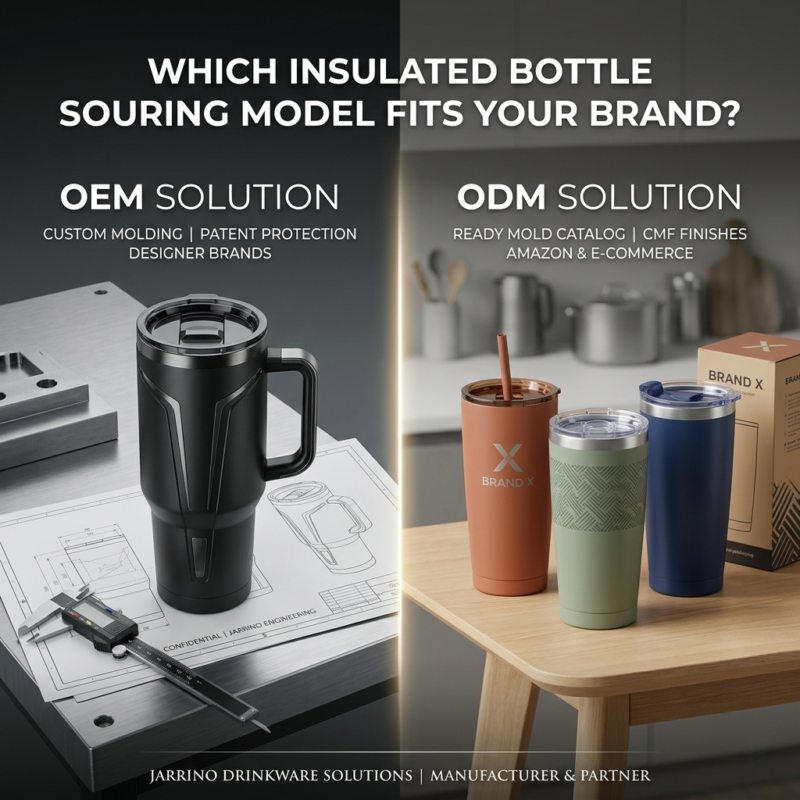
OEM vs. ODM Insulated Tumblers: Which Sourcing Model Fits Your Drinkware Brand
Choosing between OEM (Original Equipment Manufacturing) and ODM (Original Design Manufacturing) defines your drinkware brand’s R&D budget, time-to-market, and product exclusivity. OEM is ideal for established brands with custom CAD designs and unique IP requirements, offering 100% custom molding and patent protection. ODM is built for Amazon sellers, DTC startups, and corporate buyers seeking zero tooling costs, low MOQs, and rapid product launches via advanced CMF finishes (powder coating, UV printing).
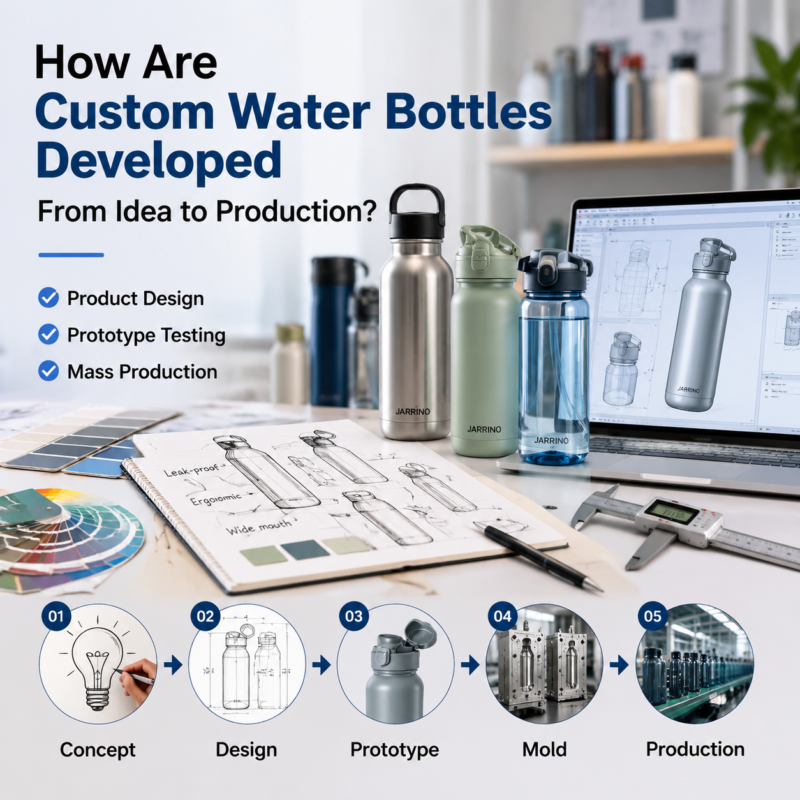
How Are Custom Water Bottles Developed From Idea to Production?
Developing a custom water bottle requires more than choosing a design and adding a logo. From the initial product concept to engineering, prototyping, mold development, testing, and mass production, every stage plays an important role in creating a successful drinkware product. This guide explains how brands work with OEM water bottle manufacturers to transform ideas into high-quality, market-ready products while managing design, cost, and production challenges.
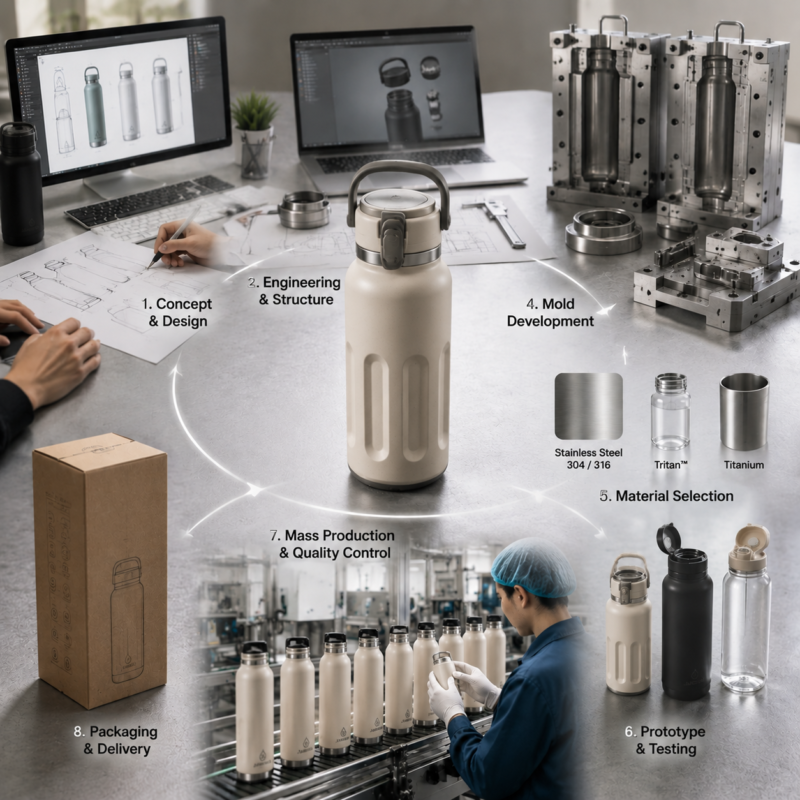
How Are Fully Custom Water Bottles Made?
Developing a fully custom water bottle involves much more than adding a logo to an existing product. This guide explains how brands create unique water bottles through product design, engineering, material selection, mold development, prototype testing, and mass production. Learn how an experienced OEM water bottle manufacturer helps transform an idea into a market-ready product while managing quality, cost, and production efficiency.
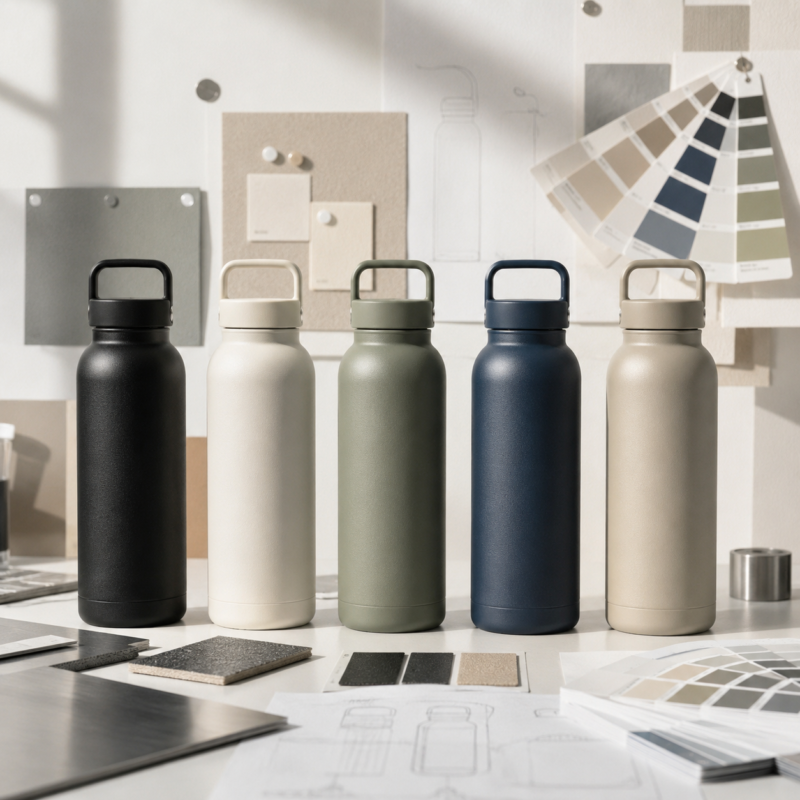
How to Choose Colors and Finishes for Custom Water Bottles
The success of a custom water bottle collection depends on more than attractive colors. Choosing the right color palette, surface finish, and manufacturing strategy helps strengthen brand identity, improve customer appeal, and ensure long-term sales. This guide explains how to select colors based on market preferences, compare matte and glossy finishes, optimize SKUs, and achieve consistent quality through professional OEM production.
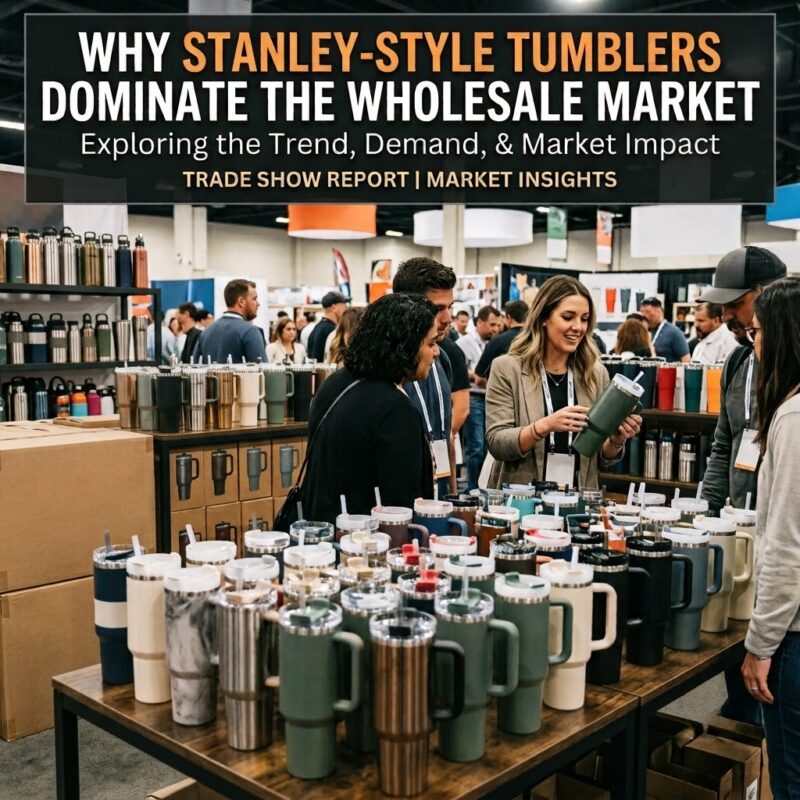
Why Stanley‑Style Tumblers Dominate the Wholesale Market
Stanley‑style tumblers have become a cultural phenomenon and a wholesale bestseller. This article explores why – from 18/8 stainless steel and double‑wall vacuum insulation to high perceived value, customization potential, and steady repeat‑order demand. Learn what makes these tumblers a reliable, profitable category for wholesale buyers.
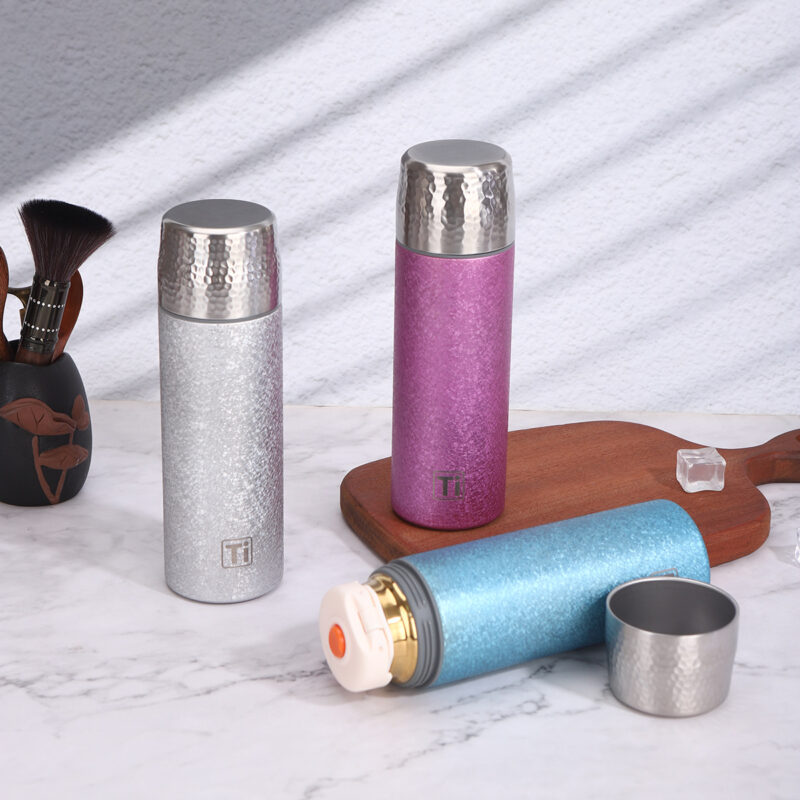
Are Titanium Water Bottles Safe?
Titanium is safe. It’s also expensive. Here’s how it stacks up against stainless steel and aluminum – and which material actually makes sense for your brand.
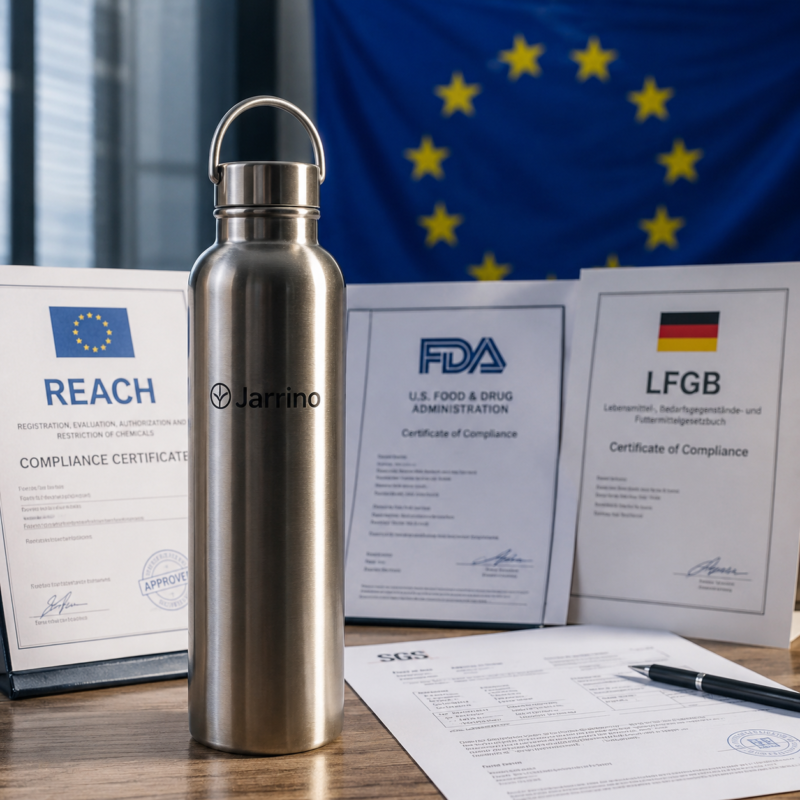
EU Microplastics Regulation 2026: What Every Custom Water Bottle Manufacturer Should Know
Learn how the EU Microplastics Regulation (EU) 2026/1168 impacts custom water bottle manufacturers and private label drinkware brands. Discover how Jarrino helps importers stay REACH compliant with durable stainless steel water bottles.
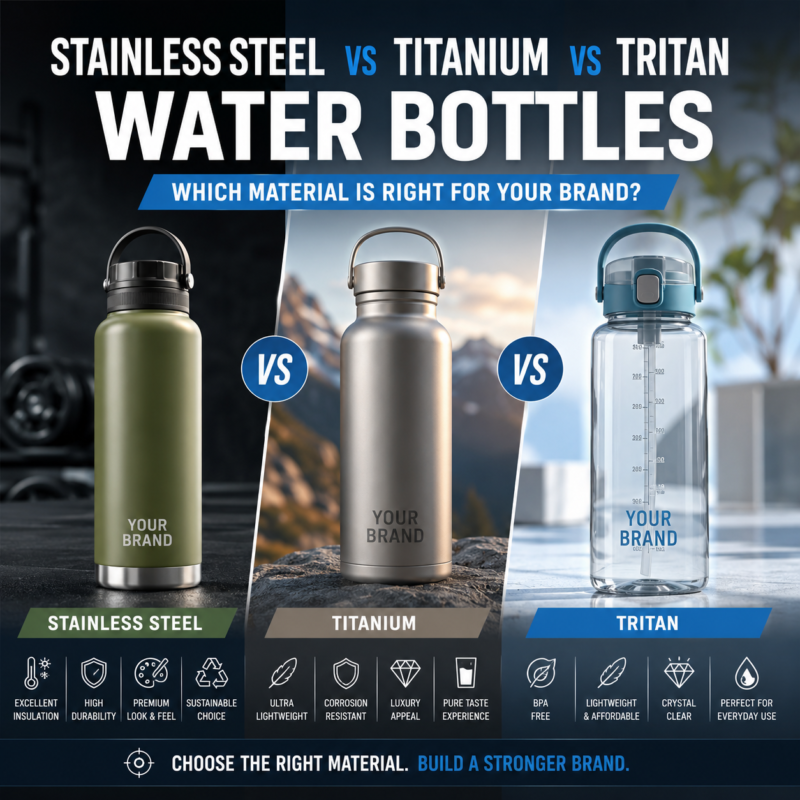
Stainless Steel vs Titanium vs Tritan Water Bottles: Which Material Is Right for Your Brand?
Choosing the right water bottle material can significantly impact your product quality, pricing, and brand positioning. This guide compares stainless steel, titanium, and Tritan water bottles across durability, insulation, cost, customization, and sustainability to help brands, retailers, and OEM buyers select the best material for their target market.
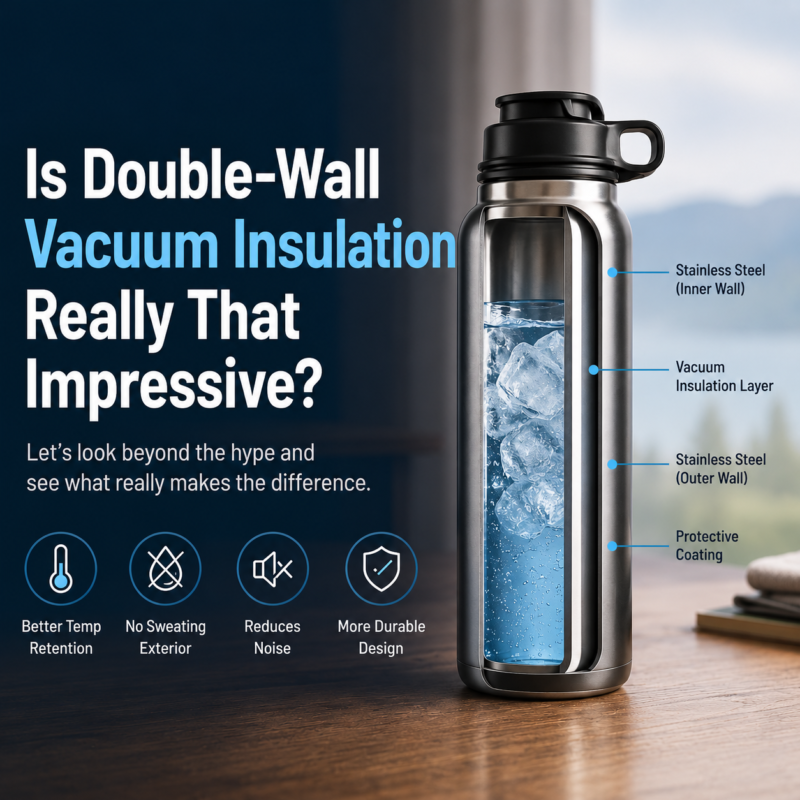
Is Double‑Wall Vacuum Insulation Really That Impressive?
Double‑wall vacuum insulation is standard in premium drinkware, but the difference between a bottle that performs and one that disappoints comes down to manufacturing quality. This guide explains how vacuum insulation works, sets realistic performance expectations, and gives B2B buyers a practical checklist for evaluating suppliers. Plus, why Jarrino’s strict quality standards ensure your custom bottles deliver on their promises.