
What Does a Factory’s MOQ Really Mean?
Table of Contents
If you have sourced custom stainless steel water bottles or wholesale tumblers for any length of time, you have noticed a pattern. The factory with the lowest MOQ rarely passes your quality audit. The B2B drinkware manufacturer that delivers LFGB and FDA documentation without months of chasing almost always quotes a higher minimum.
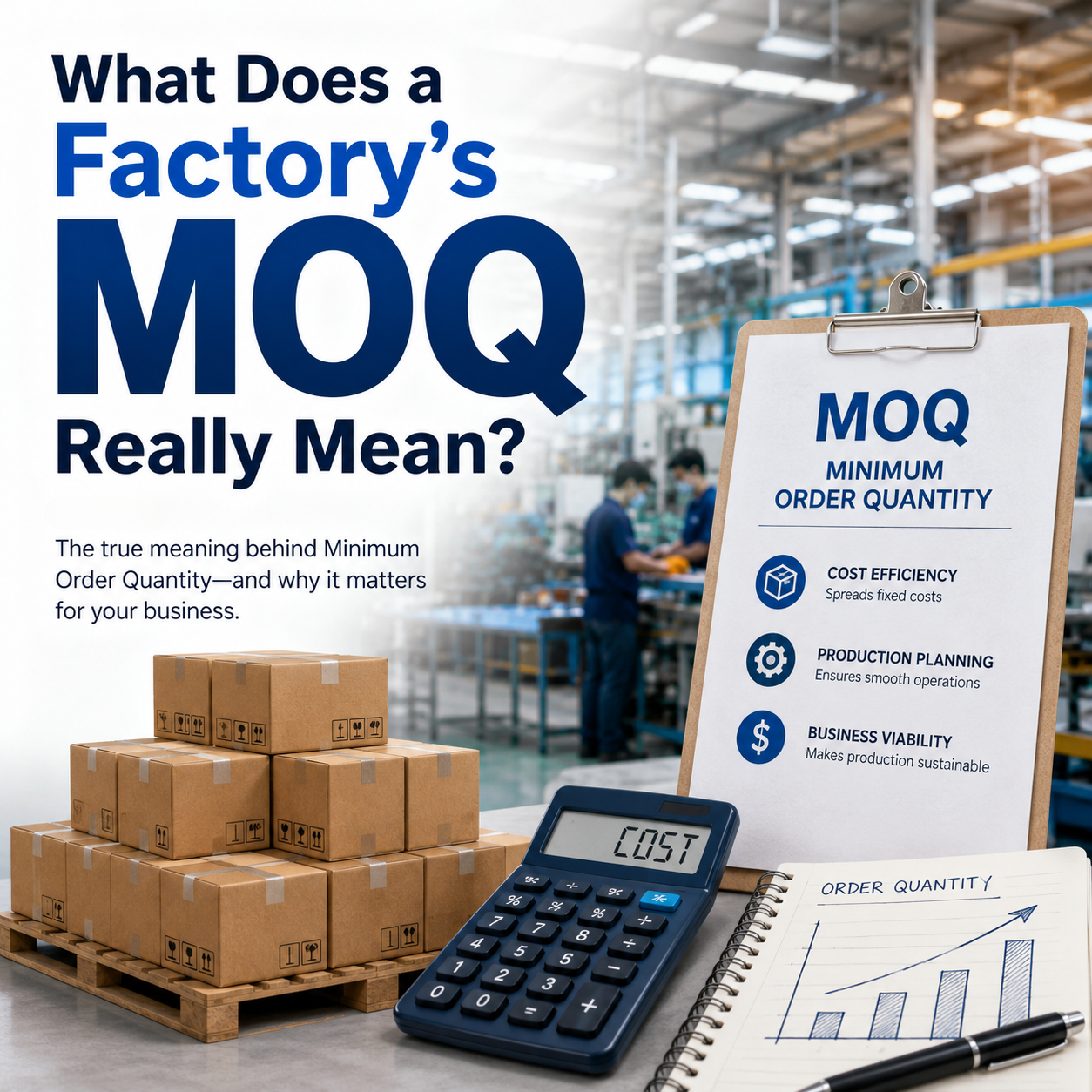
This is not random. MOQ is one of the most revealing signals in the custom drinkware supply chain. Understanding what it reflects — and what it does not — will change how you evaluate OEM water bottle suppliers.
This guide is for buyers past the “what is MOQ” stage. You need a framework to choose between shortlisted stainless steel water bottle manufacturers.
MOQ Is Structural, Not a Negotiation Lever
Most buyers treat MOQ as a starting point for negotiation. In precision‑manufactured vacuum insulated bottles, that misreads how production works.
A high‑volume water bottle manufacturer sets MOQ based on three fixed costs that small factories rarely carry:
1. Production line setup
A double‑wall insulated tumbler goes through 40–60 steps: deep drawing, welding, vacuum sealing, coating, printing. Each setup takes hours. Below a certain volume, per‑unit cost makes the run uneconomical for both sides.
2. Tooling quality
Volume manufacturers use hardened steel, multi‑cavity moulds rated for millions of cycles. That delivers dimensional consistency across a 10,000‑unit run. Small factories use single‑cavity soft moulds. Lower upfront cost, but faster wear and less consistent parts.
3. Quality system overhead
A factory running BSCI, ISO 9001, in‑process SPC, and outbound QC inspection carries a cost per batch. A small factory without those systems does not. That overhead must be spread across enough units.
Bottom line: When a large stainless steel water bottle manufacturer quotes a MOQ, it tells you how their operation is structured. Pushing below it usually hurts quality.
What a High MOQ Actually Signals
Here is what MOQ correlates with across the dimensions that matter to brand buyers.
| Factor | Small / mid factory | Large‑scale manufacturer (e.g. Jarrino) |
|---|---|---|
| MOQ range | 100–500 units | 1,000–2,000+ units |
| Price consistency | Variable, tied to spot prices | Locked tiers, forward contracts on steel |
| Tooling quality | Single‑cavity, short life | Multi‑cavity, millions of cycles |
| Quality repeatability | Batch variation common | SPC‑controlled, Cpk targets |
| Certifications | Often missing or purchased | BSCI, ISO 9001, LFGB, FDA – audited |
| Scale‑up capacity | Constrained, lead time spikes | Dedicated lines, predictable |
| IP ownership | Grey area | Explicit mould ownership in buyer name |
Five Things a High MOQ Reflects
Use this table when presenting a supplier recommendation internally.
| What high MOQ reflects | What it means for your brand |
|---|---|
| Dedicated production lines | Your SKU runs on equipment set for your spec. No cross‑contamination. Batch‑to‑batch consistency. |
| Amortised precision tooling | High‑volume makers invest in multi‑cavity hardened steel moulds. You get better tooling at lower per‑unit cost. |
| Certified supply chain | Approved vendors for 304/316 steel, food‑grade silicone, certified inks. Substitution is an audited non‑conformance. |
| Predictable lead times at scale | A factory producing millions of units has headroom. Your reorder does not push others out. |
| Post‑order support | QC disputes, recertifications, spec changes – large factories have dedicated account management. |
Volume Planning: How to Justify a Higher MOQ
1. Work backward from 12‑month sell‑through
Take your best comparable SKU’s annual volume. Apply 0.6–0.8× for a new product. If it meets MOQ, the first order is justified.
2. Calculate total cost of a lower‑MOQ alternative
- Per‑unit cost on small runs is typically 8–15% higher.
- Three runs = three lead times, three QC sets, three shipments. Operational overhead adds up.
- Colour delta and finish inconsistency are common across small‑factory batches. Returns cost money that never appears in the initial quote.
- If your market requires LFGB or FDA, a small factory without audited reports is not a real option.
3. Use framework agreements
You do not have to take full MOQ delivery at once. Established OEM drinkware suppliers like Jarrino offer phased shipments across 2–3 windows. Total volume meets MOQ; cash flow stays manageable.
Volume Tiers and What They Unloc
| Volume | Status | Price movement | Lead time |
|---|---|---|---|
| At MOQ | Viable run | Full cost | Standard |
| 2× MOQ | Preferred run size | ~5–8% lower | Predictable |
| 5× MOQ | Dedicated line allocation | Meaningful discount | Priority |
| 10× MOQ + | Strategic partnership | Best pricing | Co‑investment in tooling |
The jump to 2× MOQ is where most brands find the biggest commercial gain.
How Jarrino Approaches MOQ
Jarrino is a China‑based stainless steel water bottle manufacturer serving B2B buyers in North America, Europe, Australia, and the Middle East. Our infrastructure – precision tooling, in‑house colour lab, SPC‑controlled lines, and full certifications (LFGB, FDA, BSCI, ISO 9001) – is built for the volumes mid‑to‑large brands need to grow.
Our MOQs reflect that infrastructure. They are not a barrier. They indicate the production environment your product will be made in.
Typical conversations cover:
- Annual volume projection – not just first order
- Customisation scope (stock branding / ODM / full OEM)
- Target markets and compliance – so certifications are built in from day one
- Phased delivery if total volume is right but single shipment strains cash flow
If your volumes are in the right range and you need a reliable drinkware supplier with the quality infrastructure to grow with you, a direct conversation is the most useful next step.
FAQs
Does MOQ differ by product?
Yes. A simple tumbler has fewer steps than a travel mug with a locking mechanism or a food jar. Higher complexity = higher setup cost = higher MOQ.
Is MOQ the same for stock branding vs. full OEM?
No. Adding a logo to an existing Jarrino catalogue product involves no tooling cost – lower MOQ. Full OEM with a new shape requires mould design and validation – higher volume to amortise.
Can MOQ be split across multiple colours?
Generally yes, but each colour needs its own setup and first‑article inspection. Worth discussing in your initial brief.
What if our volume grows significantly in year two?
We welcome that conversation upfront. We can structure tooling, capacity, and pricing to reflect the total relationship, not just the first order.
Get a Specific MOQ and Pricing for Your Project
Share your product category, approximate annual volume, and target markets. We will reply with the applicable MOQ, production path, and indicative pricing – typically within 24 hours.
➡️ Contact Jarrino
📧 [email protected]
🌐 jarrino.com
Related Posts
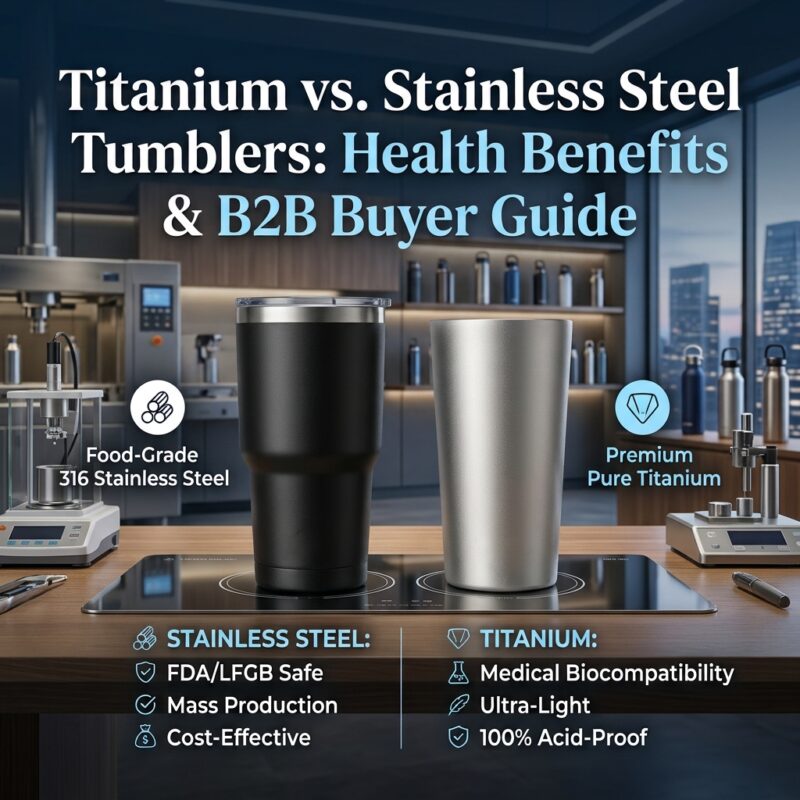
Stainless Steel vs. Titanium Tumblers: Which is Healthier?
Pure Titanium is the ultimate biocompatible material for drinkware, featuring a natural Titanium Dioxide passivation layer that ensures zero heavy-metal leaching, zero flavor transfer, and 100% resistance to acidic beverages like coffee and juice. It is 45% lighter than steel, making it ideal for ultra-premium outdoor gear, wellness brands, and luxury corporate gifts. However, FDA/LFGB-certified 304 and 316 Stainless Steel remain the global benchmark for mass-market B2B production.
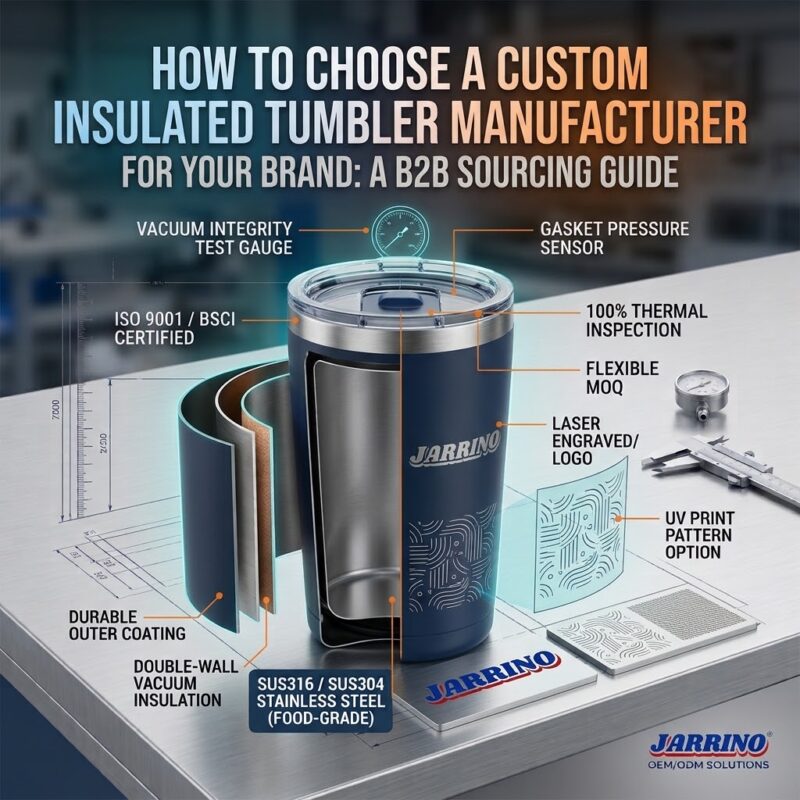
How to Choose a Custom Insulated Tumbler Manufacturer for Your Brand
Discover how to choose the right custom insulated tumbler manufacturer for your brand. Learn about OEM and ODM services, stainless steel materials, private label customization, MOQ, wholesale pricing, quality control, and food-contact compliance. This guide helps B2B buyers, wholesalers, and drinkware brands evaluate suppliers and source custom insulated tumblers with confidence.
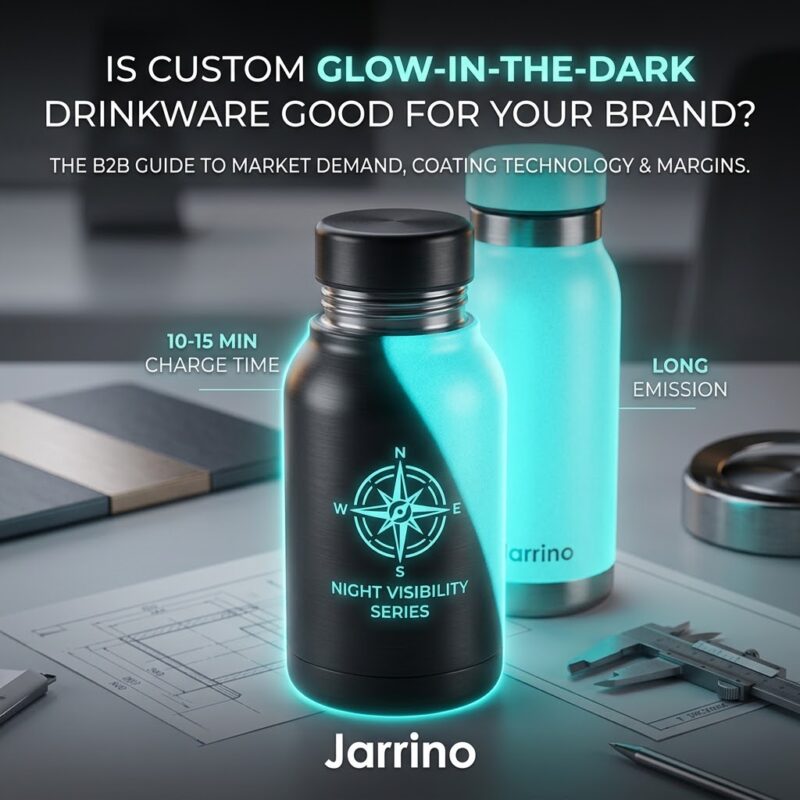
Is Custom Glow-in-the-Dark Drinkware Good for Your Brand?
Custom glow-in-the-dark drinkware offers private-label brands a high-margin opportunity in a competitive market. Jarrino provides industrial-grade, food-safe photoluminescent coatings, ensuring durability and compliance while targeting outdoor and youth sectors, driving viral social media appeal and product differentiation.
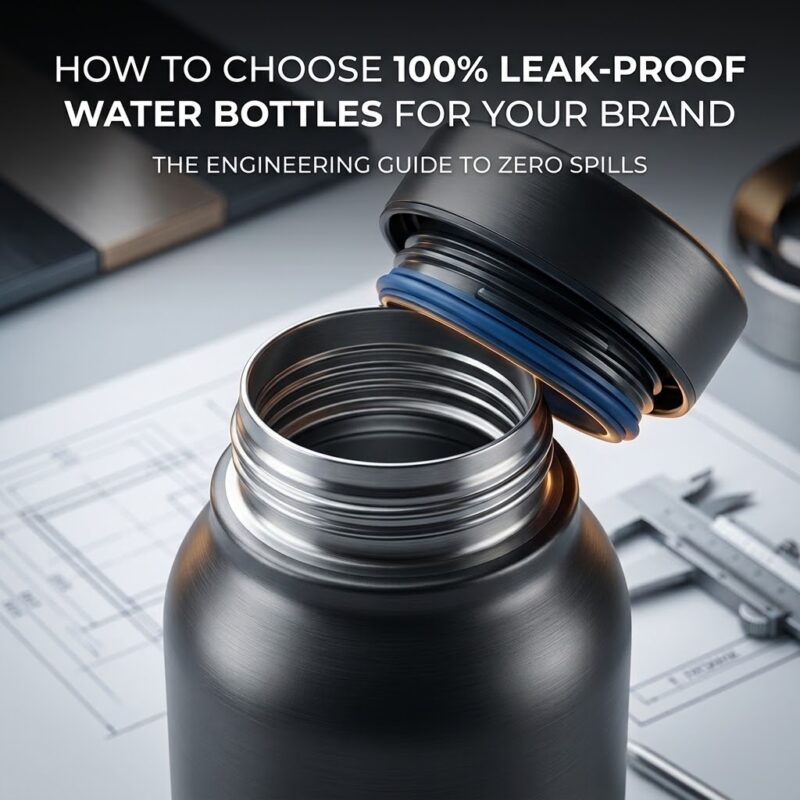
How to Choose 100% Leak-Proof Stainless Steel Water Bottles for Your Brand?
This guide helps drinkware brands select 100% leak-proof stainless steel bottles by analyzing QC testing and lid engineering. Manufacturers like Jarrino use inverted, shaking, and air pressure tests to verify seals. Traditional screw-caps offer absolute leak protection, while locking flip-lids and straw caps require precise silicone gaskets, CNC thread precision, and one-way air valves to prevent spills.
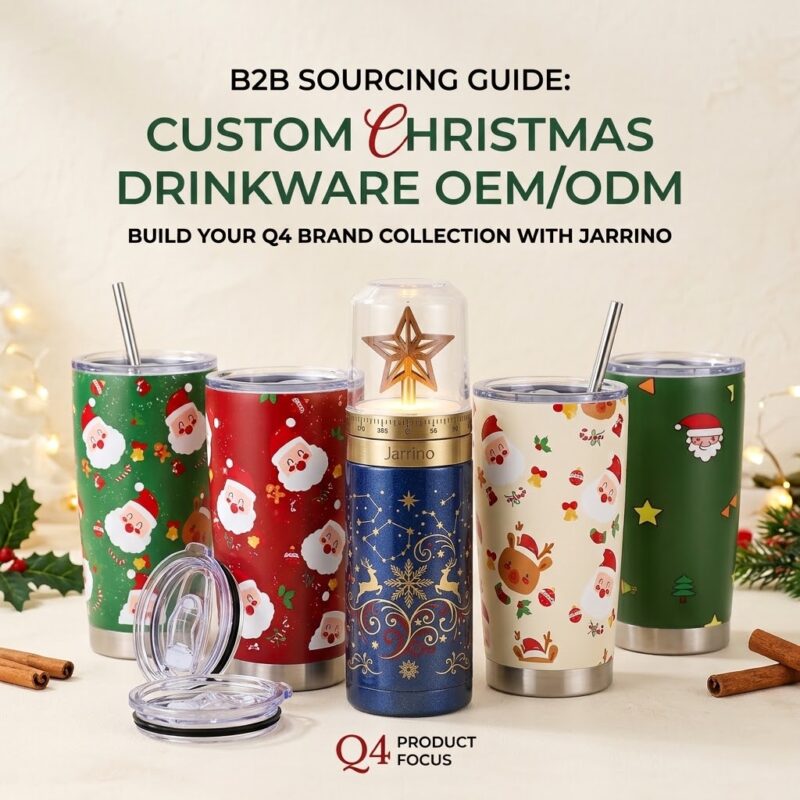
Custom Christmas Drinkware: Complete OEM/ODM Manufacturing Guide
Jarrino is a certified OEM/ODM manufacturer specializing in custom vacuum flasks, ceramic-lined tumblers, and titanium drinkware. Lead times for Q4 custom Christmas orders are 20–30 days with low MOQs (300–1,000 pcs) and full FDA/LFGB compliance. We offer end-to-end customization including 3D digital printing, laser engraving, and bespoke Christmas gift packaging. Sample kits and the quotes are available upon request to help brands lock in Q4 holiday production smoothly.
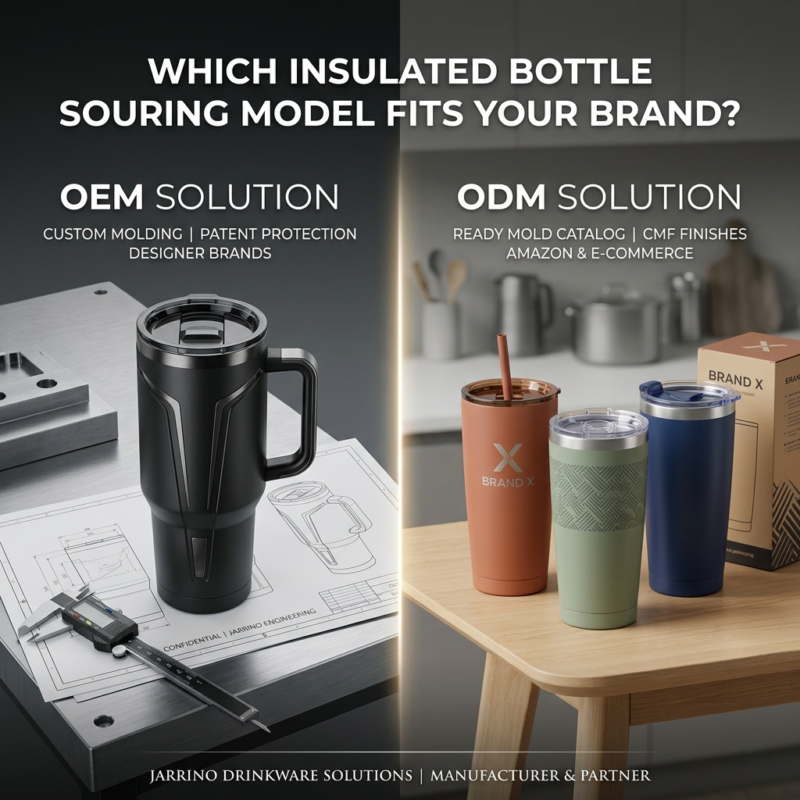
OEM vs. ODM Insulated Tumblers: Which Sourcing Model Fits Your Drinkware Brand
Choosing between OEM (Original Equipment Manufacturing) and ODM (Original Design Manufacturing) defines your drinkware brand’s R&D budget, time-to-market, and product exclusivity. OEM is ideal for established brands with custom CAD designs and unique IP requirements, offering 100% custom molding and patent protection. ODM is built for Amazon sellers, DTC startups, and corporate buyers seeking zero tooling costs, low MOQs, and rapid product launches via advanced CMF finishes (powder coating, UV printing).
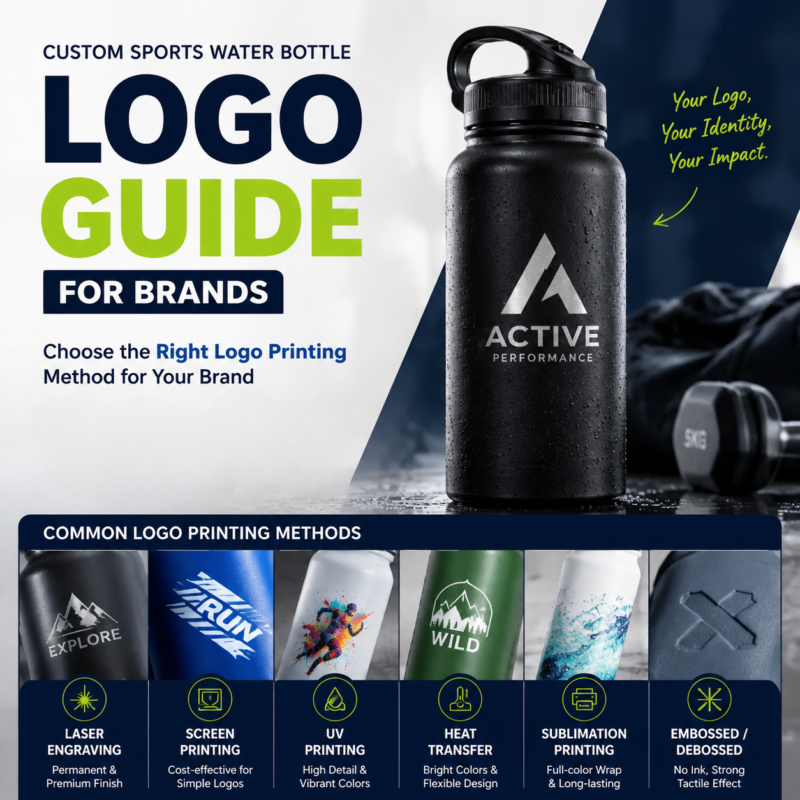
Custom Sports Water Bottle Logo Guide for Brands
Custom sports water bottle logos are created through different decoration processes depending on the bottle material, brand design, and performance requirements. This guide covers the most common logo printing methods, including laser engraving, screen printing, UV printing, heat transfer, and sublimation, helping sports brands select the right customization option for durable and professional drinkware products.
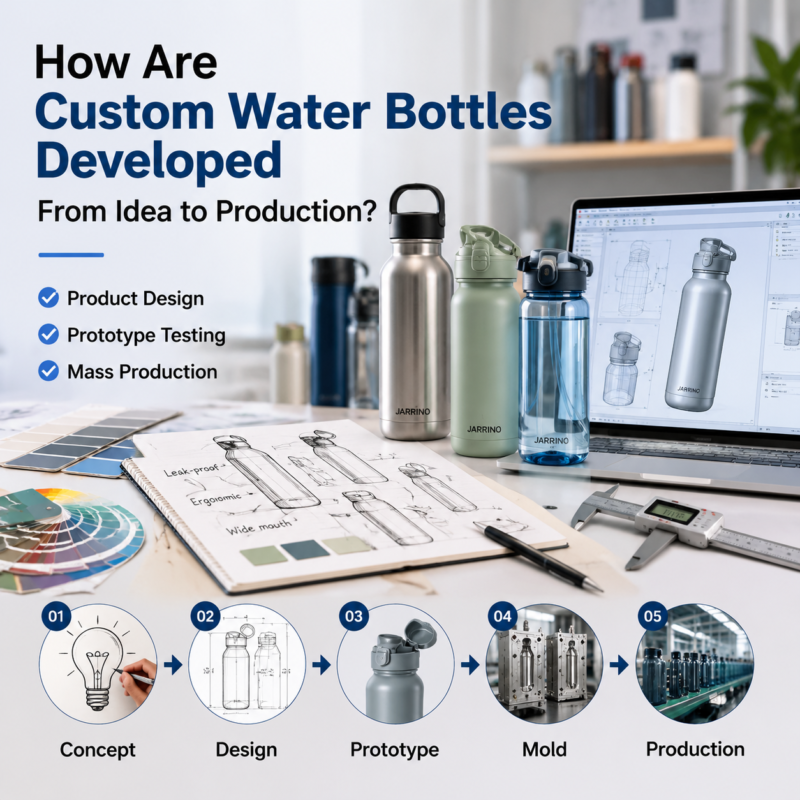
How Are Custom Water Bottles Developed From Idea to Production?
Developing a custom water bottle requires more than choosing a design and adding a logo. From the initial product concept to engineering, prototyping, mold development, testing, and mass production, every stage plays an important role in creating a successful drinkware product. This guide explains how brands work with OEM water bottle manufacturers to transform ideas into high-quality, market-ready products while managing design, cost, and production challenges.
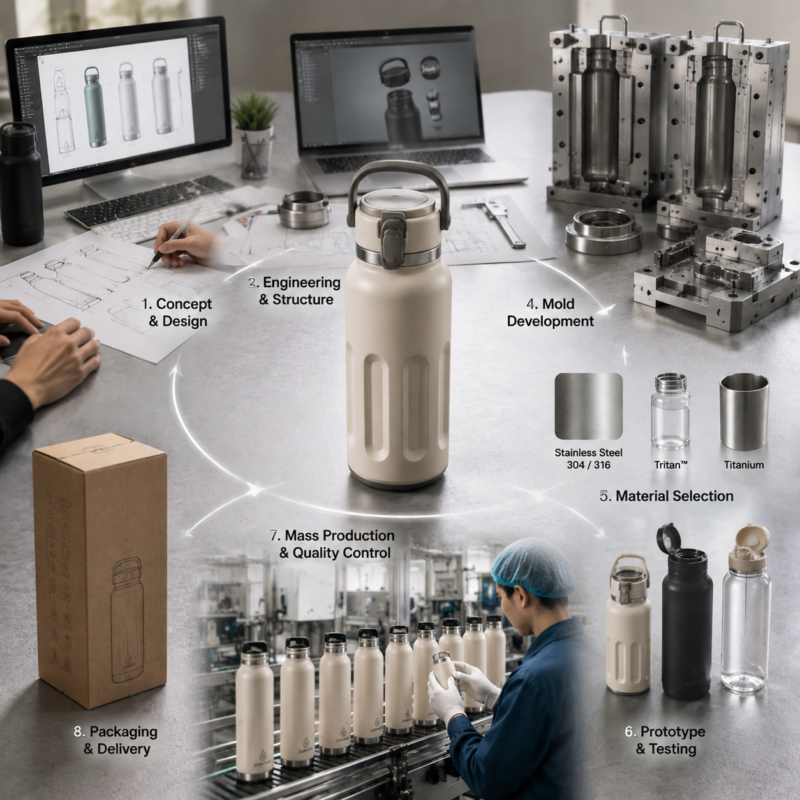
How Are Fully Custom Water Bottles Made?
Developing a fully custom water bottle involves much more than adding a logo to an existing product. This guide explains how brands create unique water bottles through product design, engineering, material selection, mold development, prototype testing, and mass production. Learn how an experienced OEM water bottle manufacturer helps transform an idea into a market-ready product while managing quality, cost, and production efficiency.
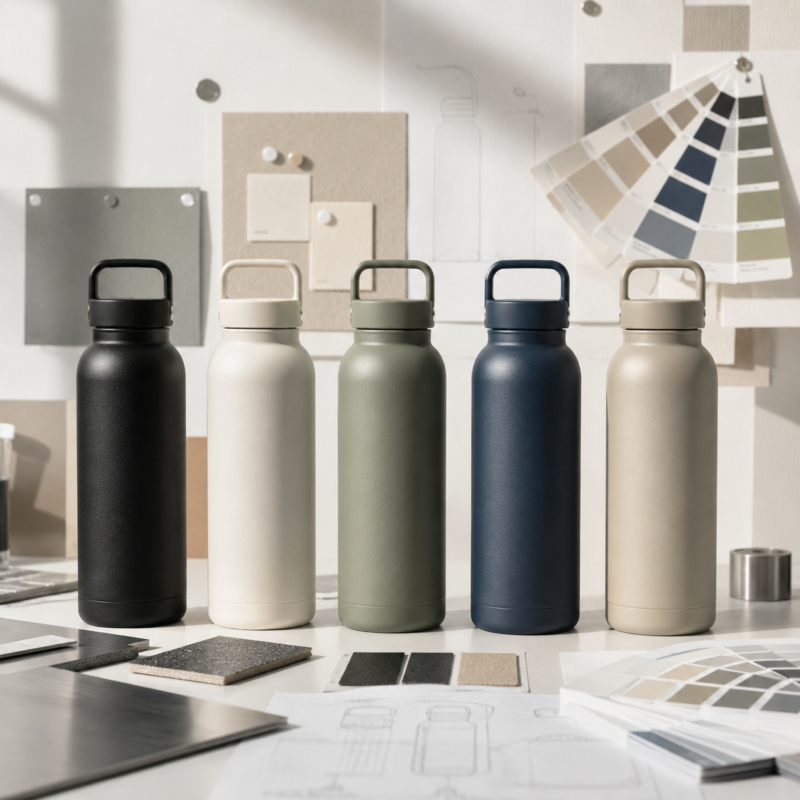
How to Choose Colors and Finishes for Custom Water Bottles
The success of a custom water bottle collection depends on more than attractive colors. Choosing the right color palette, surface finish, and manufacturing strategy helps strengthen brand identity, improve customer appeal, and ensure long-term sales. This guide explains how to select colors based on market preferences, compare matte and glossy finishes, optimize SKUs, and achieve consistent quality through professional OEM production.
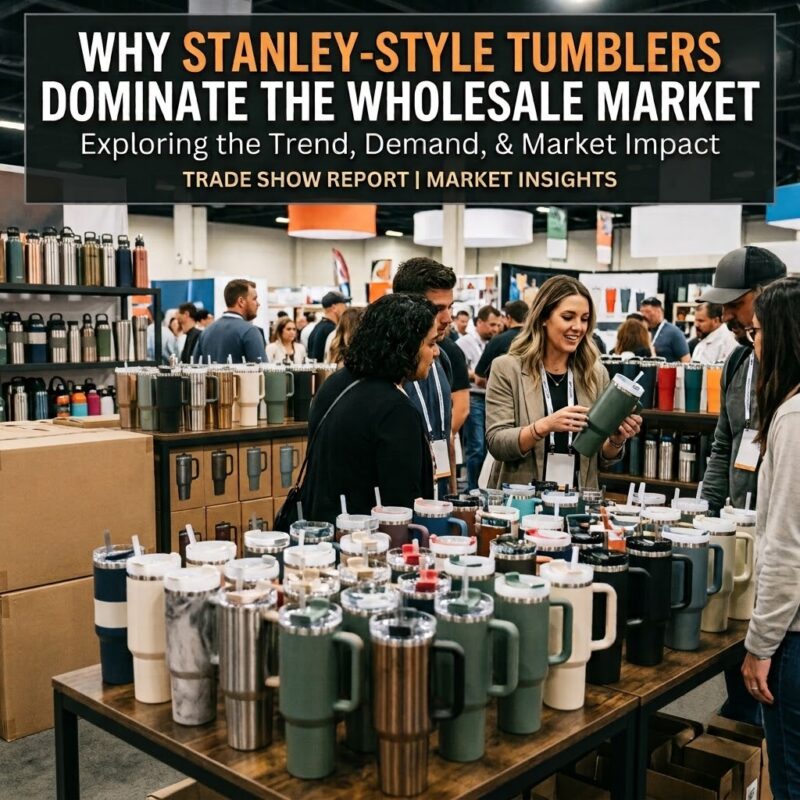
Why Stanley‑Style Tumblers Dominate the Wholesale Market
Stanley‑style tumblers have become a cultural phenomenon and a wholesale bestseller. This article explores why – from 18/8 stainless steel and double‑wall vacuum insulation to high perceived value, customization potential, and steady repeat‑order demand. Learn what makes these tumblers a reliable, profitable category for wholesale buyers.
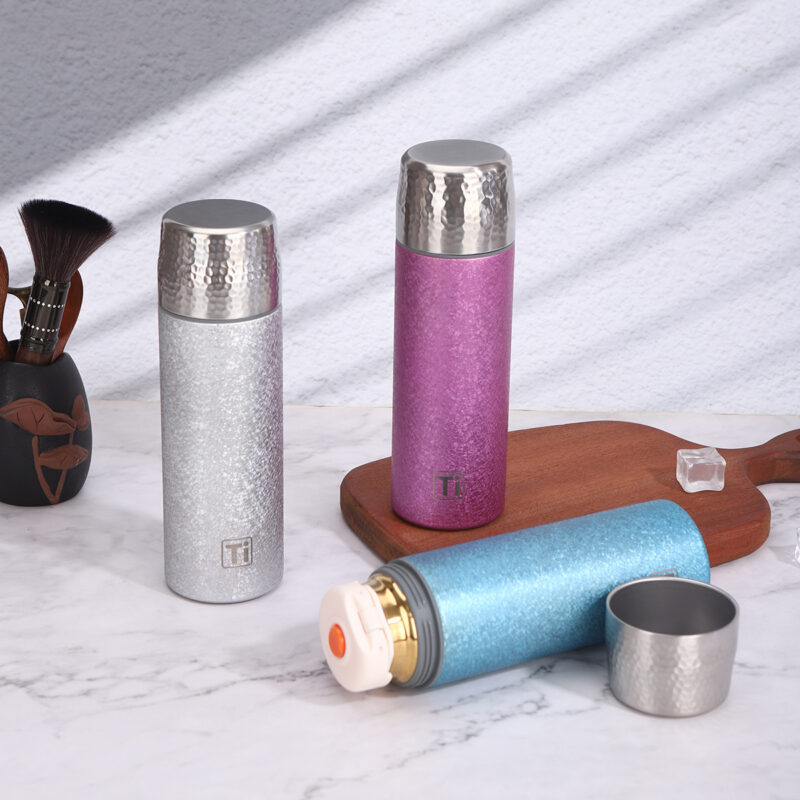
Are Titanium Water Bottles Safe?
Titanium is safe. It’s also expensive. Here’s how it stacks up against stainless steel and aluminum – and which material actually makes sense for your brand.