
2024 グローバルサーモス市場は変換を加速します
- に解釈します "2024 グローバルサーモスマーケットトレンドレポート" そして "Stainless Steel Material Selection Guide"
Yongkang, 中国, July 15, 2024 – The global thermos market is undergoing unprecedented structural changes. According to the "2024 グローバルサーモスマーケットトレンドレポート" jointly released by Jarrino Research Institute and international consulting firms, the market will continue to expand at a compound annual growth rate of 8.2% in the next three years, with its scale expected to exceed $32 billion USD. Simultaneously, consumer demand for material safety and functional innovation is forcing the industrial chain to upgrade. The "Stainless Steel Material Selection Guide" reveals that "performance adaptation" そして "environmental certification" of 304/316 stainless steel are becoming key factors for companies to differentiate themselves in the competition.
I. Market Growth Dual Engines: Health Consumption and Scenario Diversification
The report points out that the global thermos market in 2024 exhibits two major explosive growth points:
- Health Awareness Drives Upgrades: 72% of consumers list "material safety" as the primary purchasing standard. Demand for food-grade 304 stainless steel has increased by 35%, and the penetration rate of medical-grade 316 stainless steel in the high-end market has risen to 18%.
- Refinement of Scenario Needs: Sales of outdoor sports thermoses (drop-proof, ultra-lightweight design) have surged by 42% year-on-year, while working professionals are driving "smart temperature-display coffee cups" to become the fastest-growing segment (annual growth rate of 61%).
Thermoses have evolved from functional tools to lifestyle symbols," said Emily Zhou, Global Marketing Director at Jarrino. "Consumers not only demand 24-hour insulation but also pay more attention to design aesthetics, lightweight experiences, and even carbon footprint labels.
II. Stainless Steel Material Selection: From "Basic Compliance" に "Performance Game"
The "Stainless Steel Material Selection Guide" reveals disruptive trends in the industry:
- Material Performance Grading:
- 304 ステンレス鋼: Remains the mainstream choice (accounting for 68%), but needs to pass SGS heavy metal migration testing.
- 316L Stainless Steel: Replacing 304 in the high-end market, its resistance to chloride ion corrosion is improved by 3 times, making it the first choice for marine sports and medical fields.
- New Composite Materials: Titanium alloy liners + stainless steel outer shell combination balances ultra-lightweight and durability, with market share in Japan exceeding 12%.
- Environmental Certification Becomes a Hard Threshold:
- The EU's latest "Circular Economy Act" requires a 90% recycling rate for thermoses by 2030, prompting companies to prioritize 100% recyclable stainless steel. Leading manufacturers like Jarrino have achieved full-process carbon tracking "from raw materials to finished products" and have passed EPEAT certification.
III. Technology Breakthroughs: Intelligent Interaction and Sustainable Manufacturing
To respond to market segmentation, leading companies are accelerating technological iteration:
- Intelligent Sensing: Products with built-in temperature sensors + APP linkage functions (such as drinking water reminders, disinfection records) have a premium of up to 30%.
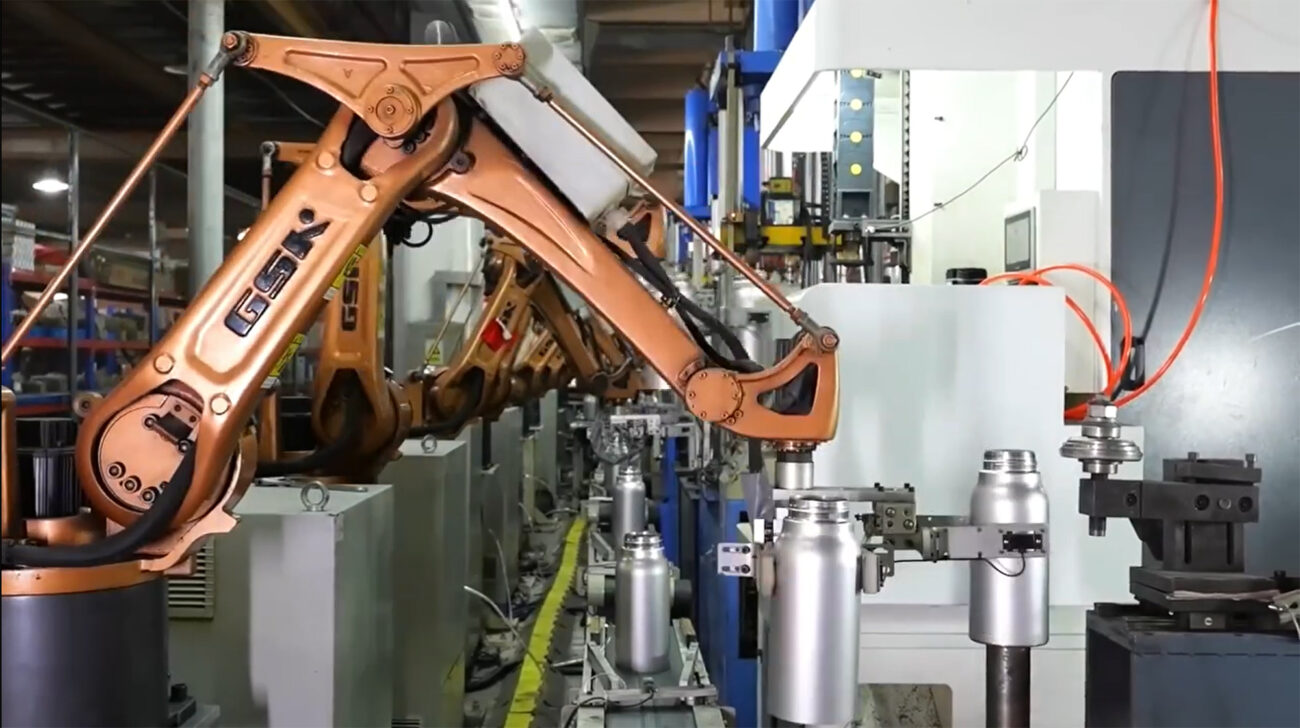
- Coating Revolution: Water-based ceramic coatings are replacing traditional spraying processes, improving scratch resistance by 50% and achieving zero VOCs emissions.
- Lightweight Competition: Through precision spin-thinning technology, the weight of a 550ml thermos cup has been reduced from 450g to 280g while maintaining 24-hour insulation performance.
“True innovation must balance performance and sustainability,” emphasized Dr. Li, Head of R&D at Jarrino. “Our newly launched EcoShield™ technology makes stainless steel cups achieve an antibacterial rate of over 99.9%, while reducing the water consumption of electrolytic polishing by 20%.”
IV. Future Outlook: Customization and Regional Market Competition
The report predicts that the industry will usher in three major turning points in 2025:
- Rise of Flexible Supply Chains: The cost of small-batch customization (minimum order of 500 個) has decreased by 40%, driving independent brands to enter the market.
- Battle for Emerging Markets: The per capita consumption of thermoses in Southeast Asia is growing at an average annual rate of 19%, and localized designs (such as mosquito-proof filters) have become the focus of competition.
- Material Science Breakthroughs: Biodegradable stainless steel plating is entering the experimental stage, which may rewrite the ecological rules of the industry.
Related Posts
フルオーダーメイドのウォーターボトルはどのように作られるのか?
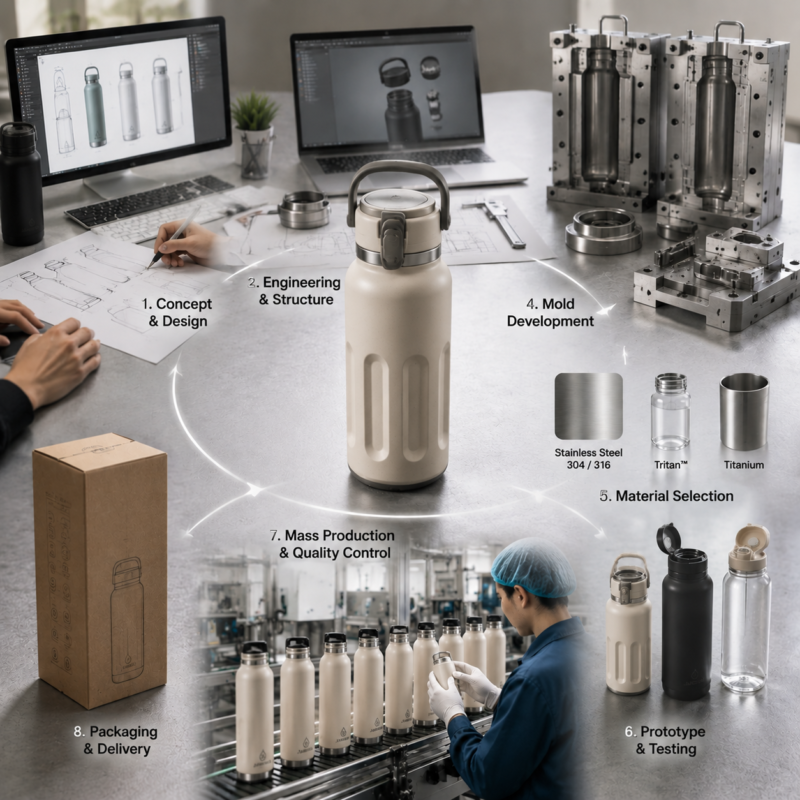
フルカスタムのウォーターボトルの開発には、既存の製品にロゴを追加するだけでは不十分です。. このガイドでは、ブランドが製品デザインを通じてどのようにユニークなウォーターボトルを作成するかを説明します。, エンジニアリング, 材料の選択, 金型開発, プロトタイプのテスト, そして大量生産. 経験豊富な OEM ウォーター ボトル メーカーが、品質を管理しながらアイデアを市場に投入できる製品に変える方法を学びましょう, 料金, および生産効率.
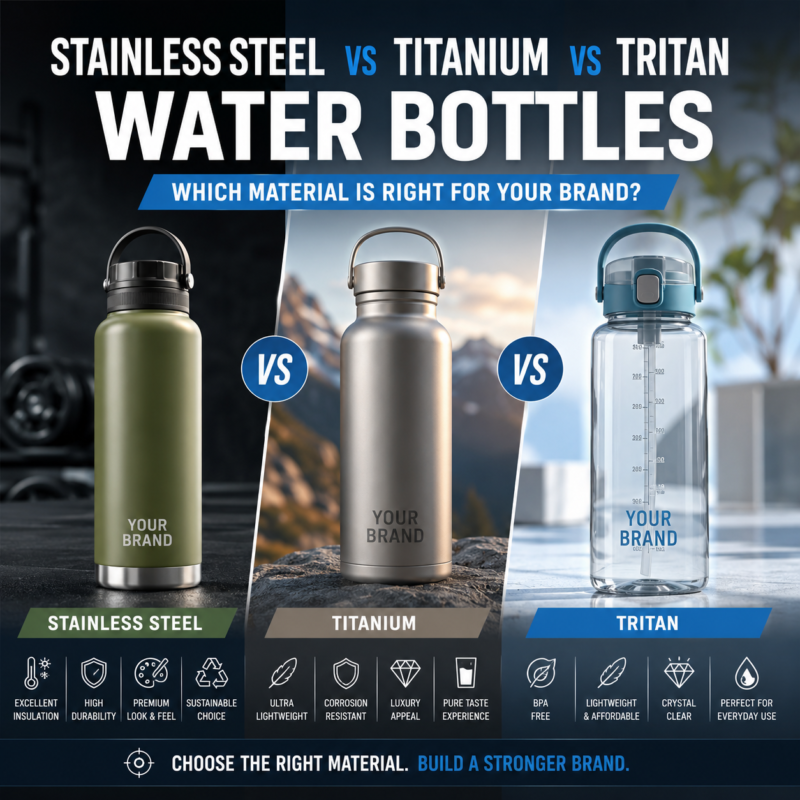
Stainless Steel vs Titanium vs Tritan Water Bottles: Which Material Is Right for Your Brand?
Choosing the right water bottle material can significantly impact your product quality, pricing, and brand positioning. This guide compares stainless steel, チタン, and Tritan water bottles across durability, insulation, 料金, カスタマイズ, and sustainability to help brands, 小売業者, and OEM buyers select the best material for their target market.
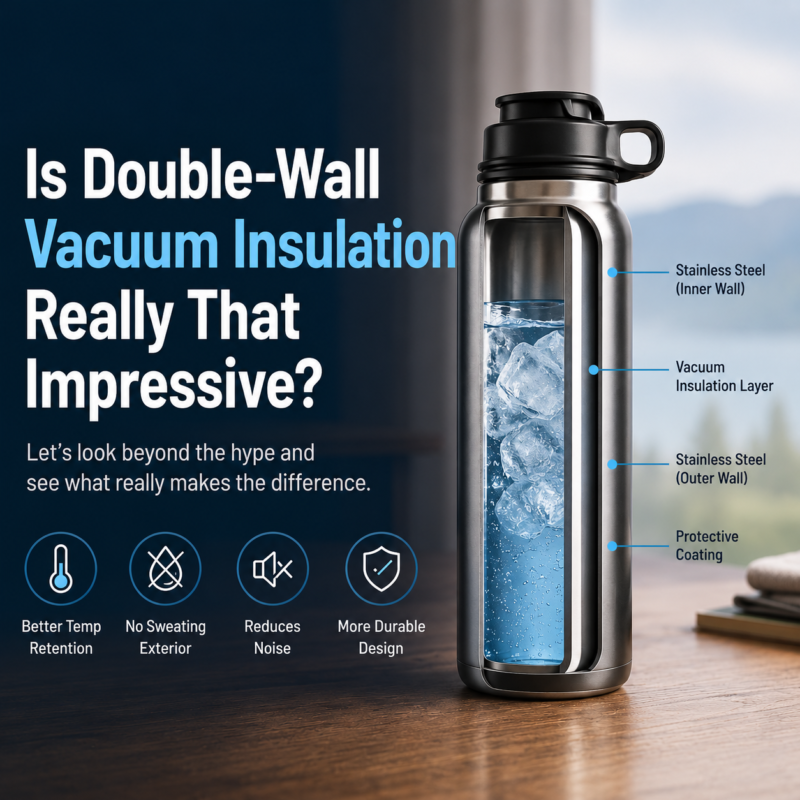
二重壁真空断熱材は本当にすごいのか?
Double‑wall vacuum insulation is standard in premium drinkware, but the difference between a bottle that performs and one that disappoints comes down to manufacturing quality. This guide explains how vacuum insulation works, sets realistic performance expectations, and gives B2B buyers a practical checklist for evaluating suppliers. Plus, why Jarrino’s strict quality standards ensure your custom bottles deliver on their promises.
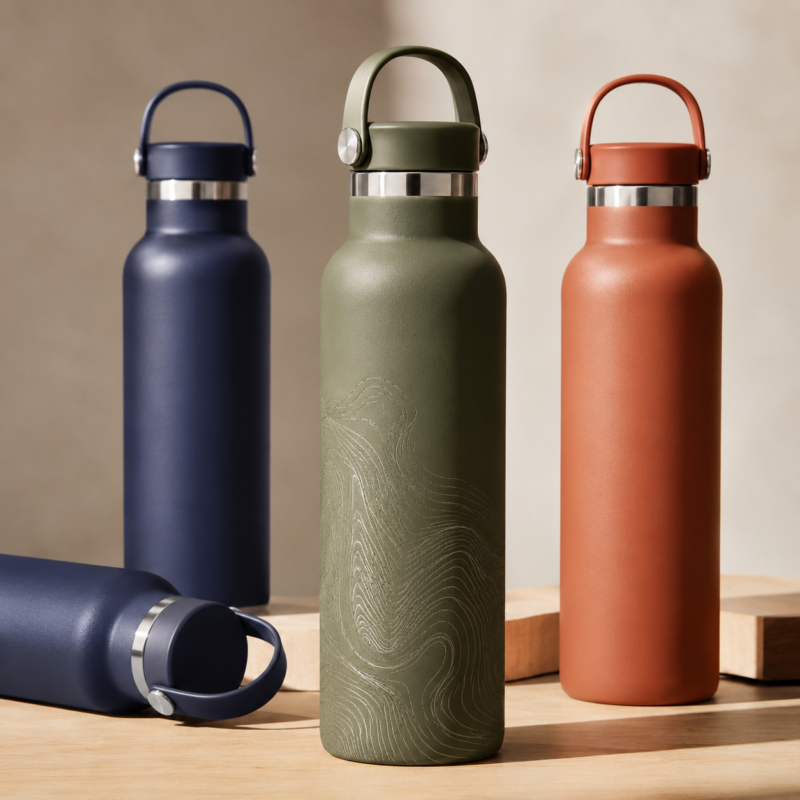
実際に長持ちするカスタムウォーターボトルの装飾方法はどれですか?
レーザー彫刻, 昇華, 紫外線, またはスクリーン印刷 – カスタムボトルの装飾は実際に毎日の使用に耐えられるのはどれですか? 私たちはそれらをテストしました. 結果を読む.
アウトドアスポーツ用の断熱ボトルやペットボトル?
次回のハイキングには断熱ボトルかペットボトルを持っていくべきですか, 走る, または乗る? 実際のアスリートを対象に両方をテストしてみました. アウトドア スポーツや B2B の注文に最適な水分補給ギアを選択するには、詳細な比較をお読みください。.