
水筒の作り方? 高品質のボトルが実際にどのように作られているかの舞台裏を覗いてみましょう
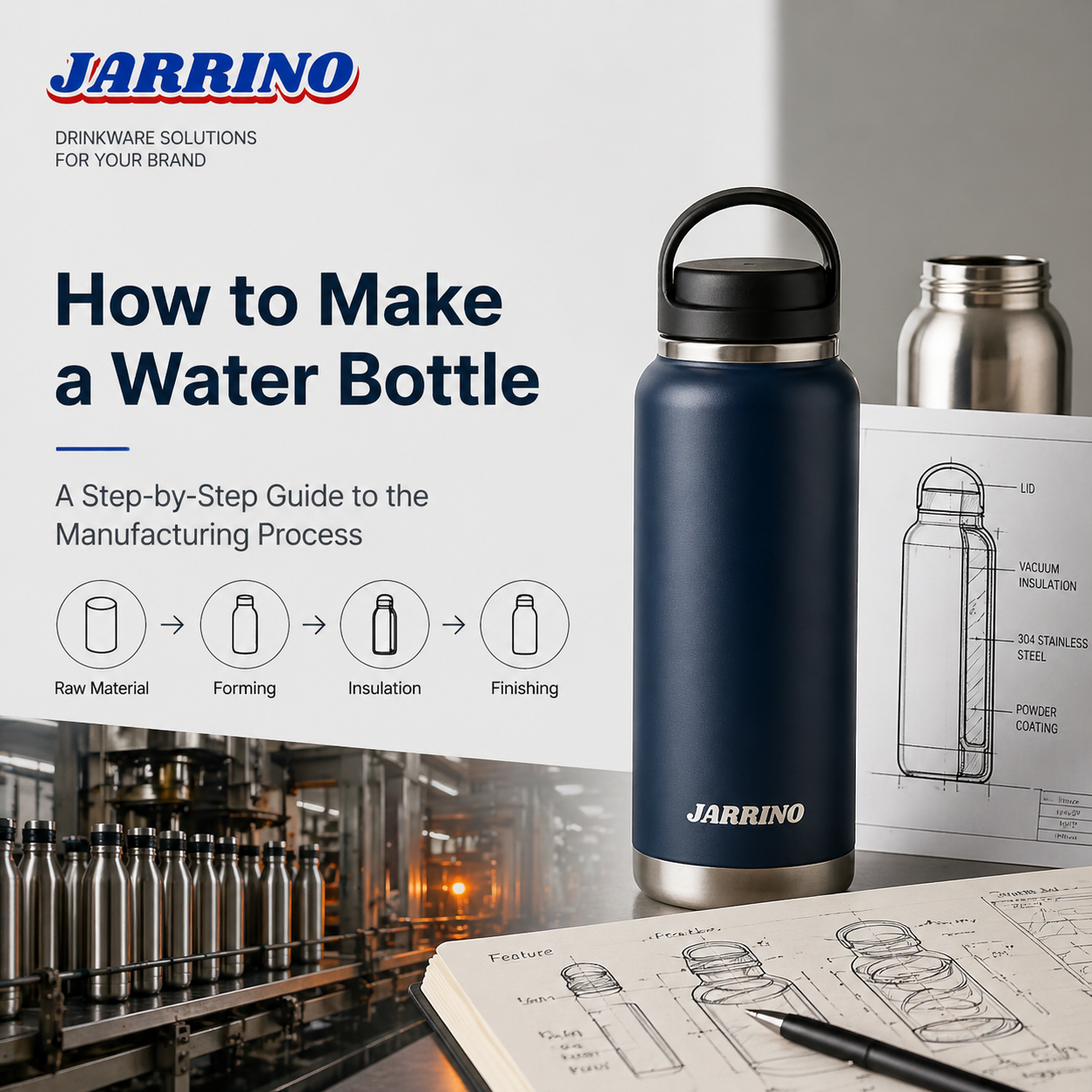
Have you ever looked at a stainless steel water bottle and wondered what it takes to actually make one? You‘re not alone.
For outdoor brands, promotional agencies, 小売業者, and corporate buyers, understanding how these products are made isn’t just a fun fact — it’s the key to making smarter sourcing decisions. When you know what goes into the manufacturing process, you start noticing the difference between a bottle that’s built to last and one that’s going to land in the recycling bin six months from now.
In this article, we’ll walk you through the actual manufacturing process of a stainless steel insulated water bottle — step by step, in plain English, no confusing industry jargon. Plus, we’ll show you why it matters for your business when you’re sourcing products at scale.
What to Look for in a Quality Water Bottle (Before We Get Into How They‘re Made)
しかし, before we dive into the nitty-gritty of the production line, let’s quickly talk about what actually separates a premium water bottle from the rest. Regardless of the brand, these are the fundamentals you should always look for:
- 食品グレードのステンレス鋼: The gold standard is 304 (18/8) ステンレス鋼. The best bottles use 316 medical-grade for even better corrosion resistance.
- 真空二重断熱: This is what keeps your iced coffee cold for 24 hours and your morning coffee hot all afternoon.
- Leak-proof lid design: Because nobody wants lukewarm water dripping into their work bag.
- BPA-free seals and Gaskets: The rubber and plastic components must be 100% food safe.
Keep these four things in mind, and we’re ready to explore how they come together in an actual factory.
The 7-Step Breakdown of How A Stainless Steel Water Bottle Is Made
Step 1: Raw material preparation — where the quality journey begins
Everything starts with high-grade stainless steel coils or sheets. Most premium bottles are built with 304 ステンレス鋼 (18/8 grade) または 316 ステンレス鋼 for enhanced corrosion resistance. The raw steel arrives at the factory in large rolls and undergoes rigorous quality checks before any cutting happens. For food-grade safety, the material must meet FDA, LFGB, or EU food contact standards — this is where your quality verification begins.
Step 2: Shaping the inner and outer layers
Once the steel passes inspection, the inner and outer layers are formed using one of two methods:
- Hydroforming / water expansion: Stainless steel tubes or sheets are shaped into bottle cylinders under high-pressure water — a highly efficient approach popular in modern factories.
- Stretch forming / impact extrusion: Steel plates are deep-drawn using a hydraulic press, producing seamless bottle profiles.
After the initial shaping, the workpieces go through necking (creating the bottle mouth), thread rolling (cutting precise lid threads), and bottom welding. Each manufactured piece then runs through cleaning and deburring to remove oil residues and metal burrs.
Step 3: Assembly — bringing the two walls together
The inner and outer layers are now fitted together, leaving a narrow gap between them — the future vacuum insulation chamber. The neck area is welded shut to create an airtight seal.
Step 4: Vacuum extraction — this is the insulation “secret sauce”
Without vacuum extraction, you simply have a regular double-layer metal cup. The magic happens inside a vacuum furnace. A high-power vacuum pump removes 全て air from the space between the two stainless steel walls, eliminating heat convection and conduction pathways. The target vacuum level for premium bottles is typically around 10⁻⁴ Pa or lower. This is also why many bottles feature a tiny copper button at the bottom — it seals the extraction port after vacuum processing.
Step 5: Polishing and surface treatment
After vacuum sealing, the bottle body receives its final surface finishing: mechanical polishing, fine sanding, then decorative treatments such as powder coating, 絵画, or physical vapor deposition. Those custom Pantone colors and durable matte finishes you love? They all happen in this step.
Step 6: Lid and gasket assembly
The lid is often pre-molded from food-grade polypropylene (pp) or Tritan plastic, fitted with a silicone gasket that ensures leak-proof performance. Silicone’s resilience and thermal stability are what create that satisfying secure closure and prevent drips.
Step 7: Quality control and performance testing
Every bottle is inspected before packaging — for weld integrity, vacuum retention, leak resistance, and finish uniformity. Thermal performance tests verify specified heat and cold retention times. The “bathroom scale” style test: fill with near-boiling water, seal, and check temperature after 8, 12, そして 24 時間. Unsatisfactory units are rejected; only bottles meeting strict performance and safety benchmarks move to final packing.
Why Understanding the Manufacturing Process Matters for YOUR Business
If you’re reading this as a business owner looking to source custom water bottles, here‘s why the above matters.
Not all factories are created equal.
A supplier that owns and controls every step — from steel cutting to vacuum extraction to final testing — will almost always deliver better, more consistent product quality than one that outsources half the process to subcontractors.
This is where Jarrino come in.
With over 15 years of manufacturing experience, we don’t rely on third-party subcontractors. We control every stage of production. Our in-house capabilities include:
- Full ODM/OEM customization — from material grade to color to branding
- Strict adherence to international food safety standards (FDA, LFGB, EU)
- Vacuum insulation technology for 12+ hour hot retention and 24+ hour cold retention
- Red Dot Award-winning design and engineering
- Sustainable manufacturing practices, including solar-powered facilities and water recycling systems
Whether you’re launching a brand from scratch or scaling up an existing product line, we’re here to help you create water bottles that keep your customers happy — bottle after bottle.
Ready to Start Your Custom Water Bottle Project?
Quality water bottles shouldn‘t be a guessing game. Partner with a manufacturer that has the track record, the factory ownership, and the design expertise to bring your vision to life — without compromising on quality or safety.
Contact Jarrino today to request a sample, discuss your custom project, or get a quote.
- → Explore our product catalog
- → Request a free consultation
- → Ask about your custom logo and packaging options
Because every bottle deserves to be an Jarrino.
Related Posts
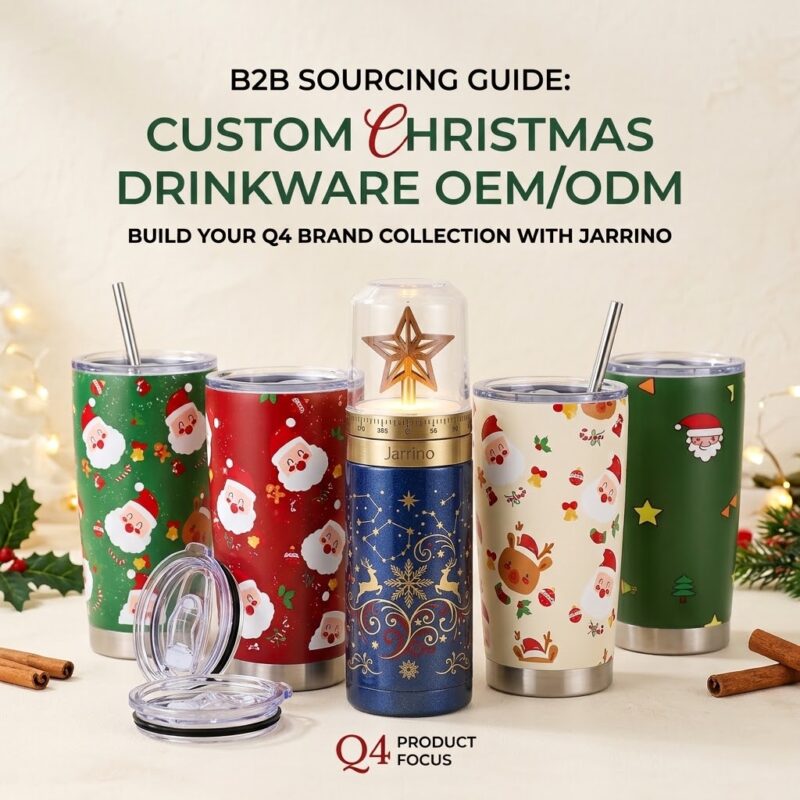
Custom Christmas Drinkware: Complete OEM/ODM Manufacturing Guide
Jarrino is a certified OEM/ODM manufacturer specializing in custom vacuum flasks, ceramic-lined tumblers, and titanium drinkware. Lead times for Q4 custom Christmas orders are 20–30 days with low MOQs (300–1,000 pcs) and full FDA/LFGB compliance. We offer end-to-end customization including 3D digital printing, レーザー彫刻, and bespoke Christmas gift packaging. Sample kits and the quotes are available upon request to help brands lock in Q4 holiday production smoothly.
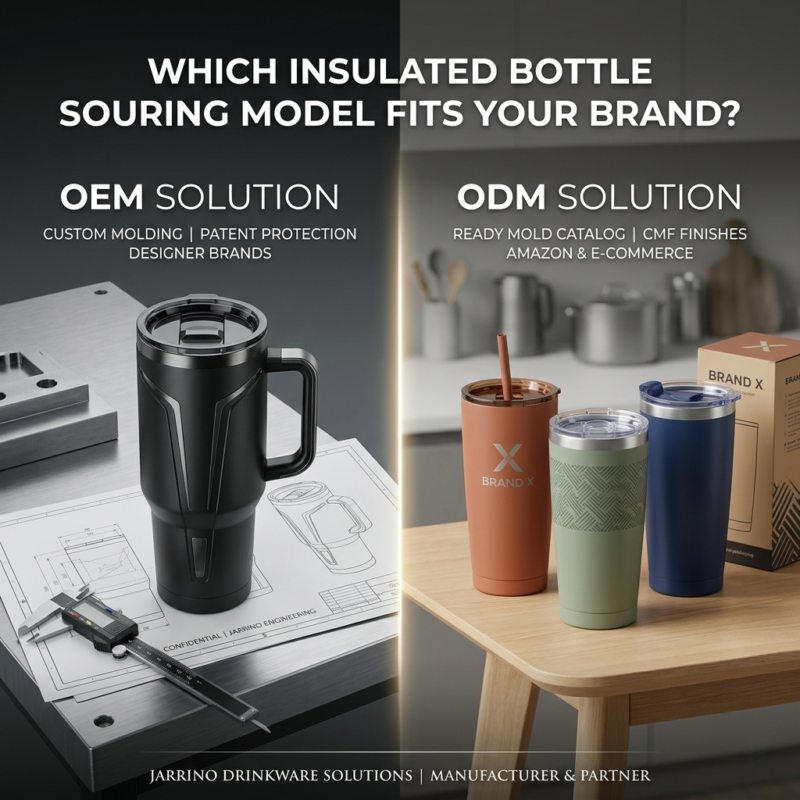
OEM vs. ODM Insulated Tumblers: Which Sourcing Model Fits Your Drinkware Brand
Choosing between OEM (Original Equipment Manufacturing) and ODM (Original Design Manufacturing) defines your drinkware brand’s R&D budget, time-to-market, and product exclusivity. OEM is ideal for established brands with custom CAD designs and unique IP requirements, offering 100% custom molding and patent protection. ODM is built for Amazon sellers, DTC startups, and corporate buyers seeking zero tooling costs, low MOQs, and rapid product launches via advanced CMF finishes (powder coating, UV印刷).
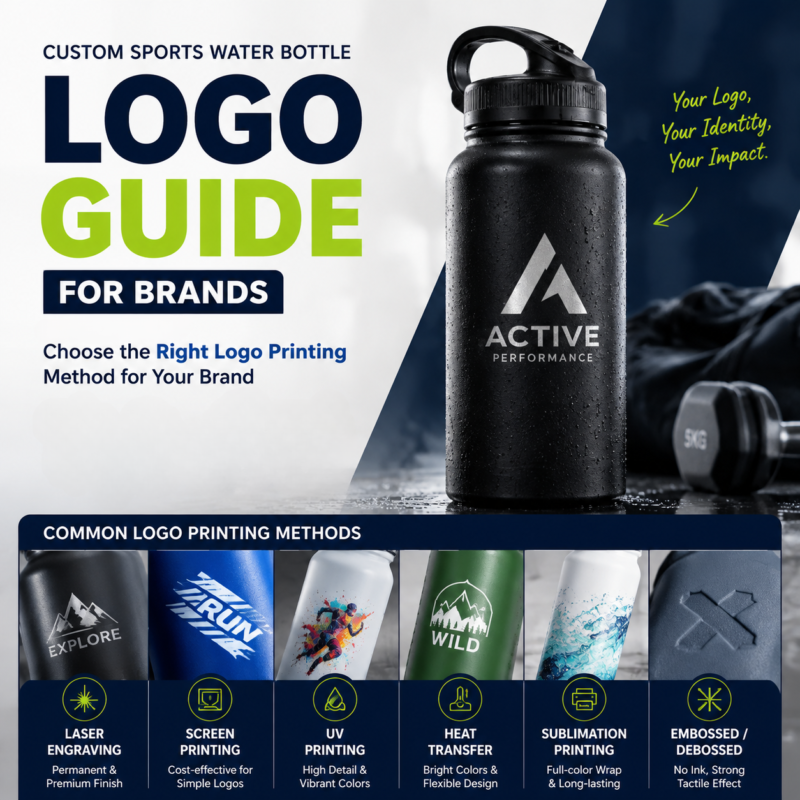
ブランド向けカスタム スポーツ ウォーター ボトル ロゴ ガイド
カスタムスポーツウォーターボトルのロゴは、ボトルの素材に応じてさまざまな装飾プロセスを経て作成されます。, ブランドデザイン, およびパフォーマンス要件. このガイドでは、最も一般的なロゴの印刷方法について説明します。, レーザー彫刻を含む, スクリーン印刷, UV印刷, 熱伝達, そして昇華, スポーツ ブランドが耐久性のあるプロ仕様のドリンクウェア製品に適切なカスタマイズ オプションを選択できるよう支援します。.
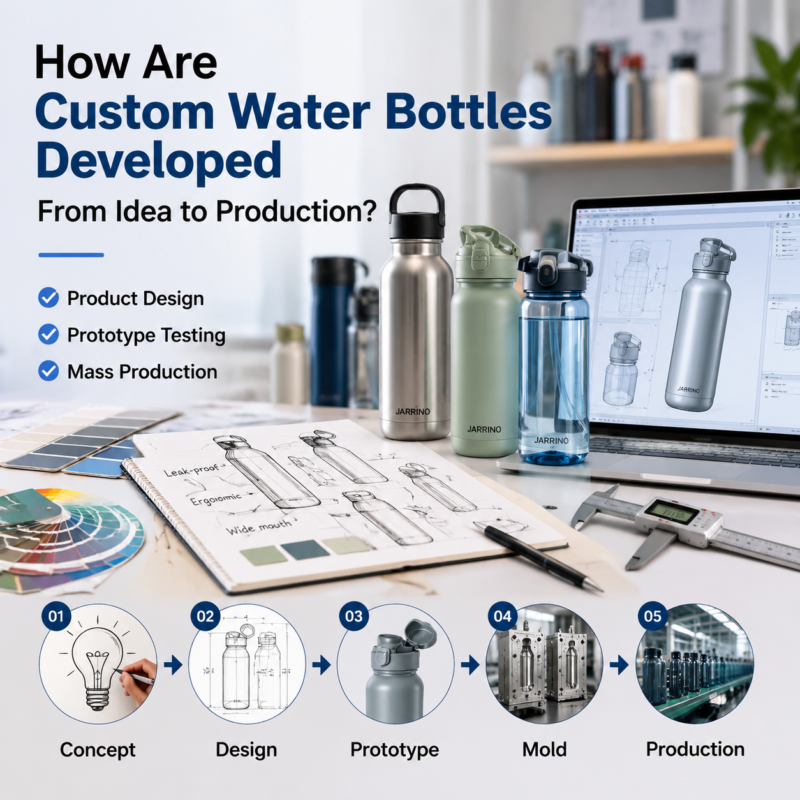
カスタムウォーターボトルはアイデアから製造までどのように開発されるのか?
カスタム ウォーター ボトルの開発には、デザインを選択してロゴを追加するだけでは不十分です. 初期の製品コンセプトからエンジニアリングまで, プロトタイピング, 金型開発, テスト, そして大量生産, ドリンクウェア製品を成功させるには、すべての段階が重要な役割を果たします. このガイドでは、ブランドが OEM ウォーターボトル メーカーと協力してアイデアを高品質なものに変える方法について説明します, 設計を管理しながら市場に投入できる製品を開発, 料金, 生産上の課題.
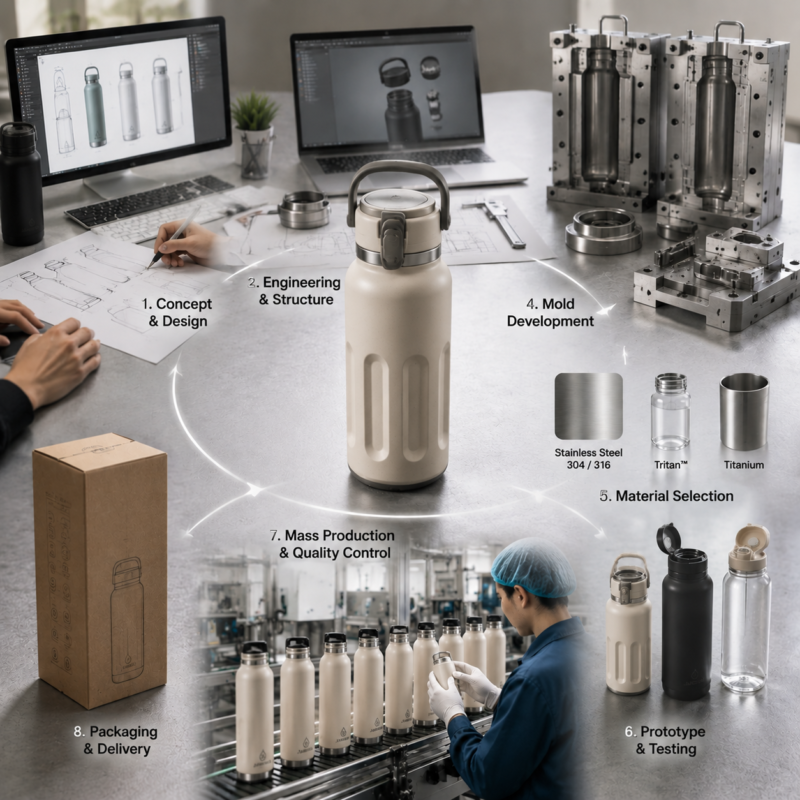
フルオーダーメイドのウォーターボトルはどのように作られるのか?
フルカスタムのウォーターボトルの開発には、既存の製品にロゴを追加するだけでは不十分です。. このガイドでは、ブランドが製品デザインを通じてどのようにユニークなウォーターボトルを作成するかを説明します。, エンジニアリング, 材料の選択, 金型開発, プロトタイプのテスト, そして大量生産. 経験豊富な OEM ウォーター ボトル メーカーが、品質を管理しながらアイデアを市場に投入できる製品に変える方法を学びましょう, 料金, および生産効率.
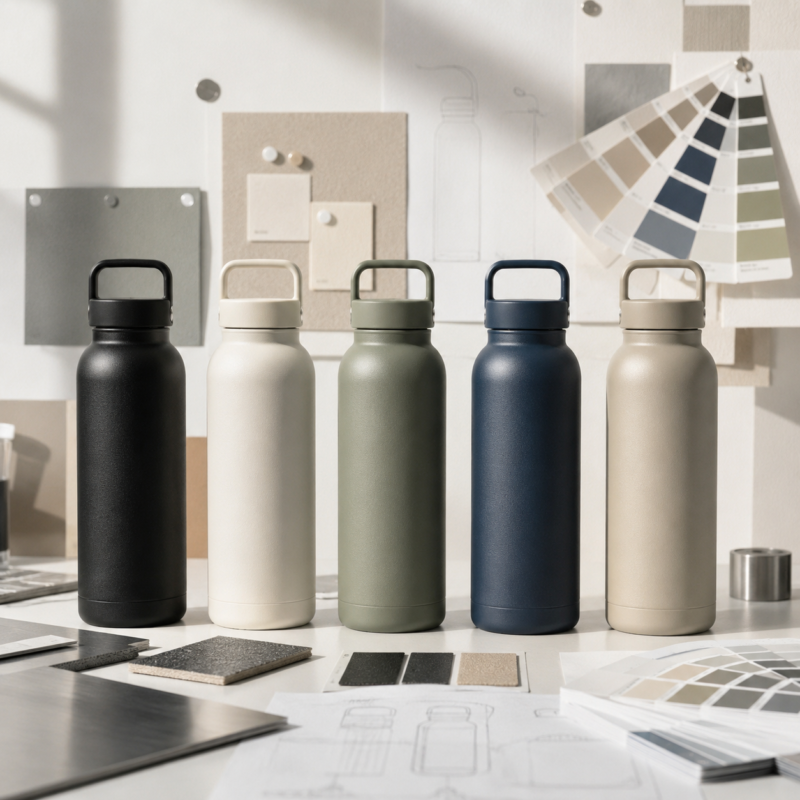
カスタムウォーターボトルの色と仕上げの選び方
カスタム ウォーター ボトル コレクションの成功は、魅力的な色以上のものにかかっています。. 適切なカラーパレットの選択, 表面仕上げ, 製造戦略はブランドアイデンティティの強化に役立ちます, 顧客の魅力を向上させる, 長期的な販売を確保する. このガイドでは、市場の好みに基づいて色の選択方法を説明します。, マット仕上げと光沢仕上げを比較する, SKUの最適化, 専門的なOEM生産を通じて一貫した品質を実現します.
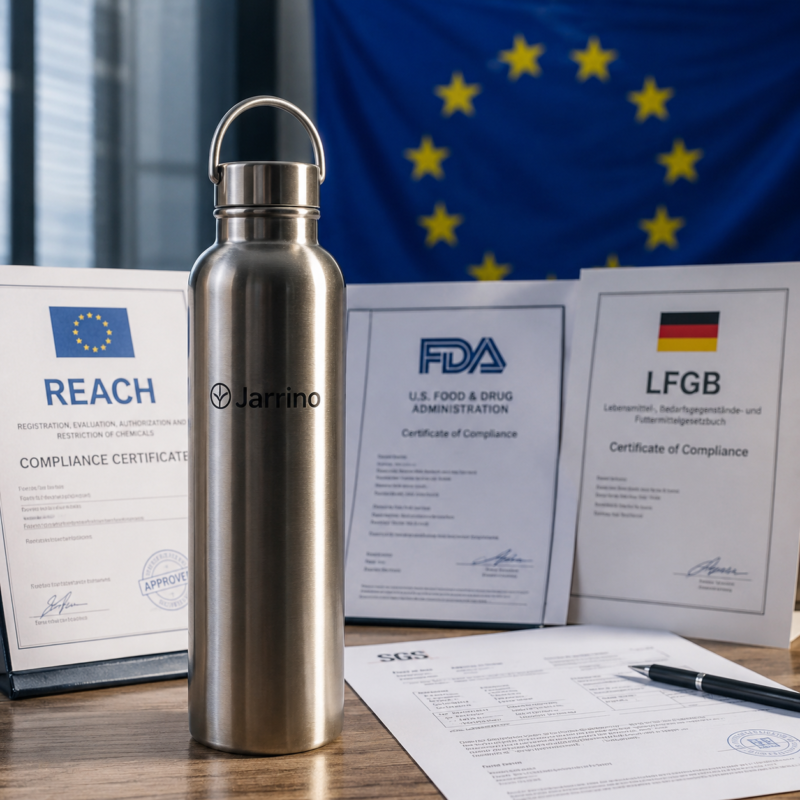
EU Microplastics Regulation 2026: What Every Custom Water Bottle Manufacturer Should Know
Learn how the EU Microplastics Regulation (EU) 2026/1168 impacts custom water bottle manufacturers and private label drinkware brands. Discover how Jarrino helps importers stay REACH compliant with durable stainless steel water bottles.
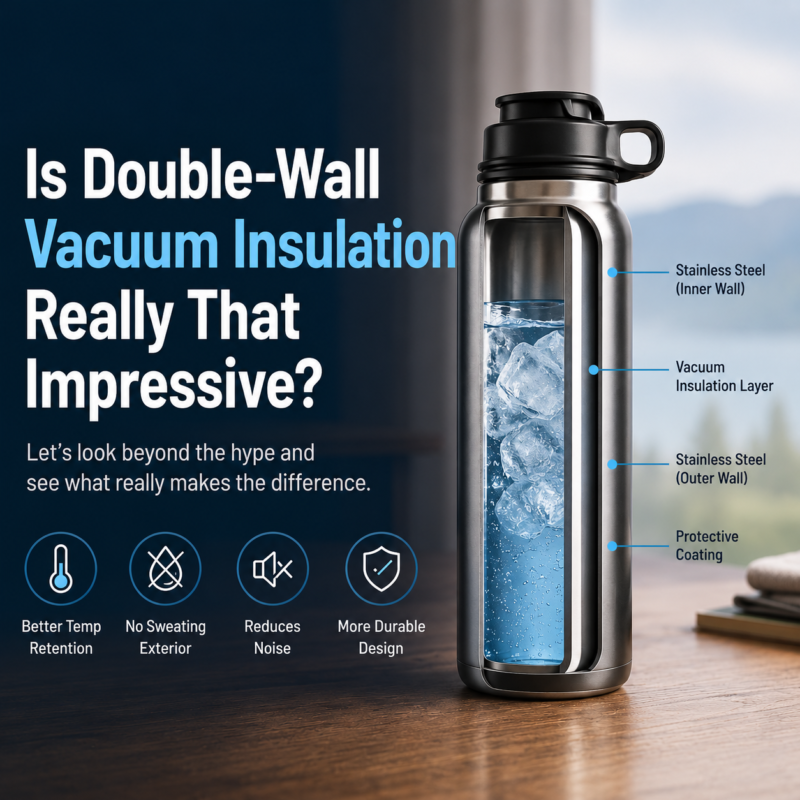
二重壁真空断熱材は本当にすごいのか?
Double‑wall vacuum insulation is standard in premium drinkware, but the difference between a bottle that performs and one that disappoints comes down to manufacturing quality. This guide explains how vacuum insulation works, sets realistic performance expectations, and gives B2B buyers a practical checklist for evaluating suppliers. Plus, why Jarrino’s strict quality standards ensure your custom bottles deliver on their promises.
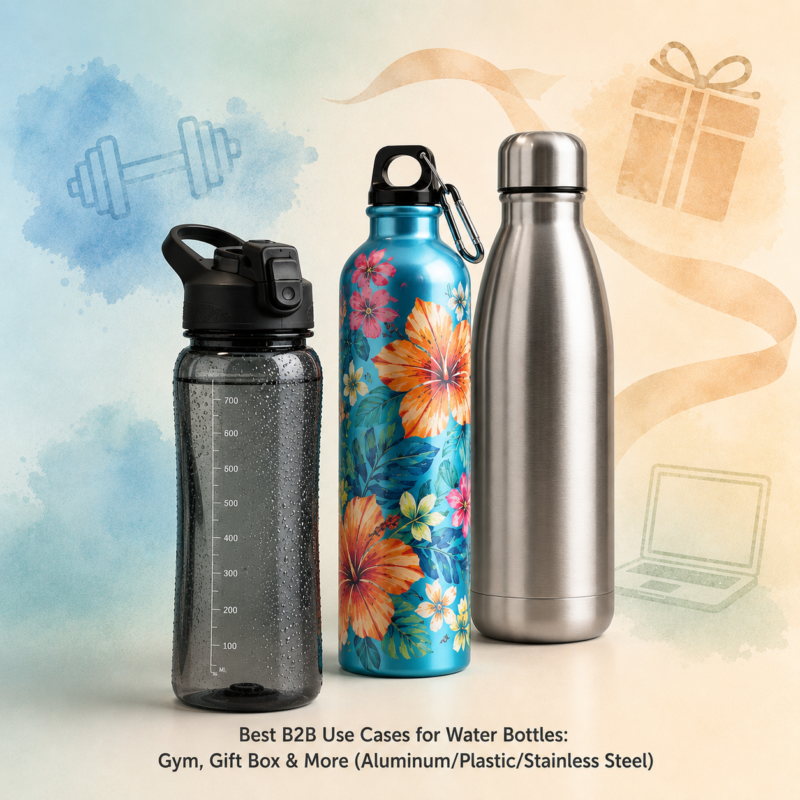
ウォーターボトルのベスト B2B ユースケース: ジム, ギフトボックス & もっと (アルミニウム/プラスチック/スチール)
すべてのウォーターボトルがすべての B2B ユースケースに適合するわけではありません. この記事は 3 つの素材に適合します - ステンレス鋼, アルミニウム, プラスチック — 現実世界の用途へ: ジム, 企業向けギフトボックス, トレードショー, 屋外小売, そして学校のプログラムも. ステンレス鋼は耐久性と断熱性で優れています. アルミニウムは軽量性を提供します, フルカラーのブランディング. プラスチックは大規模イベント向けに予算に優しい (BPAフリーであることが条件). B2B購入者がコストのバランスをとるのに役立つ簡単なチートシート, ブランドイメージ, そしてユーザーの期待.

MOQ ゲームのプレイを停止する: ブランドを拡大するためのより賢い方法
MOQは障壁ではなく、シグナルです. トップブランドが最小注文数を競争力に変える方法をご覧ください. 完全なガイドを読む.

タンブラー vs 魔法瓶: ブランドに必要なものを選ぶための優しいガイド
あなたのブランドでタンブラーを発売するか魔法瓶を発売するか迷っています? あなたは一人ではありません. 優しい, 当社の工場現場からの正直なガイド – 自信を持って選択できるように設計されています.

304 対 316 ステンレス鋼: あなたのボトルに適したグレードはどれですか?
304 対 316 ステンレス鋼 – ブランドを錆びから守るもの, 返品, そして風評被害? 完全な比較を読む.