

Choosing the right drinkware is more than just selecting a container. It impacts the flavor of your drink, the experience, and even the rituals of daily life. From material to shape, each piece of drinkware embodies unique scientific principles and aesthetic considerations. Jarrino, one of China’s top fabricantes de bebidas, will explain how to choose the right drinkware today.
1.Core Materials: How They Affect Flavor
The material of your cup or glass is the “first filter” for flavor.
- Cerâmica: The most classic and universal choice. Its fine, dense structure resists chemical reactions with beverages, preserving the original aroma and warmth of drinks like tea and coffee. Glazed white porcelain is particularly considered a “neutral canvas,” accurately reflecting the true color of a drink.
- Vidro: Its transparent beauty extends the visual experience. It’s particularly suitable for brewing green tea, herbal tea, or cocktails, allowing you to appreciate the delicate interplay of flavors. Glass is inert, retains no odors, and is easy to clean.
- Yixing purple clay: A treasure among Chinese teaware. Yixing clay’s unique dual-pore structure allows it to “breathe,” absorbing the tea’s aroma over time. It’s said that even after years of use, an empty Yixing teapot will still emit a subtle tea fragrance when poured into boiling water. Yixing teapots retain heat exceptionally well, but are typically used to brew only one type of tea to preserve the tea’s pure aroma.
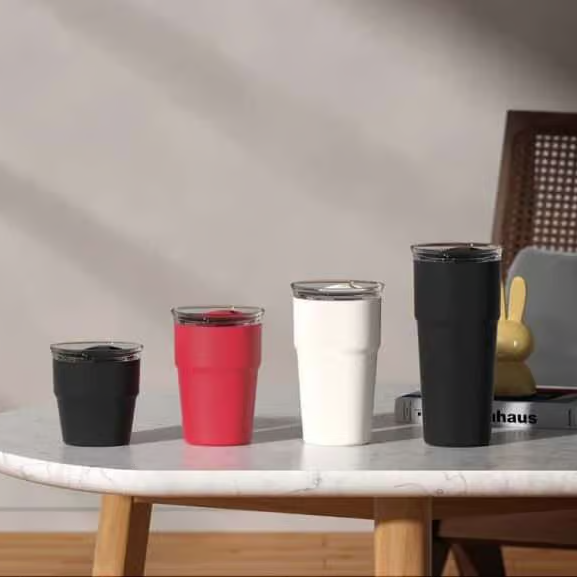
- Metals (Prata, Cast Iron, Aço inoxidável): Silver teapots soften water, making it sweeter and ideal for brewing tea. Cast iron teapots (iron kettles) retain heat exceptionally well and are suitable for brewing teas that require high temperatures. Aço inoxidável, prized for its durability and corrosion resistance, has become the standard for modern travel mugs.
2.Shape and Design: How Form Serves Function
The principle of “form follows function” is vividly reflected in drinkware.
- Tea/Coffee Cups: The width of the rim directly influences the concentration of aroma and drinking style. A narrow rim concentrates delicate aromas, making it ideal for enjoying fine teas or fine wines. A wide mouth allows aroma to escape more easily and facilitates observation of the tea. The thickness of the pot’s walls affects its feel and heat retention. Thin walls provide a delicate feel and excellent heat transfer, while thick walls are sturdy and durable, retaining heat longer.
- Tea/Coffee Pots: The shape of the pot body affects the expansion of tea leaves or coffee grounds and the circulation of water. A spherical body is suitable for tightly rolled oolong tea, providing ample room for the leaves to expand. A cylindrical body, more common in French presses, promotes even extraction. The design of the spout determines the smoothness of the pour; a clean, drip-free pour is crucial.
- Decanters: A wide base and narrow neck are designed to maximize the contact area between the wine and air, accelerating oxidation, softening tannins, and releasing the wine’s aroma.
3. Modern Drinkware: Convenience and Personalization
As lifestyles evolve, drinkware continues to evolve.
- Portability: The popularity of travel mugs and thermoses meets the needs of urban life, combining convenience with environmental awareness.
- Specialization: Pour-over coffee machines, egg-shaped coffee cups, and whiskey tasting glasses demonstrate a trend toward highly specialized brewing tools designed to deliver the ultimate experience for specific beverages.
- Smart Technology: Smart mugs (with precise temperature control) and automatic coffee machines combine technology with tradition, offering new options for those who value efficiency and consistency.
Choosing drinkware is a conversation with your personal taste and lifestyle. It’s both a practical tool in the kitchen and an aesthetically pleasing piece on the table. Understanding the logic behind it can help us choose the “right” cup or pot, making every sip a more enjoyable and delicious experience.