

あなたのブランドに適したサイクリングボトルの素材を選択するにはどうすればよいですか?
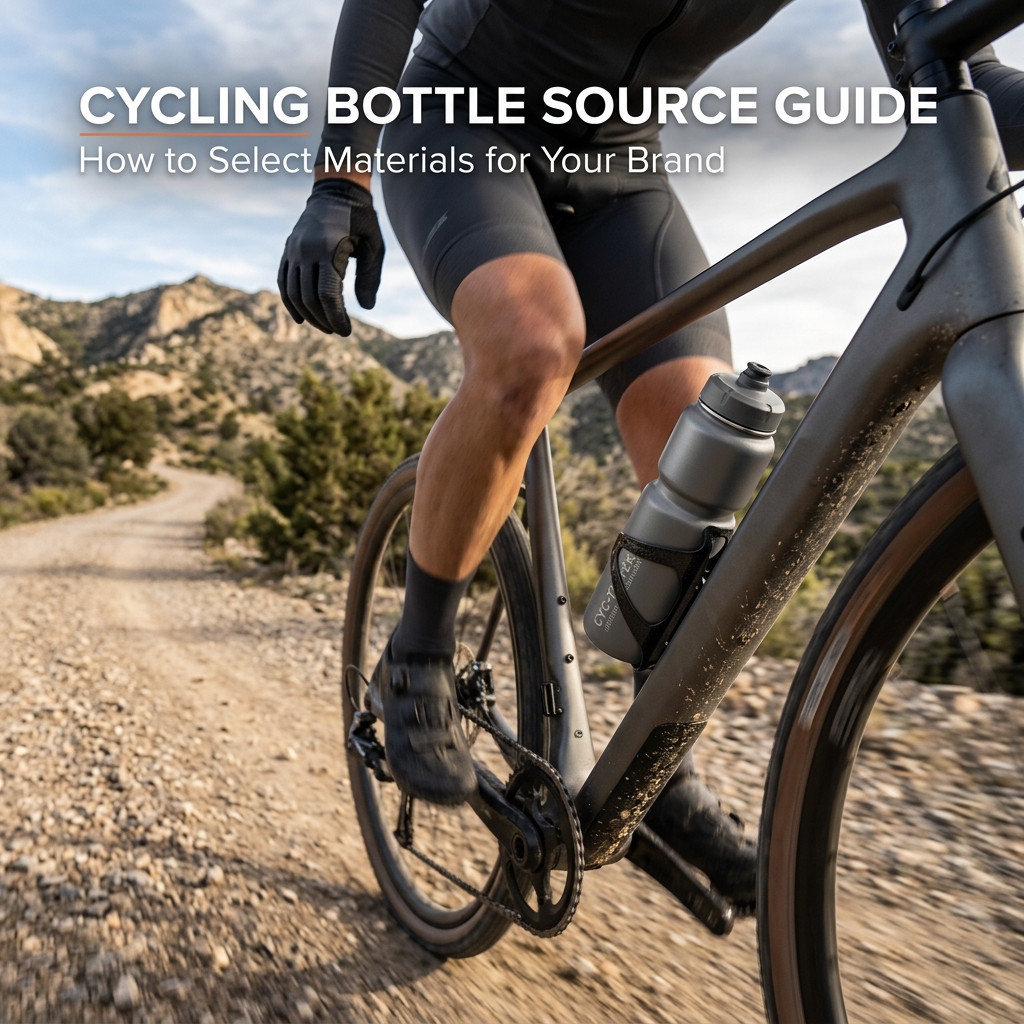
For drinkware brand managers, outdoor gear product directors, and OEM/ODM sourcing leaders, selecting the optimal material for a cycling water bottle is one of the most critical product line decisions you will make. In the competitive sports hydration market, the bottle material directly dictates thermal performance, 重さ, squeezability, compliance testing, and ultimate profit margins.
When engineering cycling bottles for performance cyclists, gravel riders, or urban commuters, one material does not fit all. This comprehensive technical guide breaks down the core materials used in premium cycling bottles—ステンレス鋼 (Vacuum Insulated), チタン, LDPE/PP Soft Plastics, and Ceramic Lined Interiors—to help you select the precise manufacturing path for your brand’s positioning.
Material Performance Matrix: Sourcing Comparison
Before diving into specific buyer use cases, the table below provides a high-level technical baseline comparison across key engineering parameters:
| Material Category | Squeezability / Flow Rate | Thermal Insulation | 耐久性 & 重さ | Target Retail Price & Margin |
| Double-Wall Stainless Steel (304/316) | Rigid (High-Flow Valve Lid required) | Exceptional (12h+ Cold) | High Durability / Medium-High Weight | プレミアム / High Absolute Margin |
| 純チタン (Grade 1/2) | Rigid (Straw/Bite Valve) | Ultra-Light Single Wall or Vacuum | Extreme Durability / Ultra-Lightweight | Ultra-Premium / High Ticket |
| Food-Grade Plastic (LDPE / pp) | High (Easy Squeeze) | Low (Unless Foil Insulated Layer Added) | Flexible / Ultra-Lightweight | Entry to Mid-Tier / High Volume Turnover |
| Ceramic Coated Stainless Interior | Rigid | Exceptional (12h+ Cold) | High Durability / Zero Taste Retention | Boutique & Premium Lifestyle Tier |
Deep Dive: Evaluating Materials by Rider Profile and Market Positioning
1. Food-Grade Stainless Steel (SUS 304 / SUS 316)
Best For: Gravel riders, commuters, e-bike touring brands, and premium outdoor lifestyle lines.
Double-wall vacuum-insulated stainless steel is the benchmark for thermal retention. In long-distance gravel or summer road riding, riders increasingly demand ice-cold hydration over traditional lukewarm plastic bottles.
- Material Grade: Ensure your OEM factory utilizes SUS 304 (18/8) as the structural standard, or upgraded SUS 316 for higher corrosion resistance against energy gels and electrolyte supplements.
- Cage Fit Engineering: Steel cycling bottles require precise dimensional tooling. The bottle diameter must adhere to standard 74mm water bottle cage specs with custom-formed retention grooves to prevent ejection on rough roads.
- Weight Optimization: Look for advanced stretch-forming and thin-wall manufacturing processes (reducing wall thickness down to 0.5mm–0.6mm) to minimize weight penalties.
2. Pure Titanium Cycling Bottles
Best For: Ultra-endurance racing brands, high-end bike OEMs, and luxury cycling apparel accessory lines.
Titanium is the holy grail material for weight-obsessed cyclists. Biocompatible, non-corrosive, and extraordinarily tough, titanium bottles convey instant premium brand value.
- Strength-to-Weight Ratio: Single-wall titanium bottles deliver structural rigidity matching steel at nearly half the weight, fitting seamlessly into standard carbon bottle cages.
- Flavor Purity: Titanium leaves zero metallic taste or chemical odor, maintaining 100% pure beverage flavor even after hours under hot sunlight.
- Manufacturing Challenge: Titanium deep-drawing and welding require specialized vacuum inert-gas welding chambers. Partnering with a manufacturer experienced in titanium OEM is mandatory to avoid high defect rates.
3. Food-Grade Soft Plastics (BPA-Free LDPE & Polypropylene)
Best For: Mass-market sports brands, event giveaways, professional peloton team suppliers, and high-volume retail chains.
Plastic bottles remain the traditional choice for professional road racing due to instant, high-volume fluid discharge via squeezing.
- Polymer Selection: Low-Density Polyethylene (LDPE) provides optimal squeeze flexibility, while Polypropylene (pp) offers higher thermal tolerance and structural clarity for lids.
- Taste Isolation Technologies: Standard plastic bottles often suffer from plastic taste migration. Ensure your factory applies inner anti-microbial coatings or inert barrier linings to maintain water neutrality.
- BPA & Phthalate Compliance: Materials must comply strictly with US FDA, EU 10/2011, and LFGB food contact standards.
4. Ceramic-Lined Vacuum Insulated Bottles
Best For: Specialty coffee cycling gear, premium urban commuter brands, and high-end lifestyle drinkware.
Ceramic inner coatings combine the thermal insulation of double-wall stainless steel with the completely inert, taste-free benefits of porcelain. Riders who fill their bottles with iced coffee, sports drinks, or lemon water appreciate zero taste cross-contamination and effortless cleaning.
Critical OEM Engineering Factors for B2B Sourcing
When customizing cycling bottles for commercial distribution, evaluating raw materials is only half the equation. Procurement leads must verify the following structural and manufacturing parameters during the DFM (Design for Manufacturability) stage:
- Bottle Cage Lock Mechanism: The shoulder contour and retention indentation must match global water bottle cage dimensions (typically 73–74mm diameter) to ensure rattle-free retention on cobblestones or singletrack trails.
- One-Handed Cap & Valve Flow Rates: Cycling lids require hands-free, high-flow push-pull valves, soft silicone bite valves, or quick-flip locking lids that operate effortlessly at 30 km/h.
- CMF Surface Durability (色, 材料, 仕上げる): Standard paint chips easily when repeatedly inserted into metal or carbon bottle cages. High-performance cycling bottles require durable パウダーコーティング, hard anodizing (for titanium), or rubberized soft-touch finishes to maintain aesthetic integrity.
- カスタマイズ & Branding Capabilities: Evaluate factory capabilities for 360-degree screen printing, レーザー彫刻, UV 3D textured printing, and custom Pantone color matching to align with your seasonal apparel or frame colorways.
品質保証 & Global Compliance Standards
To protect your brand from safety recalls and international customs delays, ensure your manufacturing partner provides certified laboratory testing for every batch:
- Food Contact Safety: FDA (USA), LFGB (Germany), and DGCCRF (France) food-grade certificates.
- Chemical Compliance: 到着, RoHS, BPAフリー, and Phthalate-Free lab reports.
- Factory Audits: ISO 9001 quality management system certification and BSCI/SMETA social compliance audits.
Partnering with Jarrino for Custom Cycling Bottle Manufacturing
Whether you are developing a proprietary OEM titanium bottle from custom 3D CAD files or launching a high-margin ODM collection of vacuum-insulated steel cycling bottles with custom CMF finishes, ジャリノ provides end-to-end engineering and manufacturing expertise.
Our dedicated R&D team handles full DFM analysis, precision mold building, advanced surface treatments, and rigorous quality control to ensure your cycling drinkware line stands out in the global marketplace.
Ready to engineering your brand’s next cycling bottle line? Contact Jarrino’s OEM/ODM engineering team today to request a comprehensive catalog, material sample kit, or a customized DFM manufacturing quote within 24 時間.