
هل زجاجات المياه المصنوعة من التيتانيوم آمنة؟?

المشاركات ذات الصلة
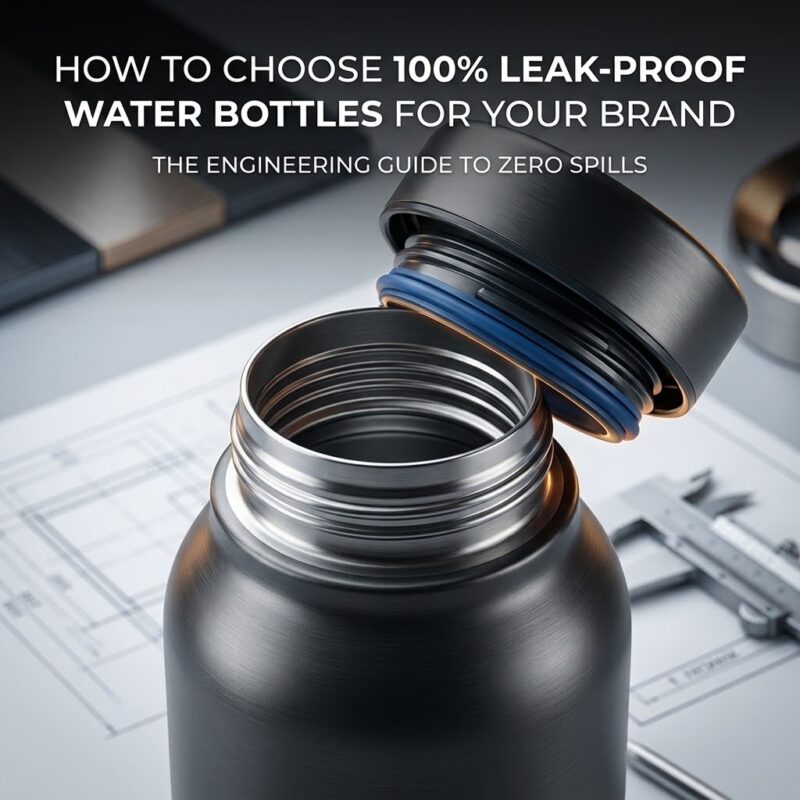
كيفية الاختيار 100% زجاجات مياه من الفولاذ المقاوم للصدأ مقاومة للتسرب لعلامتك التجارية?
يساعد هذا الدليل العلامات التجارية لأدوات الشرب على الاختيار 100% زجاجات من الفولاذ المقاوم للصدأ مانعة للتسرب من خلال تحليل اختبار مراقبة الجودة وهندسة الغطاء. يستخدم المصنعون مثل جارينو المقلوب, اهتزاز, واختبارات ضغط الهواء للتحقق من الأختام. توفر الأغطية اللولبية التقليدية حماية مطلقة من التسرب, بينما يتطلب قفل الأغطية القلابة وأغطية القش حشوات دقيقة من السيليكون, دقة خيط CNC, وصمامات هواء أحادية الاتجاه لمنع الانسكابات.
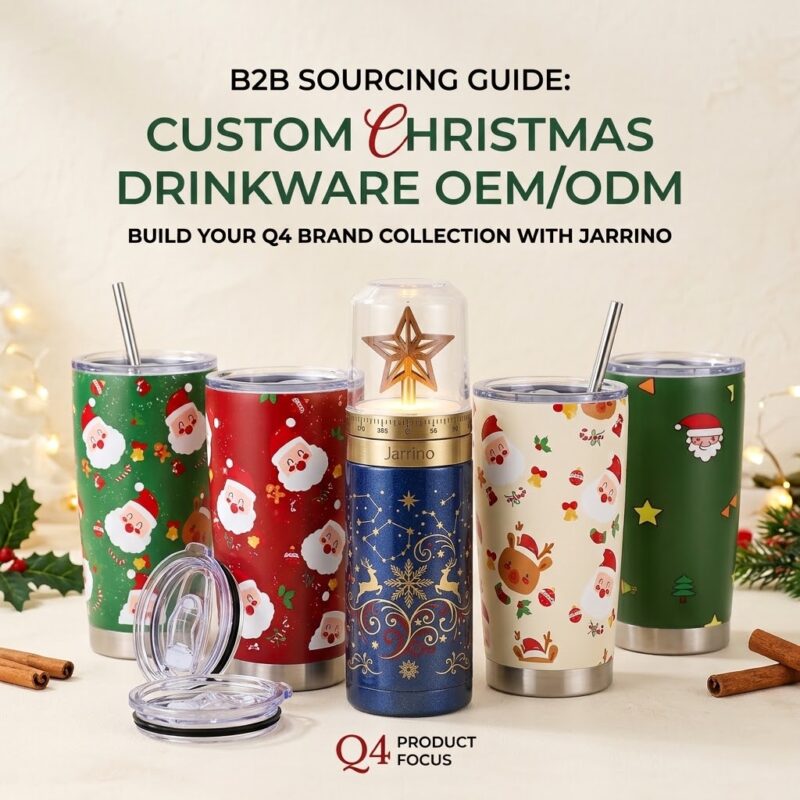
أدوات شرب عيد الميلاد المخصصة: دليل تصنيع OEM/ODM الكامل
Jarrino هي شركة تصنيع OEM/ODM معتمدة ومتخصصة في قوارير التفريغ المخصصة, البهلوانات المبطنة بالسيراميك, وأدوات الشرب من التيتانيوم. تتراوح المهلة الزمنية لطلبات عيد الميلاد المخصصة للربع الرابع من 20 إلى 30 يومًا مع انخفاض عدد الطلبات (300– 1000 قطعة) والامتثال الكامل لإدارة الغذاء والدواء الأمريكية/LFGB. نحن نقدم التخصيص الشامل بما في ذلك الطباعة الرقمية ثلاثية الأبعاد, النقش بالليزر, وتغليف هدايا عيد الميلاد حسب الطلب. تتوفر مجموعات العينات وعروض الأسعار عند الطلب لمساعدة العلامات التجارية على تأمين إنتاج عطلة الربع الرابع بسلاسة.
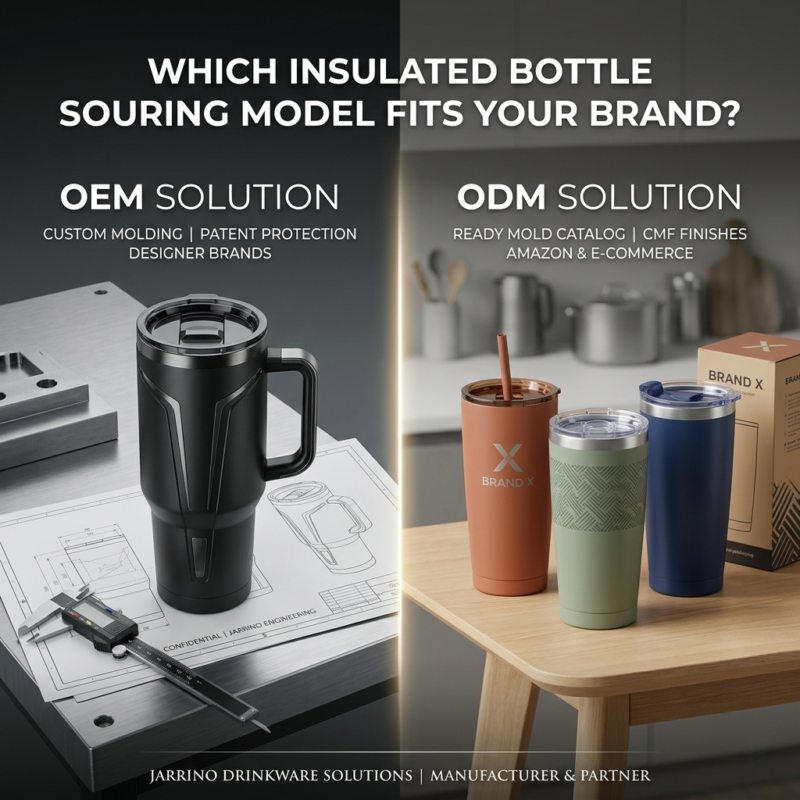
تصنيع المعدات الأصلية مقابل. البهلوانات المعزولة ODM: ما هو نموذج المصادر الذي يناسب العلامة التجارية الخاصة بأدوات الشرب الخاصة بك؟
الاختيار بين تصنيع المعدات الأصلية (تصنيع المعدات الأصلية) وتصنيع التصميم الشخصي (تصنيع التصميم الأصلي) يحدد العلامة التجارية لأدوات الشرب الخاصة بك R&د الميزانية, وقت الوصول إلى السوق, وحصرية المنتج. يعد OEM مثاليًا للعلامات التجارية الراسخة ذات تصميمات CAD المخصصة ومتطلبات IP الفريدة, عرض 100% صب مخصص وحماية براءات الاختراع. تم تصميم ODM لبائعي أمازون, الشركات الناشئة DTC, والمشترون من الشركات يبحثون عن تكاليف أدوات صفرية, موك منخفضة, وإطلاق سريع للمنتجات من خلال تشطيبات CMF المتقدمة (طلاء مسحوق, الطباعة بالأشعة فوق البنفسجية).
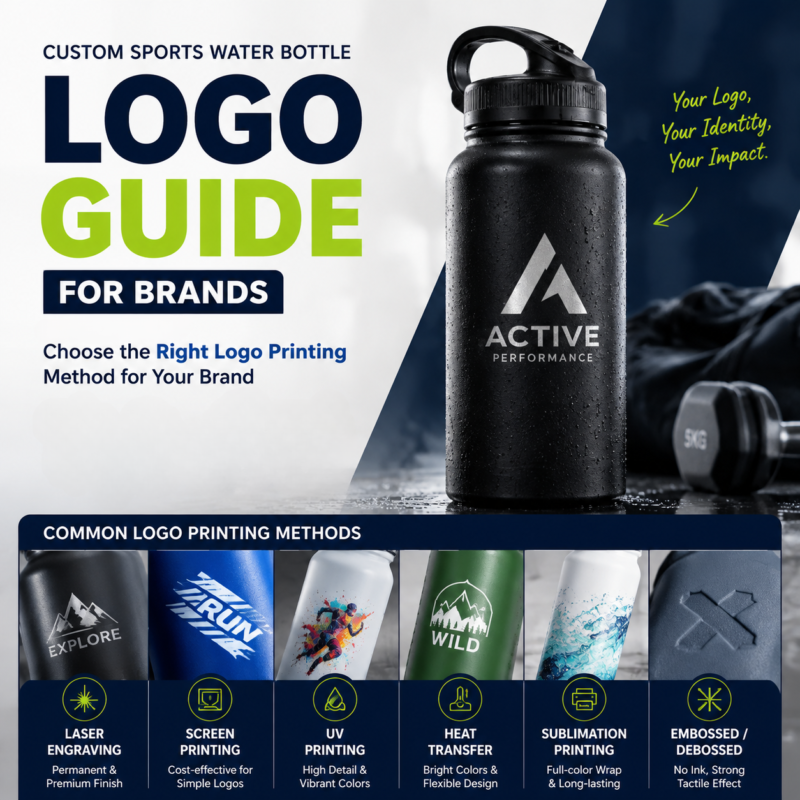
دليل شعار زجاجة المياه الرياضية المخصصة للعلامات التجارية
يتم إنشاء شعارات زجاجات المياه الرياضية المخصصة من خلال عمليات تزيين مختلفة اعتمادًا على مادة الزجاجة, تصميم العلامة التجارية, ومتطلبات الأداء. يغطي هذا الدليل طرق طباعة الشعار الأكثر شيوعًا, بما في ذلك النقش بالليزر, طباعة الشاشة, الطباعة بالأشعة فوق البنفسجية, نقل الحرارة, والتسامي, مساعدة العلامات التجارية الرياضية على تحديد خيار التخصيص المناسب لمنتجات أدوات الشرب المتينة والاحترافية.
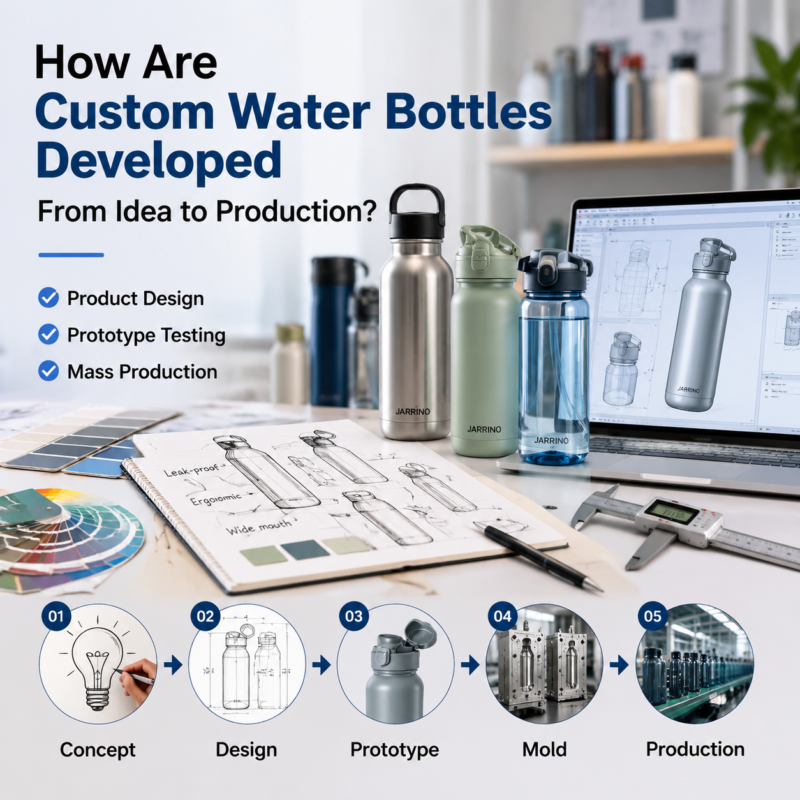
كيف يتم تطوير زجاجات المياه المخصصة من الفكرة إلى الإنتاج?
يتطلب تطوير زجاجة مياه مخصصة أكثر من مجرد اختيار تصميم وإضافة شعار. من مفهوم المنتج الأولي إلى الهندسة, النماذج الأولية, تطوير العفن, اختبار, والإنتاج الضخم, تلعب كل مرحلة دورًا مهمًا في إنشاء منتج ناجح لأدوات الشرب. يشرح هذا الدليل كيفية عمل العلامات التجارية مع الشركات المصنعة لزجاجات المياه OEM لتحويل الأفكار إلى أفكار عالية الجودة, منتجات جاهزة للسوق أثناء إدارة التصميم, يكلف, وتحديات الإنتاج.
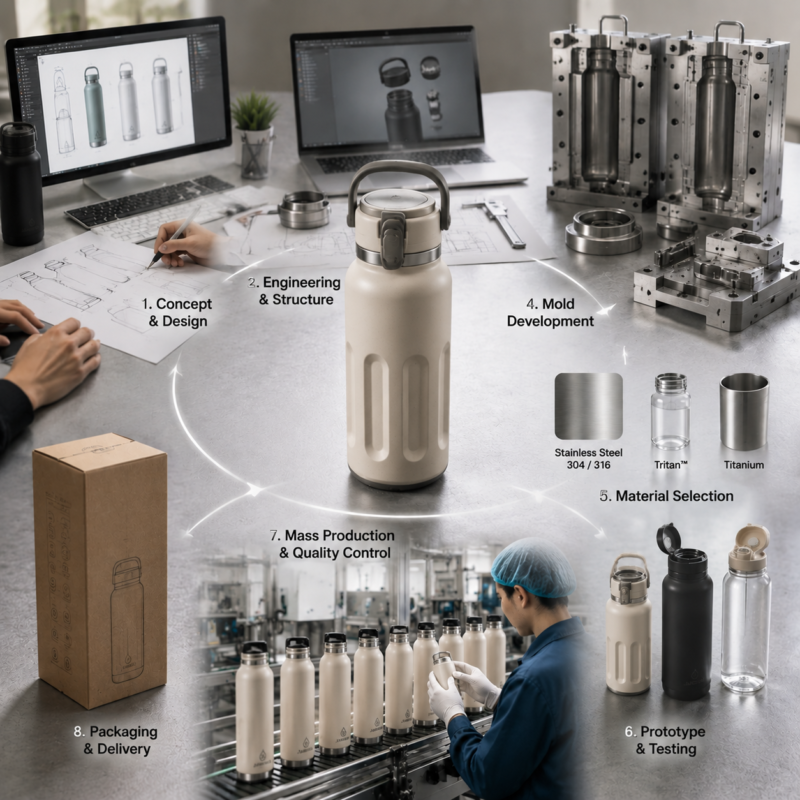
كيف يتم تصنيع زجاجات المياه المخصصة بالكامل؟?
يتضمن تطوير زجاجة مياه مخصصة بالكامل أكثر من مجرد إضافة شعار إلى منتج موجود. يشرح هذا الدليل كيفية إنشاء العلامات التجارية لزجاجات مياه فريدة من خلال تصميم المنتج, هندسة, اختيار المواد, تطوير العفن, اختبار النموذج الأولي, والإنتاج الضخم. تعرف على كيف تساعد إحدى الشركات المصنعة لزجاجات المياه ذات الخبرة OEM في تحويل الفكرة إلى منتج جاهز للسوق مع إدارة الجودة, يكلف, وكفاءة الإنتاج.
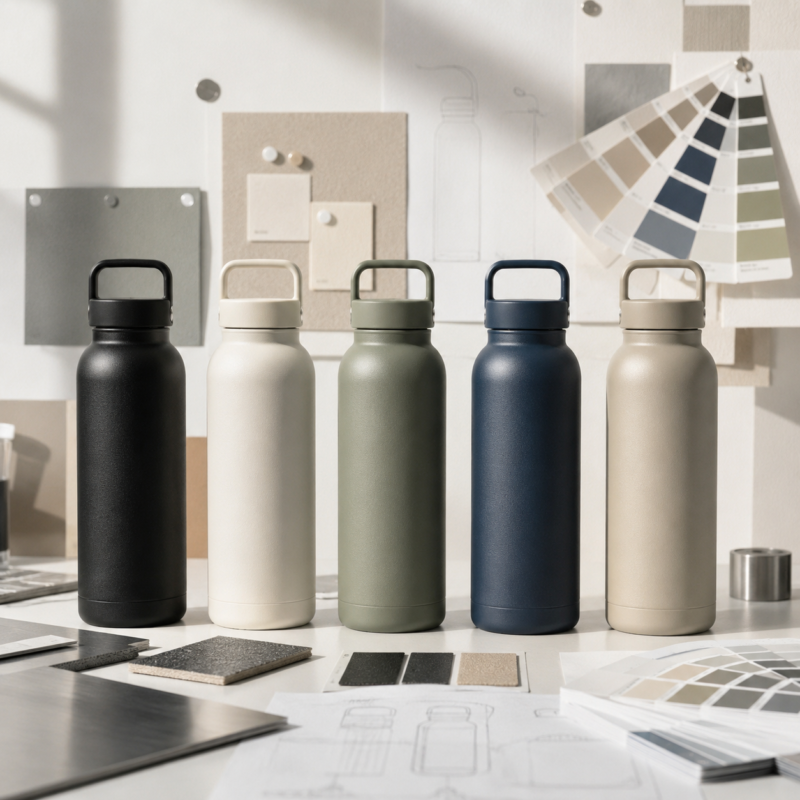
كيفية اختيار الألوان والتشطيبات لزجاجات المياه المخصصة
إن نجاح مجموعة زجاجات المياه المخصصة يعتمد على أكثر من الألوان الجذابة. اختيار لوحة الألوان المناسبة, الانتهاء من السطح, وتساعد استراتيجية التصنيع على تعزيز هوية العلامة التجارية, تحسين جاذبية العملاء, وضمان المبيعات على المدى الطويل. يشرح هذا الدليل كيفية اختيار الألوان بناءً على تفضيلات السوق, قارن بين التشطيبات اللامعة وغير اللامعة, تحسين وحدات SKU, وتحقيق جودة متسقة من خلال إنتاج OEM الاحترافي.
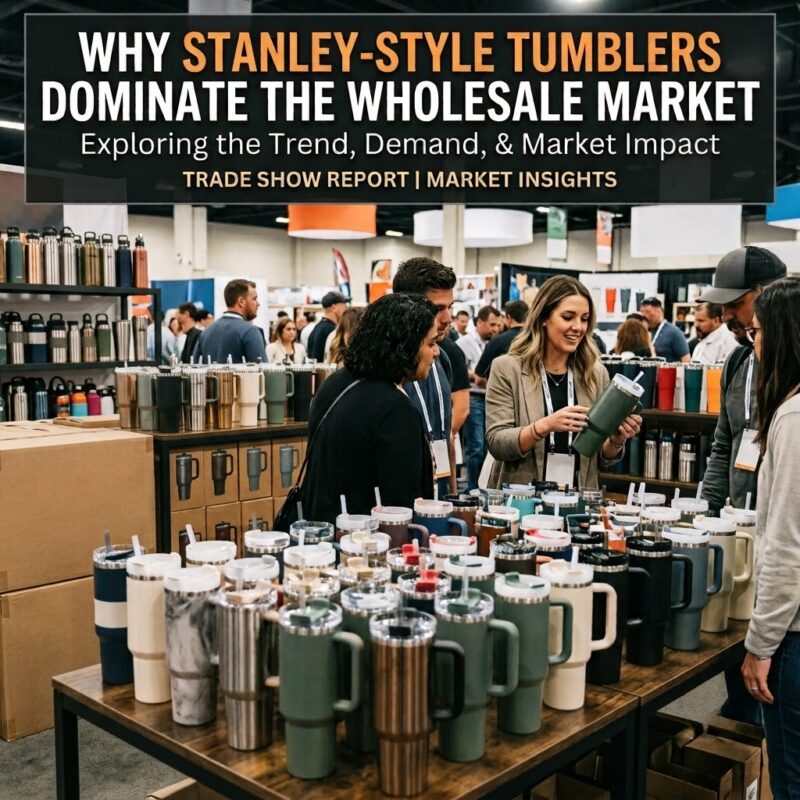
لماذا تهيمن البهلوانات على طراز ستانلي على سوق الجملة
أصبحت البهلوانات من طراز ستانلي ظاهرة ثقافية وأكثر الكتب مبيعًا بالجملة. يستكشف هذا المقال السبب - من 18/8 الفولاذ المقاوم للصدأ والعزل الفراغي مزدوج الجدار بقيمة عالية, إمكانية التخصيص, والطلب المستمر على الطلب المتكرر. تعلم ما الذي يجعل هذه البهلوانات موثوقة, فئة مربحة لمشتري الجملة.
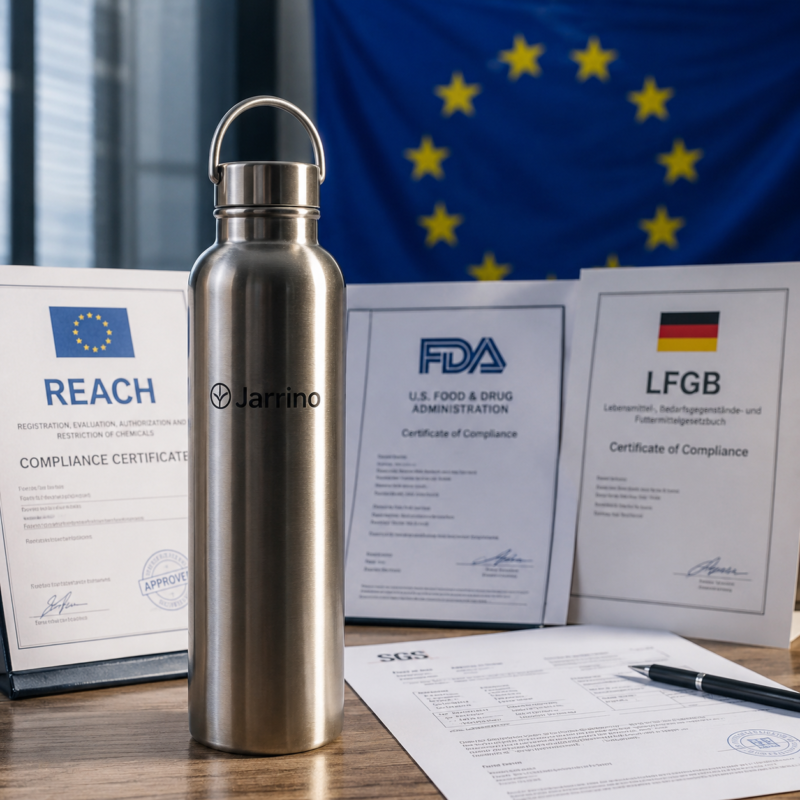
لائحة الاتحاد الأوروبي للمواد البلاستيكية الدقيقة 2026: ما يجب أن يعرفه كل مصنع لزجاجات المياه المخصصة
تعرف على آلية عمل لائحة المواد البلاستيكية الدقيقة في الاتحاد الأوروبي (الاتحاد الأوروبي) 2026/1168 يؤثر على الشركات المصنعة لزجاجات المياه المخصصة والعلامات التجارية الخاصة لأدوات الشرب. اكتشف كيف يساعد جارينو المستوردين على البقاء متوافقين مع REACH مع زجاجات المياه المتينة المصنوعة من الفولاذ المقاوم للصدأ.
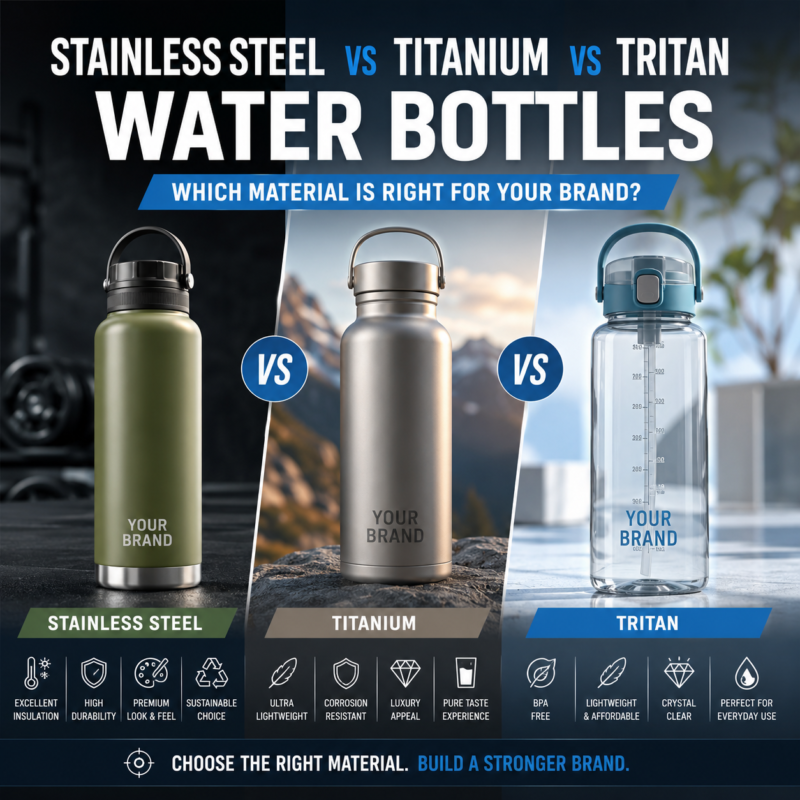
زجاجات المياه المصنوعة من الفولاذ المقاوم للصدأ والتيتانيوم مقابل التريتان: ما هي المواد المناسبة لعلامتك التجارية?
يمكن أن يؤثر اختيار مادة زجاجة المياه المناسبة بشكل كبير على جودة منتجك, التسعير, وتحديد المواقع العلامة التجارية. يقارن هذا الدليل الفولاذ المقاوم للصدأ, التيتانيوم, وزجاجات مياه تريتان تتميز بالمتانة, العزل, يكلف, التخصيص, والاستدامة لمساعدة العلامات التجارية, تجار التجزئة, ويختار مشترو OEM أفضل المواد للسوق المستهدف.
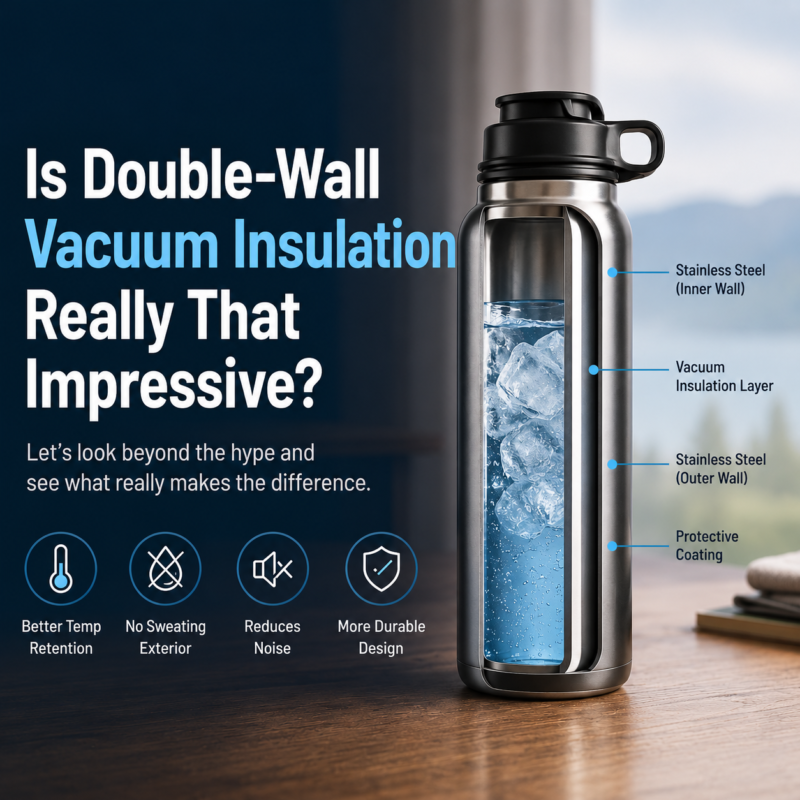
هل العزل الفراغي مزدوج الجدار مثير للإعجاب حقًا؟?
يُعد العزل الفراغي مزدوج الجدار أمرًا قياسيًا في أدوات الشرب المتميزة, لكن الفرق بين الزجاجة ذات الأداء الجيد والزجاجة المخيبة للآمال يعود إلى جودة التصنيع. يشرح هذا الدليل كيفية عمل العزل الفراغي, يضع توقعات أداء واقعية, ويعطي المشترين B2B قائمة مرجعية عملية لتقييم الموردين. زائد, لماذا تضمن معايير الجودة الصارمة لدى جارينو أن زجاجاتك المخصصة تفي بوعودها.
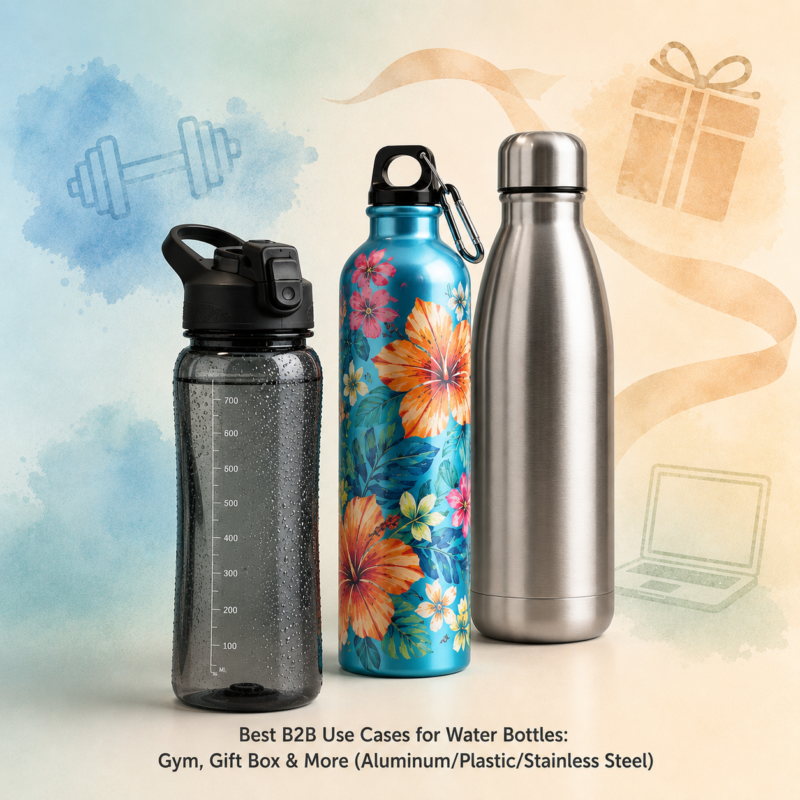
أفضل حالات استخدام B2B لزجاجات المياه: نادي رياضي, صندوق الهدايا & أكثر (الألومنيوم / البلاستيك / الصلب)
ليست كل زجاجة مياه تناسب كل حالة استخدام B2B. تتطابق هذه المقالة مع ثلاث مواد — الفولاذ المقاوم للصدأ, الألومنيوم, البلاستيك - لتطبيقات العالم الحقيقي: صالات رياضية, صناديق هدايا الشركات, المعارض التجارية, التجزئة في الهواء الطلق, والبرامج المدرسية. الفولاذ المقاوم للصدأ يفوز بالمتانة والعزل. الألومنيوم يقدم خفيفة الوزن, العلامة التجارية بالألوان الكاملة. يعتبر البلاستيك صديقًا للميزانية بالنسبة للأحداث كبيرة الحجم (بشرط أن تكون خالية من مادة BPA). تساعد ورقة الغش السريعة المشترين في مجال B2B على موازنة التكلفة, صورة العلامة التجارية, وتوقعات المستخدم.