

Why are 316 stainless steel bottles more expensive than 304 stainless steel bottles?
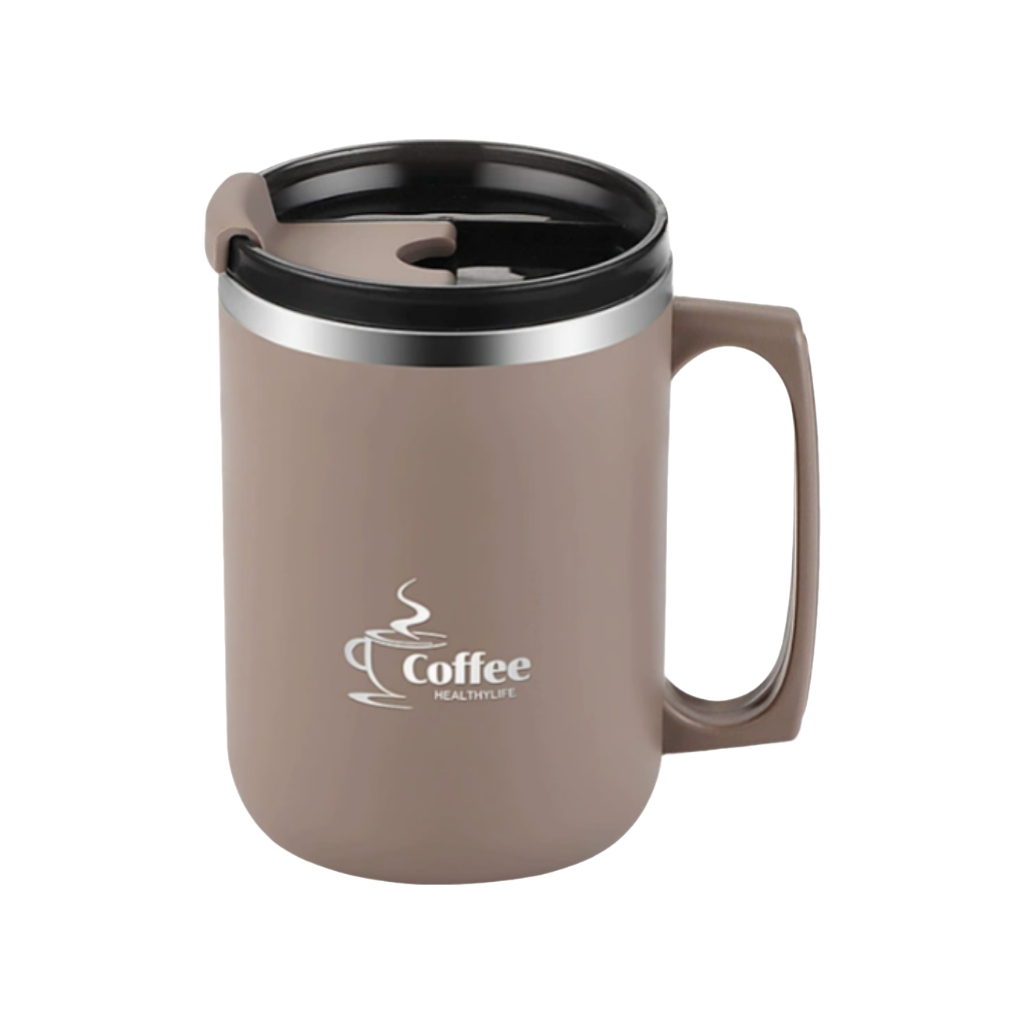
If you’ve ever bought a high-end thermos or baby bottle, you’ve probably noticed the prominent label: made of 316 stainless steel. You’ve also probably noticed—it’s more expensive. Whether retail or in bulk, 316 stainless steel bottles are always more expensive than 304 stainless steel bottles.
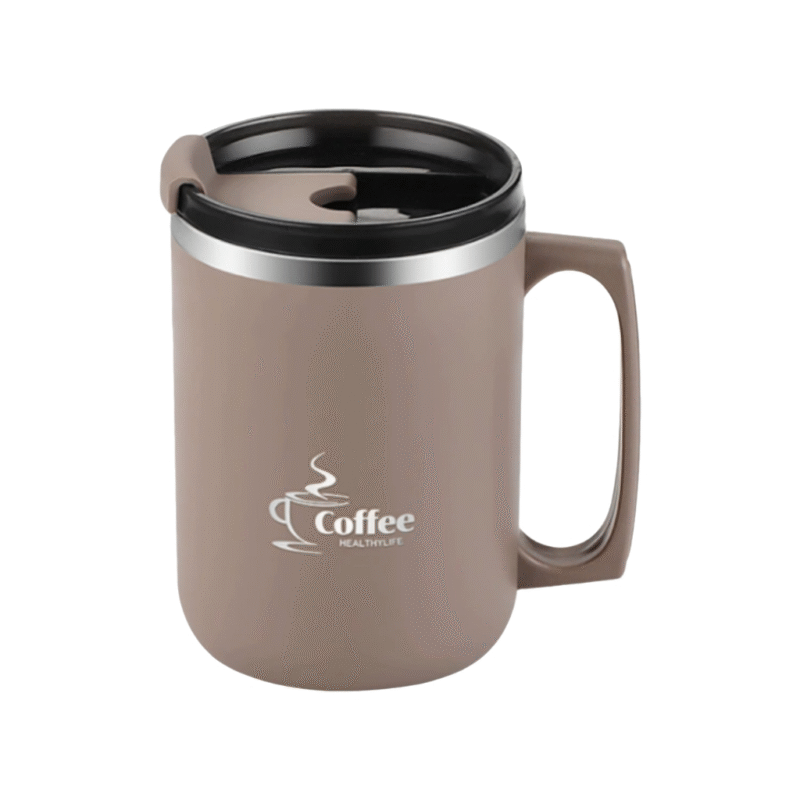
So, what’s so special about 316 stainless steel?
The secret lies in a component present in extremely small amounts yet with powerful effects: molybdenum (yes, the name is a bit of a mouthful). Adding just 2-3% of this rare metal can increase corrosion resistance by more than 3 times! This is why 316 stainless steel has become the material of choice for high-quality beverage utensils such as baby bottles, custom coffee cups, and high-end thermos flasks.
What is Molybdenum?
Let’s talk about the real key factor behind the performance of 316 stainless steel—molybdenum (chemical symbol: Mo). This might sound like something out of a chemistry textbook, but this silvery-white metal plays a crucial role in the superior performance of 316 stainless steel bottles compared to 304 stainless steel bottles.
- A Superpowered Physical Form
Molybdenum has one of the highest melting points of all metals, reaching 2623°C, second only to tungsten. Even at temperatures as high as 1000°C, it retains nearly 90% of its strength, while common metals like iron lose half that strength. This exceptional heat resistance makes it a preferred material for aerospace and military applications. Adding it to stainless steel allows water bottles to easily withstand acidic water, steam sterilization, and harsh outdoor environments. - A Natural Corrosion Barrier
Molybdenum also forms a protective oxide layer called molybdenum trioxide (MoO₃). You can think of it as a natural armor that resists rust even in highly acidic or highly saline environments. In fact, its corrosion resistance is 100 times stronger than iron, and it even remains intact in aqua regia (a strong acid strong enough to dissolve gold!). This is why 316 stainless steel is commonly used in custom baby bottles, medical thermos flasks, or any container holding sensitive or highly acidic beverages. - Small Quantity, Big Impact
The key is that molybdenum constitutes only 0.001% of the Earth’s crust. Primarily produced in China, the United States, and Chile, it is a strategically important and rare resource. Adding just 2% to 3% molybdenum to a steel formulation can significantly improve its durability, temperature resistance, and corrosion resistance. This is why it is often called the “vitamin of the metal world”—a little goes a long way.
For manufacturers supplying bulk or custom stainless steel bottles, using 316 stainless steel means fully utilizing the properties of molybdenum to meet high-quality demands. Whether your customers are concerned with health and safety, outdoor durability, or daily sterilization, this metal gives them peace of mind every time they drink.
Why is 316 more expensive than 304?
One major reason 316 stainless steel is more expensive than 304 stainless steel is the addition of molybdenum, a rare and valuable element. Molybdenum is more than ten times the price of chromium or nickel, and even small amounts significantly increase the cost of the raw material.
But that’s not all. The production process for 316 stainless steel is more demanding. It requires stricter temperature control, more precise alloying ratios, and more stringent quality assurance—especially important for custom water bottles or medical-grade applications. These additional steps ensure that 316 stainless steel performs reliably in environments where 304 stainless steel might fail.
Of course, scarcity also plays a role. Molybdenum is a strategic resource, primarily concentrated in a few countries such as China, the United States, and Chile. Limited supply and growing demand from the aerospace, medical, and food industries drive up its market price.
Therefore, while the unit cost may be higher, the value per use—especially in long-term bulk orders or high-trust industries—often exceeds the initial investment. You’re not just paying for steel; you’re paying for peace of mind, greater security, and long-term durability.
The True Shining Aspects of 316 Stainless Steel
In today’s beverage industry, 316 stainless steel is no longer limited to laboratory tests and metal property charts; it has become the trusted choice for many industries seeking higher standards. Thanks to the powerful properties of molybdenum, it is not just steel, but a smart protective material designed to meet real-world challenges.
Take high-end thermos flasks as an example. Beverages like coffee and tea contain acidic substances such as chlorogenic acid and tannins, which can cause slight corrosion with prolonged consumption. However, 316 stainless steel exhibits excellent resistance to these reactions. Even after being steeped in coffee at 60°C for 24 hours, the release of metal ions is only 0.01 mg/L, far below national safety standards. This means no metallic taste, only a pure and delicious beverage. The same applies to carbonated drinks and electrolyte powders: carbon dioxide and chloride ions corrode ordinary stainless steel, while 316 stainless steel maintains its integrity and ensures the pure flavor of the beverage.
In the field of baby and maternity products, performance is particularly important. Infant formula contains sensitive ingredients such as lactoferrin and vitamin C, which are easily degraded upon contact with active substances. 316 stainless steel not only resists this type of corrosion, but its protective layer also remains stable even after repeated high-temperature sterilization. Therefore, many high-end custom baby bottles and food containers use 316 stainless steel. Hospitals also use it for surgical drainage containers and sterilization tanks because it is one of the few stainless steels that can meet medical-grade safety standards even when exposed to strong oxidizing agents such as iodine and alcohol.
The durability of 316 stainless steel is also highly beneficial in outdoor and business settings. Whether hiking in the rain or relaxing in the salty sea breeze, a high-quality 316 stainless steel water bottle lasts two to three years longer than a 304 stainless steel water bottle. In the office, it quietly demonstrates its value, effectively preventing mineral deposits and discoloration even when holding herbal teas or traditional medicines. After months of use, the inside remains clean and smooth, requiring no strenuous cleaning.
At Jarrino , we have dedicated ourselves to refining the craft of stainless steel bottle manufacturing for many years. We understand how to fully realize the potential of 316 stainless steel, meticulously attending to every step from selecting the right raw materials to precision molding and vacuum sealing. Choosing Jarrino Drinkware is not just buying a bottle; it’s an investment in market confidence, long-term performance, and customer trust. In this world of abundant choices, a meticulously crafted 316 stainless steel bottle incorporating molybdenum is much more than just a product. It’s a reliable, high-profit star on your shelf, and the ideal choice for repeat customers.