

What’s the difference between 304 and 316 stainless steel for thermos flasks?
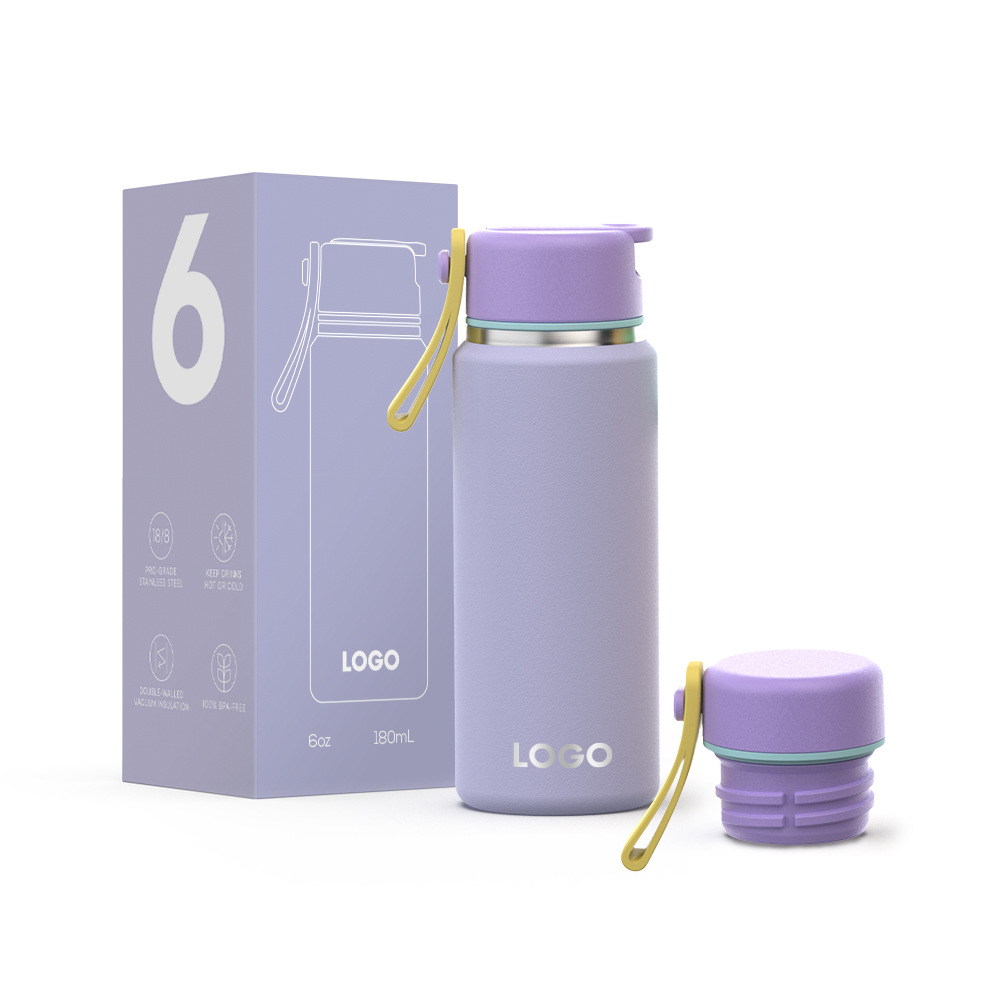
When choosing a reusable insulated mug or water bottle, the lining material is often the deciding factor. Among the many specifications, “304 stainless steel” and “316 stainless steel” are the most common keywords on product labels. What exactly are the differences between them? How can consumers make an informed choice based on their needs? Jarrino will explain the science behind these two common materials in this article.
Part 1: Core Differences – From Chemical Composition to Application
At their core, both 304 and 316 belong to the austenitic stainless steel family, known for good corrosion resistance and formability. However, the addition of one critical element significantly alters their performance profile.
- 304 Stainless Steel (The Food-Grade Standard)
This is the most widely used food-grade stainless steel, also known as 18/8 stainless steel (containing 18% Chromium and 8% Nickel). Chromium forms a passive, protective oxide layer on the surface, which is the foundation of rust resistance. Nickel enhances ductility and further improves corrosion resistance. Grade 304 is perfectly adequate for handling daily beverages like water, tea, and coffee, representing a cost-effective and reliable choice for general use. - 316 Stainless Steel (The Medical-Grade Upgrade)
This grade builds upon the 304 formula by adding approximately 2-3% Molybdenum (Mo). This single element is a game-changer. Molybdenum drastically increases resistance to chlorides and other harsh environments, making it significantly less prone to pitting and crevice corrosion compared to 304.
Quick-Reference Comparison Table
| Feature | 304 Stainless Steel | 316 Stainless Steel |
|---|---|---|
| Key Composition | Iron, Chromium (~18%), Nickel (~8%) | 304 base + Molybdenum (2-3%) |
| Common Designation | 18/8 Stainless Steel | Surgical Steel / Marine-Grade Steel |
| Primary Advantage | Excellent general corrosion resistance, food-safe, cost-effective | Superior corrosion resistance, especially against chlorides, acids, and salts |
| Typical Applications | Daily-use tumblers, kitchenware, appliances, architectural trim | Medical instruments, marine hardware, chemical processing equipment, premium tumblers |
| Relative Cost | Lower | Higher (due to molybdenum content) |
Part 2: Practical Implications for Your Drinkware
Understanding the chemical difference helps us translate it into real-world use cases for your bottle.
- For 304 Bottles (The Everyday Workhorse):
Your daily driver. It’s perfectly safe and durable for carrying water, coffee, tea, and most common soft drinks. It’s the standard for a reason. However, if you frequently leave acidic drinks (like lemon water, fruit juices, or soda) or dairy products sitting in the bottle for extended periods (overnight or longer), you might notice slight metallic tastes or, over a very long time, potential for weaker corrosion spots. For occasional use with these beverages, it’s fine, but thorough and prompt cleaning is recommended. - For 316 Bottles (The Specialist):
This is the premium choice for specific needs. Its enhanced resistance makes it ideal for:- Acidic or Alkaline Drinks: Perfect for those who regularly carry lemon water, sports drinks, kombucha, or plant-based milks without concern.
- High-Chloride Environments: Excellent for users in coastal areas where salty air is a factor, or for those who use electrolyte tablets in their water.
- Longer Liquid Storage: Provides an extra margin of safety for drinks stored for many hours.
- For the Metal-Sensitive: While both are hypoallergenic, 316’s superior stability can be preferable for individuals with known sensitivities to nickel, as it minimizes any potential metal ion migration.
Part 3: How to Identify and Choose
- Look for the Mark: Reputable manufacturers stamp the inner base of the bottle with the grade, such as “SUS304”, “304”, “SUS316”, or “316”. This is your most reliable indicator.
- Making Your Choice:
- Choose 304 if: Your primary use is for water, coffee, and tea. You want the best value for money and don’t plan on storing aggressive liquids long-term.
- Invest in 316 if: You frequently drink acidic beverages, use your bottle for a wide variety of liquids including dairy or sports drinks, live in a coastal climate, have metal sensitivities, or simply want the highest available durability and peace of mind for your drinkware.
Conclusion: It’s About the Right Tool for the Job
Both 304 and 316 stainless steel are safe, high-quality materials for food and beverage containers. 304 is the robust, all-purpose standard, meeting the needs of the vast majority of users. 316 is the specialized, high-performance alloy, offering unparalleled resistance for demanding use cases and sensitive contents.
There are no “bad” choices—only the ones best suited to your personal habits. By understanding their characteristics, you can choose a water bottle that perfectly matches your lifestyle, ensuring your beverages always taste authentic and the bottle lasts a long time. Jarrino, as a professional manufacturer of insulated water bottles, produces various types and offers OEM/ODM services. If you have any insulated water bottle sourcing needs, please contact Jarrino.