

Types of plastic bottles

Plastic water bottles have become an indispensable part of modern life. Compared to traditional glass and ceramic cups, plastic bottles are lightweight, durable, and affordable, making them a popular choice for everyday use. However, due to the inherent properties of the material, many concerns have been raised. Among the wide variety of plastic bottles available, are they safe and non-toxic to humans, or environmentally friendly?
Why are plastic water bottles so popular?
Plastic water bottles have become the preferred choice for many due to their lightweight, durability, and affordability. Unlike glass or ceramic water bottles, plastic bottles easily slip into a bag without worrying about breakage or added weight—perfect for commuting, exercising, going to school, or everyday use.
What truly makes them stand out is their versatility. Plastic is easy to mold and shape, so you can find a wide variety of styles, from fun cartoon designs to sleek, modern minimalist styles. Many water bottles also come with additional features such as an antibacterial coating, UV protection, or double insulation—ideal for keeping drinks fresh and keeping your hands comfortable.
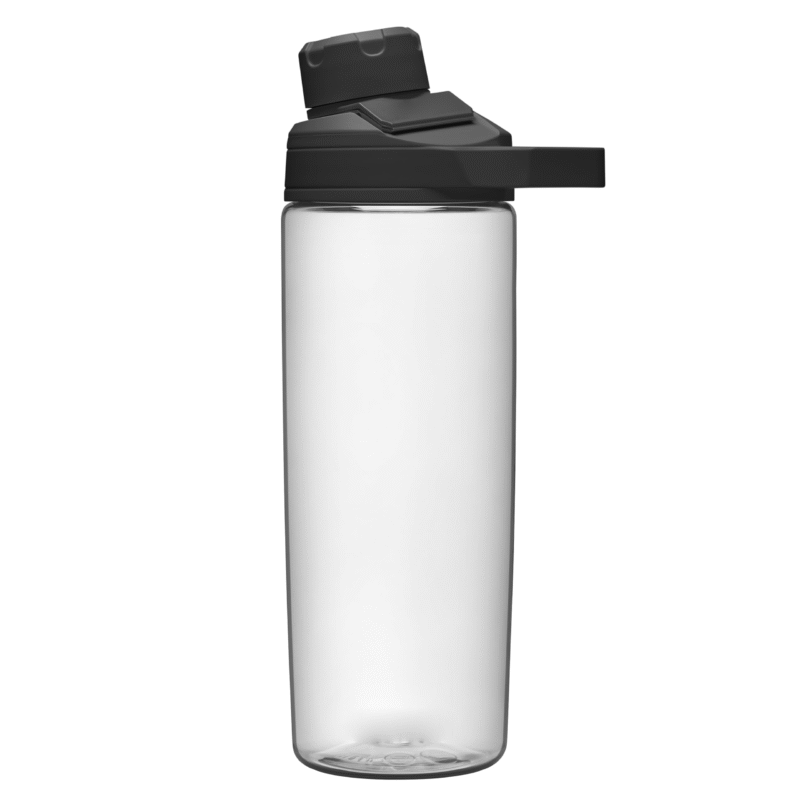
Types of Plastics Used in Water Bottles
Not all plastic bottles are created equal. The type of plastic used affects every aspect of a plastic bottle, from appearance and durability to safety and cost. Here is a detailed introduction to some of the most common plastic materials and their differences:
- PP (Polypropylene)
PP bottles are typically translucent or frosted, with a simple and practical design. They are lightweight, BPA-free, and safe for hot drinks, making them microwave and dishwasher safe. Due to their strong chemical stability, they do not react with most beverages, making them ideal for everyday use.
Advantages: Affordable, safe for food, heat-resistant, suitable for frequent use.
Disadvantages: Medium hardness, may scratch over time, and the appearance is not as premium as high-end plastics.
Best for: Commuters, families, consumers on a budget, and businesses looking for cost-effective promotional gifts.
Price Range: Mid-to-low price range.
- Tritan (Copolyester)
Tritan water bottles have a crystal-clear, glass-like appearance and are very durable. They are BPA-free and FDA-approved, making them commonly used in baby bottles. Tritan, with its stain-resistant, odor-resistant, and impact-resistant properties, is an ideal choice for those who value both style and safety.
Advantages: High transparency, tough and shatterproof, safe for acidic beverages, easy to clean, and leaves no residual odor.
Disadvantages: Higher material cost.
Best for: Health-conscious users, parents, gift buyers, and brands targeting the high-end market.
Price Range: Mid-to-high end.
- Other Common Plastics
Polyethylene (PE): Soft, flexible, and inexpensive. PE bottles are typically used for temporary or single-use products. They are not heat-resistant and easily deformed, making them best suited for cold or room-temperature beverages.
Polycarbonate (PC): Polycarbonate was once a common material for sports water bottles due to its strength and transparency, but it is now less popular due to concerns about bisphenol A (BPA) and UV sensitivity. Polycarbonate may release harmful chemicals when exposed to high temperatures or sunlight. While polycarbonate is still used in some low-priced products, it is gradually being replaced by safer alternatives such as Tritan.
PS (Polystyrene): Transparent but fragile, not heat-resistant and easily broken. It is mainly used for short-term or promotional items, such as dessert cups and giveaway bottles.
For brands and retailers, the choice between PP and Tritan is not merely a matter of materials, but rather matching the right product to the right customer.
PP aims to make safety accessible. It’s inexpensive, BPA-free, heat-resistant, and meets everyday drinking water needs. Its affordability makes it a preferred material for mass-market products.
On the other hand, consumers are willing to pay more for peace of mind with Tritan fabric. With its premium look and reliable safety performance, it appeals to families and individuals who value health, durability, and aesthetics—especially in markets that prioritize quality and lifestyle.
Understanding the balance between cost and positioning is key to building a smart product line. PP meets entry-level basic needs, while Tritan taps into the high-end market. This way, a suitable material can be found at every price point.