

After drinking water for decades, do you really know how to choose a water cup?

As the saying goes, a good water cup guarantees a satisfying drink every day.
While many people pay attention to the appearance of their cups, they’re actually more concerned with:
What type of cup is healthier for drinking water?
Why does my water cup smell when I drink from it?
Is using the wrong water cup really like drinking poison?
Choosing a water cup does require some attention, but it’s not likely to leak harmful substances. Сегодня, let’s discuss how to choose a cup that suits your taste from a wide variety of options.
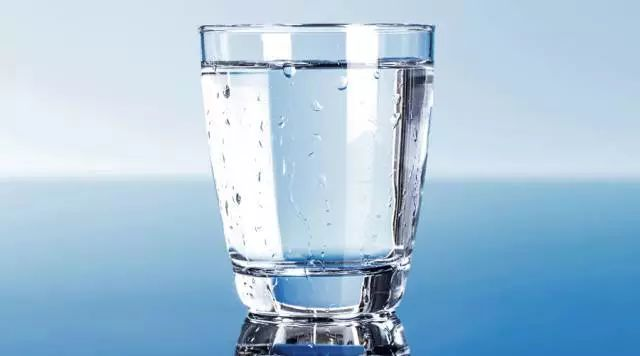
From a safety perspective, glass is probably the best choice. It rarely leaks harmful substances and can hold water of varying temperatures.
Furthermore, glass is slippery and easy to clean. It’s also aesthetically pleasing, and drinking from it offers a strange sense of ritual.
Однако, glass also has its drawbacks: it’s fragile and can easily shatter into pieces.
So, if you’re out and about or have unruly children at home, glass is like a Mary Sue heroine—a safe haven.

A concern with stainless steel cups is the potential for leaching of metals like chromium and manganese. There are many different types of stainless steel, so let’s briefly discuss them by category.
- Food-Grade Stainless Steel
Higher-quality stainless steel cups are made of food-grade stainless steel (such as 304 steel). Even in standard tests using strong acids and prolonged immersion, the amount of chromium, manganese, and other metals that leach out is negligible.
А «Материал» label will be included in the product description.
We usually just use them to hold water, чай, кофе, juice, и т. д., which is much milder than the test conditions, so there’s no need to worry about «leaching harmful metals.»
- High Manganese Steel
Some stainless steel cups are made of «high manganese steel.» This high manganese steel may leach a lot of manganese, which is why rumors about stainless steel cups are spreading on social media.
Фактически, manganese is a trace element essential to the human body, and only an «excess» amount is harmful, so don’t act recklessly. The truth is, even the «excessive» manganese leachate reported in those reports only accounts for a small fraction of the normal human manganese intake and will not affect health.
If we really want to talk about the «stigmas» of stainless steel cups, there are some.
They are expensive, especially those made from food-grade stainless steel.
Some ceramic cups have patterns on their interiors, raising concerns that the pigments used in these designs may contain heavy metals like lead.
These patterns are categorized by technique as «underglaze» и «overglaze.»
Underglaze appears patterned, but feels smooth to the touch, maintaining its quality. Heavy metals in the pigments rarely leach out, so there’s no need to worry.

Overglaze not only creates a visually appealing pattern but also creates a 3D feel. Однако, heavy metals in the pigment are more likely to leach out.
So, to put it simply:
- Unglazed cups are similar in safety to glass cups;
- Overglaze cups with a smooth inner layer of glaze are generally safer;
- Overglaze cups with a glaze on the outer surface of the glaze pose a risk of heavy metals like lead leaching out.
There are many types of plastic, with varying degrees of quality. Here’s a quick guide to choosing:
- Those marked «microwave-safe» are safe and usable;
- Those not marked should be used conservatively. Avoid leaving water in the cups for too long, especially with acidic beverages or hot water.
Plastic cups can also harbor bacteria if not cleaned properly.

Paper cups were invented to prevent the safety hazards associated with cross-use (i.e., sharing cups).
Paper cups themselves don’t present obvious safety risks, but as a simple, inexpensive product, their quality control isn’t always guaranteed.
Furthermore, paper cups are typically landfilled or incinerated, which is environmentally unfriendly.
So…
To summarize:
Home supplies for drinking water and beverages: стекло, нержавеющая сталь, and ceramic cups without glaze;
Outings: double-walled stainless steel thermos;
Permitted for use, but not recommended for frequent use: ceramic cups with glaze and microwaveable plastic cups.