

How to sterilize a thermos flask?
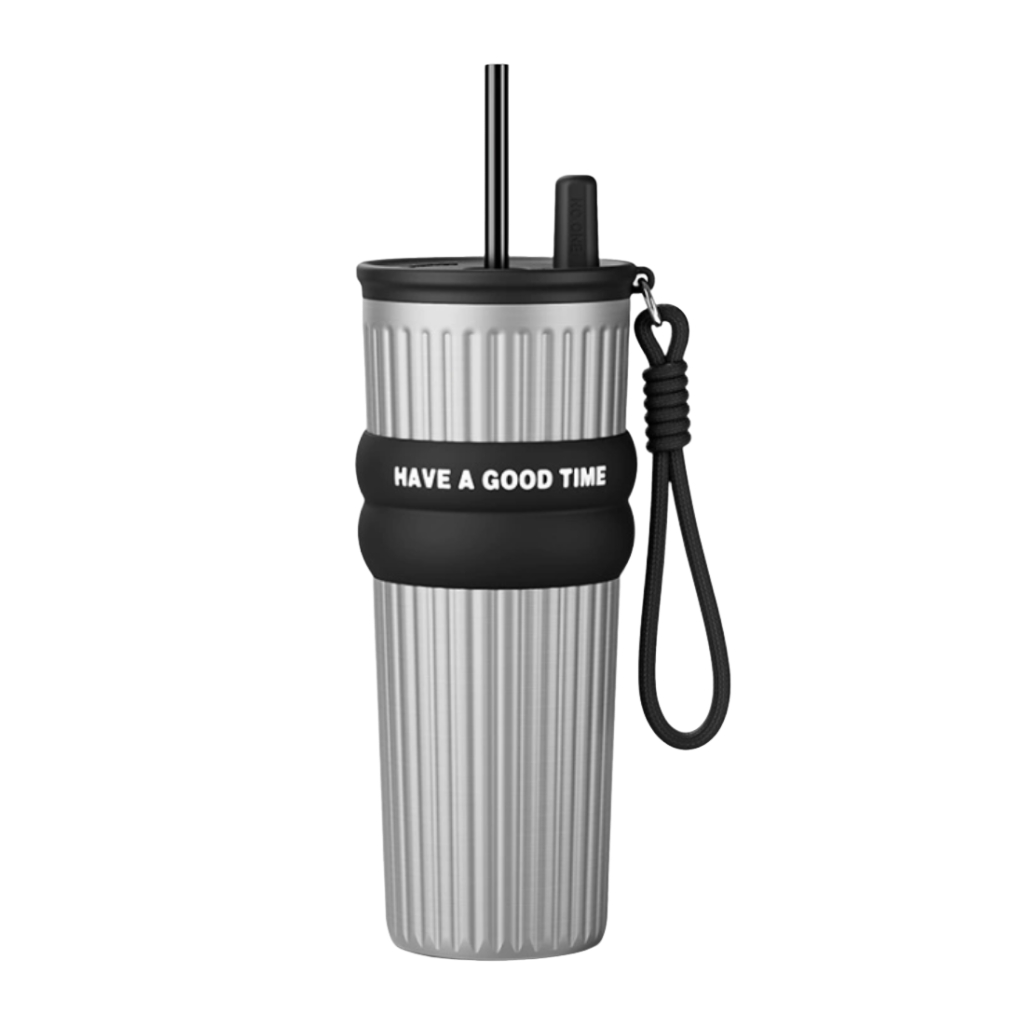
Your thermos may look clean on the outside, but bacteria, odors, and mineral buildup can quietly grow inside due to daily use. Whether you fill it with coffee, tea, soup, or plain water, residue will accumulate over time—especially in hard-to-reach corners like the lid or neck.
If not sterilized regularly, these invisible residues can cause unpleasant odors, strange tastes, and even health hazards. Worse still, improper cleaning can lead to mold growth or internal corrosion, shortening the product’s lifespan.
Regularly sterilizing your thermos not only ensures every sip of water remains fresh and safe but also helps maintain its performance and lifespan, especially for stainless steel thermoses designed to keep beverages hot or cold for hours.
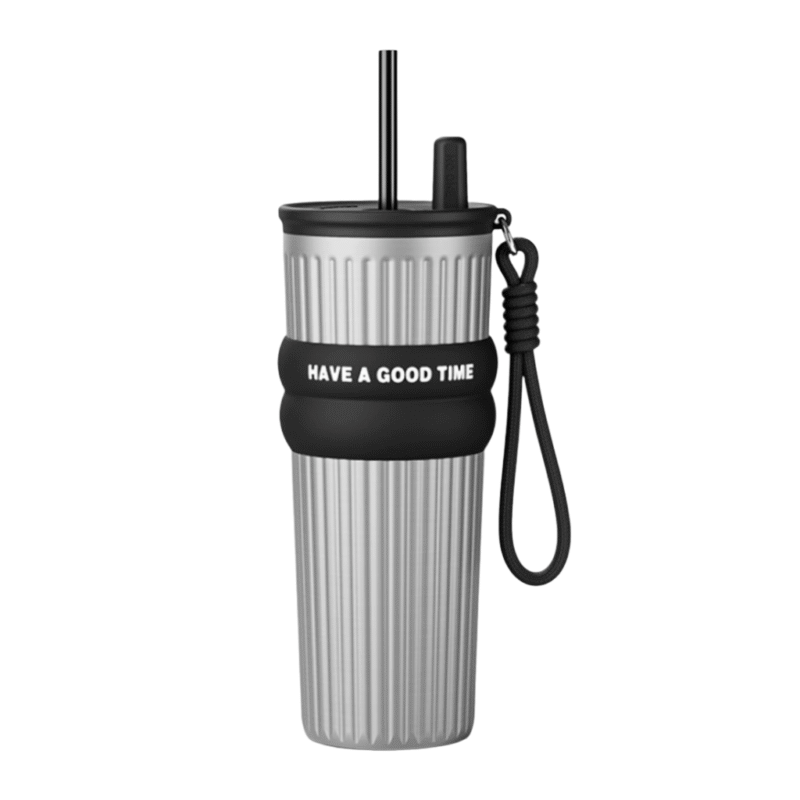
Preparation Before Sterilizing
Before sterilizing, it’s crucial to understand the material your thermos is made of. Most high-quality thermoses have an interior made of 304 or 316 stainless steel—both food-grade materials that are safe to use with hot water and most disinfectants. However, to avoid damaging any coatings or components, be sure to carefully review the manufacturer’s label or product manual.
Next, remove all removable parts: this includes the lid, silicone seal, straw, or spout. These small parts are often made of different materials, such as plastic, Tritan™, or stainless steel, each of which may require slightly different cleaning methods. For example:
Plastic or Tritan parts are more sensitive to heat, so they’re best sterilized with warm soapy water or a diluted vinegar solution.
Stainless steel parts can withstand boiling water or steam, allowing for more thorough sterilization.
Taking the time to properly prepare your thermos ensures a more thorough and safe cleaning and prevents damage to any part of the cup.
Effective Disinfection Methods
Once all parts are disassembled and ready, the thermos can be disinfected. Here are some simple and effective disinfection methods, safe even for stainless steel:
Hot Water Rinse (Best Choice for Daily Cleaning)
The simplest and most convenient method is to fill the thermos with boiling water and let it sit for 5-10 minutes. This helps kill most common bacteria and is gentle enough for everyday use. After rinsing, be sure to pour out the water and let it air dry completely to prevent moisture buildup.
Baking Soda + Hot Water Solution:
Add 1-2 teaspoons of baking soda to the thermos, then pour in hot water (not boiling water) until full. Cover the thermos (do not tighten the lid) and let it sit for 15-30 minutes. Baking soda is a natural deodorizer and can effectively remove residual odors or minor stains. After soaking, if necessary, gently scrub with a soft brush, rinse thoroughly, and then air dry.
If you find limescale, cloudy stains, or stubborn odors, white vinegar or citric acid can help. Mix white vinegar and water in a 1:3 ratio (or dissolve a teaspoon of citric acid powder in warm water), shake gently, and let it soak for 30 minutes to 1 hour. This acidic solution helps break down mineral deposits and kill bacteria without damaging the stainless steel liner.
These methods are safe for 304/316 stainless steel and can be rotated weekly or monthly depending on how often you use your thermos.
Don’t forget the small parts.
While the main body of the thermos is the most noticeable, it’s often the small parts like the lid, silicone ring, or straw that are most prone to harboring bacteria and mold. Here’s how to clean these parts effectively and safely:
Clean the lid and silicone ring with a toothbrush.
Gently remove the silicone ring from the lid, then carefully scrub the lid and silicone ring with a soft-bristled toothbrush dipped in warm soapy water. These areas often accumulate moisture and residue, especially when the thermos contains coffee, tea, or flavored beverages.
Clean the spout and drinking spout with a fine brush.
If your thermos has a built-in spout, drinking spout, or detachable drinking nozzle (especially if it’s made of plastic), use a dedicated spout brush for thorough cleaning. This helps remove dirt that is not visible to the naked eye but has accumulated over time and can cause odors or contamination.
Avoid using harsh tools or chemicals.
Never use steel wool, strong acid cleaners, or bleach, as these substances can scratch stainless steel, damage protective coatings, or corrode rubber and plastic parts. Always choose a soft-bristled brush and food-grade cleaner.
Keeping these small parts clean is essential for maintaining the overall hygiene of your thermos and ensuring that every sip of water remains fresh and safe.
For large-volume wholesale water bottle orders, a professional manufacturer like Jarrino offers end-to-end service: not only does it produce and customize the bottles, but we also assist with the custom packaging process. We can pre-package each bottle and include your branded care card, cleaning kit, or other accessories—ensuring every product reaches your customers complete, informative, and ready to use.