

Quels sont les inconvénients et les avantages du thermos en céramique?
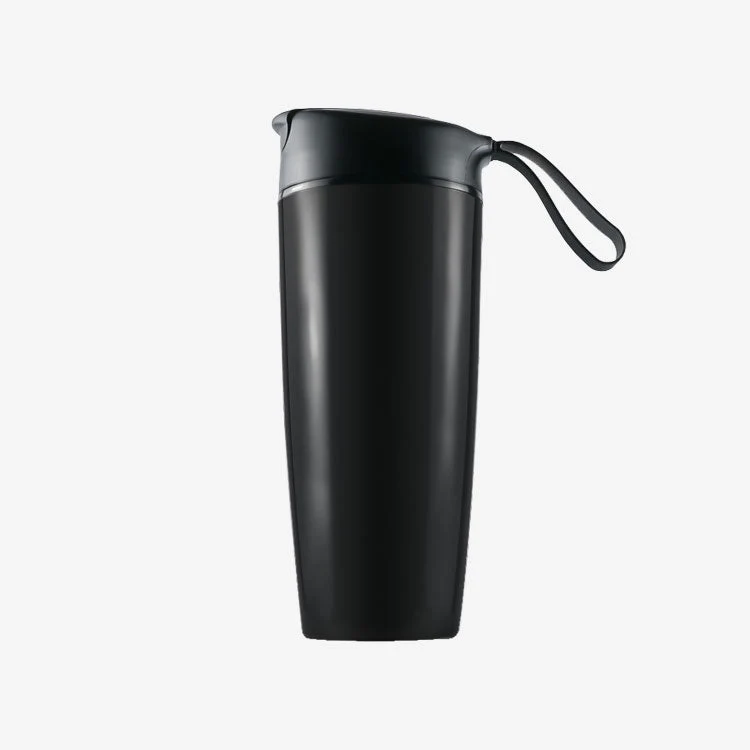
Combien de types de thermos en céramique existe-t-il?
Common thermoses on the market are made of two materials: ceramic and stainless steel. Ceramic thermoses can be further categorized by their structure into ceramic-coated thermoses and ceramic-lined thermoses.
What are the disadvantages of ceramic thermos?
- Breaks easily after being dropped or impacted
The biggest drawback of ceramic is its fragility. If a thermos is dropped or hit hard, it can easily crack or shatter.
How to avoid this: Si tu’re concerned about breakage, consider choosing a thermos made of stainless steel or plastic, which are more impact-resistant.
- Shorter heat retention time
Stainless steel thermoses generally retain heat better than ceramic ones. This is because stainless steel thermoses often use a double-layer, triple-layer, or even vacuum-layer construction.
How to avoid: If you need to keep drinks hot for extended periods, il’s recommended to carefully check the thermos’s heat retention time and actual measurements.
- Heavy Weight
Due to the nature of ceramic, ceramic thermoses are generally heavier than thermoses made of other materials, which can make them inconvenient to carry for extended periods or when traveling.
How to avoid: For those who need a lightweight thermos, consider aluminum or plastic, which are lighter.
- Prix plus élevé
High-quality ceramic thermoses are generally more expensive, which may be a consideration for those on a budget.
How to avoid: Si tu’re on a budget, consider plastic or regular stainless steel thermoses, which are generally more affordable.
What are the advantages of ceramic thermos?
- Excellent Heat Insulation
Ceramic thermoses offer excellent heat retention, effectively maintaining the temperature of drinks, whether hot or cold.
This is because ceramic has a low thermal conductivity and is not a good conductor of heat, allowing it to retain drinks at their original temperature for extended periods.
- Free of Harmful Substances
Ceramic is a safe material, free of potentially harmful chemicals such as BPA (Bisphenol A).
When using a ceramic thermos for hot drinks, you don’t have to worry about the release of chemicals. If you frequently need to carry hot drinks on the go, ceramic is a great choice!
- No Residual Odors
Ceramic doesn’t have the microscopic pores of plastic or some metal surfaces that can absorb and retain odor molecules from beverages.
Therefore, if you use a ceramic mug to store coffee or other strong-smelling items, you don’t have to worry about the smell of the previous drink lingering after washing.
- Acid and alkali-resistant, suitable for storing anything
Ceramic is chemically very stable and does not react with most acidic or alkaline substances.
This means that even if acidic beverages (such as juice or coffee) or alkaline beverages are stored for a long time, chemical reactions will not damage the mug or alter the taste of the beverage.
In reality, ceramic thermoses still require a double-layered, vacuum-sealed stainless steel outer shell to achieve optimal heat and cold retention.
So if you’re struggling with the smell of a ceramic thermos, and ceramic’s acid and alkali resistance makes it suitable for juice or beverages, there are thermoses on the market with a stainless steel outer shell and a ceramic inner shell!
This creates a perfect balance between the advantages and disadvantages of stainless steel and ceramic.