

Tremper ces choses dans un thermos pourrait en fait être toxique plutôt que sain
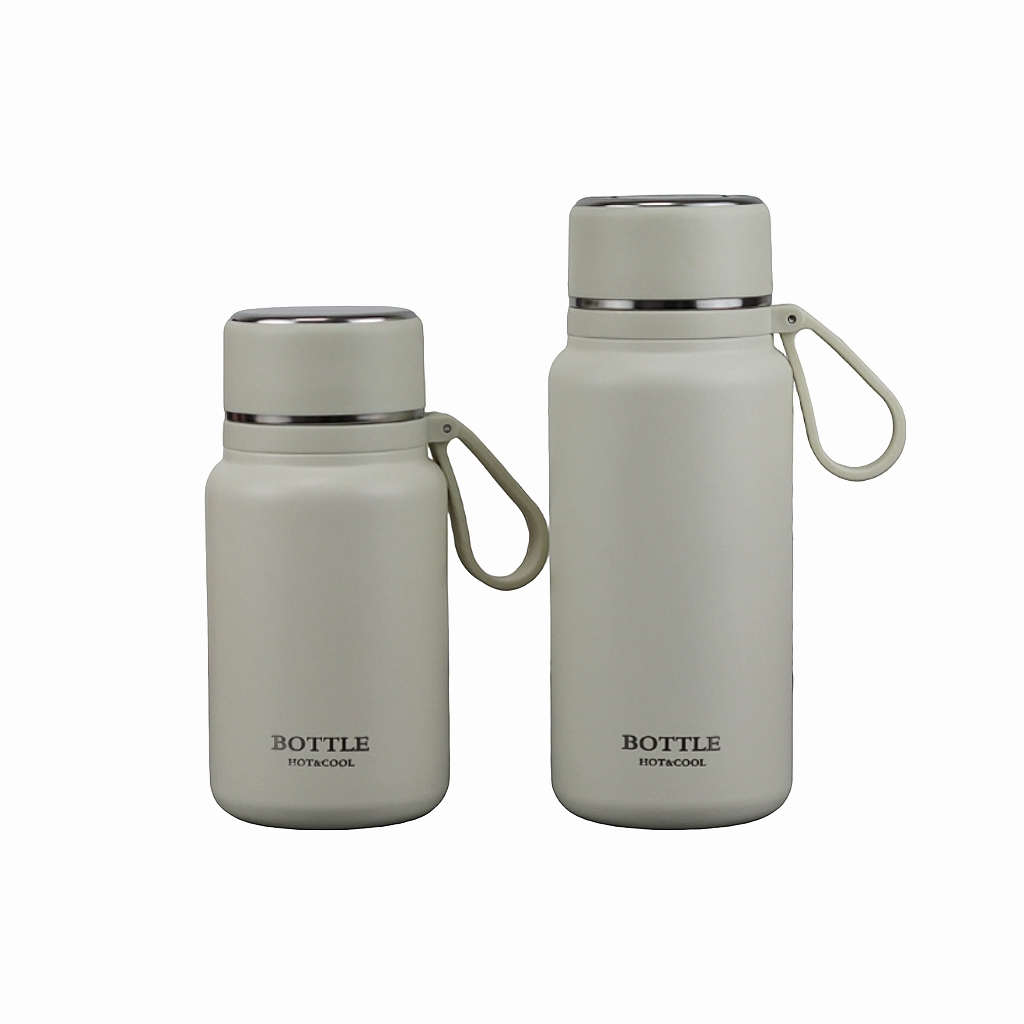
Alors que le temps se refroidit progressivement, bouteilles d'eau isothermes, the go-to companion for health and wellness, are hitting the market, and rumors surrounding them are also popping up. For example, brewing tea in an insulated bottle for too long can cause poisoning; and you shouldn’t put goji berry water in an insulated bottle… So, are these claims true or false?
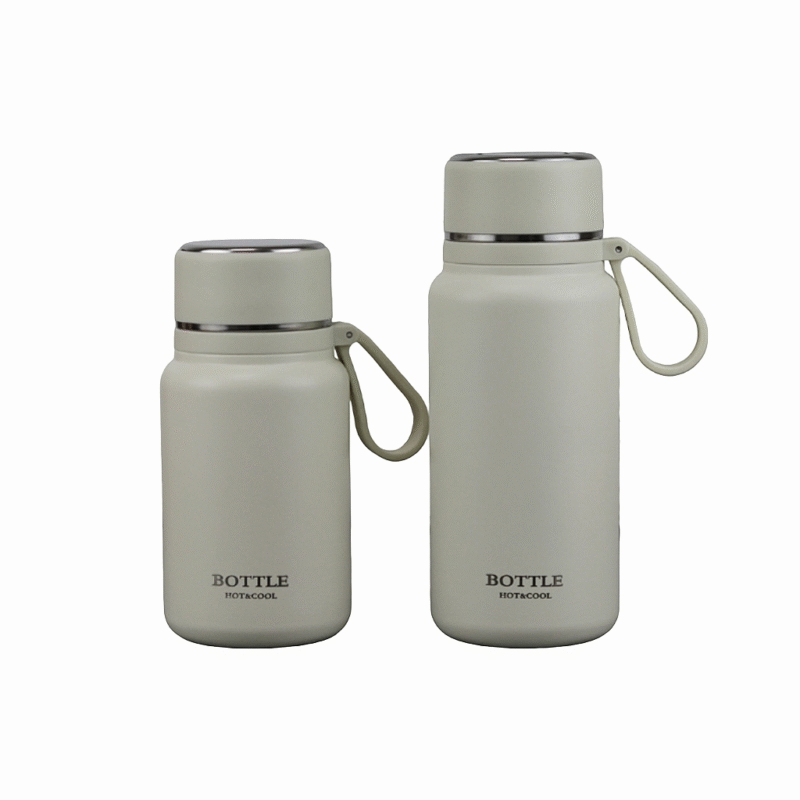
Can brewing tea in a thermos for too long cause poisoning?
A rumor claims that brewing tea creates tea stains, which corrode the thermos, leaching heavy metals and ultimately leading to chronic poisoning.
The truth: The stains formed by accumulated tea water do not contain corrosive components. The stainless steel used for the inner wall of the thermos is an inert material and is very difficult to corrode. Therefore, the claim that brewing tea in a thermos will leach heavy metals is unfounded.
Why does tea brewed in a thermos often have a dark, bitter taste and a strong, dark color? This is because prolonged high-temperature brewing accelerates the volatilization of aromatic substances in the tea leaves, affecting the taste. It has nothing to do with « heavy metals » ou « toxic substances. »
When using a thermos, it’s crucial to prevent bacterial growth. Because the inner liner of a thermos is relatively thick, a large number of bacteria can hide in hard-to-reach areas. It should be thoroughly cleaned after one day of use. You can add a little baking soda to the thermos to rinse the inner liner. After cleaning, allow the thermos to dry completely before replacing the lid.
Will storing soy milk in a thermos cause saponin toxins to dissolve?
A rumor circulating online claims that storing soy milk in a stainless steel thermos will cause « saponin toxins » in the soy milk to dissolve, which can be harmful to health.
The truth: Boiled soy milk does not contain saponins. Therefore, even if you pour it into a thermos, it’s impossible for « toxins to dissolve from the soy milk. »
Furthermore, storing soy milk in a thermos (or flask) is safer than leaving it directly in the air. This is because when you put soy milk into a thermos and tighten the lid, it creates a sealed space. The amount of air and microorganisms inside the insulated container is limited, making it more hygienic and safer for a short period.
For high-protein drinks like soy milk and milk, it’s best to consume them within 3 heures. If you want to preserve them for a longer time, you should first rinse the thermos with boiling water to kill any bacteria that may be present before pouring in the soy milk or milk. Cependant, it’s not recommended to store soy milk in a thermos for extended periods.
Should you not put goji berry water or carbonated drinks in a thermos?
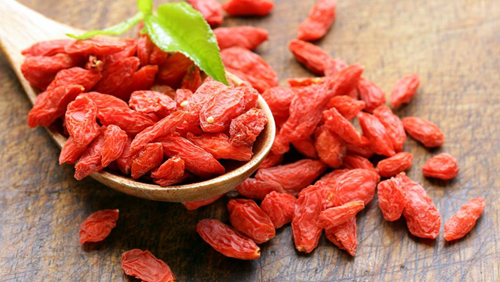
Many people believe that drinking goji berry water or carbonated drinks placed in a thermos is harmful to health because the acids, alkalis, and salts in goji berries and carbonated drinks can corrode the thermos and cause alloy elements to dissolve.
The truth is: toxicity cannot be discussed without considering dosage. While goji berries and carbonated drinks do possess acidic or alkaline properties, these are extremely weak. Even after several days of continuous use, there is absolutely no need to worry about alloying elements leaching out of a standard stainless steel cup. Even if trace amounts of alloying elements were to corrode and leach out, the chromium, nickel, manganese, and molybdenum alloying elements in the stainless steel used in tableware are all essential trace elements for the human body and will not affect our health.
If goji berries are soaked in water at high temperatures (above 80℃) for a long time, many of their vitamins and other nutrients will be lost. Furthermore, the medicinal effects of goji berries are not fully realized when steeped in water.
If the inner liner of your thermos is made of high-manganese, low-nickel steel, do not store carbonated beverages in it for extended periods.
Is a thermos that can be attracted to a magnet necessarily a good thermos?

Faced with the wide variety of thermos flasks on the market made of different materials, many consumers judge the quality of a thermos by whether it is magnetic, believing that a thermos that can be attracted to a magnet is a good one.
The truth: According to the national standard GB9684, stainless steel materials for food utensils include austenitic stainless steel, austenitic-ferritic duplex stainless steel, and ferritic stainless steel, among which austenitic stainless steel is non-magnetic.
The commonly seen 304 et 316 stainless steels are non-magnetic austenitic stainless steels, whose main alloying elements are iron, chrome, and nickel, and are relatively expensive. Low-nickel (nickel-saving) manganese-containing austenitic stainless steel is also non-magnetic. It uses manganese and nitrogen to replace some of the nickel, making it relatively cheaper, but its performance and safety are not inferior. Therefore, magnetism is not a standard for judging the quality of a thermos.
People allergic to metal elements must check the specific composition of the stainless steel online according to the labeled grade. For example, those allergic to nickel should avoid 304 stainless steel products, while those allergic to manganese should avoid low-nickel, manganese-containing stainless steel products.
Tips for choosing a thermos: Focus on consistent quality and specifications
First, check the label for completeness and scientific accuracy.
Second, check the material. 304 et 316 stainless steel are preferred for the inner liner, but other materials are also safe as long as they are clearly labeled and meet national safety standards. Pay attention to the materials of the lid and straw, which come into direct contact with the contents, to ensure they meet food safety standards.
Third, check the appearance. Examine the outer surface, welds, printed text, and patterns for any abnormalities. Check if the lid’s opening and closing buttons work properly, and ensure proper screwing and sealing. Ensure all parts are easy to disassemble, faire le ménage, and reassemble.
Fourth, check the insulation efficiency. Under the specified ambient temperature of 20℃±5℃, the higher the temperature of 95℃±1℃ hot water after being left for a specified time, the better the heat preservation performance.