

Don’t just look at the appearance! 3 essential principles for choosing ceramic mugs.
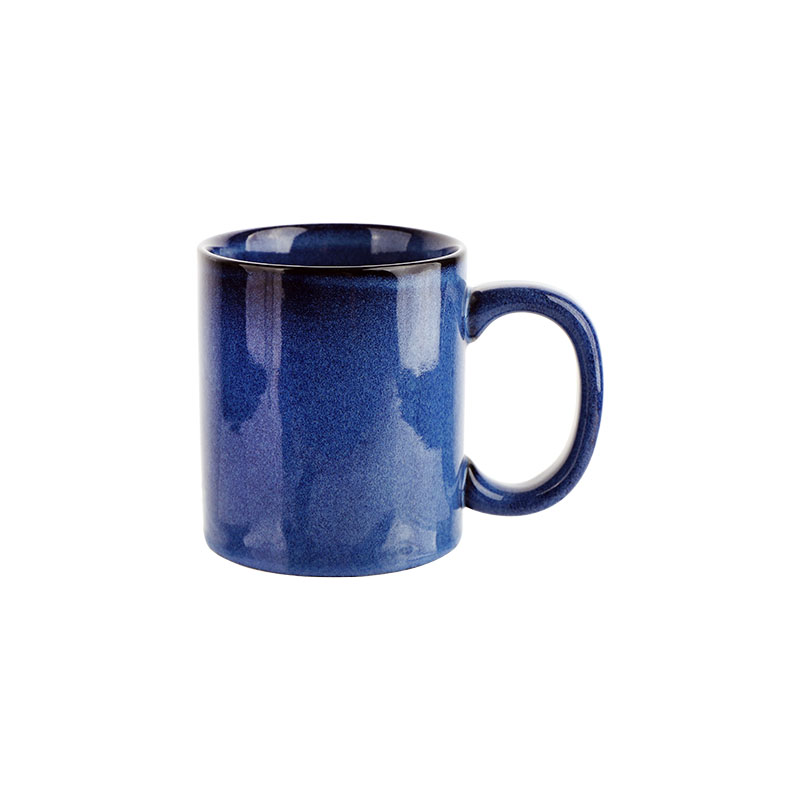
Ceramic cups, as a combination of everyday utensils and works of art, possess value far exceeding their appearance. From a materials science and technology perspective, the quality differences in ceramic products primarily stem from three core technical indicators: raw material ratio, sintering process, and surface treatment. Cependant, crucial factors determining product safety and lifespan, such as glaze bonding strength, thermal stability, and heavy metal dissolution levels, are often overlooked by consumers. Currently, the market is flooded with products of varying quality; only by mastering professional identification methods can one avoid usage risks and purchase truly high-quality ceramic ware that meets standards.
- Core Materials: Distinguishing Between « Pottery » et « Porcelain » is the First Step in Choosing a Porcelain Cup
Many people are confused about ceramics, but there are significant differences between « pottery » et « porcelain » in terms of performance and sensory experience.
Pottery: Typically made from clay with a high iron content (such as purple clay) and fired at a relatively low temperature (800-1100℃). It has a thick body, a relatively loose texture, is opaque, and has good breathability. Therefore, ceramic cups are often used for brewing teas that require « breathing » and aging, such as Pu-erh tea and black tea.
Porcelain: Made from pure porcelain clay such as kaolin, and fired at a high temperature (1200-1400℃). It has a dense, hard, léger, and semi-transparent body with poor breathability but a high gloss finish. Ceramic cups better preserve the original flavor of beverages, are easy to clean, and are the best choice for drinking coffee, green tea, milk, etc..
2. Glaze Safety: Health Matters, Invisibility is Key
Glaze is a thin, glassy film covering the surface of a ceramic body, determining both the cup’s aesthetics and safety.
Overglaze vs. Underglaze: This is the most crucial safety knowledge.
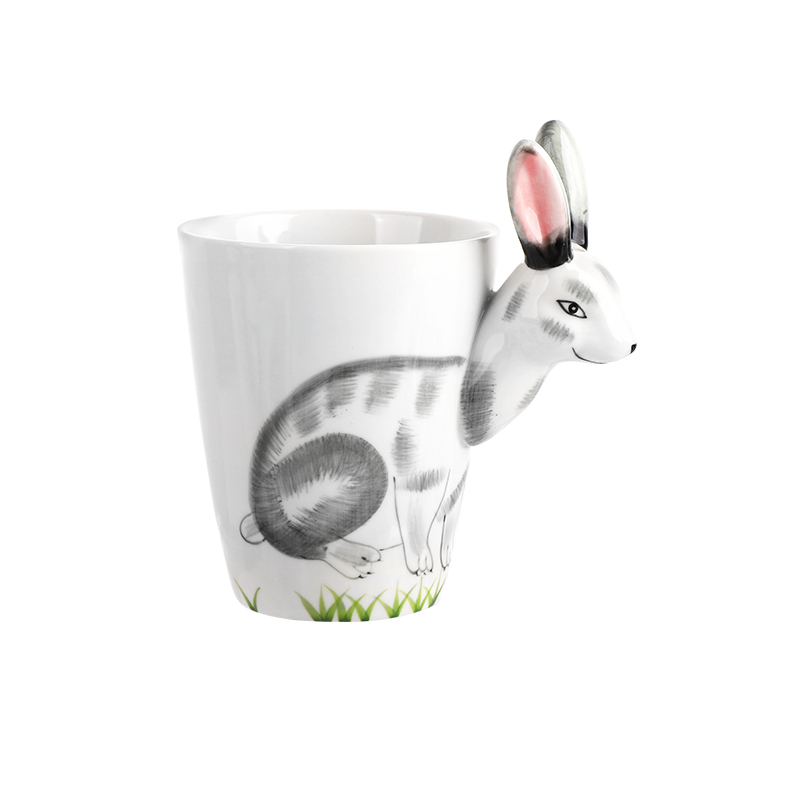
Underglaze: Pigments are drawn onto the ceramic body, then a layer of transparent glaze is applied. After high-temperature firing, the pigments are firmly locked under the glaze, resulting in a safe, non toxique, wear-resistant, and durable product.
Overglaze: Pigments are drawn onto a pre-fired glaze surface, then fired at a lower temperature. The patterns have texture, but with prolonged use or storage of acidic/hot beverages, there is a risk of heavy metal leaching (such as lead and cadmium).
How to tell: If the pattern on the inner wall of the cup is smooth and inconspicuous, it is likely a safe underglaze or overglaze design. If the pattern is noticeably raised and tactile, it is considered overglaze, and it is recommended to avoid using it for everyday tableware.

- Manufacturing Process Quality: Listen to the Sound, Check the Thickness, and Judge the Degree of Sintering
The durability and water resistance of ceramic cups fundamentally depend on the quality of their sintering process. Fully sintered ceramic cups achieve complete ceramization, forming a dense microcrystalline structure and reducing water absorption to below 0.5%. These products possess excellent mechanical strength and impermeability, effectively preventing odor transfer caused by liquid seepage.
The quality of sintering can be assessed using the following methods:
Acoustic Testing: Gently tap a wall with a hard object. High-quality ceramic should produce a clear, pleasant high-frequency echo with slow sound decay.
Microscopic Observation: In high-quality ceramic, the exposed portion at the rim or foot shows a fine and uniform structure, with a visible glassy luster on the cross-section.
Specific Gravity Measurement: For the same volume, fully sintered ceramic products, due to their high glass phase content, often receive more attention due to their lower temperature sintering.

Choosing the ideal ceramic mug requires both rationality and sensibility. It’s not just an aesthetic expression, but a reliable companion in daily life. Understanding the differences between porcelain and earthenware, the safety of glazes, and the precision of craftsmanship are key to transcending appearances and finding the perfect vessel that combines beauty, safety, and practicality. Next time you choose, use your fingertips and ears to appreciate the subtle differences in craftsmanship, making every sip a reassuring experience.