

¿Cómo puedes saber si el termo que compraste es genuino? 304 termo de acero inoxidable?
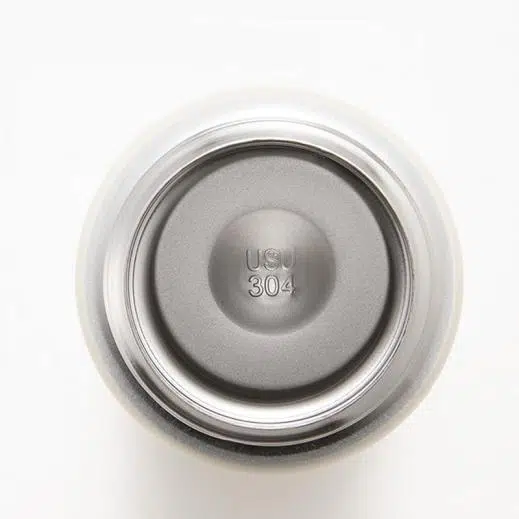
¿Por qué es 304 El acero inoxidable es considerado el material ideal para vasos isotérmicos.?
When choosing the right material for insulated cups, 304 stainless steel stands out for obvious reasons. Often labeled «Grado de alimentos,» its popularity stems from its balanced chromium (18%) and nickel (8%) content. This combination forms a stable protective oxide layer on the steel surface, giving it excellent rust and corrosion resistance and protecting it from the wear and tear of daily contact with humid environments, weak acids and alkalis, and common beverages like tea and coffee. Even with long-term use, 304 stainless steel maintains stable performance and will not leach harmful substances into beverages, making it a safe and reliable choice for food contact products.
In addition to its chemical stability, 304 stainless steel also possesses excellent mechanical strength and flexibility. It performs reliably in various manufacturing processes such as stretching and stamping without cracking or breaking. This makes it an ideal material for producing insulated cups, food containers, kitchen utensils, and various consumer goods. Its stability, durabilidad, and safety make it one of the most widely used and trusted stainless steels in daily life.
304 stainless steel is called «Grado de alimentos» because of its high nickel content and strong corrosion resistance—it won’t release heavy metals even after prolonged contact with acidic or alkaline liquids. Sin embargo, many low-priced thermos flasks on the market may use lower-grade materials, como 201 acero inoxidable, which has a higher manganese content, is prone to rusting, and may pose health risks with long-term use. So, how can buyers and importers verify that a thermos flask is truly made of 304 acero inoxidable? Here are four commonly used testing methods:
- Magnet Test
A quick and easy way to identify 304 stainless steel is to use a magnet. Generally, 201 stainless steel is magnetic, while 304 stainless steel is not. If the magnet adheres firmly to the surface, it is likely not 304 acero inoxidable. Sin embargo, this method is not foolproof—304 stainless steel may develop slight magnetism after processing such as rolling, estampado, or stretching. Similarly, some modified 201 stainless steel may show weakened magnetism. Por lo tanto, while a strong magnetic reaction is likely to rule out 304 acero inoxidable, a weak magnetic reaction or no magnetic reaction should still be interpreted with caution and combined with other test results for judgment. 2. Acid Resistance Test
This test simulates an acidic environment to assess the corrosion resistance of stainless steel. Commonly used test reagents include nitric acid, hydrochloric acid, citric acid, and even household vinegar. Apply a small amount of the acid solution to the stainless steel surface or immerse the sample in it. Observe the reaction over a period of time. Genuine 304 acero inoxidable, due to its high chromium and nickel content, should show minimal reaction—no rust spots, bubbles, or discoloration. Lower grades of stainless steel, como 201, will typically corrode rapidly, turning the surface black or brown as oxides are released.
This test is based on the behavior of different stainless steel alloys in acidic environments—304 stainless steel remains chemically stable, while 201 stainless steel and similar grades do not. While this test is not absolutely precise, it provides a quick way to identify obvious material problems.
- Chemical Reagent Test
Some special reagents, such as Ni8 test solution, can help identify the grade of stainless steel based on their reaction with the metal surface. After cleaning the test area, add 1-2 drops of the reagent; in some cases, a 9V battery can be used to accelerate the reaction. Follow the instructions and wait to observe the color change.
Because 304 stainless steel contains approximately 8% níquel, it reacts slowly with these reagents, showing almost no color change. In contrast, 201 stainless steel typically turns a deep brownish-red within a minute, while other grades (como 202 o 301) exhibit varying shades of red depending on their composition.These tests utilize the relationship between nickel content and redox reactions—lower nickel content results in a faster reaction and a deeper color. While reagent testing is convenient, it should be used in conjunction with other verification methods for reliable results.
- Certifications and Documentation
For the most reliable confirmation, request complete documentation from the manufacturer. This includes material certificates listing key chemical components (such as nickel and chromium), third-party testing reports from accredited laboratories (such as CNAS or CMA-certified laboratories), and international certifications such as ISO 9001 or FDA food contact compliance. Always verify the authenticity of certificates by checking batch numbers, anti-counterfeiting labels, and the consistency of document content.
Be wary of materials labeled «304» but actually using 200 series stainless steel with a similar appearance. For food-grade and medical applications, validation through credible third-party testing (such as spectral analysis, salt spray testing, and heavy metal migration assessment) is essential.
En Jarrino, we have established stringent material verification standards for all our insulated water bottle production lines. Every batch of stainless steel we use undergoes rigorous inspection and testing, and all products are certified by internationally recognized authorities. These certifications are not merely credentials, but also a testament to our commitment to consumer safety and product quality. We promise to provide not only fully functional and stylish drinking utensils, but also peace of mind with every sip.