

ما هي أفضل مادة للكوب?
ما هي أفضل مادة للكوب?
شرب الماء ضرورة يومية, and as a frequently used utensil, the material you choose directly impacts your health and experience. While there are a wide variety of materials available on the market, there’s no definitive “best” choice, only “optimal solutions” that suit the specific situation. The key lies in balancing safety, practicality, and adaptability.
أكواب بلاستيكية
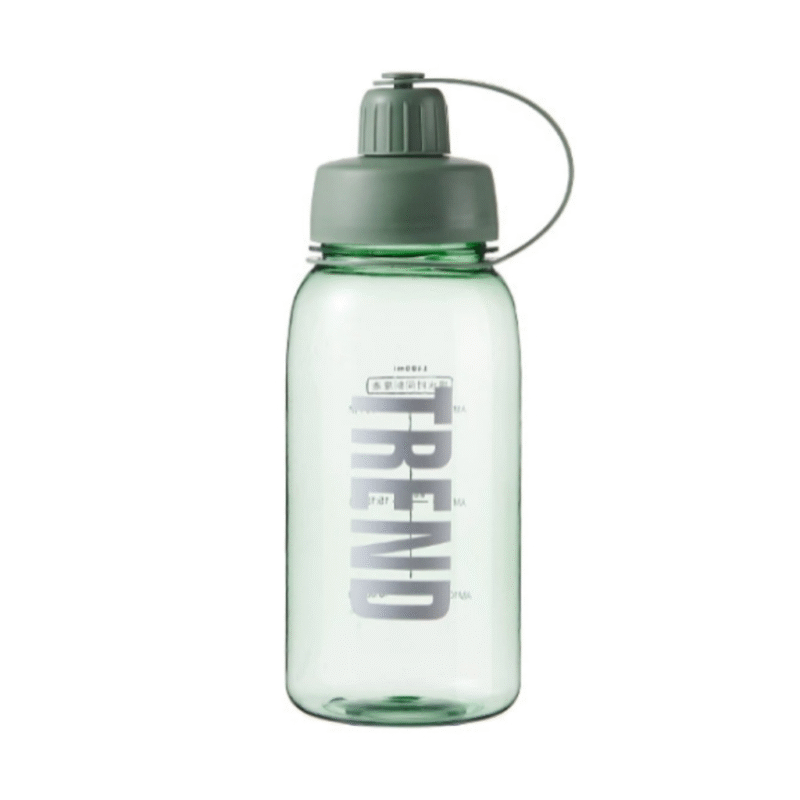
Plastic cups are a common choice for outdoor use and children’s use due to their lightness and resistance to impact, but they carry potential health risks. When water temperatures exceed 70°C, some plastics may release bisphenol A, which can accumulate over time and is harmful to health. Surface scratches can also easily breed Staphylococcus. Only products marked with the number 5 on the bottom of PP or the number 7 Tritan logo are relatively safe. The former is heat-resistant, while the latter can withstand high-temperature cooking. Even so, it’s recommended to replace plastic cups every three months, and if scratches occur, they should be discarded promptly.
Glass Cups
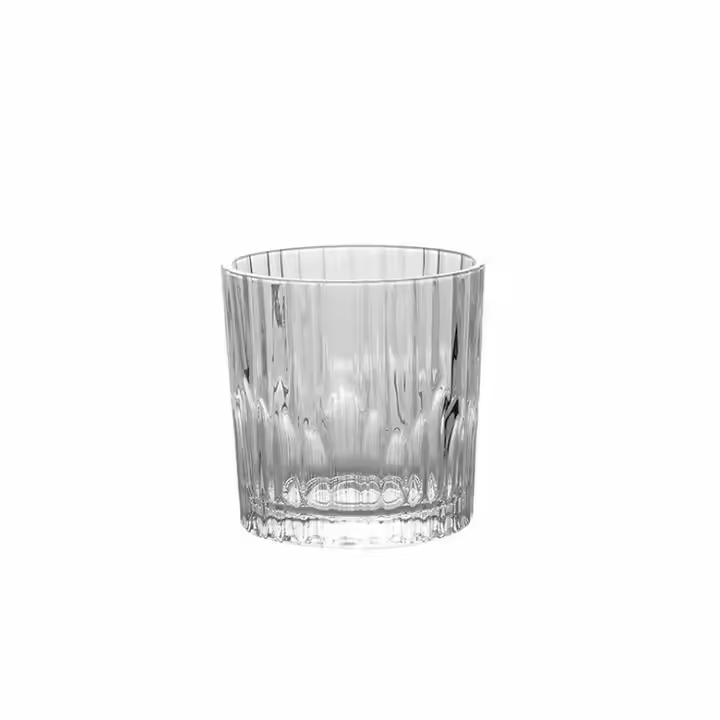
Glass cups are generally considered a safe choice. The firing process contains no organic chemicals, and no harmful substances are released regardless of the water temperature. Their smooth surface resists bacterial growth and makes them easy to clean. لكن, ordinary soda-lime glass has poor resistance to temperature fluctuations and is prone to cracking when exposed to sudden changes in temperature. High-borosilicate glass, on the other hand, can withstand temperature swings from -20°C to 150°C, making it more suitable for brewing tea and coffee. لكن, glass is fragile, so extreme caution is required when using it outdoors or during sports.
Ceramic Mugs
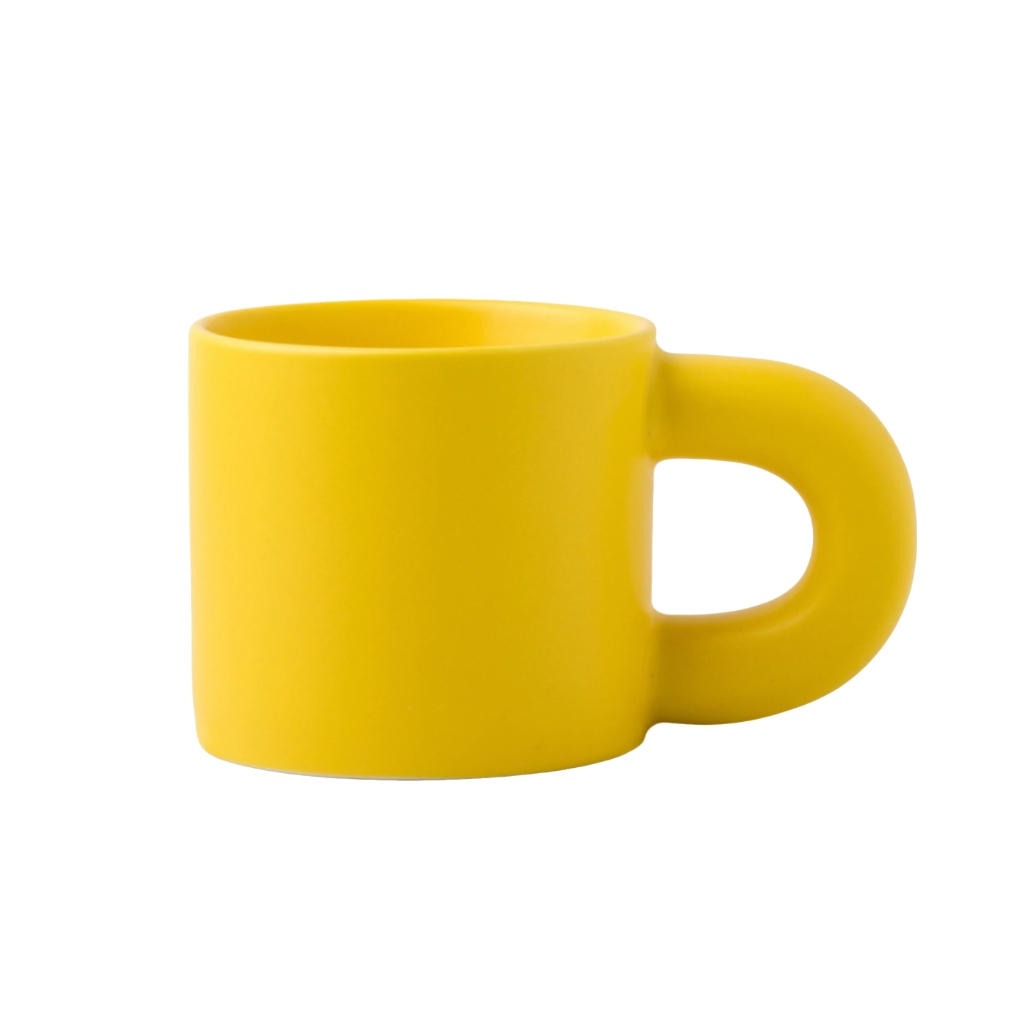
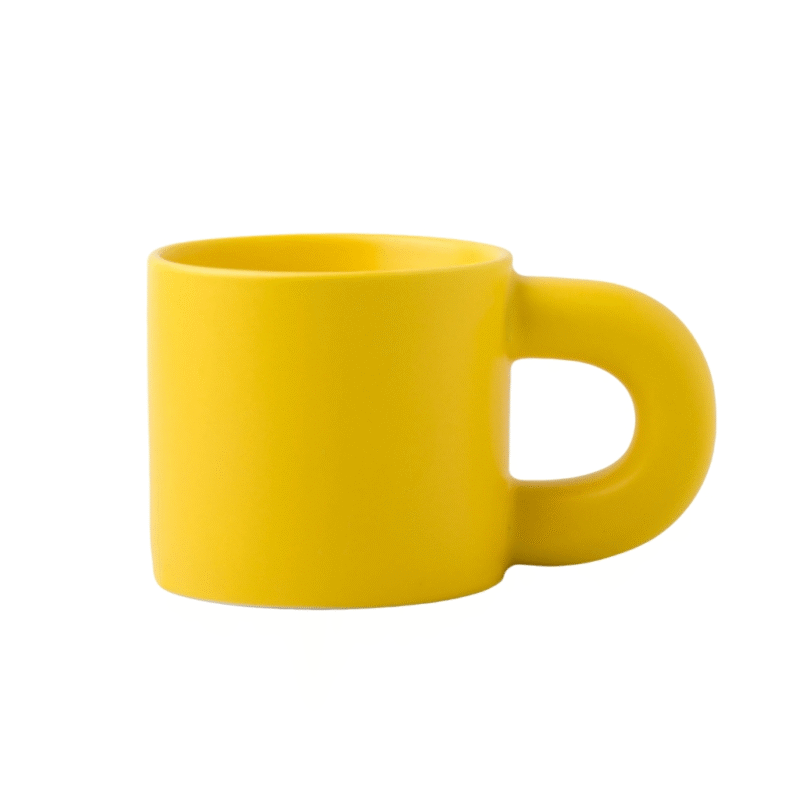
Ceramic mugs offer both practicality and aesthetic appeal, but the glaze presents a major risk. Brightly colored glazes may contain heavy metals like lead and cadmium. Unglazed white porcelain mugs or bone china mugs containing at least 30% bone powder are safer, as they have a higher density and a lower risk of heavy metal leakage. لكن, it’s important to note that cracked ceramic mugs are prone to mold growth and should be replaced immediately.
Stainless Steel Thermos
Stainless steel thermos mugs are ideal for travel, and the key lies in the quality of the material. Industrial-grade steels like 201 may contain excessive levels of heavy metals, while food-grade 304 stainless steel is the minimum standard. Molybdenum-added 316 stainless steel offers superior corrosion and high-temperature resistance, making it a medical-grade material. لكن, stainless steel cups should not be used to hold acidic beverages such as juice and coffee for extended periods, as this may corrode the inner wall and release metal ions. Silicone seals should also be inspected and replaced every six months.
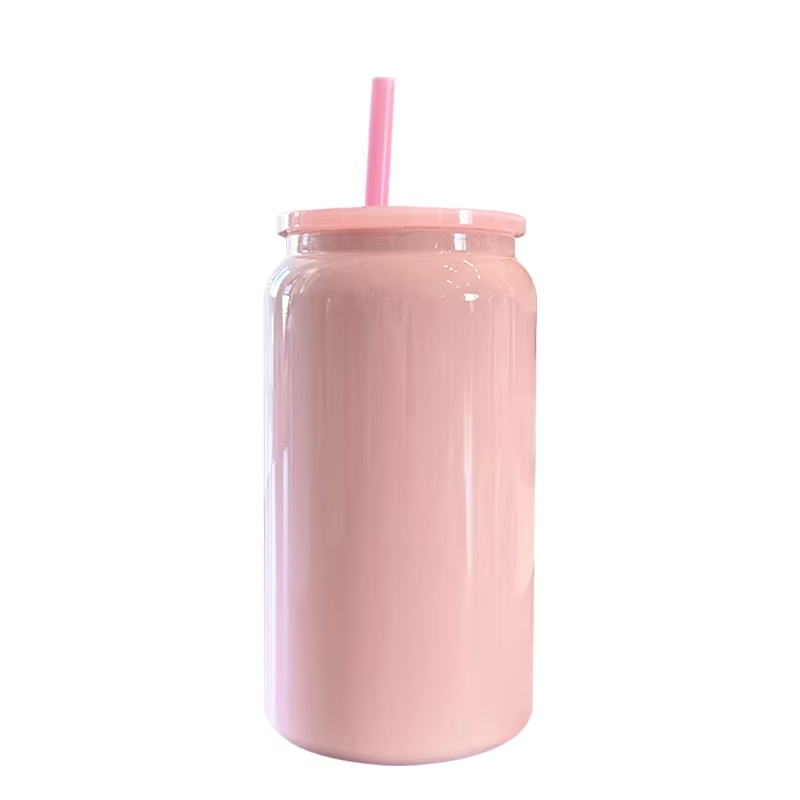
As you can see, choosing a cup requires precise matching of usage: choose borosilicate glass for daily office use, 316 stainless steel thermos for outdoor activities, and PP cups for children. This pursuit of material and application compatibility is the core philosophy of Jarrino cup manufacturers. They are deeply committed to material safety and functional innovation. Whether it’s the heat-resistant and impact-resistant borosilicate glass series or the corrosion-resistant 316 stainless steel series, each precisely meets the needs of different users, ensuring that every cup of water is both safe and comfortable.