

Can a 304 stainless steel cup be used to hold coffee?

In today’s fast-paced world, portable coffee cups have become a staple for many coffee lovers. As people become more health and environmentally conscious, stainless steel cups are particularly popular. Among them, 304 stainless steel cups are favored for their durability and versatility. But is this material truly suitable for coffee? Let’s dive in.
What is 304 Stainless Steel?
304 stainless steel, often referred to as 18/8 stainless steel (containing 18% chromium and 8% nickel), is a high-quality, food-grade alloy. It’s the most common form of stainless steel used worldwide for food processing, kitchenware, and medical equipment due to its excellent corrosion resistance and non-reactive properties.
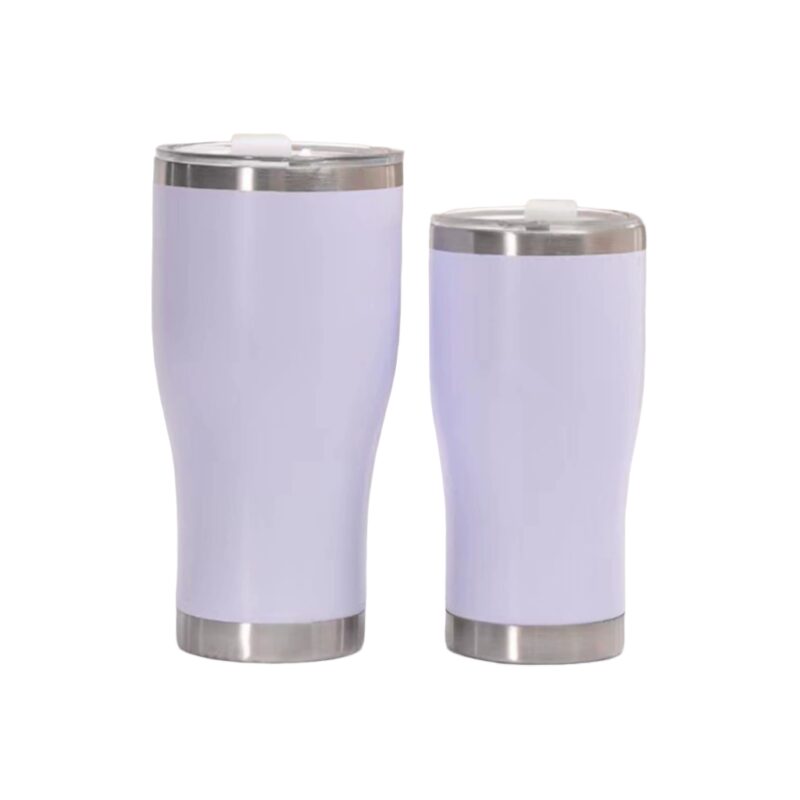
The Benefits of Using a 304 Stainless Steel Cup for Coffee
1. Durability and Longevity
Unlike fragile ceramic or glass, stainless steel is highly resistant to drops and impacts. A quality 304 stainless steel cup can last for years, even decades, making it a sustainable choice that reduces waste from disposable cups.
2. Temperature Retention
Many 304 stainless steel cups are vacuum-insulated. This technology creates a barrier between the inner and outer walls, keeping hot coffee hot for hours and iced coffee cold for just as long. It outperforms most single-walled ceramic or plastic containers.
3. Taste Preservation
High-quality 304 stainless steel is non-porous and inert. It doesn’t absorb flavors or odors from previous drinks. When you wash it properly, your coffee will taste exactly as intended, without any residual tastes from yesterday’s tea or juice.
4. Safety and Health
304 stainless steel is generally considered a safe material for food and beverages. It doesn’t contain harmful chemicals like BPA, which can be found in some plastics. Its non-reactive nature means it won’t leach metals or other compounds into your acidic coffee under normal use conditions.
Potential Concerns and Considerations
1. Metallic Taste Perception
Some users report detecting a faint metallic taste, especially with new cups or very acidic coffee. This sensation often diminishes after a few uses and thorough cleaning. It’s worth noting that this is usually a sensory perception rather than actual leaching from high-quality 304 steel.
2. Heat Conductivity of Non-Insulated Cups
If you use a single-walled 304 stainless steel cup (not vacuum-insulated), it will get very hot to the touch when filled with boiling coffee. Always check if a cup is described as “insulated” or “double-walled” if you want it to be handle-friendly.
3. Acidic Beverages and Corrosion
While 304 steel has excellent corrosion resistance, extremely acidic substances can, over very long periods, cause minimal corrosion. However, the acidity of coffee (pH typically around 5) is not strong enough to cause any meaningful damage to 304 stainless steel during normal daily use.
4. Nickel Sensitivity
Since 304 stainless steel contains nickel, individuals with a confirmed nickel allergy might experience a reaction if they have direct skin contact. For drinking, this is rarely an issue as the contact is brief, but those with severe allergies should consult a doctor.
Best Practices for Use and Care
To get the most out of your 304 stainless steel coffee cup and ensure it lasts:
- Initial Cleaning: Before first use, wash the cup thoroughly with warm, soapy water. Some manufacturers also recommend a rinse with a vinegar-water solution to remove any manufacturing residues.
- Regular Cleaning: Wash after each use with mild dish soap and a soft sponge. Avoid abrasive scrubbers or harsh cleaners that can scratch the surface.
- Stain Removal: For coffee stains or mineral deposits, use a mixture of baking soda and water or a dilute vinegar solution. Let it soak, then rinse well.
- Drying: Always air-dry your cup completely with the lid off to prevent moisture buildup and potential odors.
Yes, a 304 stainless steel cup is an excellent and safe choice for enjoying your daily coffee.
Its combination of durability, excellent temperature retention, and non-reactive properties makes it a superior option for coffee lovers on the go. The minor concerns, such as the potential for a metallic taste, are generally avoidable with quality products and proper care.
When choosing your cup, look for reputable brands that explicitly state their use of 304 (or the even more corrosion-resistant 316) stainless steel. Pair it with a well-fitting lid, and you have a reliable, eco-friendly companion for your coffee ritual that will serve you well for years to come.
So go ahead, pour your favorite brew into that stainless steel cup and enjoy—both the flavor and the peace of mind.